
The Ultimate Guide: Renting a House vs. Apartment in the US – Navigating Your Ideal Living Space
As an industry expert with a decade of experience in the US real estate rental market, I’ve witnessed firsthand the evolving needs and desires of renters. The question of whether to opt for a standalone single-family home or a unit within a multi-family apartment complex is one of the most fundamental decisions a renter faces. This choice is not merely about square footage or a perceived status symbol; it’s about aligning your lifestyle, budget, and personal priorities with the right type of dwelling. Many renters grapple with this decision, and rightfully so, as each option presents a unique set of advantages and disadvantages that significantly impact daily life.
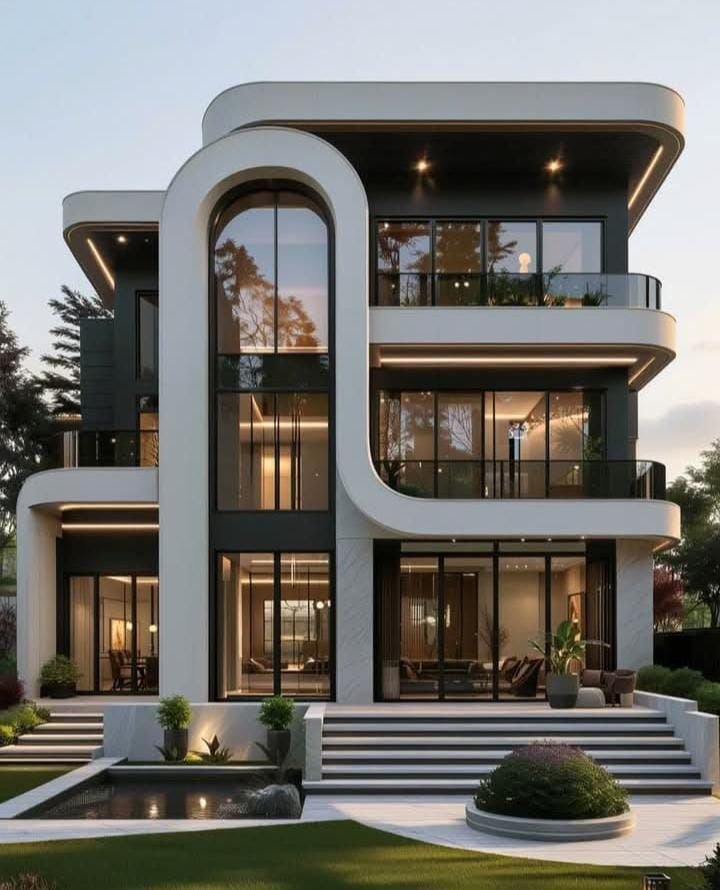
Recent market data indicates a continuing trend where average rents for single-family homes across the United States hover around the $2,170 mark, while apartments typically come in at a more accessible $1,810. This financial disparity is often a primary driver for many, but it’s crucial to delve deeper than just the headline numbers. Understanding the nuanced differences between renting a house and renting an apartment is key to making an informed decision that fosters long-term satisfaction.
Let’s dissect these options, looking beyond the surface to uncover what truly sets them apart, and how these distinctions can translate into your lived experience.
The Allure of Apartment Living: Convenience, Community, and Cost-Effectiveness
For many, the primary draw of apartment living lies in its inherent affordability and the comprehensive amenities often included. When you’re aiming to optimize your rental budget, apartments frequently emerge as the more economical choice. The diversity in apartment sizes, ranging from cozy studios to spacious three-bedroom units, allows for a greater degree of flexibility in rental costs. Naturally, smaller units command lower rents, making apartment living a strategic option for individuals or couples seeking to minimize their monthly housing expenses. This financial breathing room can then be allocated to other lifestyle pursuits, savings, or investments.
Beyond the immediate cost savings, apartment complexes, especially in bustling urban environments, are often strategically located to offer unparalleled convenience. You’re likely to find yourself within easy reach of essential services, vibrant social hubs, and efficient public transportation networks. Imagine needing just a single ingredient for a last-minute dinner party or craving a spontaneous visit to a local park; in a well-situated apartment, these everyday desires are effortlessly fulfilled. This proximity to urban amenities significantly enhances the ease and enjoyment of daily life for many apartment renters.
Furthermore, the communal aspect of apartment living can be a significant advantage. In multi-family buildings, especially those designed with resident interaction in mind, you’ll find amenities like shared lounges, game rooms, or even communal outdoor spaces. These features are intentionally crafted to foster a sense of community, offering opportunities to connect with neighbors and build social ties. For pet owners, many apartment complexes now offer dedicated dog parks, sometimes complete with agility equipment or even grooming stations, making pet-friendly apartment rentals a genuinely viable option.
One of the most compelling benefits of apartment living is the often-enhanced security. Modern apartment buildings frequently incorporate advanced security measures such as key fob entry systems, coded access gates, and even 24/7 concierge services. Secure mailrooms and gated parking areas further contribute to a sense of safety and peace of mind, a crucial consideration for many individuals and families seeking a secure environment. This layered security approach provides a tangible benefit that many renters in apartments value highly.
When minor issues arise, such as a malfunctioning appliance or a plumbing leak, the maintenance process in an apartment setting is typically streamlined. A quick call or a digital maintenance request to the landlord or property management team usually results in swift resolution. In larger buildings, the presence of an on-site maintenance crew can mean even faster response times, ensuring that disruptions are minimized and your living environment remains comfortable and functional. This readily available support system is a significant advantage for those who prefer not to handle home repairs themselves.
Navigating the Downsides of Apartment Living: Space, Sound, and Strictures
Despite its numerous advantages, apartment living is not without its drawbacks. The most prominent among these is often the limitation on space, both indoors and outdoors. Apartments, by their nature, tend to be more compact than single-family homes. This can be a particular challenge for larger families, individuals with extensive collections of belongings, or those with energetic pets requiring ample room to roam. Private outdoor space is often confined to a balcony or small patio, which may not be ideal for all pet owners or for those who cherish private, open-air environments. The lack of basements, attics, or dedicated storage sheds, commonly found in houses, can necessitate a more minimalist approach to possessions.
The proximity to neighbors in apartment buildings also introduces the issue of noise. Living in close quarters means that the sounds of neighbors – whether it’s loud television, boisterous gatherings, or energetic children – can easily penetrate your living space. Conversely, apartment dwellers must also be mindful of their own noise levels, often adhering to quiet hours and being considerate of those around them. This can be a source of stress for some, particularly if they enjoy entertaining or have a lifestyle that naturally generates more sound.
Pet limitations are another significant consideration for apartment seekers. Many apartment complexes impose restrictions on pet breeds, sizes, or the number of pets allowed. For those with existing pets that fall outside these guidelines, finding suitable accommodation can be challenging. Furthermore, many apartments for rent charge additional “pet rent” – a monthly fee that can add up considerably over the year, impacting the overall cost of affordable apartment rentals.
Finally, apartment living often entails a greater degree of flexibility constraints. Beyond the physical limitations of space, apartment dwellers typically face more stringent rules regarding home décor. Painting walls, making alterations, or even hanging pictures may require landlord approval or be outright prohibited. Moreover, apartment buildings frequently enforce strict quiet hours, and access to common areas or even individual floors may require navigating key fobs or access codes. Early lease termination can also be more difficult and costly, offering less flexibility if your circumstances change unexpectedly.
The Appeal of Renting a House: Space, Autonomy, and a Personal Sanctuary
Renting a single-family house presents a compelling alternative, particularly for those who prioritize space, autonomy, and a more traditional sense of homeownership. The most significant advantage of renting a house is undoubtedly the abundance of space. While apartments often range from 1,000 to 1,499 square feet, a single-family home, even within a similar square footage, typically offers additional benefits like basements, attics, garages, or even outdoor sheds. This extra space is invaluable for storage, accommodating larger families, or simply enjoying a less cluttered living environment.
For those who view their rental as a personal canvas, the flexibility offered by renting a house can be a major draw. While responsible renters should always consult with their landlord before making significant changes, the rules governing a single-family home are generally less restrictive than those in a multi-family building. This allows for greater personalization, whether it’s painting walls a new color, undertaking minor renovations, or simply hanging more elaborate décor without the same level of oversight. This sense of ownership over your living space can be incredibly fulfilling.
Parking is another area where renting a house often shines. While parking can be a challenge in many urban apartment complexes, with limited availability or monthly fees, houses typically come with a dedicated driveway, garage, or at the very least, ample street parking. This convenience is particularly appreciated in areas where parking is at a premium and can significantly simplify daily life.
Perhaps one of the most cherished benefits of renting a house is private yard access. The presence of a front or back yard offers a dedicated outdoor space for pets to play, children to explore, or simply for residents to enjoy fresh air and sunshine without the need to share with others. For many, this private outdoor sanctuary is a crucial element of a desirable living situation, offering a welcome respite from the urban bustle. This is a stark contrast to shared courtyards or communal green spaces common in apartment complexes, making single-family home rentals a preferred choice for those who value their own private outdoor haven.
The Realities of House Rentals: Costs, Commitments, and Certainty
However, the advantages of renting a house come with their own set of challenges. The most significant is often the increased cost. Data consistently shows that rents for single-family homes have seen a more substantial increase over the past five years compared to apartments. This higher rent is attributable to several factors, including the sheer size of the property, the greater demand for standalone homes, and the current high market prices for homeownership, which influence rental rates. Additionally, security deposits for houses are typically higher than for apartment units, further increasing the upfront financial commitment.
Lease uncertainty can also be a concern when renting a house. Unlike multi-family buildings managed by professional property management companies, individual landlords who own single-family homes may have different long-term plans. There’s a greater possibility that an owner might decide to sell the property, move a family member in, or reclaim the house for their own use. This can lead to less stability in your living situation compared to the more predictable environment of a professionally managed apartment complex. This aspect is critical for anyone seeking long-term rental homes.
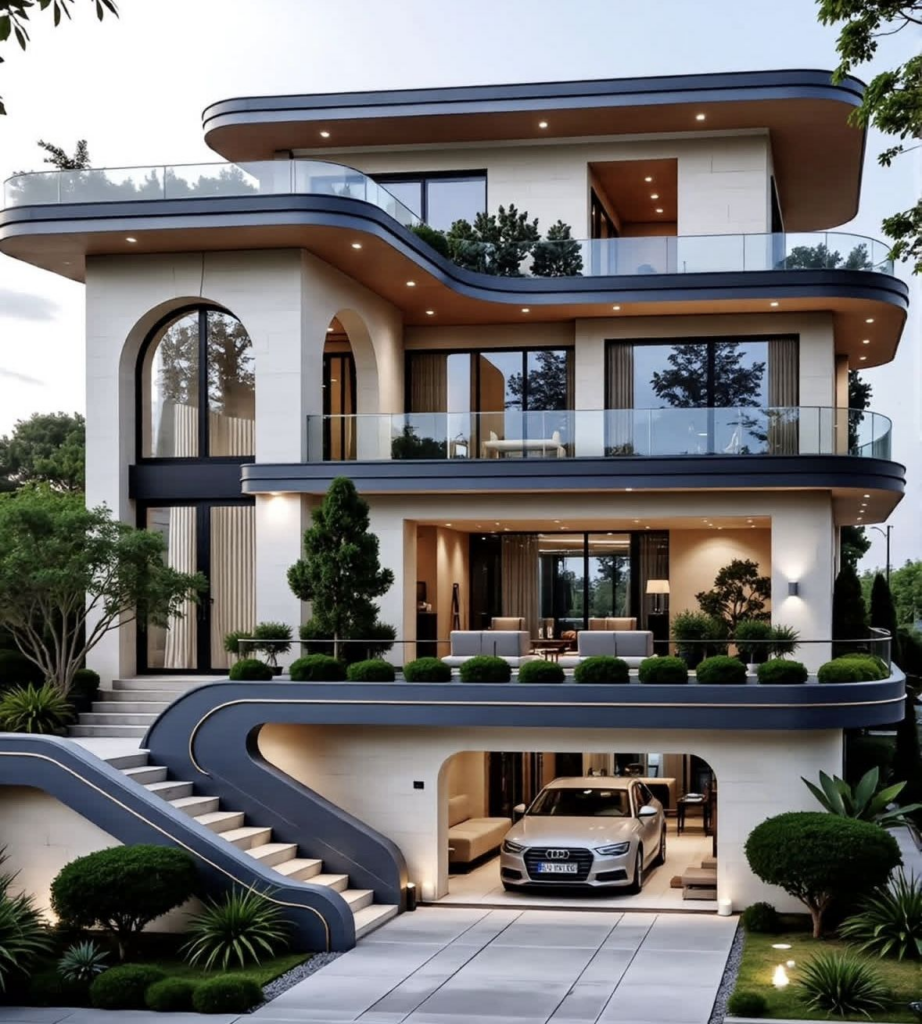
The increased space in a house, while a benefit, also comes with potential downsides. Furnishing and decorating a larger home can be more expensive than a smaller apartment. Moreover, depending on the lease agreement, renters of houses may be responsible for yard maintenance and other upkeep tasks, adding to their responsibilities and potential expenses. While furnished house rentals are available, they are less common than their apartment counterparts, and the responsibility for upkeep can be a significant factor for some.
Finally, the process of renting a house from an individual landlord might feel less formal than dealing with a large property management company. While this can sometimes lead to a more personal relationship, it also means that renters may need to be more diligent in ensuring all agreements, deposits, and lease terms are clearly documented in writing. Verbal agreements, while sometimes present, carry a higher risk of misunderstanding or dispute. This requires renters to be more proactive in protecting their interests.
Making the Right Choice: Aligning Your Rental Decision with Your Life
Ultimately, the decision between renting a house and renting an apartment is deeply personal. It hinges on your individual financial standing, your lifestyle preferences, and what you prioritize most in your living environment. A realistic rental budget is paramount. If financial constraints are a primary concern, apartments often present a more accessible entry point. Conversely, if you have the financial capacity and a strong desire for more space, privacy, and autonomy, a house rental may be the superior choice.
Consider the intangible aspects as well. Do you thrive on community interaction and the convenience of urban living, or do you prefer a quieter, more private existence with your own green space? Are you willing to trade some space for predictable maintenance and enhanced security, or do you crave the freedom to personalize your dwelling and enjoy your own outdoor oasis?
As you embark on your search for your next home, take the time to honestly assess your needs and desires. Explore the best rental properties in your target areas, whether you’re looking for apartments for rent in [City Name] or houses for rent near [Landmark/Neighborhood]. Understanding the pros and cons of each housing type, coupled with a clear financial picture, will empower you to make an informed decision that leads to a satisfying and comfortable living experience.
Don’t let the complexity of the rental market overwhelm you. By carefully considering these factors and seeking out expert advice, you can confidently navigate your options and find the perfect place to call home. Contact a local rental specialist today to discuss your specific needs and begin your search for the ideal house or apartment that fits your life.