
The Future of Urban Living: Embracing Biophilic Design in 2025 Apartment Construction
In an increasingly digitized and densely populated world, the quest for serenity, health, and a profound connection to the natural environment has never been more pressing. As we surge into 2025, the apartment construction landscape is witnessing a seismic shift, moving beyond mere functional living spaces towards environments that actively nurture human well-being. This paradigm change is encapsulated in the burgeoning trend of Biophilic Homes – an innovative approach that promises to redefine urban dwelling and offer a crucial antidote to the stresses of modern life. Having spent over a decade navigating the intricacies of property development and architectural innovation, I can confidently state that biophilic design is not just a passing fad; it is the definitive future of high-value, sustainable apartment living.
Understanding the Biophilic Revolution in 2025
At its core, biophilia, a term coined by E.O. Wilson, speaks to our innate human desire to connect with nature and other living systems. In the context of apartment construction, Biophilic Homes transcend simple green spaces; they are meticulously engineered environments where this connection is woven into every structural and aesthetic detail. This isn’t about slapping a few potted plants into a lobby; it’s about integrating natural patterns, light, air, and organic elements in a way that profoundly impacts residents’ physical and mental health.
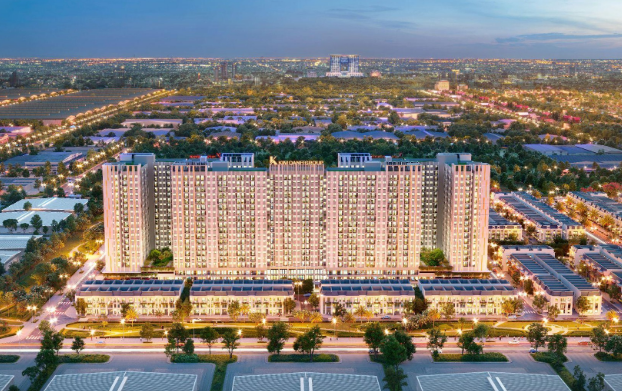
By 2025, the understanding of biophilia has matured, moving from a niche concept to a sought-after standard in the luxury eco-apartment market. Developers are realizing that simply providing shelter is no longer enough; the discerning urban dweller, increasingly aware of wellness and environmental impact, demands a home that contributes positively to their life. This deep integration of nature-inspired design principles is proving to be a powerful differentiator in a competitive market, transforming how we perceive and invest in urban residential spaces. These apartments are designed not just for living, but for flourishing, boosting everything from cognitive function to emotional stability, making them a cornerstone of the wellness real estate movement.
Signature Characteristics of 2025 Biophilic Apartment Design
The distinctive features of Biophilic Homes in 2025 go far beyond conventional green building. They represent a sophisticated blend of cutting-edge technology, sustainable practices, and a profound understanding of human psychology.
Dynamic Natural Light & Circadian Rhythms: Maximizing natural light remains paramount, but in 2025, this involves advanced, automated systems. Think dynamic glazing that adjusts opacity based on sunlight intensity, smart light shelves that reflect daylight deep into interior spaces, and intelligent lighting systems that mimic natural circadian rhythms. Large, floor-to-ceiling windows are standard, but they are complemented by meticulously placed skylights and atriums, ensuring abundant, ever-changing light, reducing reliance on artificial illumination, and improving occupant well-being. This focus is a key component of stress-reducing home design.
Integrated Living Green Systems: Greenery is not merely decorative; it’s an integral, functional component. Automated vertical gardens on exterior facades and within communal spaces are common, often incorporating native plant species to support local biodiversity. Private balconies and terraces frequently feature integrated planters and small-scale bioponic systems, allowing residents to cultivate herbs or small produce. Rooftop gardens serve as vibrant communal hubs, fostering community, providing ecological benefits, and offering tranquil retreats. Expect to see smart irrigation systems and sensors managing these living walls and gardens, ensuring effortless maintenance for both residents and building management.
Sustainable, Tactile, and Evocative Materials: The material palette for Biophilic Homes in 2025 leans heavily towards natural, sustainably sourced, and often locally procured options. This includes reclaimed wood, natural stone, bamboo, cork, and advanced biocomposites. There’s a strong emphasis on materials with inherent textures and patterns that evoke nature, engaging multiple senses. The move towards carbon-sequestering building materials and those with low volatile organic compound (VOC) emissions is critical, enhancing indoor air quality significantly. The choice of materials considers not just aesthetics but also their lifecycle impact, contributing to a truly eco-conscious housing solution.
Sensory-Rich Water Elements: Water features are integrated for both their aesthetic appeal and their calming sensory impact. Beyond decorative fountains, 2025 biophilic designs might include rainwater harvesting systems that feed into visually appealing greywater recycling features within courtyards or even small, contained living ponds within common areas. The sound of trickling water is intentionally incorporated to create a soothing auditory experience, further reducing urban noise pollution.
Seamless Indoor-Outdoor Transitions: The boundaries between interior and exterior spaces are increasingly blurred. Retractable glass walls and expansive sliding doors create fluidity between living rooms and private balconies or terraces, allowing residents to literally open their homes to the elements. Communal outdoor spaces are designed as extensions of indoor amenities, featuring comfortable seating, natural landscaping, and even outdoor kitchens, blurring the lines between private and shared, indoor and outdoor, and reinforcing the desired connection to nature.
Earthy Palettes and Biomorphic Forms: While not strictly limited, color schemes gravitate towards natural, earthy tones – greens, blues, browns, and muted grays – mirroring natural landscapes. More significantly, architects are incorporating biomorphic forms and fractal patterns in design elements, from facade textures to interior detailing, which research suggests is inherently pleasing to the human eye and mind. This subtle integration of natural geometry contributes to a sense of order and tranquility.
Urban Ecology and Biodiversity Integration: Moving beyond individual units, the entire development often becomes a micro-ecosystem. Features like bird-friendly glass, integrated nesting boxes for local bird species, pollinator gardens, and even small-scale urban wetlands or bioswales for stormwater management are common. This commitment to urban biodiversity not only enriches the living experience but also contributes positively to the local environment, making these developments true examples of regenerative design principles.
Smart Technology for Enhanced Biophilia: Far from being contradictory, smart home technology in 2025 plays a pivotal role in enhancing the biophilic experience. Automated plant care systems, smart climate controls optimized for natural ventilation, advanced indoor air quality solutions with integrated sensors, and even curated natural soundscapes can all be controlled via intuitive interfaces, making sustainable, nature-connected living effortless and enjoyable. This integration positions biophilic apartments as leading examples of smart home integration with nature.
Why Biophilic Homes are Dominating the 2025 Real Estate Market
The rise of Biophilic Homes is driven by a confluence of evolving consumer demands, environmental imperatives, and astute market foresight. For developers and investors, the trajectory is clear: this is where the market is heading.
Unparalleled Health and Well-being Benefits: The post-pandemic era has drastically heightened awareness around indoor air quality, mental health, and the profound impact of our immediate environment on our well-being. Biophilic design directly addresses these concerns. Studies consistently show that exposure to natural elements in living spaces leads to reduced stress, improved cognitive function, enhanced mood, and faster recovery rates. Residents of Biophilic Homes report higher levels of satisfaction and a stronger sense of peace, making these spaces prime examples of truly holistic home environments. This translates into lower tenant turnover and higher desirability.
Significant Environmental and Sustainability Credentials: In 2025, sustainability is not just a buzzword; it’s a regulatory necessity and a moral imperative. Biophilic Homes inherently align with the principles of eco-friendly living and green building market standards. Their design prioritizes energy efficiency, often incorporating solar panels, rainwater harvesting, and advanced insulation. The use of natural, recycled, and locally sourced materials, coupled with a focus on reduced carbon footprints and potentially even net-positive energy consumption, makes these developments highly attractive to environmentally conscious buyers and aligns with global efforts to combat climate change.
Substantial Increase in Property Value and ROI: The demand for premium, health-conscious, and environmentally responsible living spaces is escalating. Developers who invest in biophilic design are seeing substantial returns. These properties command higher price points, experience faster sales cycles, and benefit from strong long-term appreciation. As the market matures, Biophilic Homes are becoming a secure and profitable sustainable real estate investment, offering compelling ROI on sustainable properties due to their unique appeal and inherent resilience against market fluctuations.
A Deep Connection to Nature in an Urbanized World: As urban expansion continues globally, the disconnect from nature becomes more pronounced. People yearn for authentic natural experiences, and Biophilic Homes offer a powerful solution, bringing the outside in. They provide a daily dose of natural beauty and tranquility, serving as a sanctuary from the concrete jungle. This addresses a deep-seated psychological need, making these residences incredibly desirable for those seeking nature-infused urban living.
Superior Indoor Air Quality and Environmental Comfort: The emphasis on abundant indoor plants, advanced natural ventilation systems, and non-toxic building materials in Biophilic Homes directly translates to vastly superior indoor air quality. Plants act as natural air purifiers, filtering toxins, while thoughtful design ensures optimal humidity and thermal comfort. This focus on a clean, healthy internal environment is a critical selling point, particularly for families and individuals with health sensitivities, making improved air quality a tangible benefit.
The Indisputable Contrast: 2025 Biophilic vs. Conventional Apartments
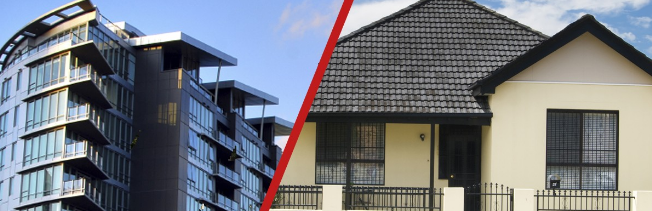
To truly grasp the transformative power of biophilic design, consider the stark contrast with conventional apartment offerings, even those built to modern standards, in 2025:
| Aspect | 2025 Conventional Apartment | 2025 Biophilic Home Apartment |
| :————————- | :———————————————————– | :————————————————————- |
| Natural Light | Adequate, but often relies on artificial light; limited variability. | Abundant, dynamic, circadian-responsive; smart light management. |
| Greenery Integration | Minimal, decorative indoor plants; basic landscaping. | Automated living walls, vertical farms, private garden spaces; integral to design. |
| Material Usage | Standard industrial materials; cost-driven choices. | Sustainable, natural, low-VOC; tactile, locally sourced, carbon-sequestering. |
| Connection to Nature | Primarily visual, through windows; incidental. | Multisensory, deeply integrated; active participation with nature. |
| Environmental Impact | Meets baseline regulations; focuses on efficiency. | Net-zero/positive potential; focus on circular economy, urban biodiversity. |
| Property Value Growth | Steady, market-dependent. | Accelerated growth, premium valuation; strong investor appeal. |
| Air Quality | Filtered air; potential for VOCs from materials. | Superior filtration, plant-based purification; minimal VOCs; active air quality monitoring. |
| Wellness Contribution | Indirect; functional. | Direct, intentional; promotes mental clarity, stress reduction, physical health. |
| Technological Role | Convenience and security. | Enhances natural systems; automates biophilic elements, optimizes comfort. |
Embrace the Biophilic Future Now
The trajectory of urban development is irrevocably set towards a greener, healthier, and more intrinsically human-centered approach. In 2025, Biophilic Homes are more than just a trending architectural style; they represent a fundamental re-evaluation of what a home should be. They are investments in our health, our environment, and our collective future.
For developers, ignoring this shift is to risk obsolescence. The demand for premium biophilic residences is only set to soar, driven by an increasingly informed and wellness-conscious populace. For investors, these properties represent not only ethical choices but also robust, high-performing assets in the burgeoning sustainable real estate investment sector. And for those seeking a place to call home, a Biophilic Apartment offers an unparalleled living experience – a serene sanctuary amidst the urban rush, a testament to living in harmony with the natural world.
Are you ready to be part of this transformative movement? Explore the potential of biophilic design and discover how these innovative spaces are not just building apartments, but cultivating richer, healthier, and more connected lives. Invest in the future of living; invest in biophilia.