Navigating Your Dream Home: Villa vs. Apartment in 2025
The year 2025 finds many Americans standing at a pivotal crossroads in their homeownership journey: the classic dilemma of choosing between a standalone villa and a contemporary apartment. This isn’t just about picking a property; it’s about selecting a lifestyle, aligning your financial future, and shaping your daily experiences for years to come. As a seasoned real estate professional with over a decade of experience, I’ve guided countless individuals and families through this very decision, and I can tell you there’s no universal “better” option. Instead, it’s about discovering what’s best for you in today’s dynamic market.

The housing landscape has evolved significantly. Hybrid work models, fluctuating interest rates, and a renewed emphasis on personal well-being are all influencing what buyers prioritize. Whether you’re a first-time homebuyer eager to lay down roots, a growing family seeking more space, or an empty-nester looking to downsize and simplify, understanding the core differences and long-term implications of villas versus apartments is paramount. This comprehensive guide will dissect every crucial factor, from space and amenities to location and long-term investment potential, empowering you to make an informed decision about your dream home in 2025.
Redefining Your Space: Unpacking the Footprint
When we talk about choosing between a villa and an apartment, the conversation inevitably begins with space. But it’s not just about square footage; it’s about how that space functions for your life.
The Allure of the Villa: Room to Breathe and Grow
Villas, or single-family homes as they’re often known in the U.S., traditionally offer expansive interiors and the coveted luxury of private outdoor spaces. In 2025, this often translates to several dedicated bedrooms, offering privacy for every family member, increasingly popular bonus rooms that can serve as home offices, media centers, or fitness zones, and spacious, open-concept living areas ideal for entertaining. Kitchens in modern villas are often sprawling, designed for gourmet cooking and family gatherings, while bathrooms provide spa-like retreats. Ample storage solutions, from walk-in closets to dedicated utility rooms and basements, are also common, addressing a perennial homeowner need.
Beyond the walls, the private outdoor space is a defining feature. This isn’t just a patch of grass; it’s a canvas for your lifestyle. Imagine a meticulously landscaped garden, perfect for weekend gardening projects, a spacious patio or deck for al fresco dining and summer barbecues, or even the potential to install a private swimming pool or hot tub for ultimate relaxation. For families, a private yard offers a safe and expansive play area for children and pets. This generous footprint provides a sense of autonomy and freedom that apartment living simply cannot match, allowing for significant customization and the pursuit of outdoor hobbies. However, with greater space comes greater responsibility, and understanding the ongoing commitment to maintenance is crucial.
The Efficiency of the Apartment: Compact Living, Maximized Convenience
Apartments, on the other hand, embrace a philosophy of efficient, compact living. They are designed to maximize every square foot, often featuring open-plan layouts that blend living, dining, and kitchen areas into a cohesive, functional space. While individual rooms might be smaller, the clever design often creates an illusion of grandeur and promotes a feeling of connectivity. For urban dwellers or those prioritizing low-maintenance living, this efficiency is a major draw.
The appeal of apartment living in 2025 is often rooted in its vertical nature and streamlined design. You might find innovative storage solutions, built-in shelving, and versatile furniture options that make the most of limited space. For individuals, couples, or small families, an apartment provides exactly what’s needed without the burden of managing excess space. The focus shifts from expansive private areas to meticulously designed shared environments that offer convenience and often a vibrant social scene. The trade-off for less private space is typically a reduction in personal upkeep time and often, a prime location that puts you at the heart of the action.
Beyond the Walls: Amenities and Lifestyle
The choice between a villa and an apartment is heavily influenced by the amenities each offers and the lifestyle they facilitate. In 2025, modern living demands more than just four walls and a roof; it calls for a holistic environment that supports your well-being, productivity, and social life.
Villa Luxuries: Private Havens and Personal Control
Villas traditionally boast exclusive amenities that cater to a desire for privacy and bespoke experiences. While not all villas come with private pools, those that do offer an unparalleled luxury, transforming your backyard into a personal resort. Beyond pools, custom-designed gardens with elaborate landscaping, outdoor kitchens, and dedicated entertainment zones like fire pits or home theaters are common. The true “amenity” of a villa is often the freedom to create these spaces exactly as you envision them, without the constraints of HOA rules or shared schedules.
Smart home technology has become a standard expectation in 2025, and villas offer the ultimate playground for integration. From automated climate control and intelligent lighting systems to sophisticated security setups and integrated entertainment, homeowners have complete control over their environment. The security of a villa, while often requiring individual investment (alarms, cameras, gated drives), provides a powerful sense of personal control and peace of mind. For those within gated villa communities, additional shared amenities like private parks, community sports courts, or even a community club house can bridge the gap between private and shared, offering a blend of both worlds.
Apartment Conveniences: Shared Opulence and Community Connection
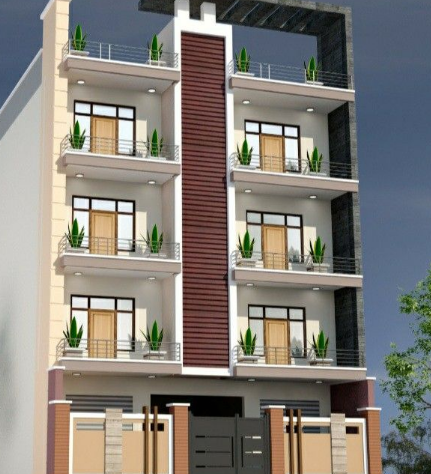
Apartment living in 2025 is characterized by access to an array of high-end, shared amenities that would be prohibitively expensive for most individuals to own privately. Modern apartment complexes are often likened to luxury hotels, offering state-of-the-art fitness centers with personal trainers, lavish rooftop lounges with panoramic city views, sparkling community pools often with dedicated lap lanes and sun decks, and vibrant co-working spaces equipped with high-speed internet – a boon for the hybrid workforce. Many also feature pet parks, children’s play areas, concierge services for package handling and bookings, and even on-site dry cleaning or grocery delivery services.
The sense of community in apartments is a significant draw. Residents often enjoy organized social events, fostering connections and creating a built-in support network. Security is typically robust, with controlled access, security personnel, and surveillance systems providing a high level of safety and convenience. While these shared amenities come with monthly HOA (Homeowners Association) fees, they often cover not just the upkeep of these facilities but also building maintenance, waste removal, and sometimes even basic utilities, simplifying budgeting and reducing personal responsibility for these aspects. The trade-off is often adhering to community rules and sharing facilities with other residents.
The Geography of Choice: Location, Location, Location
The adage “location, location, location” rings truer than ever in 2025, and it’s a primary differentiator between villas and apartments. Your address dictates your daily commute, your access to services, and the overall rhythm of your life.
Villas: Serenity in the Suburbs and Beyond
Villas are typically found in more expansive, serene settings – often in the suburbs, exurbs, or even rural areas surrounding major metropolitan hubs. This geographical placement allows for larger lot sizes, less dense populations, and a greater connection to nature. For many, this offers a peaceful retreat from the hustle and bustle, providing quieter streets, better air quality, and often, highly-rated public school districts. The appeal of a larger yard, more privacy, and a sense of community that feels more traditional is a powerful draw for families and those seeking a slower pace of life.
However, choosing a villa in the outskirts often means a greater reliance on personal vehicles. Commutes to city centers for work or entertainment can be longer, and public transportation options might be limited or nonexistent. Access to diverse dining, cultural events, and specialized medical facilities might also require a drive. The trade-off for space and tranquility is often a greater commitment to driving and potentially less spontaneous access to urban conveniences. The rise of remote work in 2025 has somewhat mitigated the commute factor for many, making these tranquil locations even more attractive.
Apartments: Urban Pulse and Unrivaled Convenience
Apartments are strategically situated for prime access – in bustling urban centers, vibrant downtown districts, or highly desirable, amenity-rich neighborhoods. The primary advantage here is unparalleled convenience. Imagine being within walking distance of your office, acclaimed restaurants, eclectic boutiques, cultural institutions, and public transportation hubs. This proximity liberates you from long commutes and the constant need for a car, fostering a lifestyle of walkability and spontaneous exploration.
For young professionals, empty-nesters, or anyone who thrives on the energy of city life, apartments offer an unbeatable proposition. They provide immediate access to diverse employment opportunities, a vibrant social scene, and a constant influx of new experiences. However, this prime location comes with its own set of trade-offs. You might experience higher population density, more noise, and certainly a smaller personal footprint for your home. Parking can be a challenge and expensive, even within dedicated garages. The price per square foot in these highly coveted urban zones is typically significantly higher than in suburban villa markets, making efficient use of space even more critical.
The Financial Landscape: Budgeting for Your Future
Making a home purchase is one of the most significant financial decisions you’ll ever undertake. Understanding the full cost implications, both upfront and long-term, is crucial when weighing a villa against an apartment. The real estate market in 2025 presents unique challenges and opportunities, making careful budgeting more important than ever.
Villas: The Investment in Autonomy
Villas generally represent a larger initial investment due to the cost of land, construction, and often the sheer size of the property. This higher purchase price means a larger down payment and potentially higher monthly mortgage payments, especially with fluctuating interest rates in 2025. Beyond the sticker price, ongoing costs are significant. Property taxes, which can be substantial, are calculated based on the assessed value of the land and structures. Utilities (electricity, gas, water, internet) will typically be higher due for a larger footprint.
The most substantial long-term financial commitment for villa owners is maintenance and upkeep. You are solely responsible for the roof, foundation, HVAC systems, plumbing, electrical, exterior paint, landscaping, and any private amenities like a pool. This requires either significant DIY time and skill or regular outlays for professional services. Unexpected repairs, like a new roof or a major appliance replacement, can be costly. However, villas often offer greater potential for property value appreciation, particularly in desirable areas, and the ability to build significant home equity over time. Furthermore, the absence of HOA fees (unless in a specific gated community) means more control over your monthly expenditures and no communal rules dictating how you use your property.
Apartments: The Cost of Shared Convenience
Apartments typically offer a more budget-friendly entry point into homeownership, especially in prime urban locations where buying a villa might be financially out of reach. While the price per square foot can be higher in desirable areas, the overall purchase price is generally lower, requiring a smaller down payment and potentially more manageable monthly mortgage payments.
The critical financial consideration for apartment owners is the monthly HOA (Homeowners Association) fee. While this is an additional expense, it often covers a multitude of costs that villa owners pay individually: exterior maintenance, roof repairs, landscaping of common areas, building insurance, security, and the upkeep of all shared amenities (gym, pool, lounge, etc.). Some HOA fees even include certain utilities like water or trash removal. This predictability can be a major advantage for budgeting. However, HOA fees can increase, and owners have less control over these increases.
Property taxes on apartments, while still a factor, might be lower than those on a comparable villa. Insurance (an HO6 policy for interior coverage) is also required. Utilities, due to the smaller footprint and shared walls, are generally lower than those for a villa. While apartments may not always appreciate as rapidly as single-family homes in all markets, they offer a solid investment, particularly in appreciating urban centers, and provide an excellent opportunity to build equity without the demanding financial and time commitment of external maintenance.
Charting Your Course: Making the Decision in 2025
Choosing between a villa and an apartment is a deeply personal decision that should be rooted in a thorough self-assessment of your current lifestyle, future aspirations, and financial realities. There’s no one-size-fits-all answer, but by asking yourself the right questions, you can navigate this choice with clarity.
Lifestyle Assessment: What’s Your Daily Rhythm?
Privacy vs. Community: Do you crave solitude and a private outdoor sanctuary, or do you thrive on the energy of shared spaces and community interaction?
Maintenance Tolerance: Are you a DIY enthusiast who enjoys yard work and home repairs, or do you prefer a hands-off approach to property maintenance?
Social Scene: Do you envision quiet evenings at home, or do you desire immediate access to bustling nightlife, diverse dining, and cultural events?
Pets & Children: Do you have pets or children who would benefit from a private yard, or are shared pet parks and community playgrounds sufficient?
Future Planning: Where Are You Headed?
Long-Term vs. Short-Term: Is this a “forever home” where you plan to settle down, or a stepping stone property that you anticipate selling in a few years?
Family Growth: Are you planning to expand your family, necessitating more bedrooms and play areas?
Retirement: Are you nearing retirement and looking to downsize and simplify, or do you seek a space that can accommodate aging in place?
Investment Goals: Is your primary goal maximizing property appreciation, or is it achieving a desired lifestyle with manageable costs?
Financial Realities: How Does It Impact Your Budget?
Upfront Costs: How much can you comfortably afford for a down payment, closing costs, and initial furnishing?
Ongoing Expenses: What are your comfort levels with monthly mortgage payments, property taxes, insurance, utilities, and either maintenance costs (villa) or HOA fees (apartment)?
Equity Building: Are you prioritizing rapid equity growth, or is a stable investment in a prime location more appealing?
Additional Considerations in 2025:
Work-Life Balance: With the prevalence of hybrid work, how important is a dedicated home office, and how does your commute factor into your daily happiness?
Sustainability: Are you concerned with your environmental footprint? Apartments often have a smaller carbon footprint due to shared resources and density.
Customization: How important is the ability to renovate and personalize your living space? Villas offer more flexibility in this regard.
The Emerging Middle Ground: Townhomes and Condos
It’s worth noting that the market in 2025 also offers excellent “hybrid” options that bridge the gap between villas and apartments. Townhouses provide multi-story living with private entrances and often a small private yard or patio, offering more space than an apartment but less external maintenance than a traditional villa. Condominiums typically offer apartment-style living but with individual ownership of the unit and a share of common areas, managed by an HOA, combining apartment conveniences with a homeowner’s stake. These can be ideal for those who find themselves torn between the two extremes.
Conclusion: Your Home, Your Choice
In 2025, the debate between a villa and an apartment is less about which is inherently superior, and more about which aligns perfectly with your personal narrative. Both offer distinct advantages and a unique set of trade-offs. The spacious elegance, privacy, and customization potential of a villa appeal to those seeking autonomy and room to grow, often at the cost of higher maintenance and suburban reliance. The convenience, shared luxury amenities, and vibrant urban connectivity of an apartment attract those who prioritize low-maintenance living and immediate access to city life, often with shared rules and less private space.
Armed with a deeper understanding of space needs, amenity offerings, location implications, and financial considerations, you are now well-equipped to embark on your home-buying journey. Take the time to envision your ideal day-to-day life, assess your long-term goals, and crunch the numbers thoroughly. Whether you choose the sprawling tranquility of a standalone home or the dynamic efficiency of an urban apartment, the right decision for you is the one that brings joy, comfort, and a profound sense of belonging. Happy home hunting!