
The American Dream Home: Villa or Apartment in 2025? Your Definitive Guide
Welcome to the thrilling, sometimes overwhelming, journey of finding your perfect home in 2025. For many aspiring American homeowners, the core dilemma remains: do you envision life within the expansive embrace of a villa, or does the streamlined efficiency of an apartment call to you? This isn’t just about choosing a structure; it’s about defining a lifestyle, an investment, and a future. As a seasoned expert in the real estate market, with over a decade of guiding individuals and families through this pivotal decision, I’ve seen the landscape evolve dramatically. In today’s dynamic market, influenced by shifting work trends, evolving family needs, and a keen eye on financial health, this choice is more nuanced than ever.
This comprehensive guide is designed to cut through the noise, offering you the insights needed to navigate the villa versus apartment debate with confidence. We’ll delve deep into the practicalities, the financial implications, and the lifestyle considerations that define each option, ensuring you’re well-equipped to make an informed decision for your unique American dream.
The Evolving American Dream: Contextualizing Your Home Search in 2025
The concept of homeownership in America has undergone significant transformations. What once was a clear path to a single-family house with a white picket fence has diversified. In 2025, factors like remote work flexibility, a renewed focus on community, sustainability concerns, and the relentless march of technological integration are reshaping what people look for in a living space. The “great resignation” led to the “great relocation,” with many seeking more space, better value, or a different pace of life. This means your choice between a villa and an apartment isn’t just about personal preference; it’s about aligning with broader societal shifts and understanding how these impact your long-term satisfaction and property investment potential.
Chapter 1: The Space Equation – Where Do You Truly Belong?
When considering a villa versus an apartment, space is often the first and most immediate differentiator. But it’s not merely about square footage; it’s about how that space functions within your daily life, your future aspirations, and your need for privacy.
The Allure of the Villa: Room to Breathe and Grow
A villa, typically a detached single-family home or a semi-detached property with its own land, offers unparalleled living space. Picture sprawling interiors, multiple bedrooms and bathrooms, dedicated home offices – a crucial feature for many in 2025’s hybrid work environment – and often, a generous private yard. This outdoor sanctuary can host anything from a thriving garden to a children’s play area, or even a private pool, offering a true escape.
Generous Living: Villas are designed for expansion. Families with children, or those planning to grow, find the multi-room layouts ideal. There’s space for everyone to have their own retreat, reducing friction and enhancing family harmony. Dedicated spaces for hobbies, entertainment, and guest accommodations are standard.
Outdoor Freedom: The private yard is a game-changer. It offers the freedom to personalize your outdoor experience, host barbecues, let pets roam freely, or simply enjoy a quiet morning coffee amidst nature. This direct access to green space has become a priority for many homeowners, especially post-pandemic.
Privacy and Autonomy: One of the most significant advantages of a villa is the heightened sense of privacy. You’re not sharing walls, ceilings, or floors with immediate neighbors. This autonomy extends to renovations, landscaping, and generally living life on your own terms, without the constraints of shared community rules on aesthetic modifications (beyond city ordinances).
Storage Solutions: From basements and attics to dedicated utility rooms and garages, villas typically offer abundant storage. This is invaluable for families, collectors, or anyone who simply appreciates having designated space for seasonal items, sports equipment, or bulk purchases.
The Practicality of the Apartment: Efficient, Modern, and Urban-Ready
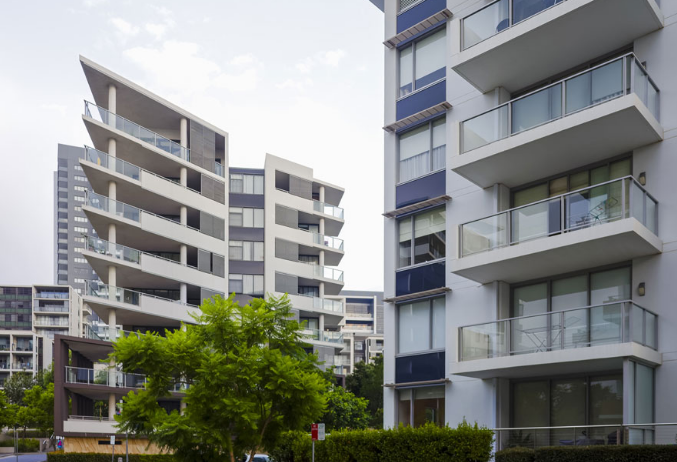
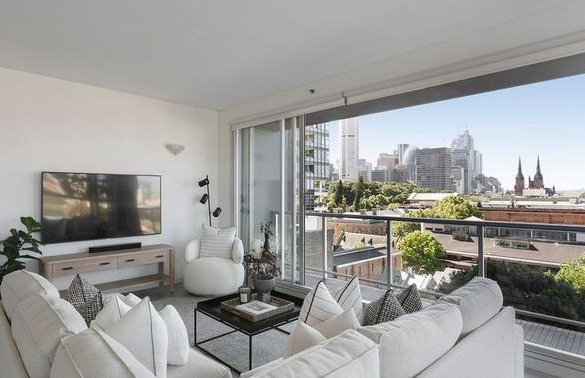
Apartments, on the other hand, embrace a more compact and efficient living model. Often situated within multi-unit buildings, they range from cozy studios to multi-bedroom penthouses. The emphasis here is on maximizing livable space within a smaller footprint, often leveraging verticality.
Streamlined Living: Apartment layouts are designed for efficiency. Every square foot is typically optimized, making them ideal for individuals, couples, or small families who value a minimalist approach or simply don’t need excessive space.
Low Maintenance: A major draw for apartment living is the significantly reduced maintenance burden. Exterior upkeep, landscaping, roof repairs – these responsibilities generally fall to the building management or homeowners’ association (HOA). This frees up personal time and reduces unexpected costs, making it particularly appealing to busy professionals, frequent travelers, or those seeking a “lock-and-leave” lifestyle.
Urban Integration: Apartments are often found in the heart of cities or vibrant mixed-use developments. This means immediate access to cultural attractions, dining, entertainment, and employment hubs. For those who thrive on urban energy and convenience, an apartment puts you right in the center of the action.
Smart Living and Connectivity: Many modern apartments are built with smart home technology integrated from the start, offering seamless control over lighting, climate, and security. Their compact nature often makes them more energy-efficient, aligning with contemporary sustainability goals.
Making Your Space Decision: Consider your current needs, your five-year plan, and how much “stuff” you truly need or want to manage. Are you a minimalist, or do you collect treasures? Do you dream of gardening, or does the thought of mowing a lawn fill you with dread? Your answer to the “space equation” is deeply personal.
Chapter 2: Amenities and Lifestyle – Beyond Four Walls
Beyond the confines of your immediate living space, the amenities available profoundly shape your daily life and leisure. This is where the villa and apartment models diverge significantly, offering distinctly different lifestyle propositions.
Villa Amenities: Private Luxuries and Personal Customization
With a villa, the amenities are largely what you create and maintain yourself. This translates into ultimate personalization and exclusive use.
Private Retreats: Envision your own backyard oasis – a sparkling private swimming pool for year-round enjoyment, a sophisticated outdoor kitchen perfect for entertaining, or meticulously landscaped gardens offering serene beauty and privacy. These are not shared; they are yours alone to design, enjoy, and maintain.
Customization is Key: If you have specific architectural tastes or design preferences, a villa offers the canvas. You can undertake significant renovations, add extensions, or implement advanced smart home technology without needing approval from a board. This level of control allows you to tailor your home to your exact vision.
Hobby-Centric Spaces: Many villas come with dedicated spaces like workshops, home gyms, art studios, or elaborate media rooms. These allow you to pursue your passions directly within your home, eliminating the need for external memberships or rentals.
Apartment Amenities: Shared Luxury and Community Connection
Apartments, particularly those in modern developments and condo living communities, excel in offering a curated suite of shared amenities that often rival luxury resorts. The key here is shared access to high-end facilities at a fraction of the cost of owning them privately.
Resort-Style Living: Many apartment complexes boast impressive amenity packages: state-of-the-art fitness centers with personal trainers, sparkling swimming pools (often with cabanas and lounge areas), clubhouses for social gatherings, co-working spaces catering to remote professionals, and even private screening rooms or game lounges.
Built-in Community: Shared amenities foster a natural sense of community. You’ll often encounter neighbors at the gym, by the pool, or at resident events organized by the building. For those seeking social interaction and a ready-made network, this can be a significant advantage.
Convenience and Security: Many apartment buildings offer concierge services, secure package delivery rooms, and sophisticated security systems, providing peace of mind and convenience. Some even include pet-walking services or on-site dry cleaning.
Maintenance-Free Enjoyment: The best part? Someone else manages the upkeep of these fantastic amenities. You get to enjoy the benefits without the burden of cleaning the pool, maintaining the gym equipment, or landscaping the common areas.
Lifestyle Choice: Are you a highly private individual who prefers solitary pursuits and complete control over your environment, even if it means more personal responsibility? Or do you thrive on social interaction, appreciate access to premium facilities without the ownership hassle, and enjoy the convenience of professional management? Your answer will illuminate which amenity model best fits your ideal lifestyle.
Chapter 3: Location, Location, Lifestyle – Your Neighborhood Narrative
The adage “location, location, location” holds undeniable truth in real estate. Your choice between a villa and an apartment is profoundly intertwined with where you want to live and the kind of daily life you envision.
Villa Locations: Suburban Serenity and Expansive Landscapes
Villas are predominantly found in suburban or exurban areas, offering a distinct advantage for those prioritizing space, quiet, and a family-oriented environment.
Peaceful Retreats: These locations typically offer lower population density, less traffic noise, and more green spaces. They provide a tranquil escape from the urban hustle, ideal for relaxation and mental well-being.
Family-Centric Environment: Suburban areas often boast highly-rated public school districts, numerous parks, and community sports leagues, making them attractive to families with children. The slower pace and sense of community are often emphasized.
Potential for Appreciation: While often further from central business districts, well-located suburban villas, especially those with good school systems and amenities, can demonstrate strong property valuation and appreciation over time, making them solid investment properties.
Access to Nature: Many villa communities are near nature preserves, hiking trails, and open spaces, providing ample opportunities for outdoor recreation and a connection to the natural world.
Apartment Locations: Urban Vibrancy and Unmatched Convenience
Apartments, conversely, dominate the landscape of bustling city centers, vibrant downtowns, and increasingly, planned urban development hubs.
Walkability and Accessibility: Living in an apartment often means you’re within walking distance of work, public transportation, diverse dining options, cultural venues, and shopping. This reduces reliance on a car, saves on commute times, and promotes an active lifestyle.
Cultural and Social Hubs: Urban locations are hotbeds of activity. You’re minutes away from theaters, museums, art galleries, live music venues, and a diverse culinary scene. For those who thrive on constant stimulation and social opportunities, an apartment places you at the heart of it all.
Career Opportunities: Being in close proximity to major business districts and innovation hubs can be a significant advantage for career growth and networking. The short commute is a definite bonus.
Dynamic Lifestyle: The energy of city living offers a dynamic and ever-changing environment. There’s always something new to explore, a different event to attend, or a hidden gem to discover.
Your Location, Your Life: Consider your daily commute, your social preferences, and your priorities. Do you crave the quiet solitude of a spacious suburban yard, or do you long for the energy and convenience of a prime real estate city address? Think about the trade-offs – longer commutes for more space, or less space for unparalleled access.
Chapter 4: The Financial Framework – Investing in Your Future
The financial implications are paramount when deciding between a villa and an apartment. It’s not just about the sticker price; it’s about understanding the comprehensive costs of ownership, potential for appreciation, and mortgage rates in 2025.
The Financial Reality of a Villa
Villas generally represent a larger initial investment due to their size, land ownership, and construction costs. However, the long-term financial picture can be quite robust.
Higher Purchase Price: On average, villas command a higher purchase price compared to apartments in comparable locations. This means a larger down payment and potentially a larger home loan.
Significant Ongoing Costs:
Property Taxes: As the sole owner of land and structure, you bear the full burden of property taxes, which can be substantial and vary significantly by state and locality.
Utilities: Heating, cooling, electricity, and water bills are typically higher for larger homes.
Insurance: Homeowners insurance for a detached villa is crucial and can be more expensive than condo insurance.
Maintenance & Repairs: This is a major factor. You are solely responsible for all maintenance, from roof repairs and HVAC systems to plumbing, electrical, and landscaping. This requires either significant DIY effort, budgeting for professional services, or both. A good rule of thumb is to budget 1-3% of the home’s value annually for maintenance.
Appreciation Potential: Villas, particularly in desirable suburban homes locations with good school districts, have historically shown strong appreciation, making them excellent long-term investment properties. The land component is a significant asset that tends to appreciate.
Greater Equity Building: With a larger asset and potentially higher appreciation, villas often build equity more rapidly, contributing significantly to your overall net worth.
The Financial Reality of an Apartment
Apartments often present a more accessible entry point into homeownership, with a different structure of ongoing costs.
More Accessible Purchase Price: Generally, apartments, particularly for first-time home buyers, offer a more budget-friendly option regarding initial purchase price and down payment.
Structured Ongoing Costs:
Mortgage Rates: While the overall loan amount might be smaller, always consider current mortgage rates for any property.
HOA Fees: This is the primary ongoing cost unique to apartments (and some villa communities). HOA fees cover the maintenance of common areas, building insurance, amenities, and often some utilities. While seemingly high, they budget for many expenses a villa owner pays out-of-pocket, like exterior repairs, landscaping, and sometimes even trash removal or water.
Property Taxes: You still pay property taxes, but they are typically based on the apartment unit’s value rather than the entire land parcel.
Utilities: Generally lower than villas due to smaller space and shared walls.
Insurance: Often less expensive as it covers the interior, with the HOA covering the building’s exterior.
Predictable Budgeting: With HOA fees consolidating many expenses, apartment living can offer more predictable monthly costs, making budgeting simpler.
Appreciation Potential: Apartments can also appreciate, especially in growing urban apartments markets or areas undergoing revitalization. However, the land component is shared, which can sometimes lead to different appreciation patterns compared to detached homes.
Less Maintenance Burden: The biggest financial relief for apartment owners is the significantly reduced personal maintenance costs, allowing for more predictable expenses and fewer unexpected large bills.
Navigating the Numbers: It’s crucial to look beyond the listing price. Work with a trusted real estate agent and a financial advisor to calculate the true cost of ownership for both options, considering home loans, closing costs, and ongoing expenses. Understand how current mortgage rates will impact your monthly payments for each scenario.
Chapter 5: Making the Match – Aligning Your Vision with Reality
The decision between a villa and an apartment is ultimately a deeply personal one, a confluence of your aspirations, practical needs, and financial realities. There’s no single “better” option; there’s only the right fit for you in 2025.
Self-Assessment: What Truly Drives Your Decision?
Take time for honest introspection. Ask yourself:
What is my long-term vision? Am I planning to start a family, or am I embracing a dynamic, unencumbered lifestyle?
How much personal space do I truly need? Do I crave expansive rooms and a private yard, or do I prefer efficient living with access to shared amenities?
What is my tolerance for maintenance? Am I a keen DIYer, or do I prefer to outsource household chores?
What kind of community do I desire? Do I want a quiet, suburban neighborhood, or the bustling energy of an urban center?
What is my financial comfort zone? How much am I willing to spend on a down payment, monthly mortgage, and ongoing costs like property taxes and HOA fees?
How important is privacy versus community?
What are my priorities for leisure and recreation?
Long-Term vs. Short-Term Flexibility:
Consider how long you plan to stay in this home. An apartment might offer greater flexibility for shorter-term residency or for those who anticipate relocating for career opportunities. Villas, while a larger commitment, often provide more stability and a stronger sense of permanence for those planting roots. The resale value and ease of selling can also play a role, depending on the market and location.
The Role of a Real Estate Agent:
Navigating the 2025 housing market requires expertise. A seasoned real estate agent can be an invaluable partner. They can help you:
Identify properties that align with your budget and preferences.
Provide detailed market insights, including property valuation trends for different types of homes.
Negotiate effectively.
Connect you with trusted lenders for home loans and other professionals.
Help you understand the nuances of local zoning, HOAs, and property regulations.
Future Trends to Consider:
As you make your decision, keep an eye on emerging trends:
Sustainability: Both villas and apartments are increasingly incorporating eco-friendly designs and smart energy solutions.
Flexibility: The demand for multi-functional spaces (e.g., home offices that convert to guest rooms) will continue to grow.
Technology Integration: Smart homes are no longer a luxury but an expectation for many.
Wellness: Access to green spaces, fitness facilities, and environments that promote mental well-being are rising in importance.
Conclusion
The “villa vs. apartment” debate isn’t a simple binary choice, but rather a spectrum of possibilities, each offering distinct advantages and trade-offs. In 2025, whether you lean towards the expansive privacy and customization of a villa or the efficient, amenity-rich, and community-focused lifestyle of an apartment, the key is self-awareness and thorough research.
Your ultimate American dream home awaits. By meticulously evaluating your space requirements, desired amenities, ideal location, and comprehensive financial picture, you can confidently embark on this exciting journey. Armed with the insights from this guide and the guidance of experienced professionals, you are well-prepared to make a decision that not only suits your current needs but also enriches your life for years to come. Happy home hunting!