
Unlocking Your Home’s True Value: A 2025 Guide to Understanding Real Estate Square Footage
In the bustling real estate market of 2025, where technology seamlessly integrates with property searches and virtual tours are the norm, one fundamental element remains paramount: understanding a home’s actual size. While digital tools offer unprecedented access to listings, the numbers defining a property’s square footage can still be shrouded in ambiguity. As an expert with a decade of experience navigating complex property metrics, I’ve seen firsthand how misconceptions about space can lead to costly mistakes, missed opportunities, and profound buyer’s remorse.
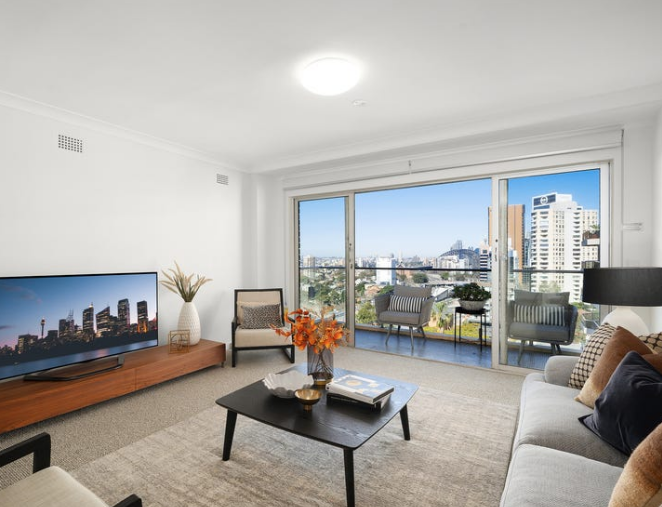
Buying a home, whether it’s your first starter house, a luxury condominium, or an investment property, is arguably the most significant financial decision many Americans make. Beyond the aesthetics and the neighborhood vibe, the tangible square footage of a property directly impacts its valuation, property taxes, insurance premiums, and ultimately, your daily living experience. In an era where every dollar counts, a clear grasp of what those square footage numbers truly represent isn’t just helpful; it’s absolutely essential for making informed decisions and ensuring you get the best value for your hard-earned money.
This comprehensive guide aims to demystify the various ways square footage is measured and presented in the United States. We’ll delve into the nuances of “usable living space,” “gross living area,” and the sometimes-confusing world of condominium and multi-family property measurements. Our goal is to equip you with the knowledge to confidently evaluate properties, ask the right questions, and secure a home that perfectly aligns with your needs and financial goals.
Beyond the Listing: Deconstructing Square Footage Definitions
When you browse real estate listings, the single “square footage” number presented often seems straightforward. However, this seemingly simple figure can be calculated in multiple ways, each with its own inclusions and exclusions. Understanding these different methodologies is crucial for an accurate assessment of any property.
Usable Living Space (Net Square Footage)
Imagine the space where you actually live, where your furniture sits, and where you walk around daily. This is what we refer to as usable living space or net square footage. It’s the most intuitive measure of a home’s functional area.
What it includes:
The interior area of your home, measured from the inside surfaces of the exterior walls.
All heated and cooled rooms, including bedrooms, living rooms, kitchens, bathrooms, and hallways.
What it typically excludes:
The thickness of interior and exterior walls.
Garages (even if attached).
Unfinished basements or attics.
Outdoor spaces like patios, decks, or unenclosed balconies.
Common areas in multi-family buildings (lobbies, stairwells, shared amenities).
Think of usable living space as your personal domain, the area truly at your disposal. While not always explicitly listed, understanding this concept allows you to mentally “carve out” your functional space from broader measurements. This perspective is incredibly valuable, especially when you’re comparing homes and thinking about how your current furniture or lifestyle will fit.
Gross Living Area (GLA): The Appraisal Standard
For most detached single-family homes in the U.S., the most commonly accepted and appraised measurement is the Gross Living Area (GLA). This is the figure that appraisers typically use to determine a property’s value, and it’s often the primary number you’ll see on public records and during a home appraisal.
What it includes:
The total finished, heated, and above-grade square footage of a residential structure.
Measured from the exterior faces of the building.
Includes all living areas on all levels that are considered above grade. This means if a level has any portion of its floor below ground level, it generally won’t be counted in GLA unless specific criteria (like walk-out basements) are met and local standards permit.

Stairwells and closet areas are typically included.
What it typically excludes:
Basements, even if finished, are generally not included in GLA by appraisers, though they are considered in the overall “total finished area” and contribute to value.
Garages (attached or detached).
Unfinished attic spaces.
Unenclosed porches, patios, or decks.
Areas that are not heated or are not considered “finished” according to local standards (e.g., exposed studs, concrete floors).
The key takeaway for GLA is “finished, heated, and above-grade.” This standardization helps ensure consistency across appraisals, which is vital for mortgage lenders and accurate property valuation. When you see a “square footage” number for a detached home, it most likely refers to GLA.
Total Under Roof / Total Finished Area
While GLA is critical, other terms can describe a property’s overall footprint. Total Under Roof usually encompasses all covered areas, including garages, enclosed porches, and even unheated storage areas, providing a very broad estimate of the building’s physical size.
Total Finished Area, on the other hand, is a broader measure than GLA because it does include finished basements and finished attic spaces, provided they meet certain ceiling height and finish quality criteria. While these areas don’t factor into GLA for most appraisals, they undeniably add significant usable space and value to a home. When comparing home sizes, always clarify if basements or attics are included in the advertised “finished area.”
Condominiums and Multi-Family Units: A Different Calculus
The measurement of square footage in condominium units and other multi-family dwellings introduces another layer of complexity. Here, you’re not just buying the space within your unit’s walls; you’re often buying a share of the common elements of the building.
Unit Square Footage: For condos, the advertised square footage typically refers to the space within the boundaries of your individual unit. This is often measured from the center line of shared walls and the exterior of outer walls, or from the inside paint-to-paint. It generally includes internal walls, and sometimes enclosed, private balconies or terraces if they are an integral part of the heated living space.
Common Elements: Unlike detached homes, condo owners also acquire an undivided percentage interest in the building’s common elements. These include:
Lobbies, hallways, stairwells, and elevators.
Shared recreational facilities (pools, gyms, clubhouses).
Landscaped areas and parking structures.
Building infrastructure (roof, exterior walls, foundations, mechanical systems).
The cost of maintaining these common elements is covered by HOA fees, which every unit owner pays. While these common areas aren’t added to your unit’s individual square footage, they significantly contribute to the overall lifestyle, amenities, and therefore, the value proposition of the property. When evaluating a condo, it’s crucial to consider not just the unit’s square footage but also the quality and extent of the common amenities and the associated HOA costs. A larger overall building footprint with extensive amenities might translate to higher HOA fees, even for a smaller individual unit.
Why Do These Distinctions Matter So Much?
Understanding these diverse ways of measuring space isn’t just academic; it has profound practical and financial implications throughout your entire real estate journey.
Property Valuation and Price: The most direct impact. Developers and sellers might advertise the most expansive number possible, which could include non-livable areas. Appraisers, however, stick to GLA for detached homes, directly affecting the loan amount and what a lender is willing to finance. If a seller is pricing a home based on “total finished area” (including a finished basement), but the appraisal for your mortgage only considers the “gross living area” (above grade), there could be a significant discrepancy that impacts your financing and perceived value. For real estate investment, accurate valuation is paramount for calculating returns.
Property Taxes: Local tax assessors often rely on square footage measurements to determine a property’s assessed value, which in turn dictates your annual property taxes. Inconsistent or inaccurate measurements can lead to unfair tax burdens. Understanding how your local assessor calculates area can help you challenge an assessment if necessary.
Insurance Costs: Homeowner’s insurance premiums can be influenced by the total square footage, as larger homes generally cost more to rebuild. Accurate measurements ensure you’re neither over-insuring nor under-insuring your asset.
Loan Underwriting: Mortgage lenders rely heavily on appraisals. An appraisal that identifies discrepancies in square footage compared to the listing can delay or even jeopardize your loan approval. Knowing the different definitions empowers you to scrutinize appraisal reports and understand their implications for your mortgage.
Resale Value and Comparability: When it comes time to sell, your home will be compared to others (comps) in the area. Consistent and accurate square footage data ensures your property is valued fairly against comparable sales. Inconsistent measurement can make comparing home sizes difficult for prospective buyers, potentially impacting your property’s marketability.
Lifestyle and Functionality: Beyond the numbers, square footage translates into your daily living experience. A home with 1,800 sq ft of true usable living space feels vastly different from a home advertised as 1,800 sq ft but where 500 sq ft is a finished basement not included in GLA, or a garage. Your actual needs for bedrooms, home offices, and recreational areas must align with the functional space available. For maximizing living space, understanding net square footage is key.
Navigating the Numbers: Practical Tips for Buyers in 2025
In today’s dynamic market, taking a proactive approach to understanding square footage is non-negotiable.
Always Clarify the Measurement Standard: When reviewing listings, don’t just look at the number. Ask your real estate agent what type of square footage is being presented. Is it GLA? Total finished area? Unit square footage for a condo? Be specific. This is especially vital for new construction homes, where pre-completion figures might be estimates.
Scrutinize Property Documents: Look beyond the marketing materials. Review public records (county assessor’s office), previous appraisal reports (if available), and builder’s plans for new construction. These documents often contain more detailed breakdowns of square footage. In a world of evolving digital records, verifying against physical and official documents is still the gold standard.
Understand Your Local Market’s Norms: Square footage definitions can vary slightly by state, county, and even within different Multiple Listing Service (MLS) systems. Your local real estate agent is an invaluable resource for understanding the prevailing practices in your specific market.
Consider an Independent Measurement: If you have concerns about the accuracy of the listed square footage, or if you’re making a significant investment, consider hiring an independent property measurement service. These professionals can provide a precise measurement according to industry standards, offering you peace of mind and leverage in negotiations. This is particularly useful when dealing with unique or older properties where records might be less precise.
Focus on Usable Space for Your Lifestyle: While GLA is important for valuation, always keep your personal needs in mind. How much space do you actually use on a daily basis? Does the layout feel functional? Does the “flow” of the home make sense? Sometimes, a slightly smaller home with a highly efficient layout offers more perceived usable space than a larger, poorly configured one. Consider your furniture, your hobbies, and how many people will be living in the home. This will help you identify the ideal home measurement standards for your personal criteria.
Read Real Estate Contracts Carefully: The square footage listed in a sales contract or purchase agreement might sometimes be qualified with disclaimers (e.g., “approximate,” “buyer to verify”). Be aware of these clauses and understand your rights and responsibilities. Ensure any specific square footage guarantees or representations important to you are explicitly stated in the real estate contracts.
Leverage Technology (Wisely): While online tools can provide estimates, they are rarely definitive. Use them as a starting point, but always verify with official sources and professional advice. Some advanced AI tools in 2025 can assist with floor plan generation and virtual measurements, but human verification remains crucial for accuracy in legal and financial contexts.
Common Pitfalls and Red Flags
Being an informed buyer also means recognizing potential issues:
Advertised vs. Appraised: The most common pitfall is when a seller or builder advertises a larger square footage than what an appraiser determines for lending purposes. This can create a gap in financing and renegotiation headaches.
Unfinished Spaces Counted: Be wary of listings that seem unusually large for their price point. Sometimes, unfinished basements, garages, or even exterior storage sheds are inadvertently or intentionally included in a single “total square footage” number, inflating the perceived size.
Balconies and Patios: For condos, clarify if balconies or patios are included in the unit’s square footage. Often, they are not part of the heated living area but might be factored into an overall “total unit area” by some developers.
Differing Standards: If you’re comparing properties from different eras or built by different developers, the measurement standards might have evolved. Always seek clarification.
The 2025 Edge: Beyond the Blueprint
As we move deeper into 2025, the real estate landscape continues to evolve. Smart home technologies are making spaces more efficient and adaptable, blurring the lines of “usable” space through features like dynamic room dividers or multi-functional furniture. Energy efficiency is also playing a larger role, with insulation and building envelope integrity impacting how comfortable and practical certain areas, like sunrooms or attics, feel.
For buyers, the emphasis shifts from merely accepting a number to understanding the quality and functionality of every square foot. This holistic approach, combining traditional measurement savvy with a keen eye on modern living solutions, will empower you to make smarter choices. Whether you’re a first-time home buyer or a seasoned investor, mastering these measurement concepts is a cornerstone of successful property acquisition.
Conclusion: Your Power to Choose Wisely
In the complex world of real estate, knowledge is not just power—it’s protection. Understanding the intricacies of “usable living space,” “gross living area,” and the unique considerations for condominiums empowers you to navigate the market with confidence. It allows you to accurately compare properties, anticipate potential financial implications, and ultimately, select a home that truly meets your expectations and offers lasting value.
Don’t let ambiguous numbers dictate your decisions. Arm yourself with information, ask probing questions, and when in doubt, consult with experienced real estate professionals, appraisers, and legal advisors. Your dream home awaits, and with a clear understanding of its true dimensions, you’ll be well-prepared to make that dream a reality.