
The Definitive Guide to Square Footage and Property Measurements in US Real Estate for 2025
The American dream of homeownership, whether it’s a sprawling suburban house, a sleek urban condo, or a charming country estate, often begins with a search for the perfect amount of space. Yet, amidst the excitement of open houses and online listings, a critical element frequently causes confusion: how property space is measured and defined. For buyers and sellers navigating the dynamic real estate landscape of 2025, a clear understanding of square footage terminology isn’t just helpful – it’s absolutely essential for making informed decisions, accurately valuing properties, and avoiding costly misunderstandings.
In many international markets, specific terms like “Carpet Area,” “Built-Up Area,” and “Super Built-Up Area” are meticulously defined and legally mandated, often with regulatory bodies like RERA ensuring standardization. While the United States doesn’t employ these exact terms, the underlying principles they address – distinguishing usable living space from total structural footprint and common amenities – are profoundly relevant here. Instead, the U.S. real estate industry relies on a robust set of measurement standards and appraisal practices to delineate various types of space, each with its own implications for property value, taxes, and functionality. This guide will demystify these critical distinctions, equipping you with the knowledge to confidently assess any property’s true dimensions and value in today’s market.
Why Accurate Property Measurements Matter More Than Ever
In an era of rising property values and sophisticated valuation methods, precision in defining property size directly impacts nearly every aspect of a real estate transaction. Miscalculations or vague definitions can lead to significant financial repercussions, legal disputes, and buyer dissatisfaction.
Valuation and Pricing: The most obvious impact. Property values are heavily correlated with square footage. A discrepancy of even 100 square feet can translate to tens of thousands of dollars in value, affecting listing prices, offers, and ultimately, your financial investment. Appraisers use specific definitions to determine fair market value, and understanding these is key to interpreting their reports.
Property Taxes: Local governments often assess property taxes based on a combination of factors, including square footage. An overstated measurement could lead to higher tax bills, while an understated one might mean you’re getting less than you think for your money.
Insurance Premiums: Homeowner’s insurance policies can also be influenced by the size of the dwelling. Accurate square footage helps ensure adequate coverage without overpaying.
Market Comparisons: When comparing properties, you need to be comparing apples to apples. If one listing quotes “total under roof” and another “finished square footage,” a direct comparison is misleading. Understanding the definitions allows for accurate market analysis.
Functionality and Lifestyle: Ultimately, you’re buying space to live in. Knowing the actual usable living area versus areas like garages or unfinished basements helps you assess if a home truly meets your lifestyle and spatial needs.
Legal and Disclosure Requirements: In the U.S., sellers and their agents have disclosure obligations. Providing accurate measurements, often derived from professional appraisals or public records, helps prevent future legal challenges and ensures transparency.
The Core Concepts: Deconstructing US Square Footage Definitions
Unlike the standardized “Carpet Area” of some markets, the US employs a more nuanced approach, focusing on “finished” and “above-grade” criteria. The most pivotal term you’ll encounter is Gross Living Area (GLA), but it’s far from the only measurement to consider.
Gross Living Area (GLA) / Finished Square Footage
This is arguably the most crucial measurement for residential properties in the United States, especially for single-family homes. GLA represents the sum of all finished square footage above-grade.
Definition: Gross Living Area (GLA) is the total amount of finished, heated, and livable space that is above ground level. This means spaces that are directly habitable and temperature-controlled.
Inclusions:
Bedrooms, bathrooms, kitchens, living rooms, dining rooms, family rooms.
Finished hallways and stairways that connect these rooms.
Finished enclosed porches or sunrooms that are heated and directly accessible from the main living area.
Any other rooms that are an integral part of the home’s primary living space and meet the finished, heated, and above-grade criteria.
Exclusions:
Garages: Even if attached and finished, garages are almost always excluded from GLA because they are primarily for vehicles, not living.
Unfinished Basements: Basements that are not fully finished, regardless of whether they are partially above or below grade, are excluded from GLA.
Finished Basements (Crucial Nuance): This is where it gets tricky. Fannie Mae and Freddie Mac (major players in mortgage financing) guidelines generally state that finished square footage in a basement (even if walk-out or partially above ground) does not count towards GLA. It’s often reported separately as “finished basement area.” However, in some local markets, especially for homes built into hillsides where a basement level is indistinguishable from an above-grade level, local customs or appraisal practices might vary. Always clarify how “finished basement” square footage is treated in your specific market and within an appraisal.
Attics: Unfinished attics are excluded. Even finished attics are typically excluded if they don’t meet strict ceiling height requirements (often 7 feet over at least 50% of the area) or if access is not via a conventional staircase.
Open Porches, Decks, Patios: These are exterior spaces, not enclosed or heated, and therefore never included in GLA.
Accessory Structures: Detached garages, sheds, separate guest houses (ADUs) are typically measured and valued separately from the main home’s GLA.
Significance: GLA is the primary metric used by appraisers, lenders, and real estate professionals for comparing properties and determining market value. It gives the most accurate representation of the actual usable, core living space within a home. A higher GLA generally correlates with a higher property value, assuming all other factors are equal.
Total Under Roof / Total Square Footage
This broader measurement encompasses a property’s entire physical footprint under a roof, regardless of whether the space is finished, heated, or even habitable.
Definition: This refers to the cumulative area of all enclosed spaces under the home’s main roof structure, including both finished and unfinished areas, and often garages.
Inclusions:
The entire GLA.
Attached garages.
Unfinished basements.
Unfinished attics (if accessible and within the main footprint).
Any other enclosed, structural space that is part of the building envelope.
Exclusions: Open patios, decks, or detached structures like sheds or standalone guest houses (unless explicitly noted as “total square footage including detached structures”).
Significance: While less critical for direct valuation than GLA, “Total Under Roof” provides a comprehensive picture of the property’s overall size and construction volume. It’s often used by builders for cost estimation, by architects for design, and can be relevant for insurance purposes or when considering potential future expansion/finishing projects. Buyers should be wary if a listing advertises only “total square footage” without breaking down the GLA, as it can significantly inflate the perceived size of the livable space.
Basements and Attics: A Closer Look
These areas are frequently sources of confusion regarding square footage.
Basements:
Finished Basement: A basement that has been completed with flooring, finished walls, ceilings, and often heating/cooling, making it look and feel like an extension of the main living area. As noted, for appraisal purposes, finished basements are typically not included in GLA but are listed as separate “finished basement area.” They still add value, but not usually at the same per-square-foot rate as above-grade GLA. The quality of the finish and the local market preferences play a significant role here.
Unfinished Basement: A raw, utilitarian space, often concrete floors and exposed rafters. It provides storage, utility access, and potential for future finishing, but adds minimal to no direct living value and is never counted in GLA.
Attics:
Finished Attic: Can contribute to usable living space, especially in older homes or those with dormers. However, for it to count towards GLA, it must meet specific criteria: a conventional staircase (not a pull-down ladder), adequate heating/cooling, and sufficient ceiling height (often at least 7 feet over 50% of the area). If these criteria are not met, it’s typically excluded from GLA, even if “finished.”
Unfinished Attic: Primarily for storage or housing HVAC systems, not included in GLA.
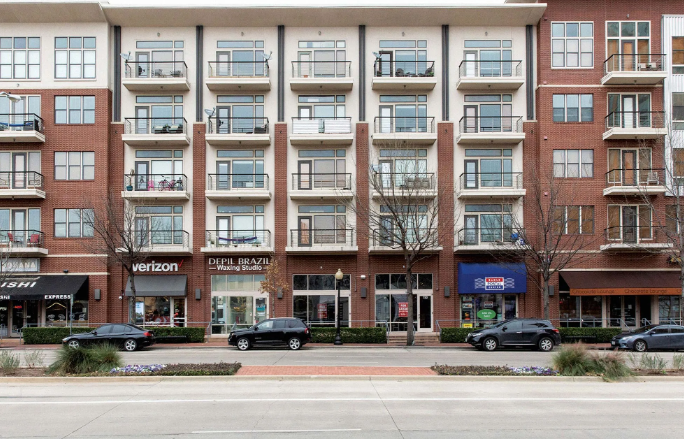
Common Areas: Navigating Shared Spaces in Condos and HOAs
In the U.S., the concept of a “Super Built-Up Area” (where a proportion of common spaces is added to an individual unit’s square footage for pricing) is not standard. Instead, common areas in multi-unit dwellings like condos, townhouses, and co-ops are managed through different mechanisms.
Common Elements/Areas: These are parts of the property that are owned collectively by all unit owners. Examples include:
Lobbies, hallways, stairwells, elevators.
Roofs, exterior walls, foundations.
Shared amenities: swimming pools, gyms, clubhouses, tennis courts, gardens, parking garages.
Landscaping and shared utility systems.
How They’re Handled:
HOA Fees (Homeowners Association Fees): Unit owners pay monthly or annual HOA fees that cover the maintenance, repair, and insurance of these common elements. These fees also often fund reserves for future major repairs (e.g., roof replacement).
Percentage of Ownership: Each unit owner typically owns a fractional, undivided interest in the common elements, as defined in the condominium’s or HOA’s governing documents (e.g., Declaration of Condominium, CC&Rs – Covenants, Conditions & Restrictions). This percentage is often based on the unit’s size, but it doesn’t directly add square footage to your individual unit’s measured GLA for valuation.
Limited Common Elements: These are common elements reserved for the exclusive use of one or more units, but still maintained by the association. Examples include balconies, patios, or assigned parking spaces. While you have exclusive use, you typically don’t own the physical structure, and they are usually not included in your unit’s GLA.
Significance for Buyers: When buying a condo or townhouse, understand that the “square footage” advertised is almost always the unit’s interior GLA. The value you receive from common areas comes in the form of amenities and services, the cost of which is reflected in your HOA fees, not by an inflated unit size. Always scrutinize the HOA’s financial health and the CC&Rs to understand your rights, responsibilities, and future financial obligations related to common areas.
Who Measures and How in 2025: Accuracy and Authority
The accuracy of property measurements is paramount. Here’s who typically measures and the standards they adhere to:
Appraisers: These licensed professionals are the most authoritative source for square footage. They adhere to strict industry standards, often set by organizations like the American National Standards Institute (ANSI) and guidelines from Fannie Mae/Freddie Mac. Appraisers use precise tools, often laser measuring devices, and their measurements are crucial for lending decisions. They differentiate between GLA, finished basement area, and other non-GLA spaces.
Architects and Builders: During construction, architects and builders rely on detailed blueprints and CAD (Computer-Aided Design) software, which provide highly accurate square footage data for various stages of the build.
Real Estate Agents: Agents typically rely on existing data from public records, previous appraisals, or builder plans. While some agents may take their own measurements for marketing purposes, these are generally less authoritative than an appraisal. Reputable agents will disclose the source of their square footage data and advise buyers to verify.
Property Tax Assessors: Local tax authorities maintain records of property size, which are used for tax assessment. These measurements can sometimes differ from appraisal measurements due to different assessment methodologies or a lack of updated information.
Technology: Modern tools like laser distance measurers, 3D scanning, and even drone mapping are making measurements more efficient and precise, reducing human error.
Practical Advice for Buyers and Sellers in 2025
Navigating property measurements requires diligence from both sides of a transaction.
For Buyers:
Never Assume: Do not take advertised square footage at face value. It’s a common area of dispute.
Request an Appraisal: Your lender will require one, but proactively review it. The appraisal is your best source for verified square footage, particularly the GLA.
Understand the Breakdown: Ask your appraiser or agent to explain how the total square footage is broken down into GLA, finished basement area, garage, etc.
Ask for Floor Plans: These provide a visual representation and can help you verify how space is allocated.
Focus on GLA: When comparing properties, primarily use GLA for a true “apples-to-apples” comparison of usable living space.
Visit in Person: Walk through the home. Does the stated square footage feel accurate to your perception of space?
Review HOA Documents: For condos and HOAs, thoroughly review the Declaration and CC&Rs to understand common elements, your ownership percentage, and, crucially, the associated fees and potential special assessments.
Consider a Survey: For complex properties or if boundaries are unclear, a land survey can provide clarity on lot size and property lines, although it doesn’t typically detail interior square footage.
For Sellers:
Get it Right from the Start: Before listing, ensure your square footage data is accurate and verifiable. This means referencing a recent appraisal or having a professional measurement done.
Be Transparent: Clearly state the source of your square footage measurements (e.g., “per previous appraisal,” “per county records”).
Distinguish Between Space Types: When marketing, highlight GLA as the primary living space and then separately mention finished basement square footage, garage space, and other areas. This manages buyer expectations.
Know Your Property’s History: Be prepared to explain any discrepancies between your listed square footage and public records (e.g., you finished the basement after the last assessment).
Maintain Documentation: Keep copies of blueprints, permits for additions, and previous appraisals. This documentation strengthens your claim of accurate measurements.

Case Study: The 2,800 Sq. Ft. Illusion
Imagine a home listed as “2,800 square feet.” You’re excited, picturing ample space for your family. However, a deeper look, perhaps through an appraisal or detailed listing information, reveals:
1,900 sq. ft. Gross Living Area (GLA): This is the finished, above-grade living space (living room, kitchen, bedrooms, etc.).
500 sq. ft. Finished Basement: This area is beautifully finished, perhaps with a family room and extra bedroom, but it’s below-grade and therefore separated from GLA in the appraisal.
400 sq. ft. Attached Garage: A standard two-car garage.
While the total structural footprint under the roof is indeed 2,800 sq. ft., your primary living space (GLA) is 1,900 sq. ft. The finished basement adds significant value and usability, but an appraiser will value it differently than above-grade space, often at a lower per-square-foot rate. The garage contributes to the home’s utility but not its living area.
Understanding this breakdown means that while the home offers substantial space, its valuation (and comparison to other homes) should focus on the 1,900 sq. ft. GLA, with the finished basement as a valuable amenity, rather than simply comparing it directly to another 2,800 sq. ft. home that might have all its space as GLA. This distinction can significantly impact the offer price, mortgage approval, and your long-term satisfaction.
Conclusion
In the complex and often fast-paced world of US real estate in 2025, understanding the nuances of property measurement is an invaluable skill for both buyers and sellers. While the terminology may differ from other global markets, the underlying objective remains the same: to accurately define and value different types of space within a property.
By familiarizing yourself with Gross Living Area (GLA), total under roof measurements, and how common areas are managed, you empower yourself to make more informed decisions. Armed with this knowledge, you can confidently navigate appraisals, evaluate listings, compare properties, and ensure you’re getting precisely what you pay for – or accurately representing what you’re selling. Due diligence in verifying square footage isn’t just a suggestion; it’s a fundamental pillar of a successful and transparent real estate transaction.