
Safeguarding the American Ballot: A 2025 Expert Analysis on Election Integrity and the Enduring Fight for Voting Rights
As we navigate the dynamic political landscape of 2025, the bedrock principles of American democracy — fair, accessible, and secure elections — remain at the forefront of national discourse. Recent off-year elections, often seen as bellwethers, have once again underscored the electorate’s shifting priorities and prompted renewed scrutiny of the mechanisms that facilitate our collective voice. Yet, in the wake of significant electoral outcomes, a familiar shadow looms: the persistent challenge to election integrity, often manifesting as a strategic campaign to restrict voting access, particularly concerning the widespread adoption of mail-in ballots. From the vantage point of a decade observing the intricate dance between policy, partisanship, and constitutional law, it is clear that the battle for the ballot box is far from over; indeed, it is entering a critical new phase.

The narrative of “election strengthening” has become a potent, albeit often misleading, political tool. While genuine enhancements to election administration are vital for maintaining public confidence, this rhetoric frequently masks efforts designed to curb participation rather than genuinely secure the process. This pattern, which solidified following the contentious 2020 presidential election, continues to evolve, with proponents of restrictive measures increasingly framing them as essential safeguards against unsubstantiated claims of fraud. The core contention often revolves around methods of voting, specifically mail-in ballots, which expanded significantly during the pandemic and proved to be a critical pathway for millions of Americans to exercise their franchise.
The Evolution of Voting Access: From Polling Place to Postbox
The history of voting in the United States is a testament to continuous expansion, albeit often hard-won. From property ownership requirements to the long struggle for universal suffrage for women and people of color, the arc of American democracy has bent towards greater inclusion. Mail-in voting, or absentee voting, is not a novel concept; it has been a feature of American elections for decades, particularly for military personnel and citizens living abroad. Its broader adoption, however, particularly the advent of universal mail-in voting in several states, marked a significant paradigm shift.
Proponents champion mail-in voting for its convenience, accessibility, and potential to boost voter turnout. It mitigates issues like long lines, transportation barriers, and conflicts with work schedules, making it a lifeline for elderly voters, those with disabilities, working parents, and individuals in rural areas. States like Oregon, Washington, and Colorado have successfully conducted elections predominantly by mail for years, demonstrating its efficacy and security. Their robust systems, incorporating signature verification, barcode tracking, and bipartisan oversight, have served as models for election integrity solutions that prioritize both access and security.
However, the expansion of mail-in voting has also become a lightning rod for criticism, fueled by narratives suggesting it inherently invites fraud. These claims, repeatedly debunked by election experts, state election officials, and numerous court rulings, nonetheless persist in influencing public perception and shaping legislative agendas. The data consistently shows that voter fraud, across all voting methods, is exceedingly rare. Yet, the perception, amplified through various media channels and political rhetoric, often overshadows the verifiable facts, creating fertile ground for proposals aimed at dismantling these accessible voting pathways.
The Legal and Constitutional Landscape of Election Governance
Any federal or state initiative seeking to dramatically alter election processes invariably collides with the intricate web of US constitutional law and the principle of federalism. The Constitution largely delegates the authority to administer elections to individual states, a decentralized system that allows for diverse approaches but also creates potential friction points between state and federal power. This decentralized structure means that sweeping federal executive actions, particularly those aimed at overriding established state election laws, face immediate and significant constitutional challenges voting laws.
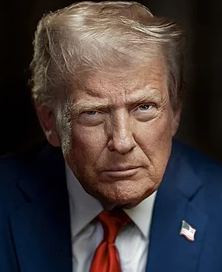
Historically, attempts by the executive branch to unilaterally dictate election administration have met stiff resistance from the judiciary. The Supreme Court has consistently affirmed states’ primary role in setting the “times, places, and manner” of holding elections for federal offices, subject to congressional regulation. An executive order attempting to “strengthen elections” by, for example, imposing new federal identification requirements for voter registration that supersede state laws, or by mandating specific forms of ballot handling, would almost certainly face immediate injunctions and protracted legal battles. Such actions would be viewed not as legitimate security enhancements but as an overreach of executive power, infringing upon state election laws and the Tenth Amendment.
The judicial branch, therefore, plays an indispensable role as a bulwark against executive overreach in election matters. Judges, from district courts to the Supreme Court, have consistently upheld the legality of mail-in voting and dismissed claims of systemic fraud where no credible evidence was presented. This judicial scrutiny ensures that any proposed changes to election administration are grounded in verifiable facts and constitutional principles, rather than partisan conjecture. The importance of independent judicial review in election law litigation cannot be overstated in preserving the delicate balance of powers and safeguarding democratic norms.
Beyond the Rhetoric: Deconstructing the “Fraud” Narrative
The persistent assertion that elections, particularly those involving mail-in ballots, are plagued by “blatant fraud” is a cornerstone of the campaign to restrict voting access. Yet, despite years of these claims, tangible, widespread evidence of systematic electoral fraud remains elusive. Election officials across the country, including Republicans, have confirmed the integrity of their processes. Comprehensive audits, both human and algorithmic, reinforce this reality. The mechanisms already in place for election security, such as signature verification, voter registration databases, cross-referencing death records, and bipartisan poll worker oversight, are robust and continually being refined.
Moreover, advancements in digital election auditing technologies and enhanced cybersecurity election infrastructure have further fortified the integrity of our voting systems. These technologies provide layers of verification and transparency, making it increasingly difficult for fraudulent activities to go undetected. Attempts to discredit these systems without presenting credible, specific evidence undermine public confidence in democratic institutions, a far greater threat than the phantom fraud they purport to expose.
The repeated invocation of “fraud” without proof serves a strategic political purpose: to justify changes that disproportionately impact specific demographics. The notion that “fraudulent ballots” are “being mailed in, in the names of other people, in the names of illegal aliens who shouldn’t be voting” is a dangerous form of disinformation. It targets specific communities, sowing doubt about their right to participate and laying the groundwork for restrictive policies. This narrative often preys on existing anxieties and contributes to political polarization effects on democracy, making constructive dialogue about genuine election improvements difficult.
The Human Cost: Disenfranchisement and Voter Suppression
The real-world consequences of policies restricting voting access are profoundly undemocratic. While framed as “strengthening elections,” such measures often function as voter suppression legislation. Requiring stringent proof of citizenship beyond existing registration processes, limiting the availability of mail-in ballots, or reducing early voting periods disproportionately impacts vulnerable populations.
Consider the elderly, who may find it difficult to travel to polling places or acquire specific identification documents. Or individuals with disabilities, for whom mail-in voting removes significant logistical barriers. Working-class citizens, who often cannot afford to take time off work to wait in long lines, rely on flexible voting options. Military personnel and expatriate citizens depend heavily on absentee ballots to make their voices heard from afar. Furthermore, communities of color, who have historically faced systemic barriers to voting, are often the primary targets of these restrictive measures, making such efforts feel like a regression in the long march towards equitable voting rights.
The argument that universal access leads to fraud is a thinly veiled attempt to reduce overall participation, particularly among demographics perceived as less likely to support certain political agendas. It’s a strategy rooted in a belief that greater turnout disadvantages certain parties, rather than a genuine concern for the democratic process. This approach is antithetical to the spirit of American democracy, which thrives on broad and inclusive participation. Safeguarding voter data protection and ensuring the secure, ethical handling of voter information is paramount, but this goal should enhance, not diminish, access to the ballot.
2025 and Beyond: The Future of American Elections
Looking ahead to the critical election cycles of 2026 and 2028, the discourse around election integrity will undoubtedly intensify. States are at the forefront, with legislative battles ongoing over everything from voter ID laws to automatic voter registration and ballot drop box regulations. Federal action, whether through executive orders or legislative proposals, will continue to face intense scrutiny and legal challenges. The imperative for non-partisan election administration is greater than ever, requiring dedicated professionals committed to upholding the fairness of the process, irrespective of political pressure.
Democracy protection initiatives are gaining momentum, advocating for reforms that secure elections while simultaneously expanding access. These include independent redistricting commissions to combat gerrymandering, investment in secure, modern voting equipment, and comprehensive post-election audits. Public education campaigns are crucial to counter disinformation and inform citizens about their voting rights and the actual security measures in place.
Ultimately, the future of American democracy hinges on a collective commitment to protecting the fundamental right to vote. It means rejecting baseless claims of fraud, upholding the rule of law, and ensuring that every eligible citizen can cast their ballot freely and fairly. True election law reform legislation should focus on proven methods to enhance security and access, not on partisan efforts to suppress votes. This path forward requires robust civic engagement and a steadfast defense of the institutions that underpin our republic.
Join the Conversation for a Stronger Democracy
The challenges to our electoral system are complex, but the solutions lie in informed participation and unwavering advocacy. As an expert in this field for over a decade, I’ve seen firsthand the resilience of our democratic ideals when challenged. Now more than ever, it’s crucial for every American to be part of the dialogue, to understand the facts, and to stand up for the principles of fair elections. We invite you to engage with these critical issues, to support efforts that expand and protect voting rights, and to demand transparency and accountability from our elected officials. Together, we can ensure that the American ballot remains sacred, accessible, and secure for generations to come. Your voice is the ultimate safeguard of our democracy – let it be heard.