
Title: The Enduring Battle for the Ballot: Safeguarding US Elections in 2025
The year 2025 dawns amidst a complex and often turbulent political landscape, where the foundational pillars of American democracy—our elections—remain under intense scrutiny and, in some quarters, active assault. As we look ahead to critical electoral cycles, including the 2026 midterms and the looming shadow of 2028, the discourse surrounding “election integrity” continues to echo with familiar, unsettling refrains. This isn’t merely a political debate; it’s a profound challenge to the very essence of democratic governance principles, a battle waged not just at the ballot box but in the realm of public perception, executive power, and constitutional law.
Having navigated a decade in the trenches of election administration and political analysis, I’ve witnessed firsthand the evolution of tactics designed to undermine voter confidence and suppress participation. What began as isolated instances has coalesced into a sophisticated, often orchestrated, effort to weaponize the concept of electoral security. At the heart of this ongoing struggle lies a persistent narrative, largely unmoored from verifiable fact, that seeks to discredit legitimate electoral outcomes and, by extension, the will of the people. This article delves into the enduring repercussions of past attempts to reshape our voting landscape through executive fiat and disinformation, scrutinizing how these actions continue to inform the present and threaten the future of American elections. We’ll explore the specific targeting of universal mail-in voting, the unsubstantiated claims of widespread fraud, and the broader implications for civic engagement and the constitutional framework that underpins our republic.
The Echoes of Discontent: Executive Power Plays and the Post-Election Fallout
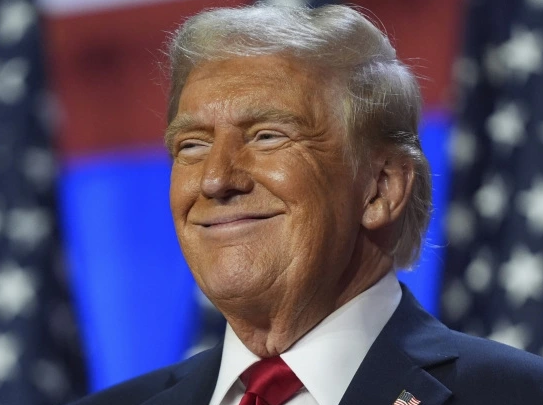
The political reverberations of previous electoral defeats continue to ripple through 2025, shaping legislative agendas and judicial challenges. Reflecting on past off-year election cycles, where significant Republican losses prompted swift and often retaliatory responses, we recall a particularly stark example: the immediate aftermath of a “blue wave” that saw crucial state-level races tilt against the incumbent party. In the wake of these outcomes, a prominent former administration figure, Donald Trump, allegedly mobilized his team to draft an executive order aimed squarely at curtailing voting access, particularly targeting mail-in ballots. This move was widely perceived not as a genuine effort to enhance election security solutions, but rather as a defensive maneuver, a calculated strategy to reclaim control after what was deemed an unfavorable electoral showing.
The deployment of executive power in this manner signals a dangerous precedent. Historically, executive orders serve to manage federal operations or implement existing laws. However, when wielded as a political cudgel against the democratic process itself, they morph into a tool for systemic disruption. The proposed order, framed as a means to “strengthen our elections,” was, in reality, a thinly veiled attempt to erect barriers to participation under the guise of combating phantom fraud. From an expert perspective, this approach bypasses legislative debate, disregards established electoral procedures, and directly challenges the foundational separation of powers that defines American governance. It underscores a troubling pattern where electoral setbacks are met not with introspection or adaptation, but with an aggressive effort to change the rules of the game to pre-empt future losses. Such tactics demand vigilance, as they can rapidly erode public trust in institutions designed to be impartial and democratic.
Targeting the Ballot Box: The Mail-In Battleground in 2025
Mail-in voting, a cornerstone of American elections for decades, has paradoxically become one of the most contentious battlegrounds in the ongoing fight for democratic integrity. In 2025, its status remains a flashpoint, fueled by years of unsubstantiated claims and political weaponization. Originating from the needs of military personnel and citizens living abroad, universal absentee ballots have gradually expanded to offer flexibility and accessibility to millions of Americans. Many states, especially during the 2020 pandemic, embraced and expanded mail-in voting, demonstrating its efficiency and capacity to handle high voter turnout safely. The data unequivocally supports its security: states with robust mail-in systems have layers of verification, including signature matching, ballot tracking, and clear chain-of-custody protocols.
Yet, despite this proven track record, mail-in ballots have been unfairly cast as inherently susceptible to fraud, primarily by those seeking to delegitimize election results they dislike. The former administration’s push for an executive order specifically targeting this method was a direct assault on voter access and convenience. The narrative propagated was that widespread mail-in voting inevitably leads to corruption, a claim that has been repeatedly debunked by state election officials, independent audits, and bipartisan commissions. This politicization has forced states to defend their long-standing, secure practices, diverting resources and attention from genuine electoral improvements. In 2025, the challenge remains to cut through the noise, educate the public on the security measures in place, and advocate for policies that expand, rather than restrict, safe and accessible voting options for all eligible citizens. The battle over mail-in voting is not just about a method; it’s about whether we prioritize participation or partisan advantage.
The California Crucible: Redistricting, Retaliation, and Rights
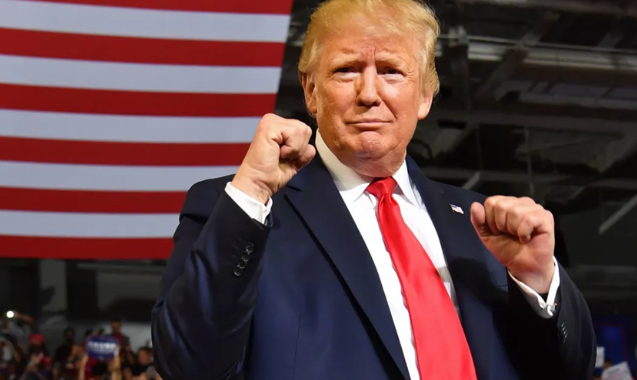
California, a state often at the forefront of progressive policy and robust democratic participation, found itself a direct target in the crosshairs of this post-election executive strategy. The original article highlights a critical juncture: California’s ballot initiative authorizing retaliatory congressional redistricting, enacted in response to a Trump-inspired redistricting effort in Texas. This was not merely a local political squabble; it was a high-stakes play in the broader chess game of federal electoral power, a manifestation of the dynamic tension inherent in state voting rights versus potential federal overreach.
The success of California’s initiative, passed by an overwhelming margin, was immediately met with the familiar “sore loser” rhetoric characteristic of the previous administration. Press Secretary Karoline Leavitt, in a moment now etched in recent political history, dismissed the outcome by alleging fraudulent votes cast by ineligible non-citizens in a “rigged election.” Such claims, devoid of any credible evidence, served a dual purpose: to delegitimize a legitimate democratic outcome and to create a pretext for the proposed executive order. California’s robust electoral system, validated repeatedly by courts and independent analyses, became a convenient scapegoat.
This episode underscores a vital principle of American federalism: states traditionally hold significant authority over their own electoral processes, including the drawing of electoral maps. Any attempt by the federal executive branch to unilaterally dictate state-level election procedures, especially in response to perceived political defeats, directly challenges the constitutional balance of power. The targeting of California was a strategic move, not just against a political opponent, but against the very idea of states exercising their sovereign rights in determining their electoral future. It demonstrated a willingness to dismantle established norms and legal frameworks when they did not align with a desired political outcome. Understanding these past battles is crucial as we navigate ongoing discussions around ballot initiatives and the preservation of state autonomy in 2025.
Deconstructing the “Fraud” Narrative: Evidence, Vibes, and Authoritarian Undercurrents
The bedrock of a healthy democracy is trust in the electoral process. Yet, for years, this trust has been systematically eroded by a relentless campaign of unverified claims, often originating from high-profile political figures. The original article perfectly encapsulates this dynamic, citing Press Secretary Leavitt’s assertion of “blatant fraud” in California elections, “fraudulent ballots… in the names of illegal aliens who shouldn’t be voting.” When pressed for evidence, the response was chillingly dismissive: “It’s just a fact.” This is not how facts work; it’s how election misinformation and propaganda thrive.
This pattern of making sweeping, unsubstantiated allegations—dubbed the “Big Lie” by many—is a quintessential example of how political rhetoric analysis reveals an intent to destabilize. Without concrete data or verifiable incidents, such claims rely on generating “vibes” of paranoia and suspicion. It’s a calculated strategy to sow doubt, creating an environment where any unfavorable election result can be instantly dismissed as “rigged.” This tactic is particularly dangerous in 2025, as it continues to fuel voter fraud allegations despite overwhelming evidence to the contrary from election officials across the political spectrum, intelligence agencies, and countless court rulings.
The broader implication is clear: this narrative serves as a pretext for implementing restrictive voting laws, intimidating election workers, and ultimately, engaging in what amounts to democratic erosion. When faith in the basic integrity of elections is shattered, the willingness of citizens to accept legitimate outcomes diminishes, paving the way for further polarization and civil unrest. As an expert in the field, I’ve observed that such tactics are often hallmarks of authoritarian regimes, where evidence is supplanted by diktat, and perceived threats to power are met with aggressive measures to control information and suppress dissent. Recognizing the baseless nature of these claims is the first step toward building resilience against future attempts to undermine our electoral system through sheer fabrication.
The Real Agenda: Power, Control, and Disenfranchisement in a 2025 Lens
Stripping away the rhetoric of “election integrity,” the true agenda behind these persistent attacks on voting rights becomes starkly clear: it’s about power and control. The strategy, observed over multiple election cycles, is to make voting more difficult, thereby shaping the electorate to favor specific political outcomes. This is not about ensuring legitimate votes are counted; it’s about ensuring fewer votes are cast by populations perceived as unlikely to support a particular agenda. From a constitutional law perspective, such actions squarely fall under the definition of voter suppression tactics.
The groups disproportionately affected by these measures are precisely those whose voices are already marginalized: voters of color, the elderly, people with disabilities, and working-class citizens who rely on accessible voting methods like mail-in ballots or extended early voting periods. Requiring strict forms of ID, purging voter rolls based on flimsy pretexts, or limiting opportunities to register are all insidious ways to disenfranchise millions of eligible Americans. The previous administration’s attempt to mandate proof of citizenship for voter registration, which was rightfully blocked by a federal judge as unconstitutional, was a precursor to this broader campaign.
Legal experts and civil rights organizations, including the ACLU, have consistently called out these efforts for what they are: blatant power grabs. Sophia Lin Lakin of the ACLU famously articulated how such efforts “threaten to disenfranchise tens of millions of eligible voters” and “intrude on states’ constitutional authority.” This highlights the significant constitutional challenges these actions present, often leading to protracted and costly legal battles. In 2025, the fight to protect democratic participation and civil rights in elections continues in courts and state legislatures across the country. The defense of our voting rights is not just a partisan issue; it’s a fundamental commitment to the principles of equality and representative government, ensuring that every eligible voice can be heard, regardless of their background or political affiliation.
Looking Ahead: Fortifying Democracy Against Future Threats
As we move deeper into 2025, the need to fortify our democratic institutions against ongoing and evolving threats has never been more urgent. The lessons learned from the past few years—the sustained attacks on mail-in voting, the spread of digital disinformation campaigns, and the weaponization of executive power—underscore a critical truth: democracy is not a spectator sport. It requires active defense and constant vigilance.
The responsibility for safeguarding our electoral system falls not just to federal and state governments, but to every citizen, civil society organization, and media outlet. We must push for comprehensive electoral system reform that prioritizes voter access and security without sacrificing either. This includes advocating for consistent, well-funded election administration, exploring cutting-edge election security technology, and ensuring transparent audit processes. State Secretaries of State play a pivotal role as the front-line defenders of election integrity, and their non-partisan efforts must be supported and protected.
Beyond policy, there’s a vital need for enhanced civic engagement strategies. This means educating voters about their rights, debunking misinformation with verifiable facts, and encouraging participation at all levels of government. It also entails robust constitutional rights advocacy, ensuring that legal challenges to voter suppression are met with unwavering defense. The future of democracy in the U.S. hinges on our collective ability to reject baseless narratives, uphold the rule of law, and recommit to the fundamental principle that elections are a sacred trust, belonging to the people, not to any single politician or party.
Your Voice, Your Power: Act Now for a Stronger Democracy
The challenges to our electoral system are real, persistent, and deeply consequential. Yet, the power to protect and strengthen our democracy ultimately resides with us, the American people. We cannot afford to be complacent in the face of ongoing efforts to undermine the very mechanisms that allow our voices to be heard.
Now, more than ever, your active participation is crucial. Educate yourself on your local voting laws, support organizations dedicated to voter protection, and engage in thoughtful, evidence-based conversations about our electoral process. Let your elected officials know that you demand integrity, transparency, and accessibility in our elections. Together, we can ensure that every eligible vote counts, every voice is heard, and the promise of American democracy endures for generations to come. Join the movement to champion fair and accessible elections – because the future of our republic depends on it.