House vs. Apartment Investing: A Decade of Insight into Multifamily Real Estate
The echoes of construction hammers and the distant hum of machinery are becoming the soundtrack of America’s real estate landscape. As of early 2024, the sheer scale of development is breathtaking: an estimated 934 multifamily properties and a colossal 1.485 million new homes are currently underway nationwide. This unprecedented surge in construction isn’t just reshaping cityscapes; it’s creating a fertile ground for real estate investors eager to tap into the enduring demand for rental housing. For seasoned investors and newcomers alike, a pivotal question arises: should your next acquisition be a standalone house or a unit within a bustling apartment complex?
With a decade of navigating the intricacies of the real estate investment sector, I’ve seen firsthand how this fundamental choice can shape an investment strategy, impact returns, and ultimately define the trajectory of a portfolio. It’s not simply about bricks and mortar; it’s about understanding the underlying financial models, management demands, and growth potential inherent in each property type. This comprehensive guide will delve deep into the core differences between investing in houses versus apartments, drawing on current market data and providing actionable insights to empower your decision-making process.
Defining Your Investment Battlefield: Houses vs. Apartments
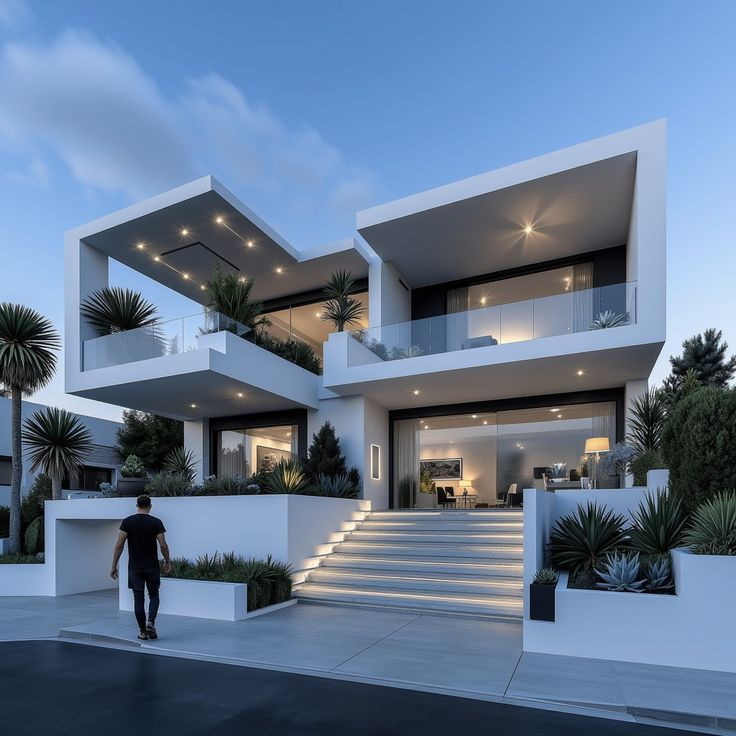
At their core, both single-family homes and apartment units offer the potential for passive income through monthly rental payments. However, the nuances of ownership, management, and market dynamics paint a distinctly different picture for each.
The Enduring Appeal of Houses
A house, in its purest form, is a detached, independent residential structure. It’s the quintessential American dream realized: a self-contained dwelling typically featuring multiple distinct living spaces—a kitchen, bathrooms, a living room, and several bedrooms. These structures are the bedrock of American housing stock. According to recent data from Statista, there are approximately 82 million single-family homes across the U.S. Investors typically acquire these properties either outright or through a combination of a mortgage and an initial down payment, gaining complete control over the asset.
The Dynamic World of Apartments
An apartment, conversely, is a residential dwelling unit situated within a larger building or a complex designed to house multiple individuals or households. These units are characterized by their shared infrastructure and proximity to other residents. The United States currently boasts an estimated 23 million apartment units. The acquisition of apartment properties by investors usually involves different financing mechanisms, often relying on commercial real estate loans, which can differ significantly from residential mortgages.
The Ten Pillars of Decision: Apartments vs. Houses in Detail
So, which path leads to greater success for your real estate investment ventures? Let’s dissect ten critical considerations that will help you align your investment strategy with the right property type.
Investment Goals: Cash Flow, Appreciation, and Risk Mitigation
Every investor has a unique vision for their portfolio. Understanding how houses and apartments align with these aspirations is paramount.
Cash Flow: Apartments often present a more robust cash flow potential. The income generated from multiple units acts as a buffer. If one unit becomes vacant, the remaining income streams can often offset the loss, providing a more consistent and predictable monthly cash flow. In contrast, a vacant house means zero income, creating a more volatile cash flow stream directly tied to a single tenant’s occupancy. This is a crucial factor for investors prioritizing immediate returns and steady income.
Appreciation: Historically, standalone houses have demonstrated a tendency for higher appreciation rates. This is often attributed to the inherent scarcity of land, particularly in desirable locations, and the persistent demand for private, independent living spaces. While apartments can and do appreciate, their value appreciation is often more directly influenced by strategic renovations, operational efficiencies, and the overall performance of the larger complex or building. Investors focused on long-term capital growth might find houses more appealing.
Risk Diversification: Apartments naturally lend themselves to risk diversification. By owning multiple units, the impact of a single vacancy or a tenant default is significantly diluted across the portfolio. This creates a more resilient income stream. Houses, on the other hand, represent a singular investment point. A vacancy in a house directly impacts 100% of the income generated by that property, increasing the investor’s risk exposure. For those who value a smoother ride and less sensitivity to individual property issues, apartments offer a distinct advantage.
Ownership Structures and Control
The nature of ownership dictates the level of control and the complexity of management.
House Ownership: Owning a single-family home typically means you, as the investor, are the sole proprietor with complete autonomy. You are responsible for all aspects of the property—maintenance, property taxes, insurance, and adherence to local ordinances. Tenants in houses generally engage directly with the individual landlord, fostering a more personal landlord-tenant relationship.
Apartment Ownership: Apartment ownership can be more layered. Investors might own an entire building and manage all units themselves, or they could be one of many unit owners within a condominium or a larger complex. In these scenarios, interactions with tenants are often facilitated by a professional property management company, which handles day-to-day operations, leasing, and maintenance for a fee. This can be a boon for investors seeking a more hands-off approach.
Physical Structure and Tenant Experience
The physical characteristics of a property directly influence the tenant experience and, consequently, rental demand and property desirability.
Houses: Houses typically offer more expansive living quarters and private outdoor amenities. Features like private yards, dedicated driveways, and a general sense of separation from neighbors are highly sought after.
Apartments: Apartment living inherently involves shared walls, floors, and ceilings, meaning closer proximity to neighbors. However, many apartment complexes compensate with shared amenities designed to enhance the resident experience, such as communal laundry rooms, fitness centers, swimming pools, and social lounges.
Space and Layout Considerations
The physical footprint of a property is a significant factor for potential renters.
Houses: Single-family homes generally boast a larger overall square footage, making them attractive to individuals and families who value ample living space. The average size of a house in the U.S. hovers around 2,299 square feet.
Apartments: Apartments tend to be more compact. Their average size can vary dramatically by market, from roughly 691 square feet in cities like Seattle, known for its smaller dwelling sizes, to approximately 991 square feet in markets like Scottsdale, Arizona. This compactness appeals to a different demographic, often singles, couples, or those prioritizing urban convenience over sheer space.
Maintenance Demands: A Tale of Two Scales
The scope and nature of maintenance differ significantly between managing a single house and an apartment complex.
House Maintenance: While a single house might seem less complex, its maintenance is typically more granular and encompasses a wider range of individual property issues. This includes:
Landscaping: Consistent upkeep of lawns, gardens, and outdoor aesthetics.
Exterior Repairs: Painting, roofing, gutter cleaning, and structural integrity checks.
Interior Systems: Plumbing, appliance servicing, electrical work, and HVAC maintenance for a singular system.
Pest Control: Managing infestations specific to that individual property.
Apartment Maintenance: Apartment complex maintenance operates on a larger scale, often involving centralized systems and common areas.
Common Area Upkeep: Hallways, lobbies, stairwells, and recreational facilities require continuous cleaning and repair.
Building-Wide Systems: Centralized HVAC, elevators, large-scale plumbing, and electrical systems demand specialized, often contract-based, maintenance.
Facade and Structural Integrity: Exterior maintenance involves the building envelope, window washing, and overall structural checks across multiple stories.
Landscaping and Grounds: Maintaining shared outdoor spaces, courtyards, and parking areas.
Safety Compliance: Ensuring adherence to stringent building codes, fire safety regulations, and regular safety inspections across the entire property.
Amenities: The Lure of Convenience vs. Exclusivity
Amenities play a crucial role in attracting and retaining tenants, but they also represent varying levels of investment and operational overhead.
House Amenities: Amenities in houses are typically private and exclusive to the occupant. Think private backyards, attached garages, finished basements, or custom interior upgrades like gourmet kitchens or spa-like bathrooms. These are often considered part of the property’s inherent value.
Apartment Amenities: Apartment complexes often compete on the strength of their shared amenities. These can include state-of-the-art fitness centers, swimming pools, business centers, dog parks, and communal lounges. While these attract a broad tenant base, they also necessitate ongoing operational costs for maintenance, staffing, and utilities.
Privacy: The Sanctuary of Space
The level of privacy offered is a significant differentiator, impacting tenant satisfaction and rental appeal.
Houses: Houses inherently provide a higher degree of privacy. The physical separation between properties, often demarcated by fences or yards, creates a personal sanctuary. Tenants can enjoy their outdoor spaces without immediate proximity to neighbors, offering a sense of solitude and independence.
Apartments: Apartment living involves a trade-off. The close proximity to neighbors, shared hallways, and communal outdoor spaces means less inherent privacy. While this fosters a sense of community for some, others may find it intrusive.
Cost Structure: Per-Unit Economics vs. Economies of Scale
Understanding the financial underpinnings of each property type is vital for accurate budgeting and profit forecasting.
Houses: When you own a house, you bear the full spectrum of property-related costs directly. This includes property taxes, insurance, and all repair expenses. Because these costs are tied to a single income-generating unit, the per-unit cost can be higher, especially when considering maintenance and capital expenditures. This requires meticulous budgeting for each individual asset.
Apartments: Apartment buildings, due to their scale, possess a more complex cost structure. However, this complexity often unlocks significant economies of scale. The cost of certain services, like building-wide maintenance contracts, insurance, or property management, can be spread across numerous units, potentially lowering the per-unit cost compared to individual houses. This can lead to more efficient operational expenses for larger portfolios.
Scalability and Portfolio Growth Strategies
For investors with an eye on expansion, the path to scaling a portfolio differs dramatically between houses and apartments.
Apartments for Scalability:
Capital Intensity: Acquiring apartment buildings or significant stakes in them typically requires a substantial initial capital outlay. This can be a barrier to entry for some but is essential for those looking to build a large-scale portfolio efficiently.
Centralized Operations: The concentrated nature of apartment units in a single location streamlines management. Once you own a building or complex, expanding within that same geographical area allows you to leverage existing operational infrastructure, management teams, and maintenance crews, significantly simplifying growth.
Resource Leverage: As an apartment portfolio grows within a single complex or adjacent properties, you can effectively leverage existing resources. Management staff, maintenance technicians, and even marketing efforts can be spread across more units, leading to greater efficiency and potential profit margins.
Houses for Scalability:
Capital Efficiency: Scaling a portfolio of single-family rentals can be more capital-efficient on a per-property basis. While each acquisition might be smaller, the total number of transactions required to build significant scale can be higher.
BRRRR Strategy: The “Buy, Rehab, Rent, Refinance, Repeat” (BRRRR) strategy is a potent tool for growing a single-family rental portfolio. It allows investors to acquire distressed properties, add value through renovations, establish rental income, pull out initial capital through refinancing, and then repeat the process.
People-Intensive Management: The primary challenge with scaling houses lies in management. Each property, often located in different neighborhoods, requires individual attention. Coordinating maintenance, tenant relations, and legal compliance across a dispersed portfolio can become highly people-intensive, making it harder to achieve the same level of operational synergy as with a single apartment complex.
Market Dynamics and Tenant Demand
Understanding current and future market trends is crucial for any investment decision.
Urban vs. Suburban Appeal: Apartments often thrive in dense urban centers where demand for convenience and proximity to jobs and entertainment is high. Houses, particularly larger ones, tend to be more popular in suburban and exurban areas, catering to families and individuals seeking more space and a quieter lifestyle.
Economic Sensitivity: The rental demand for both property types can be influenced by economic conditions. In a strong economy, both may see robust demand. During economic downturns, the more affordable apartment units might see increased demand as people downsize or delay homeownership. Conversely, a flight to quality and space might benefit certain house segments even in tougher times.
Local Market Expertise: Investing in specific cities like New York City apartments or single-family homes for sale in Austin, Texas requires deep local knowledge. Understanding neighborhood trends, rental rates, vacancy trends, and local regulations is paramount for success in any real estate market, whether you’re focusing on multifamily properties or individual homes.
Making Your Strategic Choice
After a decade in this industry, the advice I consistently offer is this: there is no single “better” investment between houses and apartments. The optimal choice is deeply personal and depends entirely on your specific financial objectives, risk tolerance, available capital, and desired level of involvement.
If you prioritize stable, predictable cash flow, are comfortable with larger initial capital investments, and prefer centralized management, a multifamily apartment investment might be your ideal path. The potential for economies of scale and diversified income streams can provide a robust foundation for a growing portfolio.
On the other hand, if your goal is long-term capital appreciation, you value complete control over your assets, and you are prepared for more hands-on management across individual properties, a single-family house portfolio could be the right fit. The ability to implement strategies like BRRRR and the inherent desirability of private living spaces offer distinct advantages.
Ultimately, the most successful real estate investors are those who conduct thorough due diligence, understand the unique strengths and weaknesses of each investment vehicle, and align their strategy with their personal financial vision.
Ready to explore which property type best aligns with your investment aspirations? Reach out today for a personalized consultation, and let’s build your roadmap to successful real estate investing.