
Renting a House vs. an Apartment: Decoding Your Ideal Rental Choice in 2025
As an industry expert with a decade of experience navigating the dynamic U.S. rental market, I’ve seen firsthand how the decision between renting a house and an apartment can profoundly shape a renter’s experience. In 2025, with rental prices continuing their upward trajectory and evolving lifestyle needs, this choice is more critical than ever. Many prospective renters find themselves grappling with this fundamental question, weighing the unique advantages and disadvantages each option presents. To help demystify this crucial decision, let’s dive deep into the nuances of renting a house vs. an apartment, exploring the critical factors that will guide you toward your perfect rental home.
The landscape of renting in America is diverse, and understanding the specifics of each dwelling type is paramount. While the core needs of shelter and comfort remain constant, the how and where of fulfilling those needs can differ significantly. This analysis will provide a comprehensive overview, empowering you to make an informed decision that aligns with your budget, lifestyle, and long-term goals.
The Allure of Apartment Living: Convenience, Community, and Cost-Effectiveness
Apartments, particularly those found in multi-family buildings, have long been a popular choice for a multitude of reasons, often centering on affordability and convenience. In today’s economic climate, where securing affordable housing is a primary concern for many, the cost-effectiveness of apartment rentals remains a significant draw.
Financial Sensibility: The Price of Apartment Rental
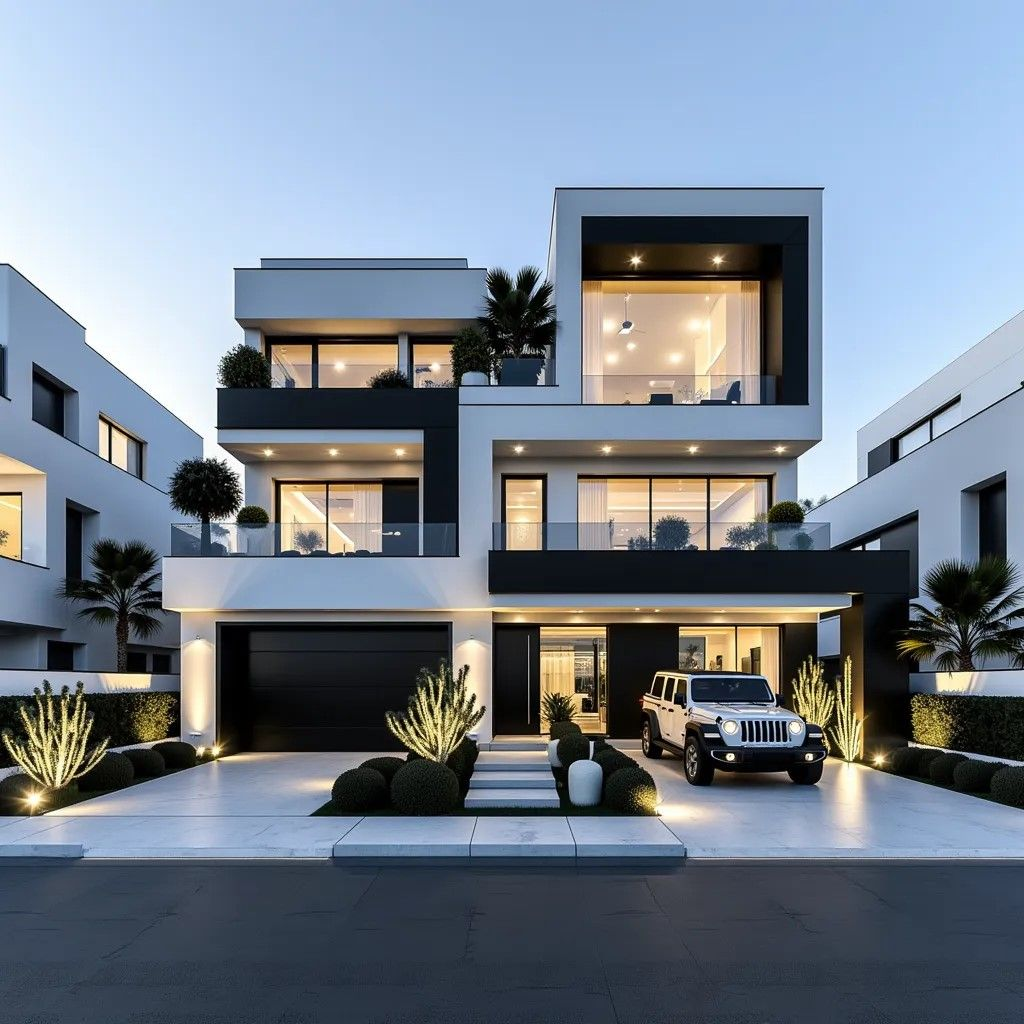
One of the most compelling arguments for choosing an apartment is its generally lower price point. According to recent market analyses, the average cost to rent a single-family home across the U.S. can be considerably higher than that of an apartment. For instance, Zillow data suggests that while renting a single-family home might hover around \$2,170 per month, a comparable apartment could be closer to \$1,810. This significant difference in monthly rental expenses can free up considerable funds, allowing renters to allocate their budget towards other financial priorities, such as savings, investments, or simply enjoying more discretionary spending. The diversity in apartment sizes, from cozy studios to more spacious three-bedroom units, also offers flexibility. Smaller units in desirable locations often come with a proportionally lower rent, making urban living more accessible. This financial advantage is a key consideration for individuals and families on a tighter budget, or those looking to maximize their living space without breaking the bank. When researching apartments for rent, exploring various sizes and locations can unlock significant savings.
The Maintenance Advantage: Hassle-Free Living
A hallmark of apartment living is the readily available maintenance support. Dealing with a leaky faucet, a malfunctioning air conditioner, or any other household repair can be a significant source of stress. In an apartment setting, these issues are typically addressed by the landlord or property management team. This outsourced responsibility means renters can often have problems resolved promptly without incurring personal costs or spending valuable time on repairs. For those residing in larger multi-family complexes, the presence of an on-site maintenance crew can further expedite problem-solving, ensuring a smoother and more comfortable living experience. This convenience is particularly appealing to busy professionals or individuals who prefer not to be burdened with home maintenance tasks. Searching for apartments with maintenance included can provide peace of mind.
Proximity and Connectivity: Life at Your Doorstep
Apartment buildings, especially in urban and suburban centers, are frequently situated in prime locations. This strategic placement often means convenient access to a wealth of amenities, including bustling commercial districts, diverse dining options, essential public transportation networks, verdant parks, and vibrant community hubs. Imagine needing a single ingredient for a recipe or craving a breath of fresh air in a nearby park – living in an apartment often places these conveniences within easy reach. This accessibility not only saves time but also enhances the overall quality of life, reducing reliance on personal vehicles and fostering a more connected lifestyle. For those who value walkability and immediate access to urban conveniences, exploring apartments near downtown or apartments with public transport access is a worthwhile endeavor.
Building Community and Enhanced Security
Apartment complexes, by their very nature, foster a sense of community. Living in close proximity to neighbors can create opportunities for social interaction and connection. Many apartment buildings offer shared amenities like game rooms, lounges, or communal outdoor spaces designed to encourage resident engagement. Some even feature dedicated pet areas, complete with amenities like dog spas, catering to the needs of pet owners and facilitating interactions with fellow animal lovers. Beyond social benefits, apartments often boast enhanced security features. Gated entrances, security codes, key fob entry systems, and the presence of on-site security personnel are common. Mailrooms and secured parking areas further contribute to residents’ peace of mind, offering a greater sense of safety and protection. When considering apartments with amenities, look for those that align with your lifestyle and social preferences.
The Downsides of Apartment Rentals: Space Constraints and Restrictions
While apartments offer numerous advantages, it’s essential to acknowledge their inherent limitations, particularly concerning space and personal freedom.
Limited Space and Outdoor Access
Apartments typically offer less square footage compared to single-family homes, and this extends to outdoor areas as well. Many apartments feature limited private outdoor space, such as a balcony, which may not be ideal for larger families, individuals with active pets, or those who enjoy extensive outdoor living. The restricted outdoor space can pose a challenge for pet owners who need a secure area for their animals to exercise. Furthermore, the interior space in apartments can also be more compact, requiring residents to be more judicious with their belongings and potentially necessitating a downsized living arrangement. Unlike houses that may offer basements, attics, or sheds for storage, apartments often have more limited storage solutions. This lack of ample space can be a significant drawback for those who require more room for their possessions or who are accustomed to a more expansive living environment.
The Noise Factor: Proximity and Peace
Living in close proximity to neighbors in an apartment building can inevitably lead to increased noise levels. Whether it’s the sound of a neighbor’s television, lively social gatherings, or children playing, noise can permeate apartment walls, ceilings, and floors. This constant proximity requires residents to be mindful of their own noise output, striving to be considerate neighbors and adhere to quiet hours. Conversely, those who enjoy a more boisterous lifestyle may find themselves restricted in apartment settings. The shared walls and close quarters necessitate a heightened awareness of noise, which can be a source of frustration for some.
Pet Restrictions: Navigating the Rules
Many apartment communities have specific rules regarding pets, which can present challenges for pet owners. These restrictions often dictate breed limitations, maximum pet weight, or the number of pets allowed per unit. For individuals with pets that fall outside these guidelines, finding a suitable apartment can be difficult. Furthermore, “pet rent”— an additional monthly fee charged for having a pet— can add significantly to the overall cost of renting an apartment. While there are strategies for finding pet-friendly apartments, these limitations are a crucial consideration for those with furry family members. When looking for apartments that allow pets, be sure to thoroughly review their policies.
Reduced Flexibility and Decorating Limitations
Apartment living often comes with a degree of reduced flexibility compared to renting a house. Decorating and personalizing an apartment can be more challenging due to building-wide restrictions on painting walls, making permanent modifications, or even hanging items on walls. Lease agreements in apartments also tend to have more stringent rules regarding quiet hours, guest policies, and access procedures, which may require residents to navigate key fobs or codes. The ability to break a lease early can also be more complex and costly in an apartment setting, offering less adaptability for unforeseen life changes.
The Advantages of Renting a House: Space, Autonomy, and Personalization
Renting a single-family home offers a distinct set of benefits that appeal to a different segment of the rental market, often prioritizing space, privacy, and a greater sense of ownership.
Abundant Space: Room to Grow and Thrive
A primary advantage of renting a house is the significantly more generous allocation of space. While the average apartment might range from 1,000 to 1,499 square feet, a single-family home often provides a larger footprint. This additional space can translate into benefits like basements, attics, garages, or even sheds, offering ample storage solutions and opportunities for creating dedicated living areas, home offices, or recreational spaces. This is particularly advantageous for larger families, individuals with extensive hobbies, or those who simply appreciate the feeling of having room to spread out and live comfortably. For those actively searching for houses for rent, the promise of more space is often a deciding factor.
Decorating Freedom: Making a House Your Own
Renting a house often grants renters more latitude in personalizing their living environment. Unlike apartment buildings that frequently impose uniform aesthetic standards and restrictions on modifications, landlords of single-family homes may be more amenable to renters painting walls, making minor renovations, or customizing the space to their liking. While it’s always prudent to discuss significant changes with your landlord, the potential for greater decorative freedom allows renters to truly make a house feel like their own home, fostering a deeper sense of connection and satisfaction with their living space.
Dedicated Parking: Convenience and Security
Parking is a perennial concern, especially in urban and densely populated areas. While some apartments offer parking, it can often be a competitive and costly amenity, with additional monthly fees. Houses, conversely, typically come with their own dedicated parking solutions, such as a driveway or a garage. This provides a convenient and secure place to park vehicles, eliminating the stress of searching for street parking or paying extra for a designated spot. This added convenience significantly enhances the daily living experience for those who rely on their vehicles.
Private Yard Access: Your Own Outdoor Oasis
A significant perk of renting a house is the inclusion of private outdoor space, such as a front or back yard. This personal green space offers a sanctuary for relaxation, recreation, and for pet owners, a secure and dedicated area for their animals to roam and play. Unlike shared outdoor spaces in apartment complexes, a yard attached to a rental house is typically a private and fenced-off area, providing an exclusive retreat for residents to enjoy the outdoors. This can be a major draw for families with children, individuals who enjoy gardening, or anyone who values private outdoor living.
The Drawbacks of Renting a House: Increased Costs and Responsibilities
Despite the many advantages, renting a house also presents its own set of challenges, primarily related to financial implications and increased personal responsibility.
Higher Rental Costs: The Premium for Space and Privacy

The financial reality of renting a single-family home is that it generally comes with a higher price tag. Over the past five years, rental rates for houses have seen a more significant increase compared to apartments. This higher cost is attributable to several factors, including the larger size of homes, which naturally incurs higher utility expenses and maintenance costs for landlords. Furthermore, the limited supply of single-family homes available for rent, coupled with high demand, drives up rental prices. Landlords of houses also often face higher property taxes and insurance premiums, which are passed on to renters in the form of increased rent. The security deposit for a house rental is also typically higher than for an apartment. When considering affordable houses for rent, diligent budgeting and market research are essential.
Lease Uncertainty: The Risk of Owner Relocation
One of the inherent risks of renting a house is the potential for lease uncertainty. Unlike multi-family buildings managed by professional property management companies, which often offer more stable leasing arrangements, private homeowners may decide to sell their property, move a relative in, or decide to return to living in the house themselves. This can lead to unexpected lease terminations and the need for renters to find new accommodations on short notice. While not a universal experience, this possibility of owner-driven disruption is a significant consideration for those prioritizing long-term stability.
Greater Maintenance and Furnishing Responsibilities
With more space comes more responsibility. Renting a larger house can mean a greater financial outlay for furnishing and decorating the expanded living area. Beyond interior decor, renters of houses may also be responsible for yard maintenance, including mowing the lawn, landscaping, and seasonal upkeep, depending on the terms of their lease agreement. This can add to the overall cost of living and require a significant commitment of time and effort. While furnished rental houses are an option, they can command a premium price. Understanding the extent of your maintenance responsibilities is crucial when signing a lease for a single-family home.
Potential for Informal Agreements: Vigilance is Key
The rental process for a single-family home may sometimes be more informal compared to the standardized procedures of larger apartment complexes or property management firms. This can mean dealing with landlords who have less experience in rental property management. While many private landlords are excellent, there’s a potential for less clarity in lease terms, deposit handling, and dispute resolution. It is crucial for renters to ensure all agreements, including lease terms, deposit amounts, and any specific clauses, are documented in writing to avoid misunderstandings or disputes. Scrutinizing lease agreements for rental properties in [Your City] is always recommended.
Making the Right Choice: Your Rental Journey in 2025
The decision of whether to rent a house or an apartment is deeply personal and hinges on your individual financial situation, lifestyle preferences, and priorities. There is no universally “better” option; rather, the ideal choice is the one that best aligns with your current needs and aspirations.
As you embark on your search for your next rental home, consider the following:
Budget Assessment: Accurately determine your monthly rental budget. Can you comfortably afford the higher costs associated with renting a house, or is an apartment a more financially prudent choice?
Lifestyle Needs: Evaluate your daily routine, social life, and any specific needs you have. Do you require ample space for a home office, pets, or frequent entertaining? Or do you prioritize convenience and access to urban amenities?
Tolerance for Responsibility: Are you comfortable with managing home maintenance and outdoor upkeep, or do you prefer the hassle-free approach of apartment living with readily available maintenance services?
Long-Term Outlook: Consider how long you plan to stay in your rental. If stability and predictability are paramount, certain apartment structures might offer more assurance than renting from a private homeowner.
Ultimately, making a well-informed decision requires introspection and thorough research. By carefully weighing the pros and cons of renting a house vs. an apartment and understanding the current market conditions in areas like rental homes in [Your State] or apartments for rent in [Major City], you can confidently select a living situation that enhances your quality of life and supports your personal and financial goals.
Ready to take the next step in finding your perfect rental? Explore current listings and connect with local rental experts who can guide you through every aspect of your housing search.