
Condo vs. Apartment vs. Townhouse: Decoding Your Ideal Urban Dwelling
For many Americans navigating the complexities of the real estate market, the terms “condo,” “apartment,” and “townhouse” often blur together. While superficially similar, these distinct housing structures offer vastly different ownership structures, living experiences, and financial implications. As an industry professional with a decade of experience in urban real estate development and brokerage, I’ve witnessed firsthand how a clear understanding of these differences can significantly impact a buyer’s or renter’s long-term satisfaction and financial well-being. This guide aims to demystify these options, providing a comprehensive overview to help you pinpoint the perfect urban dwelling for your lifestyle and investment goals. We’ll explore the nuances of each, from ownership and responsibilities to the hidden costs and lifestyle benefits, equipping you with the knowledge to make an informed decision in today’s dynamic housing market.
The core of navigating this decision lies in understanding what each term truly represents. At its heart, the divergence between these housing types hinges on ownership structure, maintenance responsibilities, and the degree of personal control afforded to the resident. Whether you’re eyeing a starter home, looking to downsize, or seeking the flexibility of renting, grasping these fundamental distinctions is paramount.
The Condominium: Shared Ownership, Shared Responsibility

A condominium, or “condo,” represents a unique form of ownership where an individual owns their specific unit within a larger building or complex, while simultaneously holding a shared interest in the common areas and amenities. Think of it as owning your slice of the pie, but also being a co-owner of the entire bakery. This model truly gained traction in the United States around the mid-20th century, transforming urban and suburban landscapes.
Key Characteristics of Condominium Living:
Ownership: When you buy a condo, you are purchasing the interior space of your unit. You have deeded ownership of this space, similar to owning a single-family home.
Common Areas: This is where the “condo” concept truly shines. You share ownership of facilities like hallways, lobbies, elevators, gyms, swimming pools, rooftop decks, and recreational rooms. These are maintained collectively.
Homeowners Association (HOA): Every condominium complex is governed by an HOA, typically comprised of elected condo owners. This association is responsible for managing the shared spaces, enforcing rules, and collecting fees.
Condo Fees (HOA Dues): As a condo owner, you are obligated to pay monthly fees to the HOA. These fees cover the upkeep and repair of common areas, landscaping, snow removal, insurance for the building’s structure, and often contribute to a reserve fund for future major repairs. The average condo fee can range from $100 to upwards of $700 per month, but this can escalate significantly in complexes with extensive luxury amenities like spas, private cinemas, or concierge services. These fees are essentially your proportional share of the operating costs for the entire property.
Special Assessments: Beyond regular monthly fees, HOAs can levy “special assessments” to cover unexpected, large expenses that exceed the reserve fund. This might occur if a major building system, like the roof or an elevator, requires immediate and costly repair. These assessments are distributed among owners and can represent a substantial, albeit often temporary, financial burden.
CC&Rs (Covenants, Conditions, and Restrictions): When you purchase a condo, you agree to abide by the HOA’s CC&Rs. These are legally binding rules that can dictate everything from pet ownership (size, breed, number), rental restrictions, exterior decoration, and even the age of residents in specific communities (e.g., 55+ active adult communities). Thoroughly reviewing these documents is non-negotiable before making a purchase.
Maintenance and Repairs: This is a critical distinction. As a condo owner, you are responsible for all maintenance and repairs within your unit. This includes plumbing, electrical, appliances, and interior finishes. The HOA, however, handles exterior maintenance and repairs of common elements.
Pros of Condo Ownership:
Lower Entry Cost: Generally more affordable than single-family homes in comparable locations, making them an attractive option for first-time homebuyers.
Low Maintenance Lifestyle: The HOA handles exterior upkeep, saving you time and effort on tasks like lawn mowing, roof repairs, and landscaping.
Access to Amenities: Enjoy access to amenities like pools, gyms, and clubhouses that would be prohibitively expensive to maintain individually.
Community Living: Fosters a sense of community with shared spaces and neighbors.
Cons of Condo Ownership:
HOA Fees: Ongoing monthly costs can add up, and they are subject to increases.
HOA Rules and Restrictions: Limited freedom to customize your exterior or make significant changes due to CC&Rs.
Special Assessments: Unexpected costs can arise.
Potential for Neighbor Noise: Shared walls, floors, and ceilings can lead to noise transmission.
Less Privacy: Shared common areas mean less personal space compared to detached homes.
The Apartment: The Epitome of Rental Flexibility
An apartment is fundamentally a rental unit. You are leasing a dwelling within a larger building or complex, paying a monthly rent to a landlord or property management company. The key differentiator is that you do not own the property. This makes apartments the most accessible option for those seeking immediate housing without the commitment of ownership.
Key Characteristics of Apartment Living:
Rental Agreement: You enter into a lease agreement, typically for a fixed term (e.g., 12 months).
No Ownership: You pay rent, but you do not build equity or gain ownership of the property.
Landlord Responsibility: The landlord or property management is generally responsible for all maintenance and repairs, both within the unit and in common areas. This includes fixing leaky faucets, repairing appliances, and maintaining the building’s exterior.
Limited Customization: Major alterations or renovations are usually prohibited without the landlord’s explicit permission. Painting walls might be allowed, but structural changes are typically off-limits.
Predictable Monthly Costs (Mostly): Your primary housing cost is rent. Utilities might be separate, but there are no HOA fees or special assessments to contend with.
Pros of Apartment Living:
Flexibility: Easy to move when your lease is up, ideal for those with transient careers or who are uncertain about their long-term location.
Lower Upfront Costs: Typically requires a security deposit and first/last month’s rent, significantly less than a down payment for a property.
Hassle-Free Maintenance: All repairs and maintenance are handled by the landlord.
Access to Amenities: Many apartment complexes offer amenities similar to condos, such as pools, gyms, and communal lounges.
Budget Predictability: Rent is a fixed cost for the lease term.
Cons of Apartment Living:
No Equity Building: Rent payments do not contribute to building your personal wealth or homeownership.
Limited Freedom to Personalize: Restrictions on decorating and renovating.
Rent Increases: Rent can increase significantly upon lease renewal.
Potential for Less Quality: While this is not always the case, some rental properties may not be maintained to the same standard as owned properties.
Landlord Dependence: You rely on your landlord for repairs and upkeep.
The Townhouse: A Hybrid of Single-Family and Attached Living
A townhouse offers a compelling middle ground. It’s a multi-story dwelling that shares one or more walls with adjacent units, but it typically boasts its own private entrance and often includes a small yard or outdoor patio space. Crucially, townhouse ownership usually includes the land the property sits on, distinguishing it from many condos.
Key Characteristics of Townhouse Living:
Ownership of Unit and Land: You own both the interior and exterior structure of your townhouse, as well as the small parcel of land it occupies. This provides a greater sense of autonomy and ownership than a typical condo.
Shared Walls: Like condos, townhouses are attached, meaning you will share walls with neighbors.
Private Entrance and Outdoor Space: The presence of a private entrance and often a small yard or patio offers a level of privacy and usability not commonly found in apartments or many condos.
HOA (Often): Many townhome communities also have HOAs, though their scope and fees can vary. They might cover shared amenities, landscaping of common areas, or exterior paint schemes. However, individual townhouse owners are typically responsible for their own private yard maintenance and often exterior repairs of their specific unit.
Exterior Maintenance: While some HOAs might manage certain exterior elements, townhouse owners often have more direct responsibility for their own exterior upkeep, including the roof, siding, and any private yard. This responsibility level sits between a condo and a detached single-family home.
Potential for More Space: Townhouses generally offer more square footage and a layout that more closely resembles a traditional house, with multiple levels.
Pros of Townhouse Living:
More Control and Privacy: Owning the land and having a private entrance offers greater autonomy and a more private feel than apartments or many condos.
Potential for Outdoor Space: A small yard or patio provides a private area for relaxation, gardening, or pets.
Closer to Single-Family Home Feel: Offers a lifestyle that bridges the gap between apartment living and detached homeownership.
Often More Affordable than Detached Homes: A good option for those seeking more space and control than a condo but at a potentially lower price point than a freestanding house.
Building Equity: Like condo ownership, you build equity as you pay down your mortgage.
Cons of Townhouse Living:
Exterior Maintenance Responsibility: While potentially less than a single-family home, you still have more exterior maintenance duties than a typical condo owner.
HOA Fees (if applicable): If there’s an HOA, you’ll have ongoing fees and potentially restrictions.
Shared Walls Can Mean Noise: Similar to condos, you may experience noise from adjacent units.
Potentially Higher Purchase Price: Can be more expensive than comparable condos.
Making the Right Choice for You: A Practical Framework
Deciding between a condo, apartment, or townhouse is deeply personal and hinges on a confluence of factors: your financial situation, lifestyle preferences, and long-term goals. Let’s break down the decision-making process.
Evaluate Your Financial Readiness:
Down Payment & Closing Costs: For ownership (condo or townhouse), a down payment (typically 3.5% to 20% of the purchase price) and closing costs are significant upfront expenses. Low down payment mortgage options are available, but understanding these requirements is crucial.
Monthly Expenses: Factor in mortgage payments, property taxes, insurance, and HOA fees (for condos and some townhouses). For renting, the primary cost is rent, plus utilities. Compare the rent vs. buy calculator outputs diligently for your target area.
Affordability: Consider condo prices, townhouse costs, and average apartment rental rates in your desired neighborhoods. High-cost-of-living areas like New York City condos for sale, Miami apartments for rent, or San Francisco townhouses will present different financial landscapes.
Assess Your Lifestyle and Priorities:
Maintenance Tolerance: Are you someone who enjoys or has the time for yard work and exterior home upkeep? If not, a condo or apartment might be preferable. If you’re willing to handle more responsibility for greater control, a townhouse or detached home is worth considering.
Desire for Amenities: Do you value access to a gym, pool, or communal spaces? Condos and many apartments excel here.
Privacy Needs: How much solitude do you require? Detached homes offer the most privacy, followed by townhouses, then condos, and lastly apartments (though individual unit layouts can vary).
Pet Ownership: Check pet policies, especially for condos and apartments, as they often have restrictions. Townhouses with private yards can be more accommodating.
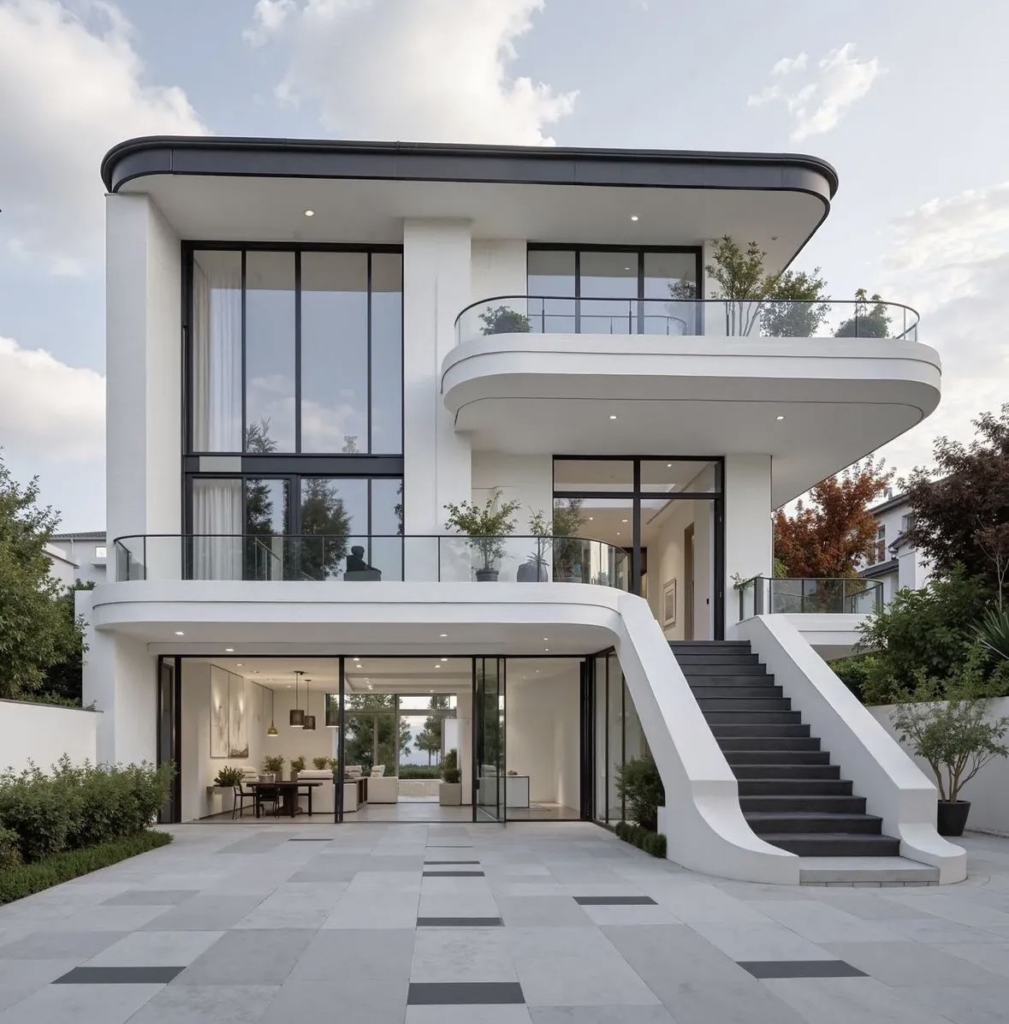
Commute and Location: Consider the availability and desirability of condos, apartments, and townhouses in your preferred commuting zones or urban/suburban settings. Look for apartments near transit, condos in downtown areas, or suburban townhouses.
Community Engagement: Do you crave interaction with neighbors? Condos and apartments often facilitate this more readily than detached homes.
Desire to Personalize: If making significant changes to your living space is important, ownership (condo, townhouse, or house) provides more freedom than renting.
Consider Your Long-Term Vision:
Investment Goals: Owning a condo or townhouse allows you to build home equity, a significant advantage for long-term wealth accumulation. Renting does not provide this benefit.
Future Mobility: If you anticipate moving within the next few years, renting an apartment offers the greatest flexibility. If you plan to stay put for 5+ years, the equity-building potential of ownership becomes more compelling.
Family Growth: As families grow, the need for more space often increases. Townhouses and detached homes typically offer more square footage and private outdoor areas suitable for children.
Expert Insights for Navigating Property Choices:
As you delve deeper, remember these expert tips:
Due Diligence on HOAs: For condos and townhouses with HOAs, scrutinize their financial health, reserve funds, and meeting minutes. A financially unstable HOA or a history of frequent special assessments can be red flags.
Noise Considerations: When viewing properties, pay close attention to sound insulation. Visit during peak hours to gauge potential noise levels from neighbors or surrounding traffic. End units in condos and townhouses generally offer less shared wall exposure.
Understand CC&Rs Thoroughly: Before signing any ownership documents, have a real estate attorney review the CC&Rs and HOA bylaws to ensure you are comfortable with all restrictions.
Get Pre-Approved for Financing: For ownership, securing mortgage pre-approval early will give you a clear budget and make you a stronger buyer. Lenders often conduct thorough reviews of condo associations for financing purposes.
The Path Forward
The decision between a condo, apartment, or townhouse is more than just a housing choice; it’s a reflection of your current life stage, financial aspirations, and desired living experience. While apartments offer unparalleled flexibility and ease, the enduring appeal of building equity and creating a personalized sanctuary often points towards ownership. Townhouses provide a desirable blend of autonomy and community, while condos offer a low-maintenance lifestyle with access to amenities, albeit with shared responsibilities and rules.
Ultimately, the best dwelling for you is the one that aligns with your unique circumstances. Don’t rush the process. Gather information, compare your options meticulously, and seek advice from trusted real estate professionals.
Ready to take the next step in finding your ideal urban residence? Whether you’re considering buying a condo in Atlanta, exploring apartments for rent in Chicago, or looking for townhomes for sale near Denver, a personalized consultation with a seasoned real estate advisor can provide the clarity and guidance you need to navigate this exciting journey. Let’s discuss your specific needs and uncover the perfect place for you to call home.