
Decoding the Dimensions: An Expert’s Guide to Understanding Square Footage in Real Estate
As a real estate industry veteran with over a decade of hands-on experience, I’ve navigated countless transactions where the seemingly simple concept of “square footage” becomes a bewildering labyrinth for both buyers and sellers. It’s a foundational metric, yet frequently misunderstood, leading to confusion, disputes, and sometimes, significant financial missteps. In today’s dynamic market, where every square foot carries substantial value, a precise understanding of how property dimensions are defined, measured, and reported is absolutely critical. This isn’t just about reading a number on a listing; it’s about discerning actual utility, market value, and the very essence of what you’re investing in.
This comprehensive guide aims to demystify the various ways square footage is calculated and presented in the United States real estate landscape. We’ll peel back the layers, moving beyond the headlines to the granular details that truly matter for home buyers, commercial investors, and property owners alike. From the fundamental “Gross Living Area” to the complexities of “Common Area Allocations” in multi-unit dwellings, and even the nuances impacting a “Real Estate Appraisal,” arming yourself with this knowledge is your first line of defense in making astute “Property Investment Analysis” decisions.
The Bedrock: Gross Living Area (GLA) and Finished Square Footage
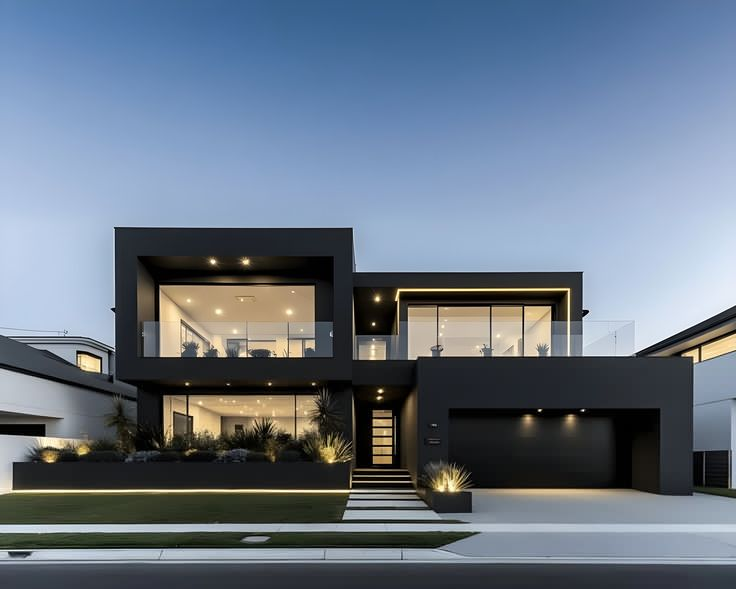
When you’re browsing listings for a single-family home, the most common and crucial measurement you’ll encounter is the Gross Living Area (GLA), often interchangeable with “Finished Square Footage.” This is your prime metric for understanding the actual usable, livable space within a residential property.
What GLA Encompasses:
GLA refers to the total area of finished, above-grade residential space calculated from the exterior dimensions of the structure. It must be heated and cooled and suitable for year-round occupancy. This includes:
All primary living spaces: Bedrooms, bathrooms, living rooms, dining rooms, kitchens, family rooms, and hallways on all levels above grade.
Attached structures that are finished and heated/cooled: For example, a sunroom built into the main footprint of the house.
Internal wall space: While not explicitly broken out as a separate metric in US residential sales, the area consumed by internal walls is included within the overall exterior footprint measurement of the GLA.
What GLA Excludes (and why it matters):
Understanding what GLA doesn’t include is just as vital, as these exclusions often represent additional, but distinct, forms of space:
Below-grade areas: Basements (even if finished), cellars, and sub-basements are not counted in GLA. A fully finished basement, while adding immense value and utility, will be itemized separately as “Finished Basement Square Footage.” This is a critical distinction for “Property Valuation,” as appraisers assign different per-square-foot values to above-grade versus below-grade spaces.
Garages: Attached or detached garages are never included in GLA, regardless of whether they are heated or cooled. They are typically listed as a separate line item (e.g., “Two-Car Attached Garage”).
Unfinished spaces: Attics, storage rooms, workshops, or any area lacking permanent heating/cooling, finished flooring, and walls are excluded.
External features: Open patios, decks, balconies, or porches are also not part of GLA. While these contribute to lifestyle and “Home Equity,” they are open-air or semi-open spaces, distinct from the enclosed, climate-controlled living area.
Why this distinction is paramount: For “Residential Property” sales, appraisers, lenders, and real estate professionals strictly adhere to these guidelines, especially those set by entities like Fannie Mae and Freddie Mac. Inconsistent measurement can trigger issues during “Mortgage Pre-approval” or “Real Estate Appraisal,” potentially impacting the loan amount or even the sale itself. As an “Investment Property Analysis,” understanding this core metric helps you accurately compare properties and project “ROI.”
Beyond the Walls: Considering Total Under-Roof Area
While GLA focuses on livable space, a broader perspective might sometimes consider the “Total Under-Roof Area.” This isn’t a universally standardized term like GLA but is often used in conversations around construction costs, “Property Development Consulting,” and overall building footprint.
Total Under-Roof Area would conceptually include:
The entire GLA.
Attached garages.
Finished or unfinished basements.
Enclosed porches or sunrooms (even if not fully heated/cooled to GLA standards).
Any other structurally enclosed space within the exterior perimeter of the main structure.
This metric is less about what you live in and more about the sheer physical presence and construction volume of the building. It’s particularly relevant for “Custom Home Builder Costs” and assessing the scope of a construction project. However, for a typical buyer, GLA remains the primary focus for comparison purposes in “Local Real Estate Markets.”
The Multi-Unit Maze: Common Area Allocations and Shared Spaces
Moving into “Commercial Property” or multi-family residences like condominiums and co-operatives introduces a different dimension to square footage: the concept of shared spaces and how they influence your individual unit. This is where the original article’s “Super Built-Up Area” concept finds its closest US equivalent, albeit structured differently.
In a condominium or co-op, your individual unit has its own defined Finished Square Footage (akin to GLA for a single-family home, measured from the interior side of the perimeter walls, or sometimes center-of-wall). However, you also own or have rights to a proportionate share of the common elements. These Common Area Allocations are crucial for understanding the true scope of your ownership and ongoing costs.
What Constitutes Common Areas:
Structural elements: Exterior walls, roof, foundation, lobbies, hallways, stairwells, elevators.
Shared amenities: Swimming pools, fitness centers, clubhouses, gardens, parking structures, utility rooms.
Infrastructure: Shared plumbing, electrical systems, HVAC for common areas.
How Common Areas Impact You:
Ownership Share: Your percentage of ownership in the common elements directly impacts your voting rights within the homeowners’ association (HOA) and your contribution to common expenses. This is typically outlined in the condominium declaration or co-op proprietary lease.
Homeowner Association (HOA) Fees: These fees cover the maintenance, insurance, and management of the common areas. A unit with a larger “Common Area Allocation” might correspond to a slightly higher percentage share, thus impacting your monthly HOA dues. This is a critical factor in “Property Investment Analysis” for rental units, as it affects cash flow.
Appraisal Considerations: While your individual unit’s square footage is appraised separately, the quality and extent of common amenities significantly influence the overall desirability and value of your unit. A well-maintained building with desirable amenities can command a premium, impacting “Property Valuation” and your “Home Equity.”
Density and Lifestyle: The ratio of individual unit space to shared common areas can affect the perceived density and lifestyle within the building. Buyers focused on “Luxury Real Estate Investment” often seek buildings with expansive, high-quality common areas.
Unlike the “Super Built-Up Area” where common areas are often added to your unit’s square footage to create a larger, aggregated number, in the US, common areas are typically owned in common with other residents. Your individual unit’s square footage generally remains distinct, but the value of the common areas is implicitly factored into the unit’s market price and “Real Estate Appraisal.”
The Nuances of Measurement: Building Codes, Zoning, and Local Standards
The discussion around square footage isn’t purely mathematical; it’s deeply intertwined with legal, regulatory, and practical considerations. Understanding these influences is vital for sound “Property Due Diligence Services.”
Building Codes and Permitting: Local “City Planning Departments” and building authorities define what constitutes finished space and habitable areas. Any renovation or addition that alters square footage must comply with these codes and obtain proper permits. Unpermitted additions, even if physically present, may not be counted towards GLA by an appraiser and can create legal liabilities for buyers. This is a critical point when evaluating “Property Tax Assessment Appeal” possibilities, as assessors base their calculations on legally recognized square footage.
Zoning Regulations: Zoning laws dictate what types of structures can be built on a given “Lot Size” and can impact maximum building footprints or impervious surface ratios. While not directly measuring interior space, zoning can limit the potential for future expansion or development, indirectly affecting total buildable area.
Appraisal Standards: As mentioned, appraisers adhere to strict guidelines (e.g., Uniform Standards of Professional Appraisal Practice – USPAP, and lender-specific overlays). They will often physically measure a property or verify existing measurements, ensuring accuracy for “Mortgage Lending Rates” and “Real Estate Appraisal” reports. Discrepancies between public records, builder plans, and actual measurements are not uncommon and warrant careful scrutiny. A “Certified Property Valuer” is your best resource here.
Public Records vs. Reality: Tax records (often maintained by “County Tax Assessors”) provide square footage figures that are generally reliable for property tax purposes. However, these records might not always reflect recent unpermitted additions, older measuring methods, or discrepancies that can arise over decades. Always cross-reference multiple sources and consider an independent measurement if in doubt, especially for high-value transactions or “Commercial Property Valuation.”
Rental Square Footage vs. Saleable Area: In “Commercial Property” leases, particularly for office or retail spaces, there can be a distinction between “Usable Space” (the actual area within your demised walls) and “Rental Square Footage” or “Rentable Area” (which includes a pro-rata share of common areas like lobbies, restrooms, and corridors within the leased floor). This “load factor” is critical for businesses calculating their effective cost per square foot and understanding their financial commitment.
Practical Tips from the Trenches: Empowering Your Property Decisions

My decade of experience has taught me that meticulousness in understanding square footage pays dividends. Here are my top practical recommendations for navigating this complex terrain, whether you’re a first-time homebuyer or an experienced “Real Estate Portfolio Management” professional:
Scrutinize All Documentation: Never rely solely on marketing materials. Demand access to floor plans, blueprints, and “Real Estate Appraisal” reports. Compare the listed square footage against tax records and, if possible, any previous appraisal documents.
Ask Direct Questions: Don’t be shy. Ask the seller’s agent, “Is this Gross Living Area?” “Does this include the finished basement?” “What is the total finished square footage, and how is the basement accounted for?” For condos, inquire about “Common Area Allocations” and how they affect HOA fees.
Understand Your Local Market’s Norms: While GLA is a national standard, how properties are measured and reported can have slight regional variations. What’s considered “above grade” in a hilly area might differ from a flat plain. Your “Buyer’s Agent” should be well-versed in “Local Real Estate Markets.”
Focus on Usable Space (GLA) First: For residential properties, prioritize GLA. This is your core living space. Then, evaluate how additional areas (basements, garages, outdoor living) enhance the property’s utility and value separately. Don’t let a huge “Total Under-Roof Area” distract from a small GLA if that’s what matters to your lifestyle.
Consider a Professional Measurement: For high-value properties, commercial leases, or if there are significant discrepancies, consider hiring a professional measurement service or an architect. The cost is negligible compared to the potential financial implications of an inaccurate square footage, which can be the basis for “Property Tax Assessment Appeal” later on.
Think Lifestyle and Future Needs (2025 Trends): Beyond the numbers, how does the space feel and function? With the rise of remote work, dedicated home office space (counted in GLA) is a premium. Open-concept living might reduce overall wall space but enhance flow. Smart home integration costs are less about square footage and more about technology density, but the underlying space dictates layout. “Sustainable Building Materials Pricing” and practices can impact construction, but the final square footage remains the core value driver.
Calculate Per-Square-Foot Value: Once you have a clear understanding of the relevant square footage (GLA for residential, Usable Space for commercial), calculate the price per square foot. This is a powerful tool for comparing properties objectively and identifying potential overpricing or undervaluation. Be sure you’re comparing apples to apples—don’t compare a finished basement’s per-square-foot cost to an above-grade living area’s.
The Bottom Line: Informed Decisions Lead to Smart Investments
Understanding square footage in real estate transcends mere academic interest; it’s a fundamental aspect of financial literacy for anyone engaging with the property market. Misinterpretations can lead to overpaying, disputes, and missed opportunities. As a seasoned expert in this field, I cannot stress enough the importance of diligent “Due Diligence.” From ensuring accurate “Property Valuation” to making sound “Investment Property Analysis” decisions, a clear grasp of these metrics empowers you to negotiate effectively, assess true value, and ultimately secure your financial well-being.
Don’t let ambiguous measurements or industry jargon cloud your judgment. The path to a successful real estate transaction begins with clarity on every square foot. If you’re ready to navigate your next property venture with confidence and precision, reach out to a trusted real estate professional who can provide personalized insights and guide you through the intricacies of the market.