
Beyond the Blueprint: A Master’s Guide to Decoding Real Estate Square Footage in the US Market
Navigating the intricate landscape of real estate, whether you’re a first-time homebuyer, a seasoned investor, or a developer, often feels like deciphering a complex code. Among the most crucial, yet frequently misunderstood, elements of this code are the various ways property size is measured. As an industry expert with over a decade in the trenches, I’ve seen firsthand how a lack of clarity around real estate square footage can lead to significant financial missteps, legal disputes, and unmet expectations.
Globally, different markets employ distinct terminologies for measuring space. While the United States adheres to its own set of standards, understanding concepts from other regions—like “Carpet Area,” “Built-Up Area,” and “Super Built-Up Area”—can provide a valuable perspective on the nuances of property measurement standards. This comprehensive guide aims to demystify these critical metrics, grounding them firmly in the context of the US real estate market. By the time you finish, you’ll be equipped with the knowledge to confidently assess usable living space, understand gross living area (GLA), scrutinize appraisal standards, and critically evaluate common areas and their impact on property valuation. Our goal is to empower your decisions, ensuring you get true value for your investment and clarity in every real estate transaction, ultimately strengthening your position in real estate investment.
The Foundation: Understanding Usable Space – Drawing Parallels to “Carpet Area”

Let’s begin with the most fundamental and often the most emotionally resonant measurement: the actual space where you live and interact. In some international markets, this is meticulously defined as “Carpet Area.” The “Carpet Area” refers to the floor area of an apartment, excluding the area covered by external walls, common shafts, and exclusive balconies or terraces. Essentially, it’s the pure, unobstructed interior space where you can “lay a carpet” or place your furniture. It represents the actual usable square footage within the four walls of your dwelling unit.
In the US context, while we don’t use the term “Carpet Area” formally, the concept of usable living space is paramount. When we talk about the interior footprint of a home or condominium unit, we are often referring to what an appraiser might categorize as a portion of the gross living area. This would encompass the areas within the unit’s interior walls, including bedrooms, bathrooms, living rooms, kitchens, and interior hallways. It’s the space you physically occupy, the heart of your home. This distinction is vital when comparing condo square footage or considering individual unit size.
For a buyer, this usable square footage is perhaps the most critical metric. It dictates how much furniture you can fit, how spacious the rooms feel, and ultimately, the practical functionality of the home. Developers and property management companies might highlight overall building size, but it’s the usable living space that directly impacts daily life. When evaluating a property, always ask for floor plans and take precise measurements yourself if possible. Discrepancies between advertised space and actual property square footage are a common source of buyer dissatisfaction. Understanding this core concept sets the stage for accurate property valuation services and helps you gauge the true worth of a property beyond mere marketing figures.
Expanding the Perimeter: “Built-Up Area” and Gross Living Area (GLA)
Moving beyond the immediate usable living space, we encounter concepts that incorporate structural elements. Internationally, the “Built-Up Area” expands upon the “Carpet Area” by including the thickness of the internal walls of the apartment. It might also include exclusive balconies, terraces, or corridors that are part of the specific unit, but generally excludes common areas like lobbies or staircases. It provides a slightly broader view of the individual unit’s total enclosed area.
In the United States, the closest and most critical parallel to “Built-Up Area” is the “Gross Living Area” (GLA). GLA is a standardized measurement, primarily used by appraisers, real estate agents, and lenders, to quantify the above-grade (above ground level), heated, and finished residential space. It’s the most common metric you’ll find cited in MLS listings across the country.
However, defining GLA isn’t always straightforward. Different organizations and states might have slightly varying interpretations:
ANSI (American National Standards Institute) Standards: Many appraisers adhere to ANSI Z765 standards, which specify how property measurement standards should be applied. Generally, these standards dictate that GLA includes only finished space measured from the exterior walls of the dwelling, excluding detached structures, garages, basements (even if finished), and unheated/uncooled spaces like porches or patios. Importantly, space with ceiling heights below 7 feet (or 5 feet under a sloped ceiling) is often excluded.
FHA/VA Guidelines: Government-backed loans like those from the Federal Housing Administration (FHA) and Department of Veterans Affairs (VA) have their own strict guidelines for square foot calculation, which may sometimes differ from conventional appraisal practices. These guidelines are crucial for borrowers securing development financing.
The distinction between what is included and excluded in GLA has significant implications for property valuation. A beautifully finished basement might add tremendous value and usable living space, but it won’t be counted in the GLA. Similarly, an attached garage, while valuable, is not part of GLA. These non-GLA spaces are typically noted separately in appraisals and contribute to the overall value but are not part of the primary real estate square footage calculation for “living area.” Understanding this helps you interpret home measurements accurately, especially when comparing homes with different layouts or lower-level finishes. When considering real estate investment, accurately assessing both GLA and additional finished spaces is paramount for calculating potential returns and for sound property tax assessment.
The Regulatory Imperative: “RERA Built-Up Area” and US Disclosure Standards
The concept of “RERA Built-Up Area” originates from India’s Real Estate (Regulation and Development) Act, 2016. Its primary purpose was to standardize measurement, enhance transparency, and protect consumers in real estate transactions. It’s similar to a “Built-Up Area” but specifically excludes the area of exclusive balconies or terraces, aiming for a more consistent and comparable measure across different projects. This regulatory intervention highlights a universal need for clarity and consumer protection in real estate area measurement.
While the US doesn’t have a direct equivalent to RERA or its specific “RERA Built-Up Area” definition, the spirit of standardization and consumer protection is addressed through various mechanisms. Instead of a single federal agency dictating precise measurement methodologies for all real estate square footage, we rely on a mosaic of professional standards, state-specific disclosure laws, and industry best practices:
Appraisal Standards: The Uniform Standards of Professional Appraisal Practice (USPAP) are the bedrock of property appraisal in the US. Appraisers are required to measure properties according to consistent methods, often referencing ANSI standards for residential properties. This ensures that property valuation services are based on reliable and comparable data.
MLS Guidelines: Many Multiple Listing Service (MLS) systems, which are databases used by real estate professionals, have their own guidelines for real estate area measurement. These guidelines often dictate what can be included in MLS listings as “living area” or building footprint, ensuring some level of consistency for agents within a specific regional market.
State Disclosure Laws: Most US states have laws requiring sellers and their agents to disclose known material facts about a property. While not always directly mandating a specific measurement method, these laws compel transparency, especially if there are known measurement discrepancies. Misrepresenting property square footage can lead to legal ramifications for agents and sellers.
Licensing Boards and Ethical Practices: State real estate licensing boards emphasize ethical conduct. Professionals providing real estate consulting are expected to act with due diligence regarding property information, including measurements. Errors or intentional misrepresentations can lead to sanctions.
The lack of a single, universally mandated federal standard for real estate area measurement in the US means that buyers and sellers must be diligent. It’s common to find slight variations in square foot calculation between county tax records, architectural plans, prior MLS listings, and an independent appraisal. This makes a strong case for seeking professional verification, especially for luxury real estate or complex commercial real estate development projects where precision can significantly impact development financing and overall project viability.
The Holistic Perspective: “Super Built-Up Area” and Common Interest Property
The most expansive measurement in some international markets is the “Super Built-Up Area.” This metric takes the “Built-Up Area” and adds a proportionate share of the building’s common areas. These common areas typically include shared amenities like lobbies, staircases, elevators, clubhouses, swimming pools, fitness centers, gardens, and even parking spaces. It represents the total real estate square footage footprint associated with a unit, encompassing both individual and shared spaces. This provides a comprehensive view for investment property analysis, as it reflects the overall scale of the development and the amenities available.
In the US real estate market, this concept resonates strongly within “Common Interest Properties,” primarily condominiums, co-operatives, and planned unit developments (PUDs) governed by Homeowners’ Associations (HOAs). While we don’t use “Super Built-Up Area,” we certainly account for the value and cost associated with shared amenities and common elements.
Here’s how the US market addresses the “Super Built-Up Area” concept:
Individual Unit Measurement: As discussed, condo square footage is typically measured as usable living space (interior of the unit) or GLA (from exterior walls). This is the primary real estate square footage figure you’ll see for an individual unit.
Common Areas and Amenities: The shared spaces—lobbies, elevators, hallways, gyms, pools, parking garages, community rooms—are defined as “common elements” in condominium declarations. These are owned collectively by all unit owners as “tenants in common” or are owned by the HOA. The value of these shared amenities significantly contributes to the overall appeal and perceived value of the individual units, especially in luxury real estate or urban developments.
Pro-Rata Share and HOA Fees: While you don’t “own” a specific square foot calculation of the common areas, each unit owner is allocated a “pro-rata share” of these common elements, typically based on the size of their unit. This share determines their voting rights in the HOA and, more importantly, their portion of the financial responsibility for maintaining these common areas through monthly HOA fees. These fees cover maintenance, repairs, insurance for common elements, and contributions to reserve funds, which can directly impact home equity loans by affecting debt-to-income ratios.
Impact on Value: The quality and breadth of common areas and shared amenities directly influence property valuation. A condo with a state-of-the-art gym, rooftop terrace, and concierge service will command a higher price per real estate square footage than a comparable unit in a building with fewer amenities, even if the unit’s usable living space is identical. For commercial real estate development, the shared infrastructure is a key selling point.
For real estate investment, especially in multi-family units, understanding the “Super Built-Up Area” equivalent in terms of common areas and HOA structures is crucial. High HOA fees can erode investment property analysis returns, but well-maintained and desirable amenities can also drive rental income and property appreciation. It’s a delicate balance that property management companies expertly navigate.
The Financial Implications and Navigating Measurement Pitfalls
Understanding the various real estate area measurement methods is not merely an academic exercise; it has profound financial implications. The price you pay, the taxes you owe, and the potential resale value of your property are all inextricably linked to these measurements.
Price Per Square Foot: This metric is a ubiquitous tool for comparing property valuation. However, its utility depends entirely on which square footage is being used. Comparing the price per usable living space of one property to the GLA of another, or to a calculation that includes non-GLA spaces, is like comparing apples to oranges. Always clarify the basis of the square footage when seeing “price per square foot” figures in MLS listings or marketing materials, particularly in dense urban markets like New York or California real estate.
Measurement Discrepancies: It’s common for a property to have multiple square foot calculation figures: the tax assessor’s record, the original architectural plans, a past MLS listing, and a new appraisal. These measurement discrepancies arise from differing standards (e.g., measuring from interior vs. exterior walls, including or excluding specific spaces), errors, or even deliberate (though unethical) inflation. For development financing and sales, these inconsistencies can cause significant delays or even scuttle deals.
Property Tax Assessment: Your local property tax assessment is often directly tied to the reported real estate square footage of your home. An inaccurate or inflated measurement on tax rolls can lead to higher taxes than you rightfully owe. Conversely, an understated measurement might seem beneficial but could cause issues during resale or refinancing when an appraiser provides a higher property valuation.
Appraisal Standards and Home Equity Loans: Lenders rely heavily on independent appraisals to determine the value of a property for mortgages and home equity loans. The appraiser’s calculation of GLA (and the value they assign to other spaces) directly impacts how much you can borrow. If real estate square footage is incorrectly represented, it could jeopardize your financing.
Investment Property Analysis: For real estate investment, accurate square foot calculation is fundamental for projecting rental income, calculating expenses (like utility costs per square foot), and assessing potential returns. Misjudging the true usable living space or overestimating the value of common areas can lead to flawed investment property analysis.
To avoid pitfalls, always:
Clarify: Ask specifically what is included in any real estate square footage figure provided.
Verify: Request floor plans, tax records, and prior appraisal reports. Consider hiring a professional to conduct an independent measurement, especially for luxury real estate or if measurement discrepancies exist.
Compare Apples to Apples: Ensure you are comparing properties using the same property measurement standards.
Seek Expert Advice: Engage a knowledgeable real estate agent, appraiser, or real estate consulting firm.
2025 Trends and the Evolving Landscape of Real Estate Measurement
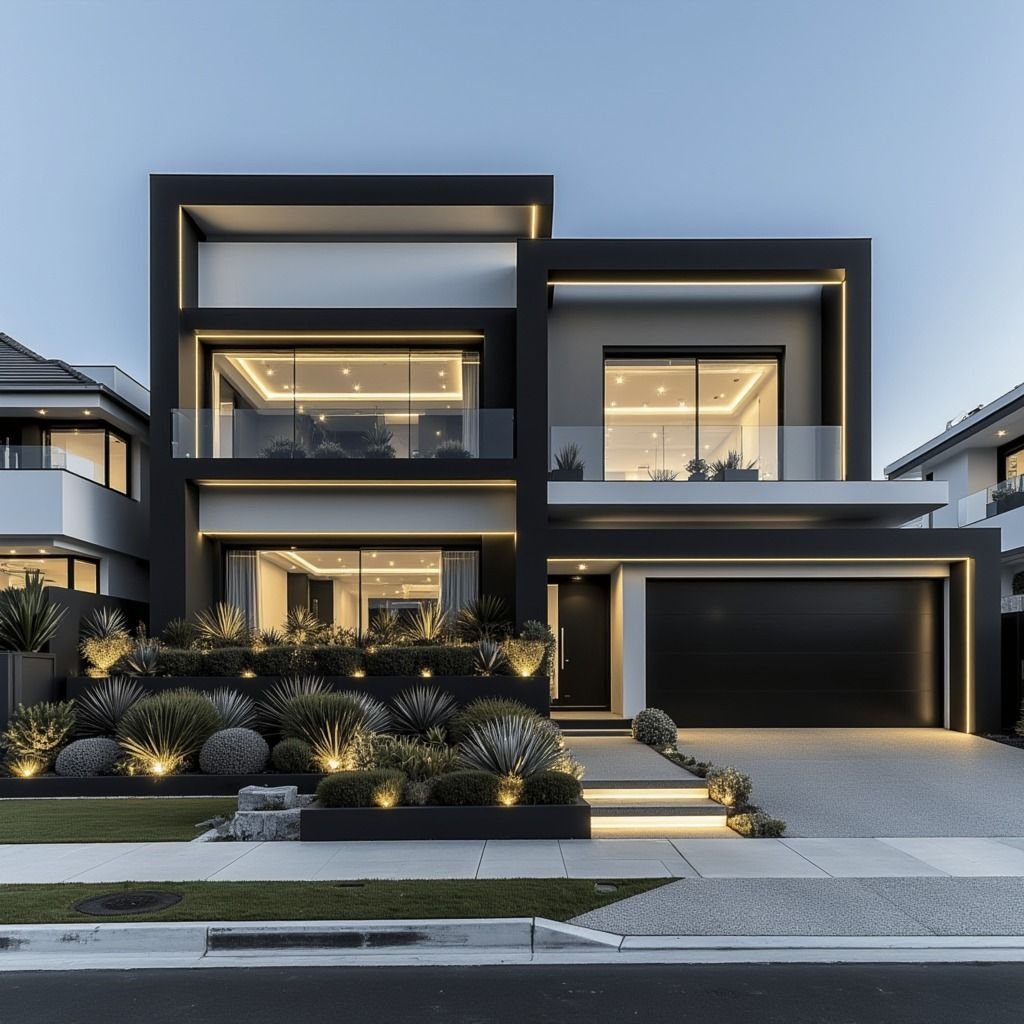
As we look towards 2025 and beyond, the way we measure and perceive real estate square footage continues to evolve.
Technological Advancements: The advent of laser measuring devices, 3D scanning, Matterport tours, and even AI-powered floor plan generation is bringing unprecedented accuracy and visual clarity to home measurements. These tools are reducing human error and providing buyers with a much more immersive and precise understanding of a property’s usable living space and building footprint before they even step foot inside. This will increasingly become standard practice in MLS listings.
Focus on Functional Space: Beyond raw real estate square footage, there’s a growing emphasis on functional layout and flexible spaces. Buyers are increasingly valuing efficient design, adaptable rooms (e.g., home offices, multi-purpose flex spaces), and integration with outdoor living areas. A smaller, well-designed home can often feel larger and more valuable than a sprawling, inefficient one, shifting the property valuation paradigm.
Sustainability and Green Metrics: As sustainability gains prominence, future property measurement standards might incorporate metrics related to energy efficiency, passive design elements, or even carbon footprint per square foot calculation. The value of “green” real estate investment is rising, and this will inevitably influence how properties are measured and marketed.
Mixed-Use Developments Redefine Common Areas: The proliferation of mixed-use developments, combining residential, commercial, and retail spaces, is blurring the lines between private usable living space and shared community amenities. Commercial real estate development in these contexts requires sophisticated property management companies and often involves complex allocations of common areas and shared costs, further impacting residential property valuation services.
Data-Driven Decisions: The real estate industry is increasingly data-driven. Advanced analytics, fueled by accurate real estate square footage data, will provide more precise investment property analysis, helping investors identify undervalued assets and optimize portfolios.
The future of real estate area measurement promises greater transparency and sophistication, but the core principles of understanding what you’re buying, selling, or investing in remain timeless.
Conclusion
Understanding the various ways real estate square footage is measured is not just a technicality; it’s a cornerstone of informed decision-making in the US property market. From the fundamental usable living space (akin to “Carpet Area”) to the comprehensive scope of gross living area (GLA), and the crucial role of common areas in shared communities, each metric tells a distinct part of the property’s story. While US property measurement standards differ from international terminologies like “Built-Up Area” or “Super Built-Up Area,” the underlying principles of assessing space, structure, and shared elements are universal.
As an expert with years of experience, I cannot overstate the importance of clarity in these matters. Accurate square foot calculation impacts property valuation, property tax assessment, home equity loans, and the overall success of any real estate investment. By cutting through the jargon and understanding the nuances, you empower yourself to make intelligent choices, avoid costly mistakes, and confidently navigate the complexities of the market. Don’t let uncertainty dictate your most significant financial decisions.
To navigate the complexities of real estate area measurement effectively, connect with a seasoned real estate professional or property valuation expert in your local market. They can provide tailored insights, verify dimensions, and ensure your next real estate transaction is built on a foundation of clarity and confidence. Don’t leave your biggest investment to chance – empower your decisions with expert guidance today.