
The Supreme Court and the Shifting Sands of Presidential Tariff Power
In an era defined by dynamic global trade and complex international relations, the lines of authority within the United States government often face rigorous examination. Few areas have ignited as much constitutional debate and economic scrutiny in recent years as the power of the presidency to unilaterally impose tariffs. As we navigate 2025, the echoes of a pivotal Supreme Court deliberation continue to reverberate, particularly the incisive questioning by Justice Sonia Sotomayor, which laid bare fundamental disagreements about the very nature of tariffs and the constitutional limits of executive power. This discussion isn’t merely academic; it has profound implications for US trade policy, the balance of power, and the everyday economic realities of American citizens.
The Enduring Question: Are Tariffs Taxes?
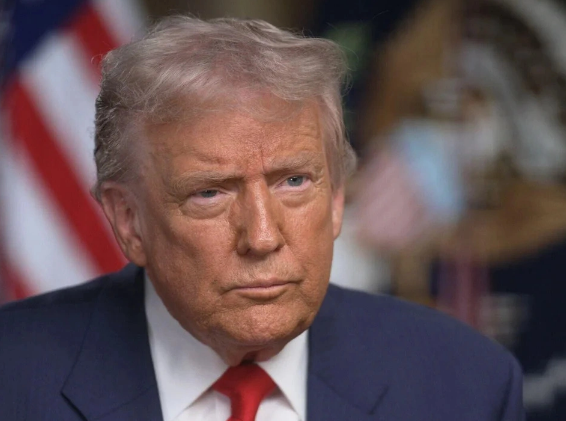
At the heart of the Supreme Court’s scrutiny was the seemingly straightforward, yet legally contentious, question: are tariffs a tax? The Trump administration, through its Solicitor General, advanced the argument that these import duties were primarily “foreign-facing regulations of foreign commerce,” deliberately downplaying their financial impact on the American populace. This framing attempted to circumvent the constitutional reality that the power to tax is explicitly vested in the legislative branch—Congress—under Article I, Section 8 of the U.S. Constitution.
Justice Sotomayor, with her characteristic jurisprudential clarity, cut directly to the core of the issue, stating unequivocally, “That’s exactly what they are!” Her insistence underscored a crucial distinction: while tariffs are indeed a tool of trade regulation, their economic effect is undeniably that of a tax. They levy a charge on imported goods, which is typically borne by domestic importers and, subsequently, passed on to American consumers through higher prices. To argue otherwise is to ignore basic economic principles and the direct impact on the consumer price index. This perspective challenges the administration’s narrative that foreign entities alone bear the burden, highlighting instead the financial toll on businesses and households across the nation.
The Solicitor General’s legal strategy sought to characterize tariffs as a regulatory mechanism rather than a revenue-generating tax, thereby attempting to bring them under the umbrella of presidential authority over foreign affairs and trade. However, Justice Sotomayor’s questioning systematically dismantled this premise, emphasizing that the practical outcome—degenerating money from American citizens’ revenue—is indistinguishable from a tax. This debate is fundamental to understanding executive branch authority versus congressional power over commerce and remains a cornerstone of the ongoing discussion around US trade policy.
The Major Questions Doctrine: A Bulwark Against Executive Overreach
Beyond the “tariffs as taxes” debate, the Supreme Court’s deliberations ventured into the critical territory of the Major Questions Doctrine. This judicially created principle requires that an agency (or in this case, the Executive Branch acting via statutory authority) must have clear congressional authorization when making decisions of “vast economic and political significance.” It serves as a vital check, preventing the executive from unilaterally enacting policies that have widespread societal impact without explicit direction from the people’s elected representatives.
Justice Sotomayor effectively employed a hypothetical scenario involving then-President Biden to illustrate the potential for executive overreach if the Major Questions Doctrine were to be dismissed or applied inconsistently. She posited: “So Biden could have declared a national emergency in global warming and then gotten his student forgiveness, to not be a major questions doctrine?” Her point was sharp: if the President could unilaterally impose significant import duties under the guise of regulating foreign commerce or national emergency without clear congressional backing, then what limits would exist for other executive actions with massive economic implications, such as student loan forgiveness or sweeping climate regulations?
The Solicitor General’s struggle to provide a coherent distinction between these hypothetical presidential actions and the unilateral imposition of tariffs exposed the logical inconsistencies in his argument. His assertion that “The power to impose tariffs is a core application of the power to regulate foreign commerce” was met with skepticism precisely because it seemed to bypass the necessary congressional input for decisions of such magnitude. The Court’s justices, particularly Sotomayor, recognized that accepting such broad interpretations of executive power risked setting a dangerous precedent, creating a pathway for presidents to bypass Congress on a wide array of policy issues under the banner of foreign policy or emergency declarations. This brings to the forefront the critical role of judicial review in maintaining the constitutional separation of powers and upholding the system of checks and balances.
Justice Gorsuch and the “One-Way Ratchet” of Power
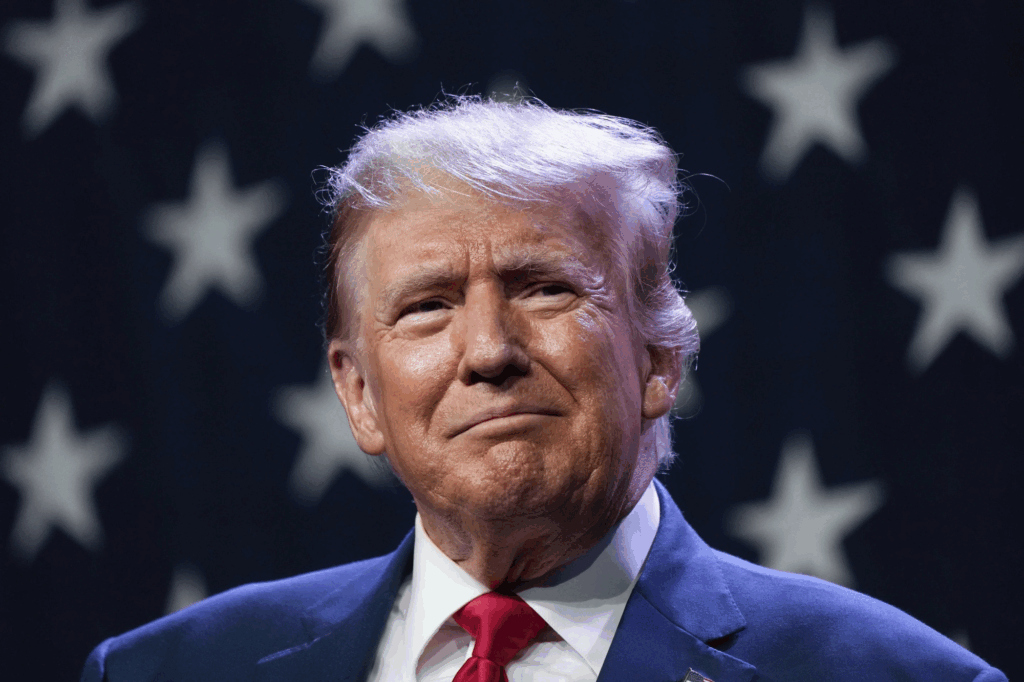
The concerns about executive overreach were not confined to the more liberal wing of the Court. Justice Neil Gorsuch, known for his commitment to textualism and originalism, also voiced significant apprehension. He explicitly warned of “a one-way ratchet toward the gradual but continual accretion of power in the executive branch and away from the people’s elected representatives.” This statement encapsulates a profound anxiety regarding the erosion of legislative authority and the concentration of power in the presidency.
Gorsuch’s “one-way ratchet” analogy powerfully illustrates the cumulative effect of allowing presidents to incrementally expand their powers without explicit congressional authorization. Each instance where the executive acts unilaterally, unchallenged by the judiciary or Congress, sets a precedent that can be built upon by future administrations, irrespective of political party. This gradual shift undermines the fundamental design of the U.S. Constitution, which intentionally diffuses power among three co-equal branches to prevent tyranny and ensure democratic accountability. The debate over tariffs thus becomes a microcosm of a much larger struggle to preserve the delicate balance envisioned by the Founders.
Historically, presidents have been granted certain authorities in foreign trade, particularly through statutes like the Trade Expansion Act or Section 232 of the Trade Act of 1962, which allows for tariffs on imports deemed a threat to national security. However, the application of these statutes, especially under recent administrations, has often pushed the boundaries of their original intent. The Supreme Court’s deliberation, therefore, scrutinizes not just the existence of such powers but their scope and application in a manner that respects constitutional limitations. The judiciary is tasked with determining whether the executive’s actions align with the spirit and letter of the law, especially when those actions have significant economic impact of tariffs on the nation.
Economic Consequences and Global Trade Realities in 2025
Beyond the legal and constitutional intricacies, the practical economic impact of tariffs remains a central concern. In 2025, the lessons learned from previous trade disputes and the imposition of widespread tariffs are undeniable. While proponents argue that tariffs protect domestic industries and encourage local production, the reality often presents a more complex picture.
Tariffs frequently lead to higher prices for consumers, as import costs are passed down the supply chain. This translates to increased costs for everyday goods, from electronics and clothing to industrial components, directly impacting household budgets. Businesses that rely on imported raw materials or intermediate goods also face higher operational costs, potentially leading to reduced profitability, job cuts, or a loss of competitiveness in global trade agreements. The manufacturing sector, often touted as a beneficiary, can suffer from increased input costs and retaliatory tariffs from other nations, hindering its ability to export.
Moreover, the imposition of tariffs can disrupt established global supply chains, forcing companies to reconfigure their sourcing strategies, which can be costly and time-consuming. It can also strain international diplomatic relations, leading to retaliatory measures that hurt U.S. exporters and farmers. The notion that tariffs are a burden solely on foreign nations is an economic fallacy that the Supreme Court justices, particularly Sotomayor, astutely recognized and challenged. Their questioning sought to ensure that any presidential action, particularly one with such far-reaching economic consequences, is grounded in sound constitutional authority and not merely a convenient interpretation of executive power.
Looking Ahead: The Future of Presidential Trade Authority
As 2025 unfolds, the legal questions surrounding Presidential Tariff Power continue to be relevant. The Supreme Court’s nuanced discussions in previous cases lay the groundwork for future rulings that will likely further define the precise boundaries of executive authority in trade and foreign policy. A potential ruling could either affirm a broad interpretation of presidential power in times of perceived national security threat or significantly narrow it, requiring clearer and more explicit congressional authorization for large-scale import duties.
Such a decision would undoubtedly redefine the landscape of US trade policy. If the Court were to significantly curb the President’s unilateral tariff powers, it would likely empower Congress to reassert its constitutional role in regulating commerce and taxation. This could lead to a more deliberative and bipartisan approach to trade policy, with increased accountability to the American people through their elected representatives. Conversely, a decision that largely upholds expansive presidential power could further solidify the “one-way ratchet” toward executive dominance, raising ongoing concerns about constitutional separation of powers and checks and balances.
The ongoing debate underscores the critical role of the judiciary in interpreting the Constitution and ensuring that no single branch of government oversteps its prescribed boundaries. The questions posed by Justices Sotomayor and Gorsuch are not merely about tariffs; they are about the fundamental architecture of American governance—the delicate interplay between the Executive, Legislative, and Judicial branches, and the ultimate accountability to the people. As the nation grapples with an increasingly interconnected global economy, clarity on these constitutional questions is more vital than ever for fostering stable trade relations, ensuring economic prosperity, and preserving the democratic principles upon which the United States was founded. The future of global trade agreements and the stability of the consumer price index for American families depend, in part, on a well-defined and constitutionally sound framework for our trade policies.