
Navigating the Real Estate Minefield: Your Expert Guide to Avoiding Problem Properties in the USA
For a decade, I’ve navigated the intricate landscape of the U.S. real estate market, from bustling urban centers like New York City to emerging hot spots in Austin, Texas. My expertise lies in identifying potential pitfalls before they derail a buyer’s dream, and chief among those pitfalls is the dreaded problem property. This isn’t about minor cosmetic flaws; we’re talking about homes with significant, often costly, underlying issues that can turn a seemingly sound investment into a financial quagmire. Understanding how to avoid buying a problem property is paramount, not just for protecting your capital, but for safeguarding your peace of mind for years to come.
The allure of homeownership in America is powerful. The dream of planting roots, building equity, and creating a personal sanctuary is a cornerstone of the American ethos. Yet, beneath the surface of attractive listings and compelling open houses can lie a hidden reality – a problem property. These are not just homes that need a fresh coat of paint; these are properties burdened by material defects, environmental hazards, or legal entanglements that can manifest into substantial financial liabilities and ongoing headaches. As a seasoned real estate professional, I’ve witnessed firsthand the devastating consequences of overlooking these critical warning signs.
Defining the “Problem Property”: Beyond Surface-Level Scrutiny
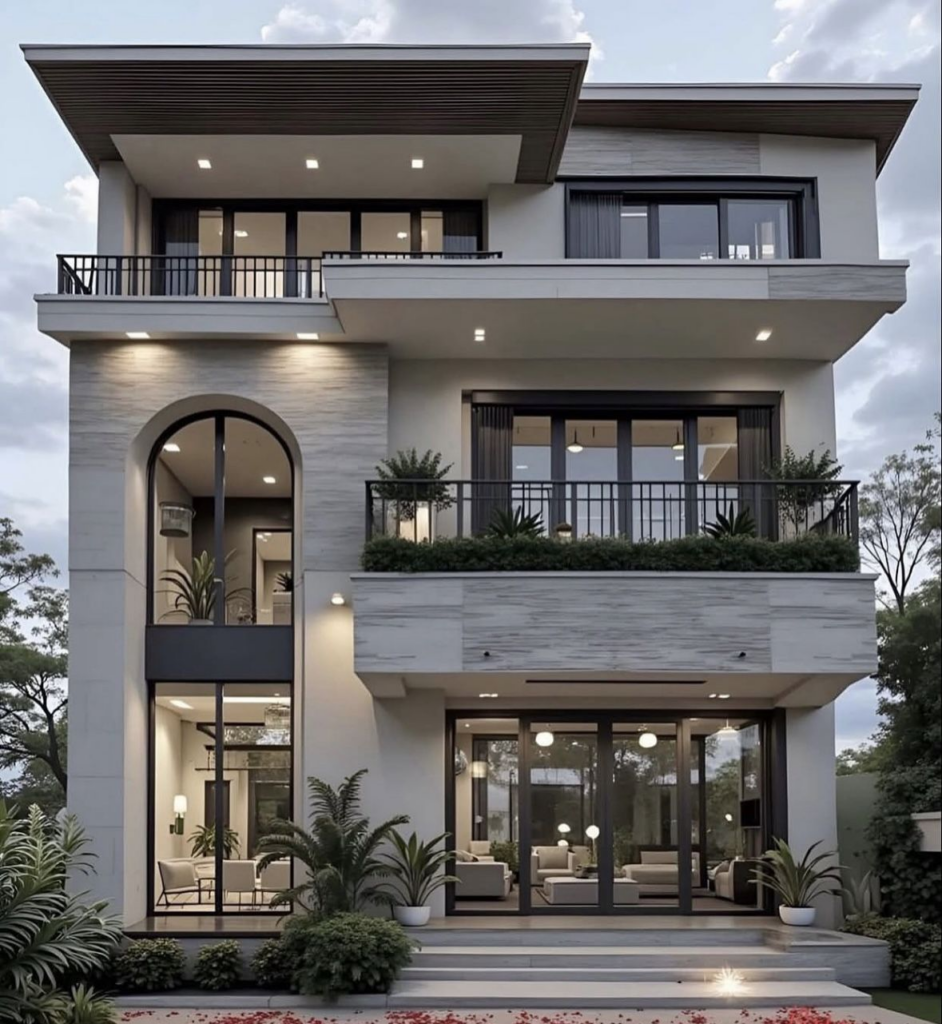
At its core, a problem property is a residential dwelling that possesses one or more significant defects. These defects can range from overt structural compromises to insidious environmental threats, or even critical code violations that can impede future saleability or occupancy. My experience has shown that the most common categories of problem properties often fall into these critical areas:
Structural Integrity Compromised: This is arguably the most concerning category. We’re talking about foundations that are cracking or settling, framing that has been compromised by rot or insect infestation, or roofing systems that are failing. The cost to rectify severe structural damage can easily run into tens, if not hundreds, of thousands of dollars, making it a non-negotiable concern for any discerning buyer. Consider a charming Victorian in Savannah, Georgia; its historic beauty might mask underlying foundation issues due to age and soil conditions, a classic example of a potential structural problem property.
Environmental Hazards Lurking: These can be silent, invisible threats that pose significant health risks. Mold infestations, often stemming from persistent moisture intrusion, can cause respiratory problems and are incredibly difficult and expensive to remediate completely. Radon gas, a naturally occurring radioactive gas, can accumulate in basements and lower levels, increasing cancer risk. Older homes might also contain lead-based paint or asbestos, requiring specialized and costly abatement procedures. Identifying these requires more than just a visual walkthrough; it demands specialized testing and a keen eye for potential sources of contamination.
Code Violations and Permitting Nightmares: Municipalities across the U.S. have building codes designed to ensure safety and habitability. Properties with numerous code violations – such as unpermitted additions, faulty electrical or plumbing work, or inadequate fire safety measures – can lead to significant repair costs and regulatory hurdles. Furthermore, these violations can make it incredibly difficult to obtain financing or to sell the property in the future, effectively rendering it a problem property from a marketability standpoint.
Vulnerability to Natural Disasters: Location, location, location – it’s a real estate mantra for a reason, and it extends to risk assessment. Homes situated in designated floodplains, coastal surge zones, or areas prone to wildfires, earthquakes, or extreme weather events carry a higher inherent risk of damage. While insurance can mitigate some of the financial fallout, repeated claims can lead to exorbitant premiums or even non-renewals. Understanding the historical and projected risks for a particular parcel is crucial, especially when considering properties in regions like coastal Florida or earthquake-prone California.
Proximity to Undesirable Influences: While not always a direct defect of the property itself, living next to a noisy industrial facility, a constant source of air pollution, or a site with significant odor issues can drastically diminish quality of life and negatively impact property value. This falls under the umbrella of “undesirable location attributes” that can transform an otherwise sound structure into a problem property from a livability and resale perspective.
The Proactive Buyer: Strategies to Uncover Hidden Flaws
My ten years in the industry have taught me that the most successful home purchases are those where diligence trumps impulse. The strategies I consistently advise clients on revolve around a multi-pronged approach to due diligence, far beyond a cursory glance. To truly avoid buying a problem property, you need to actively seek out information and engage professionals.
The Indispensable Home Inspection: Your First Line of Defense
This is non-negotiable. A comprehensive home inspection is the cornerstone of due diligence. It’s not just about ticking boxes; it’s about engaging a qualified, licensed, and experienced home inspector who can identify potential issues you might overlook. They will meticulously examine:
Structural Elements: Foundation, framing, walls, floors, and ceilings will be scrutinized for signs of stress, cracking, water damage, or pest infestation.
Roofing System: Age, condition, and potential for leaks will be assessed, along with the integrity of gutters and downspouts.
Plumbing and Electrical Systems: Functionality, safety, and potential code violations within these critical systems are paramount. Old wiring, outdated breaker boxes, or leaky pipes are red flags.
HVAC Systems: The efficiency and condition of heating, ventilation, and air conditioning units will be evaluated.
Insulation and Ventilation: Proper insulation impacts energy efficiency and can prevent moisture-related issues.
Interior and Exterior Finishes: While inspectors focus on function, they’ll note significant cosmetic issues that might indicate underlying problems.
When selecting an inspector, prioritize experience and credentials over the lowest price. Ask for references, read reviews, and be present during the inspection to ask questions. A thorough inspection report for a property in a competitive market like Denver, Colorado, might reveal a need for a specialized structural engineer or a licensed mold remediation specialist, adding crucial layers to your decision-making.
Digging into the Property’s History: Unearthing Past Issues
The physical inspection is vital, but understanding the property’s lineage is equally important. This involves delving into its documented history:
Title Reports and Public Records: Obtaining a copy of the property’s title report from the county recorder’s office is a critical step. This document reveals any existing liens, easements, judgments, or other encumbrances that could cloud the title and affect ownership. It’s your window into any past legal entanglements.
Permit History: Contact your local municipality’s building department to review past permits issued for the property. A lack of permits for significant renovations or additions can indicate unpermitted work that may not meet current codes and could be a costly surprise down the line. This is particularly important for properties with extensive remodels or additions.
Previous Sales Records: Understanding how long previous owners lived in the home and at what price it sold can sometimes offer clues. A property that has been on and off the market multiple times or sold at a significant discount might warrant further investigation.
The Neighborly Intel: Leveraging Local Knowledge
Don’t underestimate the power of local intelligence. Neighbors who have lived in the area for a while can offer invaluable insights into the property and its surroundings that might not be apparent during a brief showing. Engage them in conversation during your visits. Ask about:
Past issues with the property: Have there been recurring problems with flooding, pests, or noisy neighbors?
Neighborhood dynamics: Are there any upcoming developments, zoning changes, or community concerns that could impact the property?
Owner history: While respecting privacy, general sentiment about past owners and their experiences can sometimes be telling.
A casual chat with a long-time resident in a historic district of Boston, Massachusetts, might reveal a recurring issue with basement flooding during heavy rains – information crucial for assessing risk, especially if that property is also in a flood-prone area.
The Drive-By Due Diligence: Observing the Property in Context
A single visit during daylight hours provides only a snapshot. To truly gauge the property’s environment and potential issues, conduct drive-by inspections at different times of the day and week:
Morning Commute: Assess traffic patterns, noise levels, and any potential congestion.
Afternoon: Observe sunlight exposure, pedestrian activity, and any lingering odors.
Evening: Evaluate street lighting, general safety, and the atmosphere of the neighborhood after dark.
Weekend: Gauge the activity levels of neighbors and any potential for increased noise from nearby businesses or recreational areas.
This observational phase can highlight issues like excessive street noise, heavy commercial traffic, or a generally unkempt surrounding area that might not be apparent during a formal showing.

Advanced Due Diligence: For High-Value Investments and Complex Properties
For significant investments, or properties in areas known for specific environmental concerns, consider these advanced steps:
Specialized Environmental Testing: If mold is suspected, or if the property is in an area with known soil contamination or near former industrial sites, consider professional mold testing, radon testing, or soil analysis. This is crucial for understanding the true cost of inhabiting a property.
Sewer Scope Inspection: For older homes, a sewer scope inspection can reveal underlying issues with the main sewer line, such as cracks, blockages, or root intrusion, which can be incredibly expensive to repair.
Termite and Pest Inspections: In many regions, particularly those with high humidity or abundant wood structures, a thorough pest inspection for termites, carpenter ants, and other wood-destroying organisms is essential.
Structural Engineer Consultation: If the initial home inspection raises significant structural concerns, bringing in a licensed structural engineer is the best way to get an expert assessment of the problem and the required repairs. This is particularly relevant when analyzing a historical property in a region like New Orleans, Louisiana, where unique architectural challenges and environmental factors can contribute to structural issues.
The Cost of Ignoring the Warnings: The True Price of a Problem Property
The temptation to overlook minor issues or push past nagging doubts, especially in a seller’s market, can be immense. However, the financial and emotional toll of purchasing a problem property far outweighs any perceived short-term advantage.
Escalating Repair Costs: Initial estimates can often be underestimated. Unexpected issues unearthed during renovations or repairs can quickly inflate the budget, turning a dream home into a financial burden.
Diminished Resale Value: A property with a history of significant defects, even if repaired, can be more challenging to sell and may command a lower price in the future.
Legal Ramifications: In some cases, undisclosed defects can lead to legal disputes with previous owners or even contractors.
Health and Safety Risks: Environmental hazards and structural failures can pose direct risks to the well-being of occupants.
Emotional and Mental Strain: Constantly worrying about repairs, dealing with unexpected problems, and the financial stress can significantly impact your quality of life and enjoyment of your home.
Navigating the Market with Confidence: Your Path to a Sound Investment
As an industry expert, my guiding principle is that knowledge is power. The real estate market is complex, and while the dream of homeownership is achievable for most, it requires diligence, strategic planning, and a commitment to thorough investigation. The strategies outlined here – rigorous inspections, deep historical research, local intelligence gathering, and contextual observation – are not merely suggestions; they are essential practices for any buyer serious about making a sound investment and avoiding the pitfalls of a problem property.
Whether you’re exploring single-family homes for sale in Chicago, Illinois, looking for a starter home in a suburban community, or considering a significant investment in a luxury property, the principles remain the same. Protect your investment, safeguard your well-being, and ensure that your homeownership journey is one of joy and prosperity, not one of regret.
Are you ready to embark on your homebuying journey with confidence? Let’s connect to discuss your real estate goals and ensure you have the expert guidance needed to navigate the market and find a property that truly fits your vision, free from hidden surprises.