
Decoding Property Dimensions: A Savvy Buyer’s Blueprint to Carpet, Built-Up, and Super Built-Up Areas
For over a decade immersed in the dynamic world of real estate, I’ve witnessed firsthand the confusion that often surrounds property measurement terminology. Terms like “carpet area,” “built-up area,” and the more recently prominent “super built-up area” can feel like an arcane language to newcomers. However, mastering these definitions isn’t just about understanding jargon; it’s a fundamental step toward making sound financial decisions, whether you’re acquiring your dream home or divesting an investment. This in-depth exploration aims to demystify these critical concepts, equipping you with the foresight to navigate the property market with confidence and ensure you’re securing genuine value.
The Cornerstone: Understanding Carpet Area
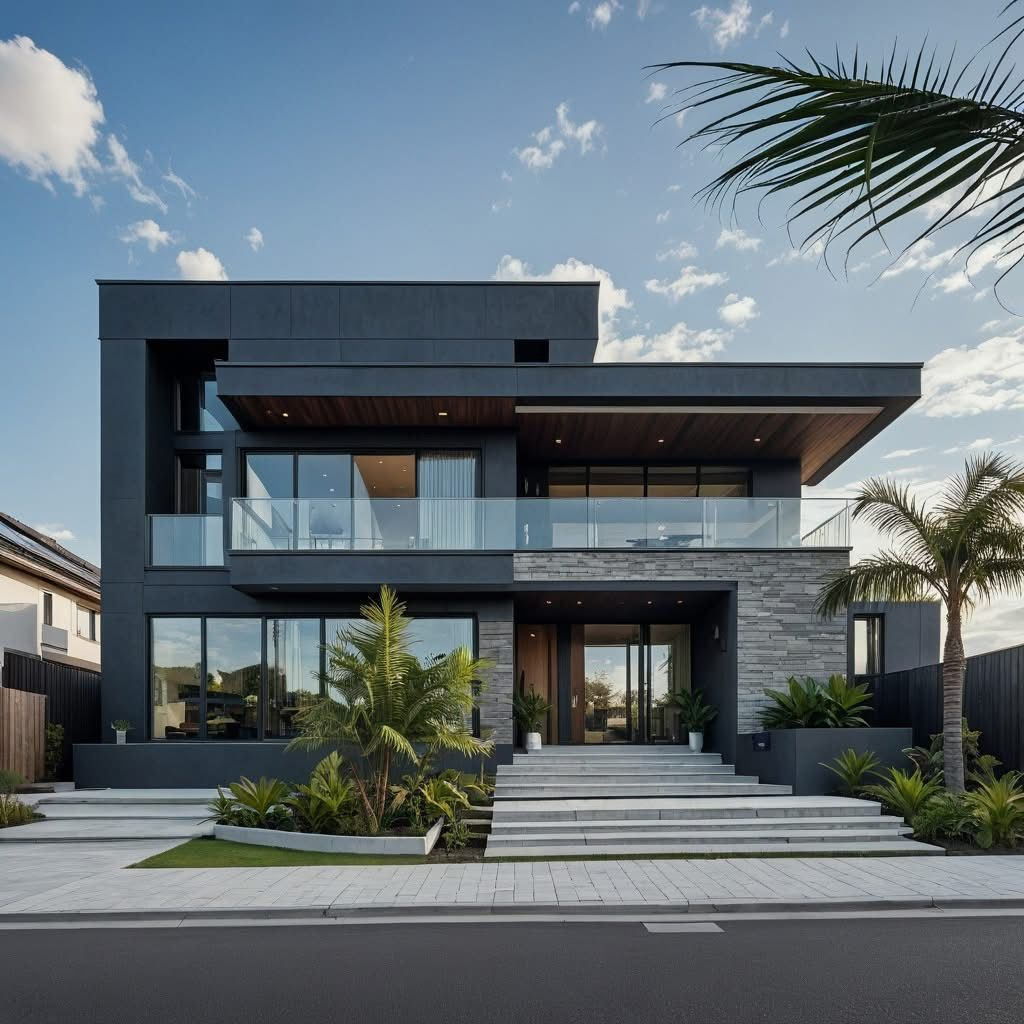
At the heart of any property’s usable dimension lies the carpet area. This is the most precise reflection of the space you will actually inhabit. Envision it as the expanse within your apartment’s internal walls where you can lay down carpeting, arrange your furniture, and move about without obstruction. Crucially, the carpet area excludes the footprint of external walls, structural shafts (like those for elevators or plumbing), and any exclusive balconies or terraces. It’s the true, measurable living space. For instance, if you’re contemplating a new development in a bustling urban center like New York City, understanding the carpet area ensures you’re not paying for airspace outside your immediate dwelling.
Expanding the Horizon: The Built-Up Area
Moving beyond the immediate living space, we encounter the built-up area. This metric expands upon the carpet area by incorporating additional internal components. It includes:
Internal walls: The partitions that define rooms within your unit.
Exclusive balcony or terrace area: Any private outdoor space directly attached to your apartment.
Exclusive corridor area (if any): In unique layouts, this might include a private corridor leading directly to your unit.
Think of the built-up area as the total enclosed volume of your apartment, encompassing both the functional carpeted zones and the structural elements that define them. It offers a slightly broader perspective on the property’s internal dimensions.
The RERA Imprint: Standardizing for Transparency
The introduction of the Real Estate (Regulation and Development) Act, or RERA, significantly impacted how property areas are communicated, particularly in India. The RERA built-up area emerged as a standardized measurement designed to foster greater transparency and comparability. While conceptually similar to the traditional built-up area, the RERA built-up area explicitly excludes the area of exclusive balconies or terraces. This deliberate omission creates a more consistent benchmark for comparing apartment sizes across different projects and developers, minimizing the potential for inflated figures based on private outdoor spaces. This move towards standardized metrics is a vital development for real estate transparency initiatives.
The Grand Picture: Super Built-Up Area
Perhaps the most encompassing, and often the most debated, is the super built-up area. This metric takes the built-up area and adds a proportionate share of the building’s common amenities and infrastructure. Developers typically calculate this by dividing the total area of common spaces by the sum of the built-up areas of all the units, and then allocating a share to each individual unit. Common areas included in this calculation often comprise:
Lobbies and common corridors: The shared pathways and entry points of the building.
Staircases and elevator shafts: Essential vertical circulation elements.
Clubhouses, swimming pools, and gyms: Recreational facilities available to all residents.
Gardens and landscaped areas: Communal green spaces.
Utility areas and maintenance rooms: Spaces for building services.
A proportionate share of parking spaces: Though parking might sometimes be itemized separately.
The super built-up area, therefore, represents the total footprint your property occupies within the development, including both your private space and your contribution to shared resources. Understanding the calculation of real estate development costs and how they translate to super built-up area is key to discerning value.
Dissecting the Differences: A Comparative Lens
To truly grasp the implications of these measurements, let’s lay them out side-by-side:
| Area Measurement | Definition | Exclusions | Inclusions |
| :——————— | :———————————————————————- | :———————————————————————- | :———————————————————————————————————- |
| Carpet Area | Actual usable living space within internal walls. | External walls, shafts, exclusive balconies/terraces. | Internal walls. |
| Built-Up Area | Total space within apartment walls, including internal structures. | None (relative to the apartment’s internal boundaries). | Carpet area, internal walls, exclusive balconies/terraces, exclusive corridors (if any). |
| RERA Built-Up Area | Standardized built-up area, emphasizing transparency. | Exclusive balconies/terraces. | Carpet area, internal walls, exclusive corridors (if any). |
| Super Built-Up Area| Built-up area plus a proportionate share of common areas. | None (inherently includes all components). | Built-up area + proportionate share of lobbies, staircases, elevators, amenities, and other common spaces. |
Why These Distinctions Matter in Your Property Journey
Each of these measurements serves a distinct purpose, offering unique insights that are indispensable for informed decision-making in the property market trends.
Carpet Area: This is your definitive measure of livability. When calculating home loan eligibility or assessing the true value of a dwelling, the carpet area is paramount. It tells you precisely how much space you have for your furniture, your family, and your daily routines. A larger carpet area generally translates to greater comfort and functionality.
Built-Up Area: This provides a more holistic view of the apartment’s internal volume. It accounts for the thickness of walls and any private outdoor extensions, giving a slightly more generous representation than the carpet area. While less about pure living space, it offers context for the overall construction within the unit’s boundaries.
RERA Built-Up Area: In regions where RERA is implemented, this metric is your bulwark against ambiguity. It ensures that when you compare two apartments, you’re comparing apples to apples, stripping away the variability that exclusive balconies can introduce. This contributes significantly to real estate investment strategies by promoting a level playing field.
Super Built-Up Area: This is the figure most frequently used by developers for pricing. While it offers a comprehensive view of the property’s integration within the larger development, it’s crucial to understand its composition. A higher super built-up area doesn’t necessarily mean more usable living space; it signifies a larger share of the building’s common amenities. For those prioritizing access to facilities like gyms, pools, or expansive lobbies, this metric holds greater weight. However, for budget-conscious buyers or those who prefer self-sufficiency, focusing on carpet area is often more prudent. This understanding is vital for anyone researching affordable housing options or premium real estate.
The Tangible Impact on Property Valuations and Transactions
The way these areas are defined directly influences how property prices are formulated. Developers, aiming to recoup their investment in land, construction, and amenities, typically base their pricing on the super built-up area. This means that the price per square foot you see advertised often includes a portion of shared spaces. Consequently, the cost per square foot of carpet area will always be higher than the cost per square foot of super built-up area.
This disparity underscores the critical need for comparative analysis. When evaluating two properties, it’s imperative to ensure you are comparing them on the same basis. A property with a lower super built-up area might offer a better value if its carpet area is proportionally larger and its price reflects this. For instance, if you’re considering property in a high-demand market like South Florida, understanding these nuances can be the difference between a shrewd purchase and an overpriced one. Similarly, for those exploring commercial property investment opportunities, these measurement principles apply, albeit with different amenity considerations.
A Practical Illustration: Demystifying the Numbers
Let’s bring this to life with a hypothetical scenario. Imagine a developer advertises an apartment with a super built-up area of 1,500 square feet. Through diligent inquiry, you discover the carpet area is 1,000 square feet. The remaining 500 square feet (1,500 – 1,000) represents your notional share of the building’s common areas – hallways, elevators, amenities, and so forth.
In this case, approximately 33% of the advertised area (500 sq ft / 1,500 sq ft) is dedicated to shared facilities. This percentage, often referred to as the “loading factor,” can vary significantly between projects. A lower loading factor generally indicates better value in terms of usable living space per dollar spent. Understanding this ratio is essential for anyone researching luxury apartment features versus practical living spaces.
Navigating Your Purchase: Essential Advice for Savvy Buyers
As an industry professional, I cannot overstate the importance of proactive due diligence. Here are my top practical tips for buyers embarking on their property acquisition journey:

Demand Clarity in Advertising: Always scrutinize property advertisements and brochures. Seek explicit clarification on which area measurement (carpet, built-up, RERA built-up, or super built-up) is being quoted. Don’t hesitate to ask for a breakdown. For those in regions like California, understanding local disclosure requirements is also crucial.
Calculate Your True Living Space: Make it a non-negotiable to ascertain the carpet area. This is the most direct indicator of your usable living space. Many developers provide these figures, and if they don’t, it warrants further investigation. This is especially pertinent when considering tiny home living or minimalist lifestyles where every square foot counts.
Compare on an Equal Footing: When evaluating multiple properties, always compare them using the same area metric. If one developer quotes super built-up area and another quotes carpet area, request the equivalent figures for a fair comparison. This is particularly vital when exploring rental property management strategies or real estate portfolio diversification.
Align with Your Lifestyle Needs: Consider your personal requirements. Do you value expansive living rooms and bedrooms, or are you drawn to a development rich in amenities? Your lifestyle should dictate which area metric you prioritize. For active individuals looking for condos with gyms, the super built-up area might be more relevant. For families prioritizing indoor play space, carpet area is king.
Ask, Ask, Ask!: Never be afraid to ask builders, real estate agents, or legal advisors questions. A reputable developer will be transparent and willing to explain their calculations. Understanding real estate legal due diligence processes will empower you to ask the right questions.
Review the Sale Agreement Meticulously: The sale agreement is a legally binding document. Ensure that the area measurement, particularly the carpet area, is clearly and accurately stated. Any discrepancies should be addressed before signing. This is fundamental to protecting your real estate investment.
By arming yourself with a thorough understanding of these property dimensions, you transform from a passive observer to an empowered participant in the real estate market. This knowledge is your key to unlocking genuine value, avoiding common pitfalls, and ultimately, making a purchase that truly aligns with your aspirations and financial goals.
Ready to take the next step in confidently navigating your property journey? Don’t let ambiguity cloud your judgment. Contact a seasoned real estate professional today to discuss your specific needs and ensure you’re making the most informed decision for your future.