
Preserving Electoral Integrity: Examining the Ongoing Debate Over Voting Rights in 2025
In the ever-evolving landscape of American politics, the bedrock of our democracy – the electoral process – frequently finds itself at the center of intense debate. As we navigate 2025, discussions surrounding election integrity safeguards and the future of voter access continue to dominate headlines, echoing concerns and proposals that have shaped our discourse for years. Following significant electoral outcomes in past cycles, particularly the 2020 presidential election and various state-level contests, the push to reform or reinterpret voting regulations has gained renewed momentum, with high-profile figures often leading the charge for what they term “stronger elections.”
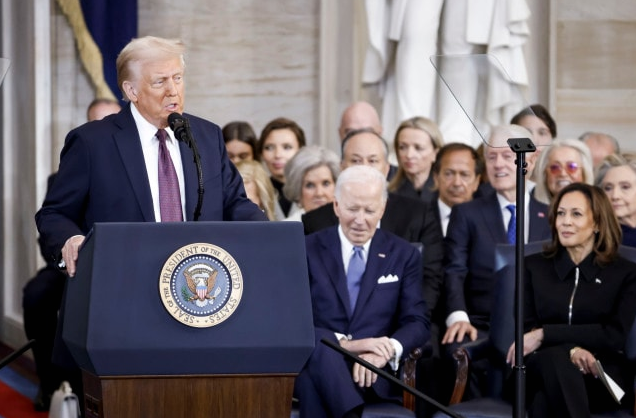
The crux of the current debate often circles back to proposals that advocate for stricter identification requirements, limitations on specific voting methods, and enhanced scrutiny of voter rolls. These initiatives are frequently presented under the umbrella of preventing fraud, yet critics argue they often pose significant barriers to legitimate civic participation, potentially disenfranchising millions of eligible voters. The tension between these two perspectives forms the core of a legal and political battle with profound implications for the future of American democracy protection.
The Enduring Focus on Mail-In Ballots
Among the most contentious aspects of this ongoing discussion is the perennial focus on mail-in ballots. While widely used and generally praised for their accessibility and security by election experts, mail-in voting has been a consistent target for those alleging widespread fraud. The narrative often suggests that universal mail-in voting systems, in particular, are inherently vulnerable to manipulation, inviting illegitimate votes from ineligible individuals.
Historically, mail-in voting, or absentee voting, has been a cornerstone of American elections for decades, allowing military personnel overseas, elderly citizens, individuals with disabilities, and those with unavoidable scheduling conflicts to exercise their constitutional right to vote. Its expansion, particularly during the 2020 pandemic, saw an unprecedented number of Americans casting their ballots this way. Contrary to claims of rampant fraud, numerous studies and governmental reviews, including those by the Cybersecurity and Infrastructure Security Agency (CISA) and various state election boards, have repeatedly affirmed the security and reliability of these systems. Robust protocols, such as signature verification, ballot tracking, and strict chain-of-custody procedures, are standard practice in states utilizing mail-in voting.
Despite this evidence, a prevailing segment of political discourse continues to challenge the legitimacy of mail-in ballots. Statements from prominent figures and their press secretaries often resurface, referencing past electoral cycles to underpin their arguments. For instance, remarks from press briefings, even from years prior, are often recontextualized to suggest an ongoing pattern of concern. The assertion that “fraudulent ballots are being mailed in… in the names of other people, in the names of illegal aliens who shouldn’t be voting in American elections” exemplifies the kind of unsubstantiated claims that fuel these debates. When pressed for concrete evidence, the response often defaults to generalized statements rather than verifiable data, leading to a climate where evidence-based discussions are challenged by assertions of “just a fact.” This approach has created a significant hurdle for transparent, nonpartisan election oversight.
The continuous challenge to mail-in voting is not merely a logistical debate; it represents a fundamental disagreement over how accessible voting should be. Proponents of expanded mail-in options argue that it increases voter turnout and ensures that all eligible citizens, regardless of their circumstances, can participate. Those who seek to curtail it often emphasize what they perceive as vulnerabilities, despite the lack of systemic evidence, thereby influencing public perception and shaping policy proposals. This dynamic directly impacts the implementation of state election laws and broader election security measures.
Executive Authority and Constitutional Boundaries
One of the most significant aspects of this ongoing struggle involves the potential use of executive authority to influence or reshape electoral processes. Throughout various administrations, the specter of presidential executive orders impacting state-run elections has periodically emerged, raising critical questions about the division of powers and constitutional rights.
The U.S. Constitution explicitly grants states the primary authority to administer elections. While Congress holds the power to regulate federal elections, and the President has a role in upholding federal law, attempts by the executive branch to unilaterally dictate broad changes to state voting procedures are routinely met with legal challenges. A proposed executive order aimed at “strengthening our elections” by, for example, imposing federal mandates on mail-in voting or requiring specific proofs of citizenship for voter registration, would undoubtedly ignite a fierce constitutional battle.
Past attempts to exert federal control over voter registration, such as one blocked by a federal judge as unconstitutional, illustrate the legal limitations of executive power in this domain. Legal experts consistently highlight that such actions “intrude on states’ constitutional authority” and threaten to “disenfranchise tens of millions of eligible voters.” These legal interpretations underscore a crucial tenet of American governance: the decentralization of election administration is a safeguard against authoritarian impulses and ensures a balance of power. Efforts that seek to bypass this established framework are often viewed not as enhancements to election integrity, but as attempts to gain control over outcomes by restricting access. This complex legal interplay highlights the importance of federal election oversight adhering strictly to constitutional parameters.
The Role of Redistricting and its Impact
Beyond voting methods, the conversation around election fairness frequently extends to redistricting – the process of drawing electoral district boundaries. While seemingly a technical exercise, redistricting has profound implications for election outcomes and can be a potent tool for partisan advantage. The original article mentions a specific instance where California’s ballot initiative authorizing retaliatory congressional redistricting was framed as a direct response to a “Trump-inspired Texas redistricting.” This highlights the highly politicized nature of boundary drawing.
In 2025, the legacy of the most recent redistricting cycle continues to influence legislative bodies across the nation. States grapple with balancing population shifts, protecting minority voting rights, and preventing partisan gerrymandering. When one party uses redistricting to consolidate power, other states may indeed react, attempting to draw maps that benefit their own political leanings. This tit-for-tat dynamic creates a volatile environment where fair representation can be sacrificed for political gain.
The California initiative referenced, even if conceptualized in a past context, serves as a powerful example of how states try to counteract perceived imbalances. When one state is seen to engage in aggressive gerrymandering, particularly if it impacts national representation, other states might explore legal and legislative avenues to rebalance the scales. Such initiatives, often passed via ballot measures, reflect the electorate’s desire for redistricting reform and fair elections. However, they also underscore the contentious nature of these processes and how they can become intertwined with broader debates about voting access and alleged fraud.
Identifying and Combating Misinformation
A critical component of the ongoing debate surrounding election integrity is the pervasive influence of misinformation. In an era dominated by rapid digital communication, unsubstantiated claims about electoral fraud can spread like wildfire, eroding public trust in democratic institutions. The casual dismissal of evidence-based arguments with phrases like “It’s just a fact,” as highlighted in the original text, exemplifies a dangerous trend where subjective belief is elevated over verifiable data.
This environment fosters paranoia and polarization, making it difficult for citizens to distinguish between legitimate concerns and politically motivated falsehoods. The impact of such misinformation extends beyond individual elections; it can undermine the very legitimacy of governance and foster cynicism towards democratic processes. Organizations dedicated to combating misinformation in elections are crucial in this landscape, providing fact-checking and educational resources to empower voters with accurate information.
For the future of democracy protection, it is imperative to cultivate a media ecosystem that prioritizes accuracy and critical thinking. Social media platforms, in particular, face immense pressure to moderate content that spreads demonstrable falsehoods, while simultaneously upholding free speech principles. This challenge requires a multi-faceted approach involving media literacy education, responsible reporting, and transparent fact-checking mechanisms. The long-term health of our voting system analysis depends on a populace that can engage with information critically and resist the allure of unsubstantiated conspiracy theories.
The Demographic Impact of Voting Restrictions
When examining proposals to restrict voting access, it is essential to consider their disproportionate impact on certain demographic groups. Historically, measures such as poll taxes, literacy tests, and restrictive registration requirements have been used to suppress the votes of minority communities, the elderly, and the socioeconomically disadvantaged. While these overt methods have been largely outlawed, modern proposals often have similar, if unintended, consequences.
For example, strict voter ID laws that accept only a limited range of identification can disproportionately affect low-income individuals, students, and seniors who may not possess a driver’s license or passport. Requiring proof of citizenship beyond standard registration forms can create significant hurdles for naturalized citizens or those whose birth records are difficult to obtain. Similarly, curtailing mail-in voting can negatively impact individuals with disabilities, those working multiple jobs who cannot take time off to vote in person, and rural residents who face long commutes to polling stations.
Organizations advocating for voter education initiatives and protecting ballot access consistently point out that these restrictions are not neutral. They argue that measures intended to “strengthen our elections” often end up silencing legitimate voices, thereby distorting the true will of the people. Ensuring that every eligible citizen has the opportunity to vote is not merely a logistical goal; it is a fundamental pillar of equitable and representative governance. This is why debates over voting rights are so fiercely contested, as they touch upon the core principles of equality and representation in the American political system.
Looking Ahead: The Future of American Democracy
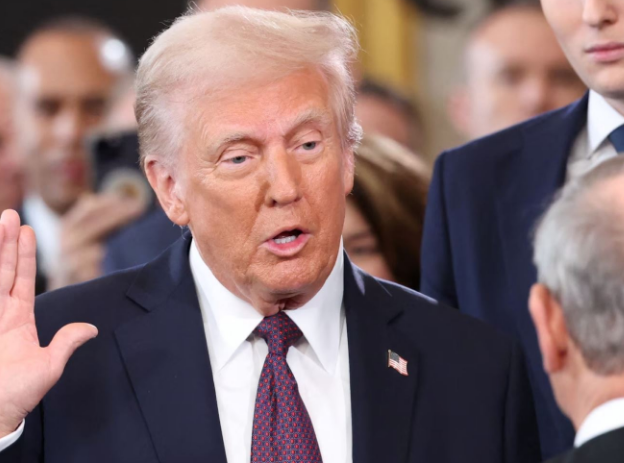
As we proceed through 2025 and anticipate future election cycles, the debate surrounding election integrity safeguards will undoubtedly intensify. The tension between ensuring security and expanding access will continue to define legislative battles, court challenges, and public discourse.
One perspective champions the idea that tightening regulations is necessary to restore faith in elections, arguing that even the perception of fraud is damaging. From this viewpoint, measures like strict ID requirements, purging voter rolls, and limiting mail-in ballots are seen as essential steps to prevent illicit voting and guarantee that only “legal” votes are counted. This narrative often appeals to voters concerned about the fairness of outcomes and the erosion of trust in governmental institutions.
Conversely, another perspective vehemently argues that genuine election integrity is best achieved through robust voter access and transparency. Proponents of this view emphasize that the overwhelming majority of alleged fraud cases are isolated incidents or administrative errors, not systemic conspiracies. They contend that imposing unnecessary hurdles for voting disproportionately impacts legitimate voters and fundamentally undermines democratic principles. They advocate for policies that make it easier, not harder, for eligible citizens to participate, believing that a healthy democracy thrives on broad civic participation.
The challenge for the nation lies in finding a common ground that upholds both the security of the ballot box and the accessibility of voting for all eligible citizens. This requires a commitment to factual analysis, robust legal frameworks that respect constitutional boundaries, and a rejection of unsubstantiated claims that erode public confidence. The future of American democracy protection hinges on our ability to navigate these complex issues with integrity, ensuring that elections remain free, fair, and truly reflective of the people’s will. Ultimately, elections are not owned by presidents or political parties; they belong to the citizenry, and safeguarding them means empowering every eligible voice.