
The Enduring Battle for US Voting Rights: A 2025 Retrospective on Election Integrity Challenges
In the ever-evolving landscape of American democracy, the bedrock principle of universal US Voting Rights remains a contested battleground, even as we navigate the political realities of 2025. The echoes of past electoral cycles, particularly those marked by profound political shifts and controversial claims, continue to reverberate, shaping our ongoing discourse on election security policies and the very legitimacy of our democratic institutions. While many of the immediate anxieties of the mid-2020s have stabilized, the foundational arguments regarding who can vote, how they vote, and the integrity of those votes persist as a critical national conversation.
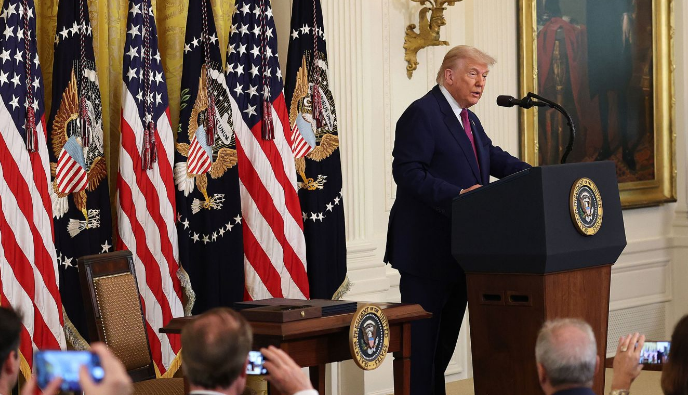
Rewinding to a pivotal moment following off-year elections, we recall a period characterized by significant electoral outcomes that saw shifts in political power across various states and localities. These results, often interpreted as a “blue wave” or a strong rebuke to certain political ideologies, predictably triggered a familiar response from figures who have consistently questioned the integrity of elections when outcomes disfavor them. At the heart of this recurring narrative is the persistent focus on mail-in ballot validity and the broader mechanisms of voter access.
The Genesis of Distrust: Post-2020 Election Claims and Their Legacy
To fully grasp the dynamics at play, one must first revisit the origins of the amplified “election fraud” narrative that gained prominence following the 2020 presidential election. Despite comprehensive audits, recount efforts, and over 60 court challenges—many adjudicated by conservative judges, including those appointed by the very administration making the claims—no widespread fraud or irregularities sufficient to alter election results were ever substantiated. From state election officials of both parties to federal agencies, including the Department of Homeland Security’s Cybersecurity and Infrastructure Security Agency (CISA), the consensus was clear: the 2020 election was among the most secure in American history.
Yet, this evidence-backed conclusion did little to quell the narrative among a segment of the political spectrum. Instead, it laid the groundwork for a continuing strategy: to cast doubt on electoral processes, particularly those that facilitate broader participation, such as universal mail-in voting. This historical context is crucial because the claims made in subsequent election cycles, including those from a past campaign spokesperson, Karoline Leavitt, mirrored these same debunked allegations, underscoring a consistent pattern of behavior aimed at eroding public trust in democratic outcomes.
The California Catalyst: A Microcosm of the Macro Debate
A particular flashpoint arose after a set of off-year elections, where substantial Republican losses fueled renewed grievances. The state of California, often a progressive bellwether and a frequent target of conservative criticism, became the focal point of these renewed attacks. Specifically, a successful ballot initiative in California, authorizing retaliatory congressional redistricting – itself a response to perceived partisan gerrymandering in other states – was cited as evidence of supposed systemic fraud.
Leavitt, acting as a spokesperson for a prominent political figure, articulated claims that the California measure’s success was due to “blatant fraud,” specifically targeting the state’s universal mail-in voting system. Her assertions included the mailing of “fraudulent ballots…in the names of other people, in the names of illegal aliens who shouldn’t be voting in American elections.” When pressed for substantiation, the now-infamous reply, “It’s just a fact,” encapsulated the challenge posed by a narrative untethered to verifiable evidence. This moment highlighted a critical divergence in political discourse: one path based on demonstrable proof and legal precedent, and another reliant on unsubstantiated assertions and appeals to emotion. The implications for legitimate election security policies and the faith of voters are profound when such claims are made without proper backing.
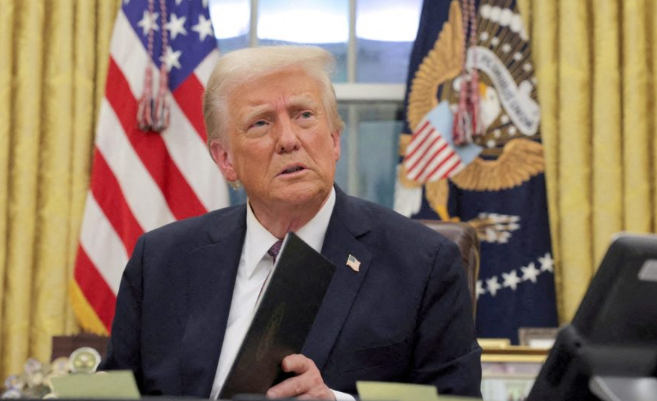
Mail-in Voting: Accessibility vs. Allegations
Central to this ongoing debate is the efficacy and security of mail-in ballots. Accelerated by the COVID-19 pandemic, mail-in voting became a widespread practice, demonstrating its critical role in facilitating civic participation importance while maintaining public health. Beyond crisis response, it offers unparalleled convenience, especially for working parents, individuals with disabilities, military personnel serving abroad, and the elderly. It is a cornerstone of ballot access reform, designed to remove barriers to voting and ensure that every eligible citizen has the opportunity to make their voice heard.
Proponents of broad mail-in access point to robust safeguards that are an integral part of election administration best practices. These include:
Signature Verification: Most states require signatures on mail-in ballots to be matched against existing voter registration records, a process often aided by advanced technology and human review.
Voter Roll Maintenance: Regular updates to voter rolls help prevent ballots from being sent to outdated addresses or deceased individuals.
Chain of Custody: Strict protocols govern the handling, transport, and counting of ballots, often involving bipartisan teams and transparent procedures.
Ballot Tracking: Many states allow voters to track their ballots online, providing transparency and accountability.
Despite these measures, the narrative of widespread mail-in ballot fraud persists. Critics often cite isolated incidents of voter fraud, which, while regrettable, are statistically minuscule and rarely, if ever, impact election outcomes. The consistent conflation of these rare instances with systemic fraud serves to undermine trust in a method of voting that is demonstrably secure and vital for inclusive democracy. Understanding mail-in ballot validity requires moving beyond anecdote and focusing on the comprehensive security frameworks in place.
The “Election Integrity” Paradox: A Mask for Voter Disenfranchisement?
The phrase “election integrity” is frequently invoked by those seeking to restrict voting access. While genuine election security policies are paramount for a healthy democracy, critics argue that in this context, the term has become a euphemism for policies designed to suppress votes, particularly those of demographics less likely to support certain candidates. When calls for “strengthening elections” translate into gutting mail-in voting, intimidating election workers, and promoting baseless claims of fraud, it raises serious concerns about voter disenfranchisement.
Historically, efforts to restrict voting access have disproportionately affected certain segments of the population:
Voters of Color: Often targeted through tactics like restrictive ID laws, gerrymandering, and purges of voter rolls.
The Elderly: Who may face difficulties with new ID requirements, transportation to polls, or understanding complex changes to voting procedures.
People with Disabilities: For whom accessible polling places and alternative voting methods like mail-in ballots are crucial for participation.
Working-Class Citizens: Who may struggle to take time off work to vote, especially if polling hours are limited or locations are distant.
These groups often rely on convenient voting options to exercise their US Voting Rights. Any effort to curtail these options without clear, evidence-based justification is viewed by many as a calculated move to reduce participation among these critical voter blocs. Legal experts and democracy protection advocates argue that such measures, rather than enhancing integrity, serve to create barriers that undermine the very principle of representative democracy.
Constitutional Crossroads: Federal Overreach and State Autonomy
The proposed executive order, targeting state-level election administration and specifically mail-in ballots, raises significant questions regarding constitutional election law and the delicate balance between federal election oversight and state election autonomy. The U.S. Constitution grants states primary authority over the “times, places, and manner” of holding elections, though Congress retains the power to “make or alter” these regulations. However, an executive order is not a congressional act and therefore operates under different constitutional constraints.
Past attempts by presidential administrations to impose federal mandates on state election processes have met with significant legal hurdles. For instance, a previous executive order attempting to force states to demand proof of citizenship for voter registration was rightly blocked by a federal judge as unconstitutional, infringing on states’ authority and potentially violating the National Voter Registration Act. The pattern suggests a willingness to push the boundaries of executive power in an area traditionally reserved for state legislatures and local election boards.
Organizations like the ACLU, a stalwart defender of US Voting Rights, have consistently highlighted the legal and constitutional dangers of such federal executive interventions. Sophia Lin Lakin, an expert in voting rights, has previously warned that such efforts “threaten to disenfranchise tens of millions of eligible voters” and “intrude on states’ constitutional authority.” This is not merely a political spat; it represents a fundamental challenge to the established legal framework governing elections in the United States. Judicial review election challenges are almost a certainty if such an order were to be enacted.
Safeguarding Democracy: The Role of State Officials and Public Trust
In the face of relentless allegations, state and local election officials, often operating with bipartisan support, have stood as critical bulwarks against efforts to undermine electoral legitimacy. Leaders like California’s Governor Gavin Newsom and Secretary of State Shirley Weber have consistently pushed back against unsubstantiated claims, emphasizing the transparency and fair election practices in their state. Weber’s reminders that “California elections have been validated by the courts” and that voters “will not be deceived by someone who consistently makes desperate, unsubstantiated attempts to dissuade Americans from participating in our democracy” are crucial affirmations of the electoral system robustness.
These officials, alongside countless non-partisan poll workers and administrators, are the true frontline guardians of democracy protection. They implement voter registration integrity checks, manage complex ballot processes, and ensure that every legally cast vote is counted. Their work, often overlooked until challenged, is essential for maintaining public confidence and safeguarding the democratic process safeguarding.
Conclusion: The Unfinished Work of US Voting Rights
As we move through 2025, the debate over US Voting Rights is far from settled. The pattern of questioning election outcomes, particularly when they diverge from desired political results, has become a concerning feature of our modern political landscape. The pursuit of “election integrity” is a noble goal, but it must be grounded in facts, transparency, and a genuine commitment to expanding, not contracting, the franchise.
The true threat to our elections is not widespread, systemic fraud, which remains an unsubstantiated myth. Rather, it is the deliberate sowing of distrust, the politicization of election administration, and efforts to restrict legitimate ballot access reform under false pretenses. When political figures assert that elections are “rigged” without evidence, they are not protecting democracy; they are attempting to manipulate its perception and, in doing so, undermine its foundations.
Elections in America belong to the people—to every eligible citizen who exercises their fundamental right to vote. They do not belong to presidents, parties, or any single individual. Defending US Voting Rights requires constant vigilance, an unwavering commitment to facts, and a collective resolve to uphold the principles of a free, fair, and accessible democracy. The work of ensuring a robust, secure, and inclusive electoral system is an ongoing imperative, demanding continuous dedication from citizens, elected officials, and legal guardians of our constitutional framework.