
House vs. Flat: Navigating Your Crucial Next Home Purchase Decision
For many Americans, the pursuit of homeownership is a cornerstone of the American Dream. It represents stability, investment, and a personal sanctuary. Yet, as you embark on this significant journey, a fundamental question arises: Should you buy a house or a flat? This isn’t a simple query with a one-size-fits-all answer. The decision hinges on a complex interplay of your financial realities, lifestyle aspirations, and long-term goals. As an industry veteran with a decade of experience in the residential real estate market, I’ve guided countless clients through this very deliberation. Let’s delve deep into the nuances of this pivotal choice, armed with insights and updated considerations for 2025.
The landscape of property ownership in the United States is diverse, offering everything from sprawling single-family homes in the suburbs to chic, modern condominiums in bustling urban centers. Each presents a unique set of advantages and disadvantages, and understanding these can empower you to make an informed decision that aligns perfectly with your needs. We’ll dissect the pros and cons of a house vs. flat purchase, providing clarity to help you secure your ideal abode.
Understanding the Core Factors: Beyond the Surface

Before we even begin comparing specific property types, it’s crucial to acknowledge the foundational elements that will shape your decision. These are the non-negotiables that must be assessed upfront:
Your Spatial Requirements: How much square footage do you truly need? Consider not just your current needs, but also potential future growth – a growing family, a home office, or dedicated hobbies.
Your Financial Capacity: This extends beyond the initial purchase price. Factor in closing costs, property taxes, homeowner’s insurance, potential renovation budgets, and ongoing maintenance expenses. Understanding your property investment strategy is key here.
Privacy and Security Priorities: How important is it for you to have a buffer zone between your living space and your neighbors? What level of security measures do you require?
Maintenance Tolerance: Are you someone who enjoys hands-on upkeep, or do you prefer a hands-off approach where common areas are managed by others?
Time Horizon for Ownership: Are you looking for a starter home, a place to settle for decades, or a property with a shorter-term investment outlook?
Future Life Trajectory: Consider major life events on the horizon – marriage, children, career changes, or retirement – and how your housing needs might evolve.
The Appeal of Single-Family Homes: Unpacking the Advantages
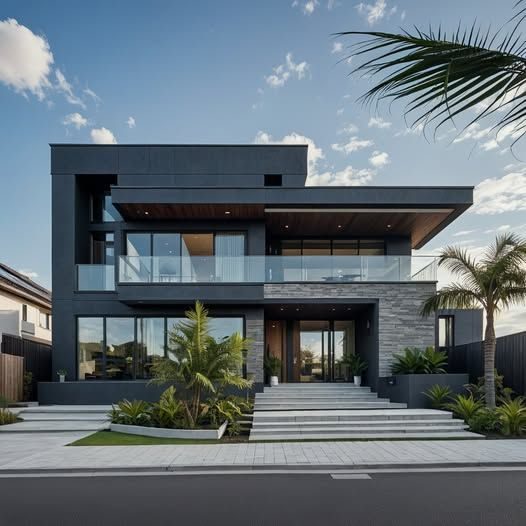
For many, the quintessential image of successful homeownership is the detached single-family house for sale. This preference is often rooted in a desire for space, autonomy, and a tangible stake in the land.
Greater Space and Unparalleled Flexibility
The most immediate and significant advantage of owning a house is the inherent abundance of space. You’re not confined by shared walls, ceilings, or floors. This translates to:
More Rooms: Dedicated spaces for bedrooms, bathrooms, a home office, a playroom, or even a guest suite become readily achievable.
Outdoor Living: A private yard offers immense value. Imagine summer barbecues, children playing freely, a personal garden, or simply a tranquil space to unwind. This is a significant differentiator for those seeking an outdoor living space.
Storage Solutions: Garages, basements, attics, and sheds provide ample storage, alleviating clutter and accommodating seasonal items or larger equipment.
Customization Potential: This is where a house truly shines. You have the freedom to renovate, redecorate, and modify your home to perfectly match your aesthetic preferences and functional needs. Whether it’s knocking down a wall to create an open-concept living area or adding an extension, your vision can become reality without seeking external approval for structural changes, which is a significant benefit for custom home building enthusiasts.
Enhanced Privacy and Independence
The detached nature of a house inherently provides a greater degree of privacy.
Reduced Noise: With no shared walls or floors, the potential for noise disturbances from neighbors is significantly diminished. You can enjoy peace and quiet without the constant awareness of those living above, below, or beside you. This is a critical factor for those prioritizing a quiet neighborhood.
Unfettered Control: As the sole owner, you have complete control over your property. You are not bound by the rules or regulations of a homeowners’ association (HOA) or building management regarding exterior modifications, pet policies, or even the color of your front door. This autonomy fosters a sense of true ownership.
Personalized Security: While all homes require security measures, homeowners have the liberty to implement their preferred systems, from robust alarm systems to visible security cameras, without needing to consult with others.
Long-Term Investment Potential
Historically, single-family homes have demonstrated strong appreciation potential, making them an attractive real estate investment.
Land Value Appreciation: A significant portion of a house’s value is tied to the land it sits on. Land, particularly in desirable locations, tends to appreciate consistently over time. This is a key driver for long-term wealth accumulation.
Potential for Value Addition: The ability to renovate and upgrade a house offers the potential to significantly increase its market value. Adding a new kitchen, finishing a basement, or improving landscaping can yield a substantial return on investment. This aspect is particularly appealing to those interested in property flipping or strategic renovations.
Freehold Ownership: Owning a house typically means freehold ownership, granting you complete and perpetual ownership of both the property and the land it occupies. This eliminates concerns about lease extensions or ground rent increases that can plague other property types.
The Considerations for Homeownership: The Other Side of the Coin
While the allure of a house is undeniable, it’s essential to acknowledge the inherent challenges and responsibilities that come with it.
The Burden of Maintenance and Costs
Owning a house means taking on full responsibility for its upkeep.
All-Inclusive Responsibility: From routine lawn care and gutter cleaning to emergency roof repairs and HVAC system replacements, you are solely accountable. This can be both time-consuming and financially demanding.
Unforeseen Expenses: Unlike in a flat where some building maintenance is covered by service fees, house owners must budget for unexpected repairs. A leaky pipe, a damaged fence, or pest infestations are all potential costs that can arise.
Utility Consumption: Larger homes generally consume more energy for heating, cooling, and lighting, leading to higher utility bills. This is an important consideration when evaluating your monthly housing expenses.
Potential for Isolation and Inconvenience
Depending on the location, a house can sometimes present challenges regarding accessibility and community.
Distance from Amenities: Houses, particularly those in suburban or rural settings, may require longer commutes to access shopping centers, restaurants, entertainment venues, or public transportation.
Less Organic Social Interaction: While many suburban communities foster strong bonds, the lack of shared common areas can sometimes lead to less spontaneous social interaction compared to apartment buildings where residents frequently cross paths.
Commuting Costs: If your work or social life is centered in a more urban area, a detached house may necessitate a significant daily commute, impacting your time and finances.
Environmental Footprint
The larger footprint of many single-family homes can translate to a greater environmental impact.
Higher Energy Consumption: As mentioned, larger spaces require more energy to maintain a comfortable temperature.
Increased Resource Usage: The construction and maintenance of larger homes often involve more materials and generate more waste.
The Case for Flats: Modern Living and Convenience
In contrast to the traditional house, the flat for sale offers a distinct lifestyle often characterized by convenience, accessibility, and a more streamlined approach to homeownership. While sometimes perceived as less prestigious, flats have become increasingly sophisticated and desirable, especially in urban and desirable suburban markets.
Affordability and Simplified Maintenance
One of the most compelling arguments for buying a flat is its generally lower entry cost and simplified maintenance.
Lower Purchase Price: Flats typically come with a lower sticker price than comparable houses, making them more accessible to first-time buyers or those with a more modest budget. This also often translates to lower mortgage rates and down payment requirements.
Reduced Ongoing Costs: Beyond the initial purchase, flats often have lower property taxes and homeowners’ insurance premiums.
Managed Exterior and Common Areas: A significant advantage is that building management or an HOA typically handles the maintenance of the building’s exterior, landscaping, hallways, and common amenities. This responsibility is usually covered by a monthly service fee or HOA dues, which, while an ongoing cost, often proves more predictable and less burdensome than unforeseen house repairs.
Convenience and Accessibility
Flats are often strategically located, offering unparalleled access to the pulse of a city or town.
Prime Locations: Many flats are situated in or near vibrant urban centers, placing residents within walking distance of shops, restaurants, theaters, and cultural attractions.
Proximity to Public Transport: This urban advantage extends to excellent access to public transportation networks, reducing reliance on personal vehicles.
On-Site Amenities: Modern apartment buildings and condos frequently boast a range of amenities, such as fitness centers, swimming pools, rooftop terraces, secure parking, and concierge services, enhancing the living experience. This is a significant draw for those seeking a luxury condo living experience.
Modern Design and Energy Efficiency
Newer flat developments are often built with modern design principles and a focus on energy efficiency.
Contemporary Features: Flats frequently showcase modern architectural styles and interior finishes, appealing to those who prefer contemporary aesthetics.
Improved Insulation: Modern construction techniques and better-sealed units often result in superior insulation, leading to less heat loss and lower energy bills. This contributes to a more sustainable lifestyle and can significantly impact utility bill savings.
Smaller Footprint: The typically smaller size of a flat means less energy is required for heating and cooling, further contributing to energy efficiency and reduced environmental impact.
The Downsides of Flat Living: What to Watch Out For
Just as houses have their drawbacks, flats come with their own set of compromises.
Limited Space and Restricted Freedom
The compact nature of many flats can be a significant limitation for some.
Reduced Square Footage: You may have to sacrifice bedrooms, storage space, or the luxury of a private yard.
Less Personalization: Making significant changes to the interior of a flat, such as structural alterations or even painting certain walls, may require approval from the landlord or HOA.
Outdoor Space Limitations: While some flats offer balconies or small pa
tios, they rarely provide the expansive private outdoor living that a house does.
Potential for Reduced Privacy and Autonomy
Living in close proximity to neighbors in a flat environment can sometimes lead to compromises in privacy.
Shared Walls and Noise: Despite modern construction, shared walls can still be a source of noise transference, potentially leading to disturbances or disputes with neighbors. This is a key consideration for those seeking a truly peaceful living environment.
Community Rules and Regulations: HOAs and building management often enforce rules regarding everything from noise levels and pet ownership to recycling and exterior decorations. While these rules aim to maintain order and community standards, they can restrict individual choices.
Investment Considerations
While flats can be excellent starter homes or sound investments, their long-term appreciation potential can differ from that of houses.
Slower Appreciation: Flats may not appreciate in value as rapidly as houses, primarily due to the lack of land value appreciation and the potential for a higher number of similar units in a building impacting market demand.
Leasehold Complications: Many flats are sold on a leasehold basis, meaning you own the property for a set number of years, not the land itself. This can involve ongoing ground rent payments and concerns about lease extensions, which can become costly and complex as the lease nears its end. Understanding your leasehold property rights is paramount.
Service Charge Volatility: While service charges cover building maintenance, they can increase unexpectedly due to major repair works or rising operational costs, impacting your overall housing expenses.
Making Your Informed Decision: A Strategic Approach
The choice between a house or flat is deeply personal and should be guided by a thorough self-assessment and an understanding of the market. As your trusted real estate advisor, I emphasize a pragmatic and strategic approach.
Revisit Your Budget: Get pre-approved for a mortgage and understand your absolute spending limit. Explore low down payment mortgage options if applicable.
Prioritize Your Lifestyle: Consider your daily routine, social habits, and future aspirations. Are you a city dweller who thrives on convenience, or do you crave the tranquility of a suburban retreat?
Assess Your Location Needs: Proximity to work, schools, family, and recreational activities will significantly influence your choice. If you’re targeting a specific metropolitan area, research homes for sale in [City Name] or apartments for rent in [City Name] to understand local market dynamics.
Envision Your Future: Think about how your needs might change over the next 5, 10, or even 20 years.
Your Partner in Property
Navigating the complexities of the real estate market can feel daunting, but you don’t have to do it alone. Whether you’re leaning towards the expansive possibilities of a single-family home for sale or the convenient urban lifestyle of a modern condo for sale, our team is equipped to guide you. We offer comprehensive market insights, personalized advice, and a proven track record of success in helping clients find their perfect fit.
Don’t let the decision paralysis keep you from securing your dream home. Contact us today to schedule a personalized consultation. Let’s explore your options, answer your pressing questions, and embark on the journey to finding the property that best aligns with your vision for the future. Your next chapter awaits, and we’re here to help you write it.