
Renting Your Dream Dwelling: House vs. Apartment in Today’s Market
As a seasoned industry professional with a decade navigating the dynamic landscape of rental markets, I’ve witnessed firsthand the evolving needs and desires of renters across the nation. The quest for the perfect place to call home is more than just finding a roof over your head; it’s about aligning your lifestyle, budget, and personal preferences with the right living space. One of the most fundamental decisions a renter faces is the age-old dilemma: rent a house or rent an apartment? This choice carries significant weight, impacting everything from your daily routine to your long-term financial well-being.
In today’s rental climate, understanding the nuances of both single-family home rentals and apartment living is crucial. Gone are the days when the decision was purely about square footage. We’re now looking at evolving amenity packages, increasingly sophisticated property management technologies, and a broader spectrum of tenant expectations. This comprehensive guide, informed by current market trends and real-world insights, aims to demystify the decision-making process, offering a deep dive into the advantages and disadvantages of renting a house versus an apartment.
The Allure of Apartment Living: Convenience and Community
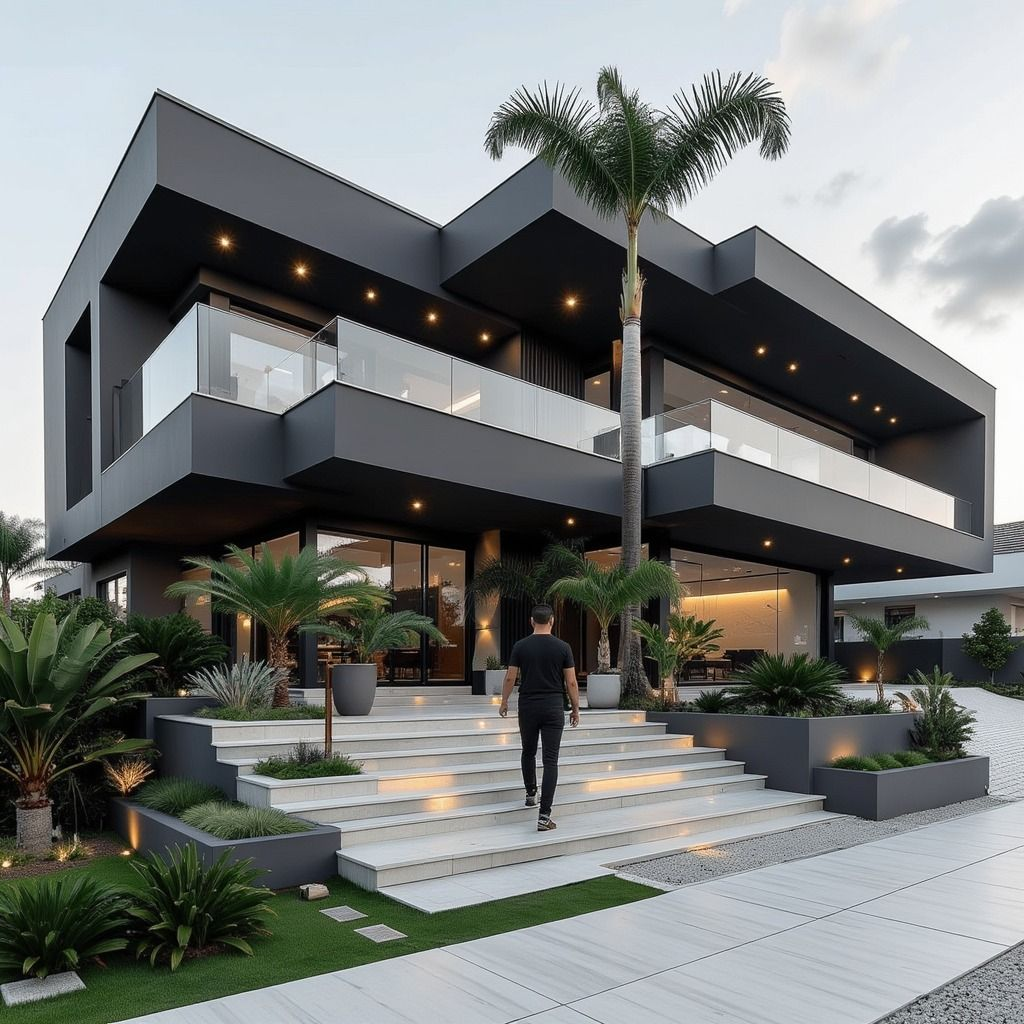
For many, the apartment rental is synonymous with urban convenience and a bustling lifestyle. The appeal often lies in its accessibility and the structured support system that typically accompanies it.
Financial Fortitude: The Affordability Advantage
One of the most compelling arguments for renting an apartment is its general affordability. Data consistently shows that on average, apartment rents tend to be lower than those for single-family homes. For instance, recent market analyses (as of early 2025) indicate that the median rent for a single-family home can hover around $2,200-$2,400 nationally, while a comparable apartment might range from $1,800-$2,000. This difference, while seemingly modest, can translate into substantial savings over the course of a lease, freeing up capital for other investments, travel, or simply improving your quality of life.
Furthermore, apartments often offer a greater variety in size and layout, from efficient studio apartments to spacious three-bedroom units. This allows renters to tailor their living space to their exact needs and budget, often finding that a smaller, well-appointed apartment is significantly more cost-effective than a larger, less amenity-rich single-family home in the same metropolitan area. This flexibility in pricing and space is a key differentiator for those prioritizing budget-conscious apartment rentals in major cities.
Hassle-Free Living: The Maintenance Advantage
Perhaps one of the most significant benefits of renting an apartment is the built-in maintenance support. Forget the stress of a leaky faucet at 2 AM or a malfunctioning air conditioner during a heatwave. In most apartment communities, a simple maintenance request submitted to your landlord or property manager means a swift resolution. Many larger apartment complexes even boast on-site maintenance teams, ensuring that issues are addressed with remarkable speed. This level of convenience is invaluable, particularly for busy professionals or those who simply prefer not to deal with the complexities of home repair. This streamlined approach to property upkeep is a cornerstone of the convenient apartment rental experience.
Prime Locations and Vibrant Lifestyles
Apartment buildings, especially in densely populated urban centers, are strategically located to offer unparalleled access to amenities and services. Think steps away from your favorite coffee shop, a short walk to public transportation hubs, proximity to vibrant shopping districts, and easy access to parks and community centers. This concentration of convenience is a major draw for individuals and families who value an active, integrated lifestyle. Whether you need a last-minute ingredient for dinner or simply desire a breath of fresh air in a nearby green space, apartment living often places these conveniences right at your doorstep. This proximity to urban life is a significant factor for those seeking apartments for rent near downtown.
Beyond mere convenience, apartment communities often foster a sense of connection. Shared amenities like fitness centers, communal lounges, and even dog parks can serve as natural gathering places, encouraging interaction and the formation of new friendships. For those who appreciate a built-in social fabric, the communal aspects of apartment living can be a significant benefit.
Enhanced Security Measures
Safety and peace of mind are paramount for any renter. Apartment buildings have increasingly invested in robust security features. From controlled access points with key fobs and security codes to the presence of front desk concierges and even round-the-clock security personnel, these measures provide an added layer of protection. Secure mailrooms and gated parking areas further contribute to a sense of security, ensuring that residents can feel safe and protected within their living environment. This focus on security is a significant advantage for those prioritizing secure apartment rentals.
The Downsides of Apartment Living: Space and Serenity
While apartments offer numerous advantages, it’s crucial to acknowledge their limitations, particularly concerning personal space and the potential for noise.
Sacrificing Space, Inside and Out
The most common drawback of apartment living is the inherent limitation on space. Apartments, by their nature, are often more compact than single-family homes. This can mean less room for furniture, storage, and personal belongings. For individuals with extensive collections, large families, or those who simply prefer a more expansive living environment, this can be a significant compromise.
Outdoor space can also be a luxury. While some apartments offer balconies or patios, these are often small and may not provide the private, enclosed area that pet owners or gardeners desire. The shared nature of common outdoor spaces in apartment complexes means less privacy and potentially less freedom for pets to roam. This lack of private outdoor space can be a deal-breaker for those with active pets or a passion for gardening, prompting a search for pet-friendly apartments with yards (though these are rare and often more expensive).
The Proximity Problem: Noise Levels
Living in close proximity to neighbors is a defining characteristic of apartment life. Walls, floors, and ceilings are shared, meaning that the sounds of everyday life – televisions, conversations, children playing, or even loud music – can easily penetrate your living space. This constant potential for noise disruption can impact relaxation, sleep, and overall tranquility. Conversely, renters themselves must be mindful of their own noise levels to avoid disturbing their neighbors, fostering a delicate balance of consideration. The quest for quiet apartments for rent is a common refrain among those sensitive to noise.
Navigating Pet Policies
For pet owners, apartment rentals can present significant challenges. Many apartment buildings have strict pet policies that may limit the size, breed, or number of pets allowed. These restrictions can be disheartening for those with larger dogs or multiple furry companions. Furthermore, “pet rent” – an additional monthly fee for having a pet – can add a considerable amount to your monthly expenses. While pet-friendly apartment options are increasing, finding a perfect fit for your entire family, including your four-legged members, can require extensive searching and potentially compromise.
Restricted Autonomy and Flexibility
Apartment living often comes with a higher degree of regulation. Decorating restrictions, such as prohibitions on painting walls or making permanent alterations, can limit your ability to personalize your living space. Strict quiet hours, building access protocols (key fobs, codes), and sometimes more stringent lease terms regarding early termination can also impact your freedom and flexibility. While these rules are often in place to ensure a harmonious living environment for all residents, they can feel restrictive to those who value absolute autonomy.
Embracing the House Rental: Freedom and Functionality
Renting a single-family home offers a different set of advantages, primarily centered around space, privacy, and greater personal freedom.
The Generosity of Space
One of the most compelling reasons to opt for a house rental is the abundance of space. Single-family homes generally offer more square footage than apartments, providing ample room for living, entertaining, and storage. Beyond the main living areas, houses often come with additional spaces like basements, attics, and garages, which can be invaluable for storing belongings, pursuing hobbies, or setting up dedicated home offices. This increased spatial freedom is particularly appealing for families with children, individuals who work from home, or anyone who simply craves a sense of spaciousness. The availability of spacious houses for rent is a key driver for many renters.
Unleash Your Decorating Dreams

When you rent a house, you often gain significantly more flexibility in terms of personalization and decoration. While it’s always wise to discuss major changes with your landlord, many landlords of single-family homes are more amenable to renters painting walls, hanging artwork, or making minor adjustments to create a space that truly reflects their personality. This allows for a much deeper sense of ownership and makes a rental feel more like a true home.
Effortless Parking Solutions
Parking is a common concern in urban and even suburban environments. Apartment complexes can have limited parking, often with competitive spots or additional monthly fees. In contrast, house rentals typically come with dedicated parking, whether it’s a private driveway, a garage, or at least readily available street parking. This eliminates a significant daily hassle and provides a secure and convenient place for your vehicle. This benefit is especially pronounced for those searching for houses for rent with garage.
The Joy of Private Outdoor Living
A significant perk of renting a house is the access to private outdoor space. Most homes feature a front or backyard, offering a dedicated area for relaxation, recreation, and entertaining. This is particularly beneficial for pet owners who need a safe and enclosed space for their animals to exercise and play. It also provides opportunities for gardening, hosting barbecues, or simply enjoying the outdoors without the need to share with neighbors. This private yard access is a major differentiator for those seeking pet-friendly houses for rent.
The Challenges of Renting a House: Cost and Uncertainty
Despite the many advantages, renting a house also comes with its own set of potential drawbacks, primarily related to cost and the inherent uncertainties of private ownership.
The Premium Price Tag
Generally, renting a single-family home comes with a higher price tag than renting an apartment. This increased cost is attributable to several factors: the larger size of homes, higher property taxes and insurance premiums that landlords must cover, and often, a more limited supply of single-family homes available for rent compared to apartments. Consequently, both the monthly rent and security deposits for houses tend to be higher. The surging demand for single-family home rentals, driven in part by increased homeownership costs, has further inflated rental prices. For those on a tighter budget, affordable house rentals can be a challenging find.
Lease Certainty and Owner’s Intentions
One of the less predictable aspects of renting a house is the potential for lease uncertainty. Unlike multi-family buildings managed by professional property management companies that offer greater stability, a single-family home is owned by an individual or a smaller entity. This means there’s a greater possibility that the owner might decide to sell the property, move in a relative, or move back into the home themselves, potentially necessitating an unexpected move for the renter, even if the lease is still active. This lack of guaranteed long-term occupancy can be a significant concern for renters seeking stability.
The Burden of Maintenance and Furnishing
While landlords are typically responsible for major structural repairs, the upkeep of a larger property can be more demanding. Depending on the lease terms, renters of houses may be responsible for yard maintenance, snow removal, and other upkeep tasks that are usually handled by property management in apartment settings. Furthermore, furnishing a larger home can be a substantial expense, potentially requiring more furniture and decor than a smaller apartment, which can increase the overall cost of settling in. While furnished house rentals do exist, they often command a premium.
A More Informal Approach
The process of renting a single-family home can sometimes be more informal compared to the structured procedures of larger apartment complexes. This can mean dealing with landlords who have less experience in property management, potentially leading to less standardized lease agreements and deposit handling. It’s crucial for renters in these situations to be diligent in ensuring all terms, deposits, and agreements are clearly documented in writing to avoid misunderstandings or disputes. While less formal doesn’t inherently mean negative, it requires a higher degree of vigilance from the renter.
The Verdict: Which is Right for You?
The decision between renting a house or an apartment ultimately rests on your individual circumstances, priorities, and financial capacity. There is no universally “better” option; instead, there is the option that is better for you.
Consider your financial situation: Can you comfortably afford the higher rent and deposit associated with a house, or does an apartment’s more accessible price point align better with your budget?
Evaluate your lifestyle: Do you crave the convenience and social interaction of apartment living, or do you prioritize the space, privacy, and autonomy that a house provides? Do you have pets that would benefit from a private yard? Are you concerned about noise and prefer the buffer of being in a standalone property?
Reflect on your tolerance for maintenance and responsibility: Are you prepared for potential yard work or other upkeep tasks associated with a house, or do you prefer the hands-off approach of apartment living where maintenance is typically handled by others?
As you embark on your rental journey, I encourage you to perform thorough research specific to your desired location. Look at rental listings in areas like apartments for rent in Chicago or houses for rent in Austin, Texas, to gauge local market conditions and pricing. Understanding the nuances of the local rental market is just as critical as understanding the inherent pros and cons of each dwelling type.
Your next step is to clearly define your must-haves and your deal-breakers. By carefully weighing these factors, you can confidently navigate the rental market and secure a living space that truly supports your life and aspirations.