
Single-Family Home vs. Condo: Navigating Your Dream in 2025
For anyone embarking on the exhilarating, sometimes overwhelming, journey of homeownership in 2025, one question inevitably rises to the forefront: Should I invest in a single-family home or opt for a condominium? This isn’t just about choosing a structure; it’s about selecting a lifestyle, a financial strategy, and the very canvas upon which your future will unfold. As an expert with a decade immersed in the dynamic US real estate market, I’ve seen countless individuals wrestle with this pivotal decision. The landscape of home buying in 2025, shaped by evolving work cultures, environmental consciousness, and economic shifts, makes this choice more nuanced than ever. This comprehensive guide is designed to cut through the noise, offering clear solutions to the common dilemmas faced by modern homebuyers.
The Evolving Dream: Defining Your Space Needs in a New Era

The foundational difference between a single-family home (what some might colloquially refer to as a “villa”) and a condo lies squarely in the realm of space and privacy. Yet, in 2025, how we define and utilize space has undergone a significant transformation.
The Single-Family Home: A Canvas for Freedom and Growth
A single-family home, often synonymous with the quintessential American dream, offers unparalleled privacy and expansive living. Imagine owning not just the structure, but the land it sits on – a tangible asset that can appreciate in value independently. This translates into:
Unrestricted Personalization: From significant renovations to a fresh coat of paint, you have ultimate control over your property’s aesthetic and functional evolution. Want to add a smart home extension, build an outdoor kitchen, or create a sprawling permaculture garden? The canvas is yours. This level of autonomy is a powerful draw for those who see their home as a deeply personal expression.
Generous Living and Outdoor Space: For families, pet owners, or anyone with hobbies requiring dedicated room, a detached house is often the ideal solution. Yards become playgrounds, entertaining spaces, or serene retreats. The shift towards hybrid and remote work models, which continues to be robust in 2025, has only amplified the desire for dedicated home offices, creative studios, or quiet zones away from the hustle and bustle. The ability to spread out, both indoors and out, offers a distinct psychological comfort and practical utility.
Privacy Amplified: With no shared walls, noise concerns are significantly mitigated. You control your environment, from your landscaping choices to your entertaining schedule, without direct impact on neighbors in the same building. This level of seclusion can be invaluable for peace of mind.
Potential for Expansion: A single-family home often presents opportunities for future expansion, whether adding an extra bedroom, finishing a basement, or constructing an Accessory Dwelling Unit (ADU) – a growing trend in 2025 for multi-generational living or supplemental rental income. This adaptability makes it a long-term solution for evolving family needs.
However, this freedom comes with its own set of responsibilities. The “problem” with vast space is often vast maintenance. Every repair, every landscaping decision, every utility bill for a larger footprint falls solely on your shoulders.
The Condo: Streamlined Living for the Modern Urbanite
Condominiums, or apartments in an ownership model, represent a different philosophy of living – one increasingly appealing to a diverse demographic in 2025. They emphasize efficiency, convenience, and a shared community experience.
Compact, Efficient Living: Condos typically offer a smaller, more manageable footprint. This translates to less to clean, lower utility bills (often), and a focus on minimalist or intentionally designed interiors. For those who prioritize experiences over expansive possessions, or simply dislike the endless chores of a larger home, this is a compelling advantage.
Low-Maintenance Lifestyle: This is perhaps the most significant draw. As a condo owner, you own your unit, but the exterior, common areas, and major structural components are managed by a Homeowners Association (HOA). This means no worrying about roof repairs, exterior painting, or extensive landscaping. For busy professionals, frequent travelers, or empty nesters seeking to simplify, the “lock-and-leave” lifestyle is immensely attractive.
Urban Proximity and Walkability: Condos are predominantly found in urban centers, bustling downtowns, or transit-oriented developments. This location often provides unparalleled access to work, entertainment, dining, and cultural attractions, fostering a vibrant, connected lifestyle. Walkability and access to public transportation are key considerations for environmentally conscious buyers in 2025 looking to reduce their carbon footprint and reliance on personal vehicles.
Built-in Community: Shared amenities naturally foster a sense of community. Neighbors often interact more frequently in common spaces, leading to friendships and a supportive network.
The “problem” with condos often lies in the trade-offs: less privacy, potential noise from neighbors, and adherence to HOA rules and fees, which can sometimes feel restrictive.
Beyond the Walls: Amenities, Community, and Lifestyle Choices
In 2025, both single-family homes and condos offer a range of amenities, but their nature and access differ dramatically, shaping your daily life and overall experience.
Single-Family Home Amenities: Private Sanctuaries
When you own a single-family home, your amenities are typically private and tailored to your specific desires.
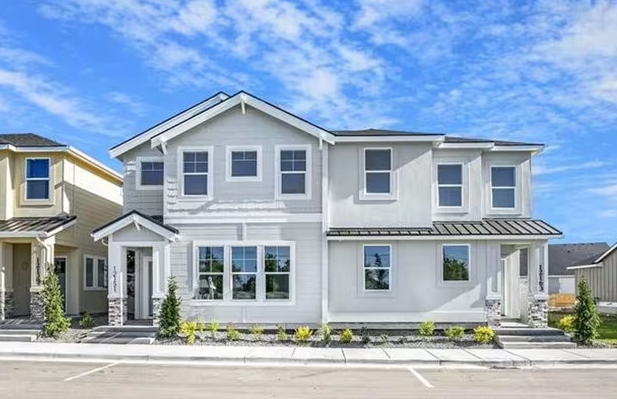
Customization is King: You can install that high-end smart home gym, build a bespoke swimming pool, create a dedicated media room, or cultivate an elaborate garden oasis. These are extensions of your personal preferences, offering ultimate control and exclusivity.
Neighborhood Vibe: While not “amenities” in the same vein, single-family neighborhoods often cultivate a strong sense of community through informal interactions, block parties, and shared access to public parks, libraries, and recreational facilities. The emphasis is on organic, resident-driven connections.
Pet Freedom: Larger yards provide ample space for pets to roam freely, an important consideration for many homeowners.
Condo Amenities: Shared Luxuries and Convenience
Condos, especially in higher-end developments, are increasingly competing through “amenity wars,” offering a suite of shared luxuries that would be prohibitively expensive for a single homeowner.
Resort-Style Living: Think state-of-the-art fitness centers, sparkling swimming pools, co-working lounges, dedicated pet parks, rooftop decks with stunning views, private screening rooms, and even concierge services. These amenities elevate daily living, providing convenience and opportunities for recreation just steps from your door.
Built-in Social Hubs: Common areas are designed to encourage interaction, fostering a lively and engaged community. Regular social events, clubs, and shared spaces make it easy to connect with neighbors.
Security and Peace of Mind: Many condo buildings offer enhanced security features, from controlled access to 24/7 doormen, providing an added layer of safety, a growing concern for many urban dwellers in 2025.
The “problem” here is that while you get access to these amazing amenities, you don’t own them outright, and their use is governed by HOA rules. You also contribute to their upkeep through your HOA fees, regardless of how often you use them.
Location, Location, Location: Urban Pulse vs. Suburban Serenity
The age-old real estate mantra remains true, and the choice between a single-family home and a condo is often dictated by your preferred geographical setting.
Single-Family Homes: The Appeal of the Outskirts and Beyond
Suburban and Exurban Retreats: Single-family homes are predominantly found in suburban and exurban areas, offering larger lots, quieter streets, and often access to highly-rated public school districts. For families prioritizing space, safety, and a slower pace of life, these locations are ideal.
Green Spaces and Nature: These areas typically boast more parks, nature preserves, and opportunities for outdoor recreation, appealing to those who crave proximity to nature.
Commute Considerations: While remote work has reduced daily commutes for many, access to major highways and reliable transportation remains a crucial factor. Buyers in 2025 are often weighing the trade-off between a longer commute and a larger, more affordable home further from the city center.
Condos: The Heartbeat of Urban Living
City Center Accessibility: Condos dominate the urban core, placing residents at the epicenter of cultural, economic, and social activity. This means shorter commutes (often walkable or via public transit), easy access to nightlife, museums, and a diverse culinary scene.
Walkability and Public Transit: For those seeking a car-optional lifestyle, urban condos are a perfect fit. The ability to walk to work, shops, and entertainment significantly reduces transportation costs and promotes a more active lifestyle.
Dynamic Neighborhoods: Urban condo living often means being part of a vibrant, constantly evolving neighborhood with new businesses, art installations, and community events.
The “problem” is the inherent compromise: urban convenience often means a smaller living space and higher price per square foot compared to suburban single-family homes. Parking can also be a significant issue and added expense in dense urban environments.
The Bottom Line: Budgeting Wisely for Your 2025 Home
Perhaps the most impactful factor in your decision is the financial implication, both upfront and long-term. The real estate market in 2025, with fluctuating mortgage rates and sustained demand, requires careful financial planning.
Single-Family Home: A Significant Initial Investment, Controlled Ongoing Costs
Higher Purchase Price: Generally, single-family homes come with a higher purchase price, especially in desirable areas. This often necessitates a larger down payment and a more substantial mortgage. Understanding current 2025 mortgage rates and securing pre-approval is critical.
Property Value Appreciation: Historically, single-family homes have shown strong property value appreciation, particularly the land component. This makes them a robust long-term real estate investment.
Comprehensive Ongoing Costs: Beyond your mortgage, you are responsible for all maintenance and repairs: roof, HVAC, plumbing, electrical, landscaping, snow removal, and structural issues. These can be unpredictable and substantial. You’ll also pay property taxes and homeowner’s insurance (HOI), which can vary significantly by location. Utilities for larger spaces are typically higher.
Greater Equity Building: With more of your payment going towards the principal and the potential for greater appreciation, single-family homes often lead to more rapid equity building over time.
Condo: Accessible Entry Point, Predictable (but Rising) HOA Fees
Lower Entry Price Point: Condos often have a lower purchase price than comparable single-family homes in the same general area, making them a more accessible option for first-time home buyers or those with a more conservative budget.
HOA Fees are Key: This is the most critical financial difference. Homeowners Association (HOA) fees cover the maintenance of common areas, shared amenities, building insurance, and sometimes certain utilities. While these fees offer convenience, they are an additional monthly expense that can increase over time. It’s crucial to thoroughly review the HOA’s financial health, reserve funds, and historical fee increases. Special assessments for major repairs can also occur, adding unexpected costs.
Property Taxes and HO-6 Insurance: You will still pay property taxes. Instead of standard homeowner’s insurance, you’ll typically need an HO-6 policy, which covers the interior of your unit and your personal belongings, as the HOA master policy covers the building structure.
Investment Property Potential: In hot urban markets, condos can offer strong rental income potential, appealing to those looking for an investment property. Their lower maintenance demands can also make them attractive for landlords.
Making the Decision: Your Personal Problem-Solving Framework
There is no universally “better” choice; only the choice that is best for you. As you navigate this significant life decision in 2025, ask yourself these crucial questions:
What’s Your Current and Future Lifestyle?
Do you envision growing a family, or are you an empty nester looking to downsize?
How much time do you realistically want to spend on home maintenance? Do you enjoy gardening and DIY projects, or do you prefer to outsource these tasks?
What are your daily routines, hobbies, and social preferences? Do you crave solitude or thrive in a bustling community?
How Much Privacy Do You Truly Need?
Are shared walls and common areas acceptable, or is absolute peace and quiet paramount?
Do you need a private outdoor space for pets, children, or personal enjoyment?
What Does “Convenience” Mean to You?
Is it about proximity to work and city amenities, or is it about less home maintenance and a quieter environment?
Are you willing to commute further for more space, or do you prioritize a walkable neighborhood?
What’s Your Realistic Financial Picture?
Beyond the purchase price, have you accounted for ongoing costs like property taxes, homeowner’s insurance, utilities, and critically, either personal maintenance expenses (for a single-family home) or HOA fees (for a condo)?
What are your long-term financial goals – rapid equity growth, rental income potential, or simply a stable place to live?
How Do You Envision Your Home Evolving?
Do you foresee major renovations, additions, or changes to the structure, or are you content with a fixed layout?
Are smart home technologies and energy efficiency priorities? Both types of properties can integrate these, but implementation varies.
The Smart Buyer’s Solution in 2025
Navigating the 2025 real estate market requires more than just knowing your preferences; it demands expert guidance. Work closely with a knowledgeable real estate agent who understands your local market, can provide comparable sales data, and will advocate for your best interests. Consult a financial advisor to fully understand the tax implications, mortgage options, and long-term financial planning associated with each choice.
Whether you lean towards the expansive elegance and enduring investment appeal of a single-family home, or the streamlined convenience and vibrant community of a condo, the perfect home awaits. By thoughtfully addressing these key considerations, you empower yourself to make a decision that not only fits your budget but genuinely enhances your lifestyle, paving the way for years of comfortable and fulfilling homeownership. Happy home hunting!