
Villa vs. Apartment in 2025: Your Definitive Guide to Choosing the Perfect Home
As we navigate the dynamic real estate landscape of 2025, the foundational question for many aspiring homeowners remains: “Should I buy a villa or an apartment?” This isn’t just about property; it’s about lifestyle, investment, and the very fabric of your daily existence. With over a decade of guiding individuals through this crucial decision, I’ve seen firsthand how the right choice can profoundly impact long-term happiness and financial well-being. This comprehensive guide will dissect the nuances of villa versus apartment living, empowering you to make an informed, confident decision for your future.
Understanding Your Blueprint: The Core of Your Living Space
At its heart, the debate between a villa and an apartment often boils down to space – not just how much of it you have, but how you interact with it. In 2025, our relationship with home space is more complex than ever, influenced by evolving work trends, family structures, and a growing emphasis on well-being.
The Allure of the Villa: Expansive Living, Unfettered Freedom
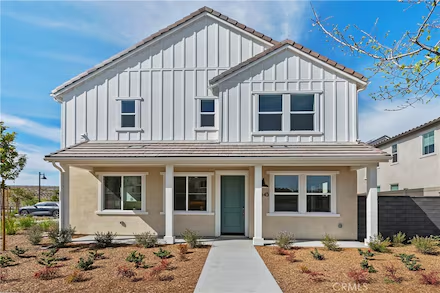
A villa typically offers a standalone structure, complete with private land. This translates into significantly larger living areas, both indoors and out. Imagine sprawling living rooms, multiple bedrooms (ideal for growing families or accommodating a dedicated home office, a necessity in today’s hybrid work environment), and perhaps even a dedicated entertainment room or gym.
Crucially, villas come with private outdoor spaces – a backyard for gardening, a patio for al fresco dining, or even a private pool. In an era where personal space and access to nature are highly prized, this unrestricted outdoor access is a major draw. For those seeking true autonomy over their environment, the ability to modify, expand, or simply enjoy a quiet moment without external interference is unparalleled. This offers a canvas for personalization, from intricate landscaping projects to installing cutting-edge smart home automation systems tailored precisely to your desires. The concept of a “forever home” often aligns with the flexibility and potential for growth that a villa provides.
The Practicality of the Apartment: Compact Convenience, Vertical Living
Apartments, by contrast, offer a more compact living solution, typically within a multi-story building. While the square footage might be smaller, the design of modern apartments in 2025 often maximizes every inch, utilizing open-plan layouts and smart storage solutions. The emphasis here is on efficiency and functionality, appealing to urban dwellers, young professionals, or those prioritizing a minimalist lifestyle.
Outdoor space in an apartment is usually limited to a balcony or a shared rooftop terrace. However, many contemporary apartment complexes are redefining shared spaces, offering beautifully designed communal gardens, dog parks, or even urban farms. The trade-off in private outdoor space is often compensated by proximity to urban amenities and a lower maintenance burden, making it an attractive option for those with demanding careers or who prefer to spend their free time exploring the city rather than tending to a yard. For individuals seeking a “lock-and-leave” lifestyle, where travel and flexibility are paramount, an apartment presents an undeniable advantage.
Decoding Amenities: Luxury, Community, and Modern Conveniences
In 2025, amenities are no longer just an add-on; they are integral to the living experience, often dictating the quality of life a property offers. The type and accessibility of amenities differ significantly between villas and apartments.
Villa Amenities: Exclusive Indulgence, Personal Responsibility
When you own a villa, your amenities are typically your own. This can range from a private swimming pool, a custom-built home theater, or a meticulously landscaped garden to a state-of-the-art home gym. The luxury here lies in exclusivity and personalization. You have complete control over their design, maintenance, and usage. Want to upgrade your kitchen with the latest smart appliances? You can. Dreaming of an eco-friendly solar panel installation? That’s your prerogative. This level of autonomy is highly appealing for discerning buyers seeking a truly bespoke living environment.
However, this exclusivity comes with responsibility. The cost and effort of maintaining these private amenities fall solely on you. Regular pool cleaning, garden upkeep, and system repairs are part of the ownership package. This demands either a significant time commitment or a dedicated budget for professional services. For those exploring luxury property investments, understanding the full scope of ongoing maintenance costs is crucial for accurate financial planning and assessing the long-term return on investment (ROI).
Apartment Amenities: Shared Services, Community Hubs
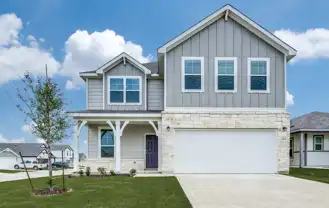
Apartment complexes, especially those in prime urban development zones, are increasingly offering an impressive array of shared amenities designed to foster community and convenience. We’re talking about state-of-the-art fitness centers with personal trainers, coworking spaces for remote professionals, concierge services, secure package delivery systems, and even on-site cafes or convenience stores. Many also feature communal swimming pools, rooftop lounges with panoramic views, media rooms, and dedicated children’s play areas.
The beauty of shared amenities is that the cost and responsibility for their maintenance are distributed among all residents, typically covered by homeowners’ association (HOA) fees. This allows residents to enjoy premium facilities without the individual burden of upkeep. For first-time homebuyers or those seeking a vibrant, social environment, these community hubs can significantly enhance the living experience. They promote interaction, convenience, and often a higher standard of living that might be unaffordable for an individual villa owner to replicate privately. When evaluating apartment living, carefully review the HOA regulations and fees, ensuring they align with your lifestyle and budget.
Navigating Location: Urban Vibrancy vs. Suburban Serenity
The age-old real estate adage “location, location, location” remains paramount in 2025, profoundly influencing the choice between a villa and an apartment.
Villa Locations: Tranquil Retreats, Space to Breathe
Villas are traditionally found in suburban or even semi-rural settings, offering larger plots of land and a quieter, less congested environment. This often translates to a more peaceful existence, away from the hustle and bustle of city life. For families, the appeal of larger yards, access to good school districts, and a sense of community often found in suburban family homes is undeniable. Commute times, however, can be longer, especially for those working in central business districts.
In 2025, with the rise of remote and hybrid work models, the perceived “downside” of longer commutes for villa owners has diminished for many. This shift has accelerated the demand for properties that offer more space and a better work-life balance away from the urban core. Villa locations often provide easier access to nature trails, parks, and a slower pace of life, appealing to those who prioritize outdoor activities and a serene atmosphere. Property value appreciation in these areas can also be significant, particularly as urban sprawl continues and land becomes scarcer.
Apartment Locations: Urban Convenience, Connectivity at Your Fingertips
Apartments are typically situated in prime urban locations, offering unparalleled access to a city’s vibrant pulse. Think walking distance to top restaurants, cultural venues, entertainment districts, and public transportation hubs. This makes them ideal for individuals who thrive on city energy, value short commutes, and enjoy a dynamic social life. For many professionals, living in an apartment in a downtown area means reclaiming hours previously spent commuting, allowing for more time on personal pursuits or career development.
The connectivity offered by apartment living extends beyond leisure. Proximity to major employment centers, prestigious educational institutions, and world-class healthcare facilities is a significant advantage. This urban accessibility contributes to the consistent demand for apartments, often translating into stable property values and strong rental income potential, making them attractive real estate investment opportunities. However, this convenience often comes with higher price tags per square foot and a more condensed living experience.
Budgeting Wisely: Beyond the Sticker Price
The financial implications of choosing between a villa and an apartment extend far beyond the initial purchase price. In 2025, understanding the full spectrum of costs is vital for smart financial planning and ensuring your home remains a source of comfort, not stress.
Villa Budget: Higher Upfront, Ongoing Responsibilities
Villas generally command a higher purchase price due to their larger size, private land, and individual construction. This means a larger down payment and potentially a bigger mortgage. However, the financial commitment doesn’t end there. Villa ownership involves a myriad of ongoing expenses:
Property Taxes: Often higher due to the larger property value and land size.
Home Insurance: Comprehensive policies are essential to protect your standalone asset.
Utilities: Heating, cooling, and water bills can be substantial for larger homes.
Maintenance: This is a significant factor. From roof repairs and HVAC servicing to landscaping, pest control, and general upkeep, these costs are entirely your responsibility. Budgeting for unexpected repairs is critical.
Renovations: While villas offer unparalleled customization, major renovations or upgrades can be costly.
Despite the higher costs, villas can offer substantial long-term value, particularly in desirable suburban markets where land appreciates consistently. The potential for home equity growth and the ability to add value through personalized upgrades make them a solid long-term real estate investment strategy. Mortgage financing options for villas can vary based on loan-to-value ratios and prevailing interest rates, which are key considerations for buyers in 2025.
Apartment Budget: More Accessible, Predictable Expenses
Apartments typically have a lower entry price point compared to villas, making them a more accessible option for first-time homebuyers or those with a more constrained budget. The initial down payment and mortgage loan might be more manageable. The ongoing costs, while different, can also be more predictable:
Property Taxes: Generally lower than villas, proportionate to the property’s value.
Home Insurance: Often less expensive, focusing on interior coverage (though common area insurance is covered by HOA).
Utilities: Typically lower due to smaller living spaces and shared building infrastructure.
HOA Fees: This is the most significant ongoing expense for apartment owners. These fees cover the maintenance of common areas (halls, elevators, landscaping, shared amenities), building insurance, and often some utilities (like water or trash). While substantial, they offer predictability and relieve individual owners of direct maintenance burdens. Understanding HOA regulations and fee structures is paramount.
Special Assessments: Occasionally, HOAs may levy special assessments for major building repairs or upgrades not covered by the regular budget. This is a risk factor to consider.
Apartments in well-maintained buildings and prime locations often exhibit strong resale value and can be excellent assets for those looking for a relatively hands-off investment property with potential for rental income. For buyers seeking a simpler financial model, where many large maintenance costs are pooled and managed by an association, apartments offer a compelling proposition.
Lifestyle Implications: Crafting Your Daily Narrative
Beyond the tangible aspects, your choice of home profoundly shapes your daily lifestyle. In 2025, with heightened awareness of mental well-being and personal fulfillment, aligning your home with your desired lifestyle is more important than ever.
Villa Lifestyle: Privacy, Autonomy, and Space to Grow
Living in a villa often translates to a greater sense of privacy and personal space. You’re not sharing walls, and your outdoor areas are exclusively yours. This autonomy allows for complete freedom in how you utilize and personalize your property, fostering a deeper connection to your home. It’s ideal for families seeking ample room for children to play, for pet owners who appreciate direct backyard access, or for individuals who cherish quietude and solitude.
The villa lifestyle also encourages hobbies like gardening, outdoor entertaining, and even small-scale home improvement projects. There’s a strong sense of ownership and often, a close-knit neighborhood community develops around shared suburban values. However, it can also mean more time dedicated to home maintenance and less spontaneous social interaction outside your immediate circle, unless intentionally sought out. For those valuing sustainable living solutions, a villa offers more scope for installing solar panels, rainwater harvesting, or creating extensive organic gardens.
Apartment Lifestyle: Connectivity, Convenience, and Community
Apartment living tends to promote a more connected and dynamic lifestyle. Proximity to urban amenities means less time commuting and more time for social activities, cultural events, and exploring the city’s offerings. The shared amenities within a complex often act as community hubs, facilitating interactions with neighbors and fostering a sense of belonging. This is particularly appealing to singles, couples, or empty-nesters who enjoy an active social life and easy access to services.
The “lock-and-leave” aspect is a significant draw for those with frequent travel plans or busy professional lives. You can often travel for extended periods without worrying about property maintenance. While privacy within your unit is maintained, the shared walls and common areas mean a different level of interaction with your neighbors. The emphasis is on convenience, efficient living, and often, a vibrant, low-maintenance urban experience. Smart home technology is often integrated into new apartment builds, offering seamless control over your living environment.
The Future of Your Investment: Property Value and ROI in 2025
Any home purchase is also an investment. Understanding the potential for property value appreciation and return on investment (ROI) is crucial.
Villas: Long-Term Growth, Land Appreciation
Villas, especially those in developing suburban areas or established luxury property markets, often offer significant long-term capital appreciation. A key factor here is the land itself. Land is a finite resource, and as populations grow, its value tends to increase steadily. The ability to expand, renovate, and add features also contributes to increasing a villa’s market value over time. For those with a long-term investment horizon, a villa can be a robust asset, providing excellent home equity growth.
However, the liquidity of a villa can sometimes be slower than an apartment, depending on market conditions and the unique features of the property. Selling a larger, more expensive property might take longer. Market trends, particularly mortgage rates and buyer demand for larger spaces, will continue to influence villa investment potential in 2025.
Apartments: Stable Returns, Rental Income Potential
Apartments, particularly in high-demand urban centers, often offer stable property value appreciation and excellent liquidity. Their accessibility and affordability to a wider range of buyers and renters contribute to consistent demand. For investors, apartments represent a strong opportunity for rental income, particularly in cities with robust job markets and student populations. Many luxury apartments in desirable urban areas have seen substantial appreciation, making them attractive for savvy real estate investors.
The ease of maintenance (managed by the HOA) also makes apartments appealing as investment properties for landlords. However, the value of an apartment can be more susceptible to the overall health of the building and the effectiveness of the HOA management. Overly high HOA fees or poorly managed common areas can negatively impact resale value. Understanding the local urban development zones and their future growth potential is key to maximizing apartment investment returns.
Making Your Final Decision: A Personalized Approach
Ultimately, the “better” choice between a villa and an apartment is deeply personal. There’s no universal answer, only the right answer for you in 2025. To make your definitive choice, consider these reflective questions:
What’s Your Non-Negotiable? Is it a private backyard, a short commute, state-of-the-art shared amenities, or the ability to customize every inch of your space? Identify your absolute must-haves.
Current and Future Lifestyle: How do you live now, and how do you envision your life in 5, 10, or even 20 years? Does your family plan to grow? Do you anticipate more remote work or a return to office?
Financial Comfort Zone: Go beyond the sticker price. Calculate the total cost of ownership for both options, including all ongoing expenses, potential for appreciation, and the impact on your overall financial health. Explore first-time homebuyer programs or down payment assistance options that might make either choice more feasible.
Time and Energy Commitment: Are you willing to dedicate significant time and effort to home maintenance, or do you prefer a hands-off approach?
Community vs. Solitude: How important is a vibrant social scene and shared facilities versus absolute privacy and personal space?
Embarking on your home-buying journey in 2025 is an exciting prospect. By methodically weighing the advantages and disadvantages of villa versus apartment living through the lens of your unique needs, financial capacity, and lifestyle aspirations, you’ll be well-equipped to choose the perfect home that resonates with your vision for the future. Happy home hunting!