
Villa vs. Apartment: Navigating Your Dream Home Choice in 2025
So, you’re standing at the precipice of one of life’s biggest decisions: buying a home. The year is 2025, and the real estate landscape, while constantly shifting, still presents that age-old, fundamental question – do you go for the sprawling independence of a villa or the streamlined convenience of an apartment? As someone who’s spent over a decade guiding folks through these very waters, I can tell you there’s no single “better” option. It’s about finding the right fit for your unique lifestyle, aspirations, and financial blueprint.
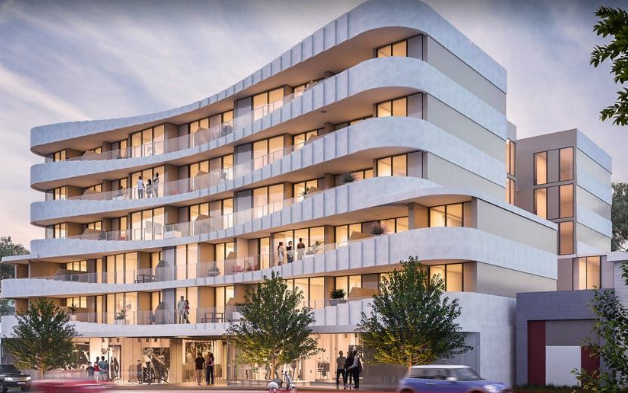
Let’s dive deep into this pivotal choice, dissecting what each housing type brings to the table in today’s market, and equipping you with the insights to make a truly informed decision.
Unpacking Your Space Needs: More Than Just Square Footage
When we talk about “space,” it’s not just about the number of bedrooms or the total square feet listed on a property sheet. It’s about how that space interacts with your daily life, your hobbies, your family dynamics, and even your peace of mind.
The Allure of the Villa: Room to Breathe and Grow
Villas, by their very nature, promise amplitude. We’re talking about spacious interiors that can comfortably accommodate larger families, offer dedicated zones for work-from-home offices (a staple in 2025!), home gyms, or expansive entertainment areas. Think multi-story layouts, separate living and dining rooms, and often, basements or attics ripe for conversion.
But the real differentiator for a villa, and often its most powerful draw, is the private outdoor space. Imagine your own backyard oasis – a meticulously landscaped garden, a children’s play area, a private pool for those sweltering summer days, or even just a quiet patio perfect for morning coffee. In 2025, with an increased appreciation for mental wellness and direct access to nature, this private green haven is more appealing than ever. For pet owners, it’s a game-changer, offering secure freedom for furry friends. For those who love to entertain al fresco, host barbecues, or cultivate a thriving vegetable patch, a villa’s yard is invaluable.
The freedom to customize and expand is another significant advantage. Want to add a sunroom? Build an extension? Redesign your kitchen from the ground up? With a villa, the property is typically yours to modify (within local zoning laws, of course). This level of autonomy allows homeowners to truly imbue their personal style and evolve the home alongside their changing needs over the years. This can also translate to a higher return on investment (ROI) if done strategically, especially with modern, energy-efficient upgrades.
The Practicality of the Apartment: Compact, Connected Living
Apartments, on the other hand, embrace a philosophy of compact living. This isn’t a drawback; for many, it’s a deliberate choice. Smaller footprints mean less to clean, less to furnish, and less to maintain, aligning perfectly with a low-maintenance lifestyle. This frees up precious time and energy, allowing residents to focus on careers, hobbies, or social engagements rather than weekend chores.
In 2025, with many individuals and couples prioritizing experiences over possessions, the “less is more” mantra resonates strongly. Apartments often cater to solo professionals, young couples, or empty nesters who appreciate efficient use of space and gravitate towards minimalist living. Smart storage solutions, open-concept layouts, and multi-functional furniture designs are hallmarks of modern apartment living, proving that compact doesn’t mean cramped.
While a private yard is rare, many apartments offer a private balcony or patio – a small but significant outdoor retreat for container gardening, enjoying fresh air, or simply unwinding with a view. And in some upscale developments, communal rooftop gardens or shared courtyards provide a green escape without the personal upkeep.
When considering space, ask yourself: How much physical room do I truly need? How much time and effort am I willing to dedicate to its upkeep? Does my current lifestyle demand sprawling gardens or a lock-and-leave convenience? These questions are fundamental to aligning your choice with your authentic self.
Exploring Amenities: Luxury vs. Lifestyle
Beyond the four walls of your home, what services and facilities enhance your daily life? This is where the amenity battle heats up, offering distinctly different propositions between villas and apartments.
Villas: Exclusive Perks and Personal Control
The primary amenities associated with villas are their exclusive perks. This typically means features that are yours and yours alone:
Private Pools: The ultimate luxury for many, offering privacy, convenience, and a personal resort experience right in your backyard.
Expansive Gardens/Yards: As discussed, these are amenities in themselves, providing space for recreation, relaxation, and even culinary pursuits.
Dedicated Garages/Carports: Often larger, offering extra storage or workshop space beyond parking.
Home Automation & Smart Tech: While available everywhere, villas offer greater scope for complex, whole-house integrated systems without worrying about shared network interference or HOA restrictions.
The beauty of these amenities is the complete control you have over them. You decide when the pool is cleaned, how the garden is designed, and what smart devices are installed. This autonomy is a major draw for those who value customization and absolute privacy. However, this control comes with a caveat: you are solely responsible for the maintenance, repair, and associated costs. A leaky pool pump or a landscaping overhaul falls squarely on your shoulders. For those seeking luxury real estate that offers a bespoke living experience, villas often present the ideal canvas.
Apartments: Shared Luxury and Community Living
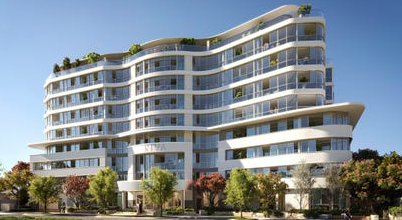
Apartments, particularly those in modern complexes, shine with their shared amenities. These are facilities maintained by the property management or Homeowners’ Association (HOA) and accessible to all residents, fostering a sense of community. In 2025, these amenities are more sophisticated and lifestyle-centric than ever:
State-of-the-Art Fitness Centers: Often equipped with the latest cardio machines, weight training equipment, and sometimes even dedicated yoga studios or spin rooms, eliminating the need for an expensive gym membership.
Swimming Pools: Resort-style pools, often with cabanas, hot tubs, and sun decks, providing a social hub without the private maintenance burden.
Co-working Spaces/Business Centers: Reflecting the remote work trend, these offer professional environments for residents, complete with high-speed internet, meeting rooms, and printing facilities.
Clubhouses/Lounge Areas: Social hubs for residents to relax, host events, or simply connect with neighbors.
Rooftop Terraces/Sky Lounges: Offering breathtaking views, grilling stations, and social spaces, especially in desirable urban locations.
Concierge Services: Adding a layer of convenience with package handling, dry cleaning services, and local recommendations.
Pet Parks/Washing Stations: Catering to the significant population of pet owners.
Security Features: Gated access, surveillance cameras, and often on-site security personnel providing enhanced peace of mind.
The shared model means you get access to a broader range of premium amenities at a fraction of the cost you’d incur to maintain them privately. Your HOA fees cover the upkeep, repairs, and management of these facilities. For those who thrive in social environments, enjoy convenience, and want access to diverse facilities without the individual financial burden, apartments offer an attractive community lifestyle.
Consider your priorities: Do you crave exclusive, private amenities that you fully control and maintain, or do you prefer access to a wide array of shared, professionally managed facilities that foster social interaction and convenience?
Navigating Location Considerations: Urban Pulse vs. Suburban Serenity
“Location, location, location” remains the unwavering mantra in real estate, and your choice between a villa and an apartment is profoundly influenced by where you want to live.
Villas: Often in Serene Outskirts or Established Suburbs
Historically, villas have been more prevalent in serene outskirts or established, tree-lined suburban neighborhoods. These locations offer a quieter pace of life, less traffic noise, and generally larger plots of land. If your ideal lifestyle involves peace, expansive greenery, and a strong sense of neighborhood community, these settings are highly appealing.
Proximity to Nature: Villas often boast closer access to parks, nature trails, and green belts, aligning with a lifestyle that values outdoor recreation and fresh air.
Better School Districts: Many suburban villa communities are renowned for their top-rated public schools, making them a prime choice for families with children.
Privacy and Space: The lower population density and larger lot sizes inherently provide more privacy and a stronger sense of personal space, a true suburban retreat.
Community Feel: While often less densely packed, many villa neighborhoods foster tight-knit communities through block parties, local events, and shared recreational spaces.
The trade-off can sometimes be a longer commute to central business districts or a greater reliance on personal vehicles. However, in 2025, with the widespread adoption of hybrid work models, the importance of a daily commute has lessened for many, making these tranquil locations even more viable. Accessibility to essential services, shopping, and entertainment might require a short drive, but for many, the benefits of peace and quiet far outweigh this.
Apartments: Prime Locations for Unparalleled Convenience
Apartments, particularly those built in the last decade, are strategically located in prime urban and developing commercial areas. They are designed for those who want to be at the heart of the action, where everything is just a stone’s throw away.
Walkability and Public Transit: Access to public transportation, short walks to cafes, restaurants, grocery stores, and entertainment venues are major draws. This supports a car-free or car-lite lifestyle, which is increasingly environmentally conscious and cost-effective.
Proximity to Work and Education: For those whose jobs or educational institutions are still city-centric, apartments drastically cut down commute times, offering unparalleled urban convenience.
Vibrant Social Scene: Living in an apartment in a bustling area means being immersed in the city’s cultural pulse, with easy access to museums, theaters, concert halls, and diverse culinary experiences.
Less Reliance on a Car: For many, the ability to walk or use public transit for most errands and social outings is a significant perk, reducing transportation costs and environmental impact.
The flip side of this vibrancy can be higher density, more noise, and sometimes less personal space. Parking can also be a challenge, even with dedicated garage spots. However, for those who thrive on the energy of city life and prioritize accessibility over expansive personal grounds, an apartment in a prime location offers an unmatched lifestyle.
When evaluating location, consider your daily routine, your transportation preferences, your need for quiet versus vibrancy, and the importance of specific amenities like schools or cultural venues. The right location isn’t just about geography; it’s about how it complements your chosen way of life.
Budgeting Wisely: Beyond the Sticker Price
This is where the rubber meets the road. Financial considerations are paramount, and the initial purchase price is just one piece of a much larger puzzle. To truly budget wisely, you need to look at the holistic financial picture, factoring in both upfront and ongoing costs, and understanding the potential for long-term property appreciation and home equity.
Villas: Generally More Expensive, Higher Upkeep
Villas almost invariably come with a higher upfront purchase price due to the larger plot of land, greater square footage, and often more elaborate construction. This naturally translates to a larger down payment and potentially a larger mortgage.
Beyond the purchase, ongoing costs can be substantial:
Property Taxes: These are typically higher for villas due to the increased property value and land size.
Homeowners Insurance: Often more expensive to cover a larger structure and potentially a pool or extensive landscaping.
Utilities: Heating, cooling, and electricity bills tend to be higher for larger homes.
Maintenance & Repairs: This is a significant factor. As the sole owner, you are responsible for everything: roof repairs, exterior painting, plumbing, electrical systems, HVAC maintenance, landscaping, pool cleaning, pest control, and any unexpected issues. These costs can be unpredictable and substantial, requiring a robust emergency fund or dedicated savings.
Renovation Costs: While offering great customization, any major renovations can be a significant financial outlay.
However, villas also offer significant potential for long-term appreciation. The land itself often appreciates in value, and well-maintained or strategically upgraded villas can command excellent resale prices, contributing significantly to your net worth. They are also seen by many as a more traditional investment property due to their tangible asset value and potential for future development (e.g., adding an accessory dwelling unit, subject to zoning). Securing favorable mortgage rates in 2025 will be crucial for managing the monthly payments.
Apartments: More Budget-Friendly Options, Predictable Fees
Apartments typically present a more budget-friendly entry point into homeownership. Their purchase prices are generally lower, making them accessible to a broader range of buyers, especially first-time homeowners.
While the purchase price might be lower, apartments come with their own set of ongoing costs, primarily HOA (Homeowners’ Association) fees:
HOA Fees: These monthly or quarterly fees cover the maintenance of shared amenities, common areas (hallways, lobbies, landscaping), building insurance (for the structure, not your personal belongings), and sometimes certain utilities like water or trash. While an additional expense, these fees offer predictability and eliminate the headache of unexpected major repairs on shared infrastructure.
Property Taxes: Generally lower than villas due to the smaller individual property value, though still a significant annual expense.
Utilities: Often more efficient than larger homes, leading to lower monthly utility bills.
Interior Maintenance: You are responsible for the interior of your unit, but major structural repairs or exterior upkeep are usually covered by the HOA.
The predictability of HOA fees can be a huge benefit for budgeting. However, it’s crucial to thoroughly vet the HOA’s financial health, reserve funds, and proposed budget. Unexpected special assessments (one-time charges for major repairs not covered by reserves) can occur, so understanding HOA regulations and financial transparency is key.
Apartments in desirable urban locations also offer strong potential for property appreciation, especially in high-demand markets. They can be excellent investment properties for rental income or for those looking to build equity with a lower initial outlay.
When crunching the numbers, look beyond the price tag. Factor in property taxes, insurance, utilities, maintenance, and HOA fees (if applicable). Consider your personal comfort level with financial predictability versus the potential for higher, but less controlled, costs. A detailed financial planning session with a trusted advisor can illuminate the best path for your economic future.
Making the Decision: Your Lifestyle, Your Legacy
The “better” choice truly boils down to your personal preferences, priorities, and long-term vision. As an expert, my role isn’t to tell you which to choose, but to empower you with the clarity to make that choice yourself.
Let’s distill it into a series of crucial questions to ask yourself in 2025:
What’s Your Vision of “Home”?
Do you dream of expansive private gardens, the freedom to customize every inch, and a quiet, suburban sanctuary? Or do you envision a sleek, modern space in the heart of the city, where convenience and community amenities are paramount?
Is sustainable living important to you? Both can offer options, but a villa might allow for solar panels or extensive rainwater harvesting more easily, while a modern apartment complex might be built with high energy-efficiency standards.
What Kind of Lifestyle Do You Lead (or Aspire to Lead)?
Are you a DIY enthusiast who enjoys yard work and home improvement projects, or do you prefer to spend your weekends pursuing hobbies and socializing, leaving maintenance to others?
Do you thrive on the energy of a bustling city, with cultural events and diverse dining options at your doorstep? Or do you crave the tranquility of nature, a slower pace, and a strong, neighborhood-centric community?
How important is smart home integration for you? Both can incorporate technology, but a villa offers more opportunities for whole-house systems.
What Are Your Family Needs and Future Plans?
Do you have a growing family, pets that need outdoor space, or elderly relatives who might need single-level living?
Are you anticipating career changes that might impact your commute or your need for a dedicated home office?
Is this a short-term stepping stone or a long-term family legacy home?
What Does Your Financial Picture Truly Look Like?
Beyond the down payment, have you realistically factored in all ongoing costs – taxes, insurance, utilities, maintenance (predictable HOA fees vs. unpredictable repairs)?
What are your long-term property investment goals? Are you looking for maximum capital appreciation and control, or a stable asset with manageable costs?
Have you spoken with a mortgage advisor about current mortgage interest rates and what loan options best suit your financial profile in 2025?
Your dream home awaits, but it’s more than just a structure; it’s the foundation for your lifestyle. By honestly evaluating your space needs, desired amenities, preferred location, and comprehensive budget, you can move forward with confidence. Whether you choose the spacious elegance and private sanctuary of a villa or the practical convenience and vibrant community of an apartment, remember that the best decision is the one that aligns perfectly with you. Happy home hunting!