
Title: Navigating Square Footage in 2025: Your Definitive Guide to US Property Measurements
In the dynamic US real estate market of 2025, where digital platforms and data analytics increasingly shape transactions, understanding the true dimensions of a property remains paramount. Far beyond a simple number on a listing, square footage is the bedrock of property valuation, influencing everything from home appraisal outcomes to mortgage qualification, and ultimately, your financial peace of mind. As an expert who has witnessed a decade of market shifts, I can confidently say that clarity on property measurements is not just an advantage—it’s a necessity for both astute buyers and strategic sellers.
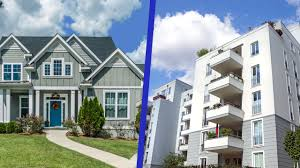
The term “square footage” might seem straightforward, but in practice, it’s a mosaic of different calculations, each with its own purpose and implications. Misinterpreting these distinctions can lead to significant financial missteps, impacting your long-term investment property goals or even the comfort of your primary residence. This comprehensive guide will dissect the nuances of how square footage is defined and applied across the United States, equipping you with the knowledge to confidently navigate any real estate transaction in 2025.
The Core Concepts: What Does “Square Footage” Really Mean in the US?
Unlike some global markets that define “carpet area” or “built-up area” with distinct terminologies, the US generally consolidates these into a few key measurements, predominantly focusing on “Gross Living Area” and differentiating between “finished” and “unfinished” spaces. Understanding these distinctions is critical for an accurate market analysis and ensuring fair value.
Gross Living Area (GLA): The Heart of Your Home’s Value
Often considered the gold standard for residential property valuation by appraisers, real estate agents, and lenders, Gross Living Area (GLA) refers to the total area of finished, habitable, above-grade space. This is the space that is considered central to a home’s functionality and comfort.
What’s Included in GLA?
Finished Space: Areas that are completed with walls, floors, ceilings, and heating/cooling systems consistent with the rest of the house. Think living rooms, bedrooms, kitchens, dining rooms, bathrooms, and hallways.
Above-Grade: This is a crucial distinction. GLA typically includes only floors that are entirely above ground level. If a home is built into a hillside, for example, only the portions of a level that are above ground on at least two sides are usually counted as above-grade for GLA purposes by most appraisal standards.
Habitable Space: Areas designed for regular living, not merely storage or utility.
Directly Accessible: Space that is directly accessible from other finished parts of the home, without requiring passage through unfinished areas or external access.
What’s Excluded from GLA?
Basements (Below-Grade): Even if finished to the same quality as above-grade areas, basements are almost universally excluded from GLA. While they add significant functional value and contribute to the overall property value, they are typically listed separately.
Attics: Finished or unfinished, attics are generally excluded unless they meet stringent above-grade and direct access criteria, which is rare.
Garages: Attached or detached, garages are never included in GLA. They are functional spaces but not considered “living area.”
External Structures: Sheds, workshops, detached studios, or pool houses are excluded from the main home’s GLA. They might have their own square footage listings and add value, but not to the primary GLA.
Open-Air Spaces: Patios, decks, porches (even covered ones), and balconies are generally not included in GLA, as they are not enclosed, finished, and climate-controlled. Screened porches are a gray area; some local guidelines might count them if they are an integral part of the structure and usable year-round, but it’s not standard.
Finished vs. Unfinished Square Footage: The Quality Divide
Beyond GLA, the distinction between finished and unfinished space further refines our understanding of a property’s utility and value. This is especially relevant when discussing basements, attics, or even potential expansion areas.
Finished Square Footage: This refers to any space that has been completed to a habitable standard, consistent with the rest of the home’s quality. This includes proper flooring, painted walls, finished ceilings, lighting, and an integrated heating/cooling system. A finished basement, for instance, adds substantial functional square footage, even if it’s not part of the GLA. This can significantly impact a home’s marketability and how buyers perceive its overall utility and potential.
Unfinished Square Footage: These are areas under the roofline but lacking the completion of finished space. This often includes raw basements, unfinished attics, storage rooms, and even garages. While they don’t contribute to immediate living comfort, they offer potential for future expansion and remodeling ROI, a key consideration for investment property buyers. The cost of transforming unfinished space into finished space can be considerable, and buyers should factor this into their budget and projections, especially in the context of rising construction costs in 2025.

Total Under-Roof Area: A Broad Measure
Sometimes, you might encounter listings that mention “total under-roof area.” This is a less standardized term but generally encompasses all square footage enclosed by the roof and exterior walls, regardless of whether it’s finished or unfinished, and including garages. It’s a comprehensive footprint but not typically used for direct valuation comparison in the same way GLA is. It’s more about the physical size of the structure.
Common Areas and Shared Spaces: The Condominium Conundrum
In the US, particularly for condominiums, townhouses, or properties within Homeowners Associations (HOAs), the concept of common areas is critically important but handled very differently from a “Super Built-Up Area” model seen elsewhere.
Individual Unit Square Footage: When you buy a condo, your purchase is based on the finished square footage of your individual unit. This is your private, exclusive space.
Shared Ownership of Common Areas: Unlike some models where common areas are proportionally added to your unit’s square footage for pricing, in the US, common areas (lobbies, hallways, elevators, gyms, pools, parking structures, landscaped gardens) are typically owned collectively by all unit owners as “common elements” of the condominium association.
HOA Dues and Amenities: Your proportionate share of these common areas is reflected not in your unit’s square footage price, but in your monthly HOA dues. These fees cover maintenance, insurance, utilities for common areas, and funding for future capital improvements. The quality and extent of these amenities significantly enhance the overall property valuation and lifestyle/brand voice of a community, making them crucial for luxury real estate and certain investment property considerations.
Impact on Value: While not directly added to your unit’s square footage, access to high-quality amenities absolutely impacts perceived value and market price. A unit in a building with a state-of-the-art gym and concierge service will command a higher price than an identical unit in a building without such features, even if their individual unit square footage is identical. This is part of the holistic market analysis buyers and sellers undertake.
Why Do These Distinctions Matter So Much?
The precise understanding of square footage is not just academic; it has profound practical and financial implications in every real estate transaction.
Property Valuation and Home Appraisal: This is perhaps the most critical impact. Appraisers heavily rely on GLA to determine a property’s fair market value. They compare “apples to apples” – properties with similar GLA, age, condition, and location. An inaccurately reported GLA can lead to a lower appraisal than expected, potentially affecting your mortgage qualification or even derailing a sale. For investment property calculations, an accurate appraisal is the bedrock of projected rental yield and ROI.
Pricing Strategy for Sellers: As a seller, knowing your accurate GLA is essential for setting a competitive price. Overstating it can deter buyers or lead to appraisal issues, while understating it means leaving money on the table. A seller’s agent uses precise measurements to position your home effectively within current housing market trends.
Buyer Expectations and Decision-Making: For buyers, understanding the true usable living space is paramount. A listing might boast a large “total square footage,” but if a significant portion is an unfinished basement or garage, the actual finished living space (GLA) might be considerably smaller than anticipated. This directly impacts how a buyer perceives the space, its suitability for their lifestyle, and their comfort with the purchase price.
Mortgage Qualification and Lending: Lenders base loan amounts on the appraised value of a home, which in turn leans heavily on GLA. Incorrect measurements can affect how much you can borrow, influencing your home equity down the line.
Property Taxes: Local tax assessors use various metrics, including square footage, to determine your annual property taxes. An accurate measurement ensures you’re paying your fair share, no more, no less. Discrepancies can lead to costly re-assessments.
Home Insurance: Insurance premiums can also be influenced by the total square footage, as it affects the estimated cost to rebuild the structure in case of damage.
Renovation Planning and Construction Costs: If you’re planning to expand or remodel, knowing the existing finished and unfinished square footage helps calculate construction costs and potential remodeling ROI. Accurate measurements are crucial for obtaining permits and ensuring compliance with zoning regulations.
Digital Real Estate Platforms and Virtual Tours: In 2025, robust digital real estate platforms heavily feature square footage. Virtual tours, increasingly integrated with precise floor plans and even AI in real estate for predictive analytics, rely on accurate data to give buyers a realistic sense of space. Misleading information here erodes trust quickly.
Practical Tips for Navigating Square Footage in 2025:
For both buyers and sellers, proactive measures are key to avoiding pitfalls related to property measurements.
For Buyers:
Always Clarify Definitions: Don’t assume. When looking at a listing, ask your buyer’s agent specifically what “square footage” number is being referenced. Is it GLA? Is it total under-roof? Is it just finished space? Insist on clarity.
Request Floor Plans: In 2025, digital floor plans are increasingly common. These visual aids help you understand the layout and verify the listed square footage, distinguishing between finished, unfinished, and outdoor spaces. Modern tools can even integrate smart home technology layouts.
Cross-Reference with Public Records: Most county assessor’s offices provide public access to property records, including the square footage on file for tax purposes. While not always perfectly precise, this provides a valuable baseline.
Consider a Professional Property Survey or Measurement: For older homes or properties where square footage is a critical deciding factor, consider hiring an independent appraiser or surveyor to measure the property. This small investment can prevent major future headaches, especially for high-value or complex luxury real estate.
Factor in Unfinished Space Potential: If a property has an unfinished basement or attic, consider its potential. What would it cost to finish it? What would the remodeling ROI be? This foresight is crucial for long-term investment property strategies.
Don’t Forget the Outdoor Experience: While not part of GLA, well-designed outdoor spaces (decks, patios, yards) significantly contribute to lifestyle and perceived value. Factor these into your overall assessment, especially given evolving preferences for outdoor living in recent years.
Understand HOA Dues for Common Areas: For condos and HOAs, understand what your condominium association fees cover. These fees are your “cost” for the extensive common areas that enhance your living experience, even if they aren’t part of your unit’s measured square footage.
For Sellers:
Verify Your Property’s Measurements: Before listing, ensure the square footage you advertise is accurate. Consult a recent appraisal, a property survey, or even hire a professional to measure. Laser measuring devices and professional services offer high precision.
Disclose Accurately and Transparently: Honesty is the best policy. Clearly state whether the advertised square footage is GLA, finished living space (including a finished basement), or total under-roof. Differentiate between finished and unfinished areas in your listing description. Your seller’s agent can guide you on best practices.
Understand Appraisal Standards: Be aware that lenders will use an appraiser who adheres to specific standards (e.g., Fannie Mae/Freddie Mac guidelines) that typically exclude basements and garages from GLA. Prepare for this distinction in the valuation process.
Highlight Added Value: If you have high-quality finished basements or attic spaces that aren’t part of GLA, emphasize their utility and features. Describe them as “bonus rooms,” “additional living space,” or “recreational areas” to showcase their value without misleading on official GLA.
Professional Photography and Virtual Tours: In 2025, high-quality visuals are non-negotiable. Professional photos, video walkthroughs, and interactive virtual tours (often with integrated floor plans) help buyers understand the scale and flow of your home, reducing reliance solely on a numerical square footage.
Keep Records of Improvements: If you’ve added finished square footage (e.g., converted an attic into a habitable room), ensure you have permits and documentation. This validates your claims during appraisal and enhances your property’s value.
The Future of Measurement: AI, Drones, and Transparency
As we move deeper into 2025, technology continues to reshape how we measure and verify property dimensions. Drone mapping, 3D laser scanning, and AI-powered valuation tools are becoming more sophisticated, offering unprecedented levels of accuracy and detail. These tools not only reduce human error but also provide rich data that can enhance market analysis, help predict housing market trends, and ensure greater transparency for both buyers and sellers. Sustainable building practices and the integration of smart home technology are also pushing new ways to evaluate a home’s overall footprint and efficiency, moving beyond mere physical dimensions to a more holistic view of value.
Conclusion:
In the complex landscape of 2025 US real estate, understanding square footage is no longer a niche concern but a fundamental literacy. From accurate property valuation and smooth mortgage qualification to setting realistic buyer expectations and strategic pricing, every facet of a real estate transaction hinges on precise measurements. By grasping the distinctions between Gross Living Area, finished vs. unfinished space, and how common areas are accounted for, you empower yourself to make informed decisions, protect your investment, and confidently navigate the market. Don’t let a simple number become a source of confusion; let it be a clear pathway to your next successful real estate venture.