Demystifying Square Footage in US Real Estate: An Expert’s 2025 Guide to Understanding What You’re Really Buying
Navigating the bustling US real estate market in 2025 feels like deciphering a complex code. With property values constantly shifting, interest rates playing their delicate dance, and technological advancements offering new ways to view and assess homes, one fundamental concept remains shrouded in persistent confusion: square footage. For over a decade, I’ve guided countless buyers and sellers through the intricacies of property transactions, and I can tell you unequivocally that understanding how square footage is defined, measured, and applied is not just helpful—it’s absolutely critical for making informed decisions, protecting your investment, and ensuring you get true value for your money.
Forget the simple numbers you see on a listing. The truth is, “square footage” isn’t a universally standardized term across all property types or even all professionals in the US. What a county assessor records, what a builder advertises, what an appraiser uses, and what a homeowner perceives can be four wildly different things. This analytical guide will slice through the ambiguity, breaking down the various methods and terminologies used to measure residential properties in the United States, equipping you with the expertise to confidently approach your next real estate venture.
The Elusive “Square Foot”: A US Perspective on Measurement Standards
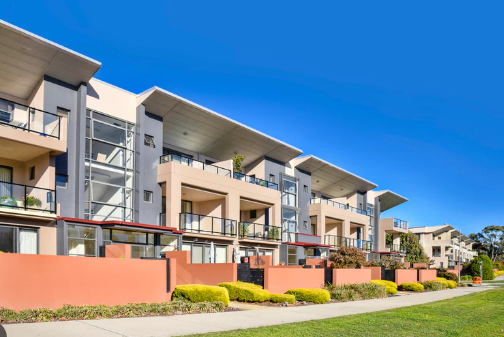
In the US, unlike some other countries with highly centralized real estate regulations, the definition of “square footage” can be surprisingly fluid. This fluidity stems from a combination of historical practices, regional variations, the specific type of property (single-family home vs. condo), and the purpose of the measurement (tax assessment, appraisal, marketing).
For single-family homes, the most commonly accepted standard for finished living space is often derived from the American National Standards Institute (ANSI) Z765-2021 standard for measuring residential buildings. While adherence to ANSI is voluntary, it’s widely used by appraisers and increasingly by real estate professionals aiming for consistency and transparency. However, even with ANSI, there are nuances.
For condominiums and co-ops, the situation is further complicated by the division between exclusive unit space and common elements, mirroring some of the conceptual challenges found in the “Super Built-Up Area” discussions globally. Here, the master deed, condominium declaration, and individual unit plans dictate what constitutes the unit’s square footage, and this can vary significantly from project to project.
Let’s dissect the primary ways square footage is commonly understood and measured in the US market as of 2025.
Defining Your Domain: What You Actually Live In (Usable Space)
When you picture your dream home or a new apartment, you’re likely thinking about the “usable space”—the areas where you’ll place furniture, cook meals, and enjoy daily life. In the US context, this concept aligns most closely with what is often referred to as Gross Living Area (GLA) for single-family homes, or Unit Interior Space for condominiums.
Gross Living Area (GLA) for Single-Family Homes
GLA is the most critical measurement for single-family homes and forms the backbone of most residential property appraisal reports. Defined by standards like ANSI Z765 and Fannie Mae/Freddie Mac guidelines, GLA refers to the total area of finished, heated, and above-grade residential space.
Inclusions for GLA:
All living areas that are finished, heated, and cooled (e.g., bedrooms, bathrooms, kitchens, living rooms, finished basements if they are entirely above grade and meet other finished criteria).
Space accessed directly from the interior of the home.
Finished attic spaces that meet ceiling height requirements and are heated/cooled.
Exclusions from GLA:
Unfinished Basements: Even if partially finished, if a significant portion is below grade, it’s typically excluded from GLA, though it will be listed separately as “basement area.”
Garages: Attached or detached, garages are almost universally excluded from GLA because they are primarily for vehicles and storage, not daily living.
Unfinished Spaces: Areas like unfinished attics, storage rooms, or utility rooms are not counted in GLA.
Open Porches, Decks, Patios: These are exterior spaces, regardless of how large or well-appointed they are.
Balconies (unless enclosed and heated): An open balcony or even a screened-in porch that isn’t fully integrated into the home’s heating/cooling system typically won’t count toward GLA. An enclosed, heated sunroom could be included if it meets the criteria.
Why it matters: GLA is the primary metric used by appraisers to determine the real estate valuation of a single-family home. It directly impacts the “cost per square foot” calculation, which is a key comparative tool in the market. Understanding GLA ensures you’re comparing apples to apples when looking at different homes.
Unit Interior Space for Condominiums/Co-ops
For multi-family units like condos, the “usable space” is typically defined by the boundaries of the individual unit. This is often described in the master deed or declaration and is the exclusive area that the owner controls and maintains.
Inclusions for Unit Interior Space:
The entire interior floor space of the unit, usually measured from the interior side of the exterior walls and the midpoint of any shared interior walls.
All finished, heated, and cooled areas within the unit’s defined boundaries.
Often includes closets, hallways within the unit, and sometimes even the area consumed by interior walls within the unit.
Exclusions from Unit Interior Space:
Common hallways, lobbies, stairwells, and shared amenities.
Exterior balconies or patios (these might be “limited common elements” assigned for exclusive use, but not part of the unit’s interior square footage for most purposes).
Exterior walls, structural components of the building.
Why it matters: This measurement is crucial for understanding the actual living area you possess and maintain within your condo. It’s the basis for comparing units within a building or across different condo developments.
Beyond the Interior Walls: Total Enclosed Area and Its Nuances
While GLA and Unit Interior Space focus on the most usable, finished areas, other measurements exist that encompass a broader footprint. These are less about “what you live in” and more about “the total enclosed area” or “under roof” space, which can sometimes be confused with usable space.
Total Enclosed Area (Single-Family)
This term might appear in various contexts, sometimes from builders or county tax records. It generally includes everything under the main roof structure that is enclosed, regardless of whether it’s finished or heated.
Inclusions:
GLA
Attached garages
Unfinished basements or attics
Enclosed porches (even if unheated)
Utility rooms, storage rooms
Exclusions:
Detached structures (garages, sheds)
Open porches, decks, patios
Why it matters: While not used for property appraisal as a primary metric, this figure can sometimes be used by county assessors for property tax calculations, or by builders to give a broader sense of the structure’s physical size. It’s important not to confuse this larger number with GLA when evaluating value.
“Under Roof” Square Footage
Similar to total enclosed area, this simply refers to all space directly protected by the roof. It’s a very broad measure that includes literally everything under the building’s roofline, regardless of finish or function. This term is more colloquial than a standard definition.
Why it matters: This term is rarely used for real estate valuation but can occasionally pop up in casual descriptions. It’s generally not useful for direct comparisons of living space.
The Condo Conundrum: Exclusive Use vs. Common Elements

This is where the US equivalent of the “Super Built-Up Area” concept comes into play, albeit with a distinctly different application. In a condominium or cooperative, you own your individual unit (your “exclusive use area”) and, critically, a proportionate, undivided interest in the building’s Common Elements.
Exclusive Use Area
As discussed, this is the interior space of your unit. However, sometimes “exclusive use” can extend to areas immediately outside your unit that only you can access, but which are still part of the common property.
Limited Common Elements: These are portions of the common elements that are reserved for the exclusive use of one or more units, but not all units. The most common examples are:
Balconies, patios, terraces: These are often structurally part of the common elements, but the right to use them exclusively is assigned to a specific unit.
Dedicated parking spaces: Often assigned to a unit but are part of the overall common area.
Storage lockers: Similar to parking, these are typically common elements with exclusive use rights.
Why it matters: While you have exclusive use, you typically don’t own these limited common elements in the same way you own your unit’s interior. Maintenance responsibilities can vary, so always check the HOA documents.
Common Elements
These are all parts of the property that are not designated as individual units or limited common elements. They are owned jointly by all unit owners as tenants in common.
Examples of Common Elements:
Structural components of the building (exterior walls, roof, foundation)
Landscaping, gardens, courtyards
Lobbies, hallways, stairwells, elevators
Shared amenities: swimming pools, fitness centers, clubhouses, common laundry facilities
Utility systems (plumbing, electrical, HVAC mains)
Why it matters: Your ownership percentage in the common elements determines:
Your share of the HOA fees: These fees cover the maintenance, repair, and insurance of the common elements, directly impacting your monthly housing costs. Understanding HOA fees explained is vital for budgeting.
Your voting rights: In homeowner association decisions, your vote is usually proportional to your ownership percentage.
Your liability: You are collectively responsible for the upkeep of these areas.
Crucially, in the US, the square footage of common elements is not typically added to your individual unit’s advertised square footage. Instead, the cost of acquiring and maintaining these common elements is factored into the unit’s purchase price and the ongoing HOA fees. When comparing condo square footage, always focus on the unit’s exclusive interior space and separately evaluate the quality and extent of the common amenities and the associated HOA costs.
Standardization, or Lack Thereof: The Role of ANSI and Appraisers
While a single “RERA Built-Up Area” equivalent doesn’t exist in the US, there are efforts towards standardization, primarily driven by the appraisal industry.
ANSI Z765-2021: This voluntary standard for single-family homes provides clear guidelines for measuring finished square footage, including how to handle various room types, ceiling heights, and below-grade areas. Its adoption promotes greater consistency.
Appraiser Guidelines: Appraisers, especially those working with federally backed loans (Fannie Mae, Freddie Mac), adhere to strict guidelines for calculating GLA. Their reports often differentiate between GLA, basement area, garage area, and other non-GLA spaces, providing a detailed breakdown that buyers should always review.
County Assessors: Local tax assessors determine taxable square footage, which can sometimes differ from GLA. Their measurements might include certain garages or unheated spaces, depending on local ordinances. This directly impacts your property taxes.
Builders and Developers: Builders often advertise the “total square footage under roof” or use less precise methods, which can sometimes lead to inflated numbers compared to an appraiser’s GLA. It’s a key area for buyer vigilance.
Real Estate Agents: Reputable agents will strive to use accurate square footage, often sourcing it from appraisal reports or county records. However, buyers should always verify.
The push for transparency in 2025 emphasizes the importance of understanding the source of any square footage claim. With increasing sophistication in data analytics and a stronger consumer protection focus, relying on vaguely defined “total area” figures is a high-risk gamble.
Why These Distinctions Matter: Real-World Implications
Understanding these varied definitions of square footage isn’t just academic; it has profound, practical implications for every aspect of a real estate transaction.
Valuation and Pricing (Cost Per Square Foot)
This is perhaps the most significant impact. Real estate prices are frequently discussed in terms of cost per square foot. If you’re comparing two homes and one is advertised at 2,000 sq ft (GLA) and another at 2,200 sq ft (total enclosed area including garage), using a simple “cost per square foot” calculation will drastically skew your perception of value. An accurate real estate valuation relies on consistent measurement standards. Misinterpreting square footage can lead you to overpay or misjudge a potential investment. This is critical for any property investment strategy.
Property Taxes
As mentioned, county assessors use their own methodologies to determine the square footage subject to taxation. This figure might include garages or unfinished basements in some jurisdictions. A larger assessed square footage (even if it’s not usable living space) can mean higher annual property taxes.
Lending and Insurance
Lenders rely on accurate appraisals to determine the loan amount. If the advertised square footage differs significantly from the appraised GLA, it can impact the loan-to-value ratio and even the approval of your mortgage. Similarly, insurance premiums can be tied to the total replacement cost of the structure, which is influenced by its overall size.
Buyer Due Diligence
For buyers, performing thorough buyer due diligence real estate is paramount. Accepting a listing’s square footage without question is a common pitfall. It’s your responsibility to understand what you’re buying, and that includes verifying the actual usable living space.
Future Trends (2025)
The advent of new technologies, such as LiDAR scanning, 3D modeling, and AI-powered measurement tools, promises to bring unprecedented precision to square footage calculations. In 2025, these tools are becoming more accessible, offering homeowners and professionals alike the ability to get highly accurate, verifiable measurements. However, even with advanced tech, understanding which square footage is being measured (GLA, total enclosed, etc.) remains crucial. The evolution of real estate market trends 2025 points towards greater data transparency, but interpretation skills will always be key.
Practical Steps for Buyers & Sellers in 2025
Whether you’re looking to purchase your dream home or sell an existing property, proactive steps regarding square footage will save you headaches and potentially thousands of dollars.
Always Clarify the Source and Definition: When reviewing any listing, ask the agent: “What is the source of the square footage? Is it GLA, tax record, builder plans, or something else?” Demand clarity.
Review Official Documents: For single-family homes, examine the most recent appraisal report, county tax records, and original builder plans (if available). These often provide the most reliable figures.
For Condos, Dive Deep into the Master Deed: The condominium declaration or master deed is your bible. It meticulously defines what constitutes the individual unit, common elements, and limited common elements. It will specify how your unit’s square footage is measured.
Consider a Professional Measurement: If there’s ambiguity, a significant difference between sources, or if you’re undertaking a major renovation, consider hiring a licensed appraiser or a specialized measurement service to provide an independent square footage report following ANSI standards. This small investment can prevent major disputes later.
Focus on Usable Space for Your Lifestyle: Ultimately, the number that matters most is the one that reflects how you’ll live in the home. How much furniture can you place? What are your storage needs? Does the layout feel spacious enough? Don’t get fixated on a large “total under roof” number if the usable living area is small.
“Cost Per Square Foot” is a Comparative Tool, Not Gospel: Use this metric cautiously. Always ensure you’re comparing properties based on the same type of square footage (e.g., GLA vs. GLA) and consider all other factors like location, condition, amenities, and market demand.
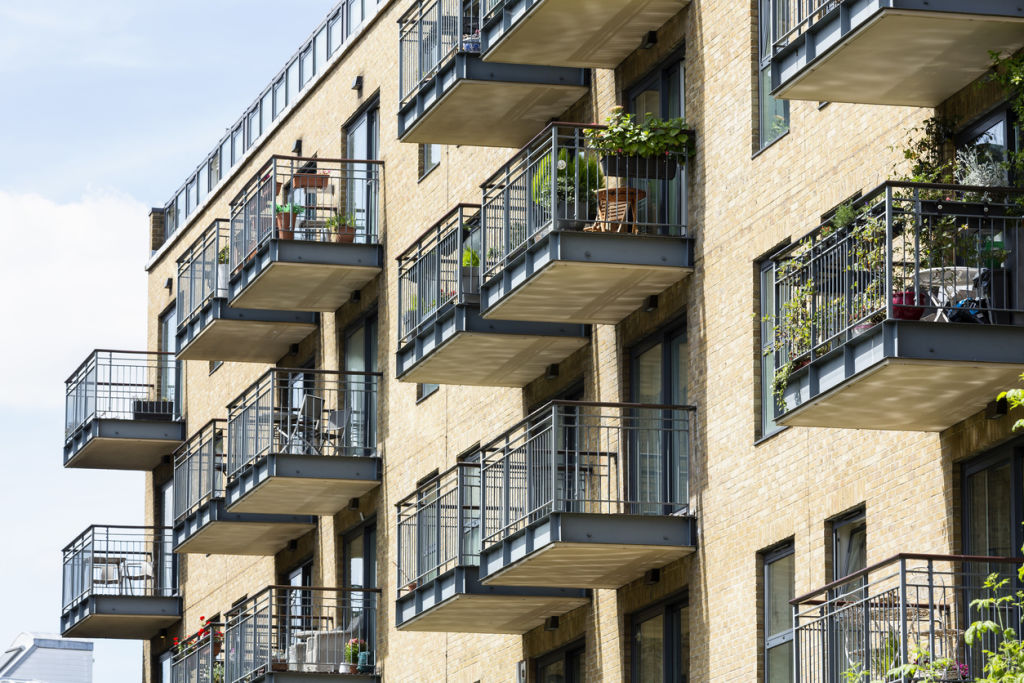
Sellers: Get Your Measurements Right: If you’re selling, ensure your advertised square footage is accurate and properly sourced. Being transparent upfront can prevent issues during appraisal and negotiation. Provide documentation to back up your claims.
Conclusion: Empowering Your Real Estate Journey in 2025
The world of US real estate square footage, with its myriad definitions and measurement practices, can indeed be a labyrinth. However, armed with an analytical understanding of Gross Living Area, Unit Interior Space, common elements, and the various ways property size is communicated, you transform from a bewildered novice into an empowered participant.
In 2025’s dynamic market, where every dollar and every square foot counts, knowledge is your most valuable asset. By asking the right questions, scrutinizing documentation, and understanding the practical implications of different measurements, you can navigate your real estate transactions with confidence, ensuring that the square footage you pay for truly represents the value and living experience you expect. Don’t just accept the numbers; understand them, verify them, and make your real estate decisions on a foundation of solid, informed expertise.