
Navigating the 2025 Real Estate Labyrinth: Apartment, House, or Land for Your Investment Capital?
As we settle into 2025, the American real estate landscape continues its dynamic evolution, presenting both compelling opportunities and intricate challenges for investors. For those with a significant, but not limitless, investment capital – let’s say in the range of $200,000 to $500,000 – the fundamental question remains: where should this capital be deployed for optimal returns and manageable risk? The perennial debate between investing in an apartment (condominium or multi-family unit), a single-family house, or undeveloped land demands a rigorous, analytical approach, especially given the nuances of the current market cycle.
This analysis will dissect each asset class, examining their potential for appreciation, income generation, liquidity, and inherent risks, all through the lens of a seasoned real estate professional with a decade of market-shaping experience. Our goal is to equip you with the insights necessary to make an informed decision in 2025’s complex investment climate.
The Allure of Apartments (Condos & Smaller Multi-Family Units) in 2025
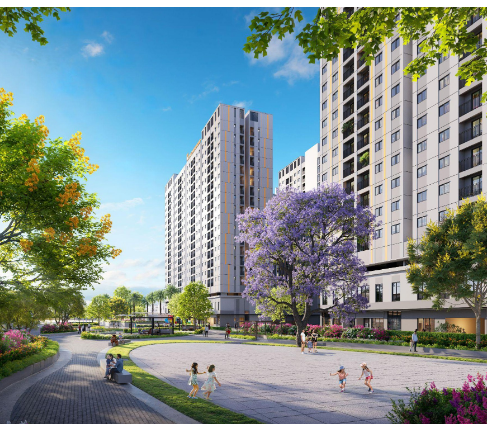
When we refer to “apartments” for investment, we’re typically considering condominiums or smaller multi-family properties like duplexes or triplexes. For investors operating within our specified capital range, these options often present a more accessible entry point into the residential real estate market compared to larger, detached homes, particularly in higher-cost urban and suburban areas.
Market Dynamics and Investment Potential:
The demand for rental properties, especially well-maintained apartments in desirable locations, remains robust in 2025. Factors contributing to this sustained demand include:
Affordability Challenges: High interest rates, while showing signs of stabilization or slight moderation compared to 2023/2024 peaks, still pose significant hurdles for many aspiring homeowners. This keeps a substantial portion of the population in the rental market, driving up occupancy rates and supporting rental growth.
Urbanization and Lifestyle Shifts: Younger generations and even empty-nesters continue to favor urban and walkable suburban environments, where condominiums and multi-family units are prevalent. The desire for convenience, proximity to work, entertainment, and amenities often outweighs the yearning for a large yard or sprawling detached home.
Work-Life Integration: While remote work has decentralized some populations, hybrid work models mean many still need access to urban centers, reinforcing demand for strategically located apartments.
Key Advantages for Investors:
Lower Entry Barrier: With $200,000-$500,000, you could potentially purchase a condominium outright in a secondary market or make a substantial down payment on a multi-family property in a primary market. This offers a tangible asset without requiring the astronomical capital outlay often associated with single-family homes in prime locations.
Potential for Passive Income Real Estate: Condos and multi-family units are quintessential rental properties. They generate consistent monthly rental income, contributing significantly to your cash flow and offering a buffer against market fluctuations. A well-chosen property in a high-demand area can yield a healthy cap rate (capitalization rate), indicating strong income generation relative to its purchase price.
Reduced Maintenance Burden (for Condos): One of the most attractive features of condominium investment is the shared responsibility for exterior maintenance, landscaping, and sometimes even utilities, managed by a Homeowners Association (HOA). This can translate to less hands-on management for the investor, making it an appealing option for those seeking a more passive investment strategy. For multi-family units, while you retain responsibility for the entire property, costs can be spread across multiple tenants.
Diversification of Property Portfolio: Investing in smaller multi-family units allows for built-in diversification. If one tenant vacates, you still have income from the other unit(s), mitigating the risk of total income loss. This is a crucial consideration for anyone focused on long-term real estate returns and strategic property acquisition.
Liquidity (Relatively Speaking): Compared to large, unique single-family homes or raw land, well-priced condominiums in popular areas tend to have a broader buyer pool, potentially leading to faster sales if you decide to exit the investment.
Potential Drawbacks and Risks:
HOA Fees and Special Assessments: While HOAs reduce direct maintenance, their fees can be substantial and may increase over time. Special assessments for large capital projects (e.g., roof replacement, major structural repairs) can be unforeseen and costly, significantly impacting your profitability. Thorough due diligence on HOA financials and future plans is paramount.
Slower Appreciation in Some Markets: While income generation can be strong, appreciation rates for condos might sometimes lag behind those of single-family homes, especially in markets where land value is the primary driver of property appreciation.
Limited Control: As a condo owner, you are bound by HOA rules and regulations, which can dictate everything from exterior modifications to rental policies. This lack of complete autonomy can be frustrating for some investors.
Tenant Turnover and Management: Even with HOA support for the building exterior, managing tenants, handling repairs within the unit, and dealing with vacancies can be time-consuming. Professional property management, while adding to expenses, can alleviate this burden.
The Enduring Appeal of Houses (Single-Family Homes) in 2025
For many investors, the single-family home (SFH) represents the quintessential real estate investment, embodying stability, tangible value, and a strong track record of appreciation. With our $200,000-$500,000 budget, direct SFH ownership might necessitate targeting secondary or tertiary markets, or utilizing the capital as a significant down payment on a more expensive property in a desirable urban fringe.
Market Dynamics and Investment Potential:
The demand for single-family homes remains structurally strong in 2025, driven by several factors:
Demographic Shifts: Millennial families continue to enter their prime homeownership years, seeking more space and suburban lifestyles as they grow.
Hybrid Work’s Influence: The flexibility of hybrid work models continues to allow families to seek homes further from dense urban cores, driving demand in exurban and suburban areas that offer better value and quality of life.
Limited Supply: Despite new construction efforts, the overall housing supply has struggled to keep pace with demand in many regions, especially for existing homes, supporting price growth.
Key Advantages for Investors:
Strong Appreciation Potential: Historically, single-family homes have often shown stronger long-term appreciation, largely due to the inherent value of the land they sit on. In a market where land is a finite resource, this trend is likely to continue.
Greater Control and Flexibility: As the sole owner of a single-family home, you have complete control over renovations, landscaping, and rental terms (within local regulations). This allows for greater potential to add value and tailor the property to market demand.
Broader Tenant Pool: Many families prefer renting a single-family home over an apartment due to more space, privacy, a yard, and often, better school districts. This can translate to stable tenants and potentially lower turnover rates.
Tangible Asset with Intrinsic Value: A well-maintained single-family home in a good neighborhood is a highly valued asset, offering both emotional and financial security. It’s often viewed as a more “solid” investment.
Tax Advantages: Owners of rental single-family homes can benefit from various tax deductions, including mortgage interest, property taxes, depreciation, and operating expenses, which can enhance overall profitability.
Potential Drawbacks and Risks:
Higher Entry Cost: In many desirable US markets, $200,000-$500,000 might only cover a substantial down payment on a single-family home, requiring additional financing and increasing overall debt. Full purchase often means looking at less competitive or emerging markets.
Significant Maintenance Responsibilities: As the sole owner, you are responsible for all maintenance, repairs, and capital improvements, from the roof and foundation to the plumbing and HVAC. These costs can be substantial and unpredictable, directly impacting your cash flow.
Vacancy Risk: If a tenant moves out, you bear 100% of the property’s expenses (mortgage, taxes, insurance, utilities) until a new tenant is found. This singular income stream makes vacancy a greater financial strain compared to multi-family units.
Liquidity Concerns: Selling a single-family home can take longer than a condo, especially in a cooling market. The sales process involves more variables and can be emotionally charged, potentially leading to longer holding periods than anticipated.
Geographic Specificity: The success of an SFH investment is heavily reliant on the specific neighborhood, school district, local job market, and community amenities. Poor location choices can severely hinder appreciation and rental demand.
The Speculative Frontier: Investing in Land in 2025
Investing in raw, undeveloped land is often considered the most speculative segment of real estate investment, offering potentially explosive returns but carrying significant inherent risks. With a $200,000-$500,000 budget, you could acquire substantial acreage in rural or exurban areas, or smaller, strategically located parcels closer to developing regions.
Market Dynamics and Investment Potential:
Land investment in 2025 is primarily driven by:
Population Growth and Urban Sprawl: As populations expand, urban areas naturally push outward, increasing the demand for undeveloped land for residential, commercial, and industrial development.
Infrastructure Development: New highway projects, utility extensions, or major corporate relocations can dramatically increase the value of surrounding land.
Limited Supply: Land, by its very nature, is a finite resource. This scarcity drives long-term value.
Key Advantages for Investors:
High Appreciation Potential: Land has the potential for truly exponential returns if development occurs as anticipated. Buying low in a path of progress can lead to significant wealth creation.
Low Maintenance: Unlike buildings, raw land requires minimal ongoing maintenance. There are no tenants, no roofs to fix, and generally fewer immediate concerns, reducing ongoing operational costs.
Flexibility and Multiple Exit Strategies: Land can be held for future development, rezoned and sold to a developer, leased for agricultural or recreational purposes, or even subdivided.
Simplicity of Ownership: Owning raw land is generally simpler than managing a building, with fewer legal complexities initially.
Potential Drawbacks and Risks:
No Income Generation: The most significant drawback is that raw land typically does not generate income. It’s a pure equity play, meaning you’re reliant solely on appreciation for profit. This requires significant holding power and ties up capital without providing cash flow.
Illiquidity: Land is often the least liquid of all real estate assets. Finding a buyer for a specific parcel can take years, especially if development plans don’t materialize or market conditions shift.
Zoning and Permitting Risks: Zoning regulations can change, blocking your intended use or development. Obtaining necessary permits can be a lengthy, expensive, and uncertain process. “Stuck in planning” is a common phrase in land investment.
Property Taxes and Carrying Costs: While maintenance is low, you still pay annual property taxes. These can accumulate, especially if the land appreciates but you can’t sell it.
Information Asymmetry and Speculation: The land market is highly susceptible to misinformation and speculation. Brokers might “inflate” perceived value based on hypothetical future development or unconfirmed infrastructure plans. Due diligence on planning, infrastructure, and actual market demand is absolutely critical.
“Paper Profit” vs. Realized Gain: Land prices are often based on future potential, not current utility. Investors often pay a “future picture” premium, meaning the real market price at the time of purchase might be inflated based on promises that may never materialize. You risk buying at a high perceived value and waiting indefinitely for the market to catch up.
Environmental and Geographic Risks: Undeveloped land can carry hidden environmental liabilities (e.g., wetlands, contamination) or be prone to natural disasters (e.g., floods, wildfires), significantly impacting its value and usability.
Crafting Your 2025 Investment Strategy: Preservation vs. Profit
Ultimately, the decision between an apartment, a house, or land for your 2025 property investment strategies hinges on your individual financial goals, risk tolerance, and investment horizon. The rule of thumb “profit is proportional to risk” holds true across all these asset classes.
Prioritizing Capital Preservation (Lower Risk, Moderate Profit):
If your primary objective is capital preservation with steady, moderate returns, and you prefer a more hands-off approach, investing in real estate through a well-located condominium or a stable multi-family property might be your best bet.
Condos/Multi-Family: Focus on established urban or suburban areas with strong rental demand, stable employment, and good amenities. Prioritize properties with solid HOA financials (for condos) and a history of reliable occupancy. Aim for positive cash flow from day one. Your profit margin might be in the 5-8% annual appreciation range, supplemented by rental income. Liquidity is relatively better here.
Prioritizing Profit Maximization (Higher Risk, Higher Reward):
If you have a higher tolerance for risk, a longer investment horizon (3+ years), and are willing to be more actively involved, a single-family home or strategically acquired land could offer greater upside.
Single-Family Home: Look for properties in emerging suburban markets, areas undergoing revitalization, or neighborhoods with excellent school districts. Consider properties that allow for value-add renovations to accelerate appreciation. Expect annual appreciation in the 10-15% range, potentially higher with strategic improvements, plus rental income.
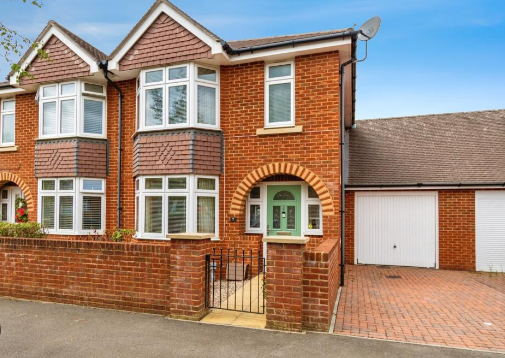
Land: This is the most speculative but potentially most lucrative. Target parcels in the “path of progress”—areas where future development or infrastructure projects are highly probable. Thoroughly research zoning, comprehensive plans, and local growth patterns. Understand that profit here can be 20% or more annually if things go right, but it could be zero for years if they don’t. This is a long-term play, often 5-10 years or more, and requires deep market analysis real estate expertise.
Mitigating Risks Across All Asset Classes
Regardless of your chosen path, diligent due diligence and a robust risk mitigation strategy are non-negotiable for long-term real estate returns:
Legality is Paramount: Always ensure clear title, proper permits, and verifiable legal status. For apartments, scrutinize HOA documents. For land, verify zoning, environmental reports, and any encumbrances. Never buy based on unapproved plans or vague promises. “Always buy land with a certificate, on the certificate is the correct type of land that you negotiated to buy,” is advice that transcends borders and asset types.
Location, Location, Location: This timeless adage holds true. Assess local economic health, job growth, population trends, infrastructure, and amenities. A property’s location profoundly impacts its rental demand, appreciation potential, and liquidity.
Market Price Verification: Avoid emotional bidding. Always conduct comparable market analysis (CMA) to ensure you’re not overpaying. This is especially critical for land, where prices can be speculative.
Financial Health: Understand all costs: purchase price, closing costs, financing options, property taxes, insurance, maintenance, and potential vacancy costs. Project your cash flow diligently.
Professional Guidance: Leverage real estate agents, attorneys, inspectors, and financial advisors who specialize in investment properties. Their expertise is invaluable in navigating complex transactions and uncovering potential pitfalls.
The 2025 Outlook: A Word of Caution and Optimism
The 2025 real estate market is likely to be characterized by continued demand in many sectors, but also by persistent inflation pressures, fluctuating interest rates, and evolving economic conditions. While the frenzy of bidding wars seen in prior years might have tempered in many areas, well-located, well-priced properties will always attract attention.
For those with substantial investment capital, the decision between an apartment, a house, or land is not merely about choosing a property type; it’s about aligning your investment with your personal financial blueprint and tolerance for risk. Whether you seek the stable income of a multi-family unit, the long-term appreciation potential of a single-family home, or the speculative high returns of undeveloped land, remember that successful property portfolio diversification and strategic property acquisition in 2025 will demand careful analysis, patience, and a willingness to adapt to market shifts.