
Navigating the $85,000 Real Estate Crossroads in 2025: Condo or Land for Investment?
Entering the real estate market in 2025 with an investment capital of approximately $85,000 presents a unique set of challenges and opportunities. For many aspiring investors, this sum represents a significant personal achievement, yet it positions you at the lower end of the property spectrum in most U.S. markets. The fundamental question isn’t just what to buy, but how to maximize this capital for long-term growth and capital preservation. This article, crafted from a decade of experience in the real estate sector, aims to dissect the dilemma of choosing between a condo and undeveloped land, offering a Problem-Solution approach to guide your investment journey.
The $85,000 Dilemma: A 2025 Market Reality Check
Let’s be upfront: $85,000, while a substantial amount, is a tight budget for direct property ownership in much of the United States. In 2025, with property values showing resilience and interest rates fluctuating, this capital pool typically means you’re looking at specific niches, distressed assets, or highly speculative plays. The traditional “turnkey rental property” is largely out of reach in primary or even many secondary markets. This reality underscores the need for meticulous due diligence, a clear investment strategy, and a robust understanding of risk tolerance.
The primary problem with this budget is limited access to conventional, high-demand properties. This forces investors to consider properties that often come with higher inherent risks, require significant sweat equity, or offer longer timelines for returns.
Solution Path 1: Investing in Condos/Apartments with $85,000
For a budget of $85,000, the condo market presents a distinct set of problems and potential solutions.
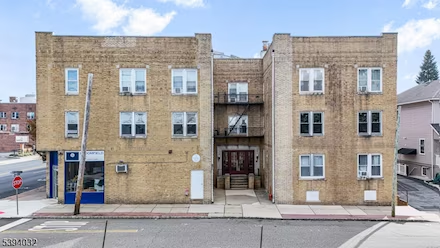
The Problem: In 2025, finding a desirable, income-generating condo for $85,000 in a major U.S. metropolitan area is exceedingly difficult. Your options are generally limited to:
Older, Smaller Units in Less Desirable Areas: Think studio or small one-bedroom units in neighborhoods far from urban centers, or in struggling communities. These often come with lower appreciation potential and higher vacancy risks.
Distressed Properties (Foreclosures, Short Sales, Auctions): These can be found at lower price points but typically require substantial renovation, which can quickly inflate your initial investment beyond the $85,000 mark. They also come with inherent legal complexities and hidden costs.
High HOA Fees: Many older, lower-priced condos come with disproportionately high Homeowners Association (HOA) fees. These monthly expenses can significantly erode your cash flow, making it challenging to achieve positive rental income or attractive net returns. Special assessments for major repairs (e.g., roof replacement, structural issues, common area upgrades) can further burden owners.
Liquidity Challenges: Selling an inexpensive, older condo in a less-than-prime location can be challenging. The pool of potential buyers is smaller, and you might face extended market times or be forced to reduce your asking price.
Depreciation and Obsolescence: Condos, particularly older ones, can depreciate in aesthetic and functional value more rapidly than single-family homes due as styles change, systems age, and amenities become outdated. While the “50-year ownership” concept isn’t as prevalent in the U.S. as in some other countries, aging infrastructure and building components are real concerns.
The Solution/Strategy: To navigate these challenges, a strategic approach is critical for condo investment with $85,000.
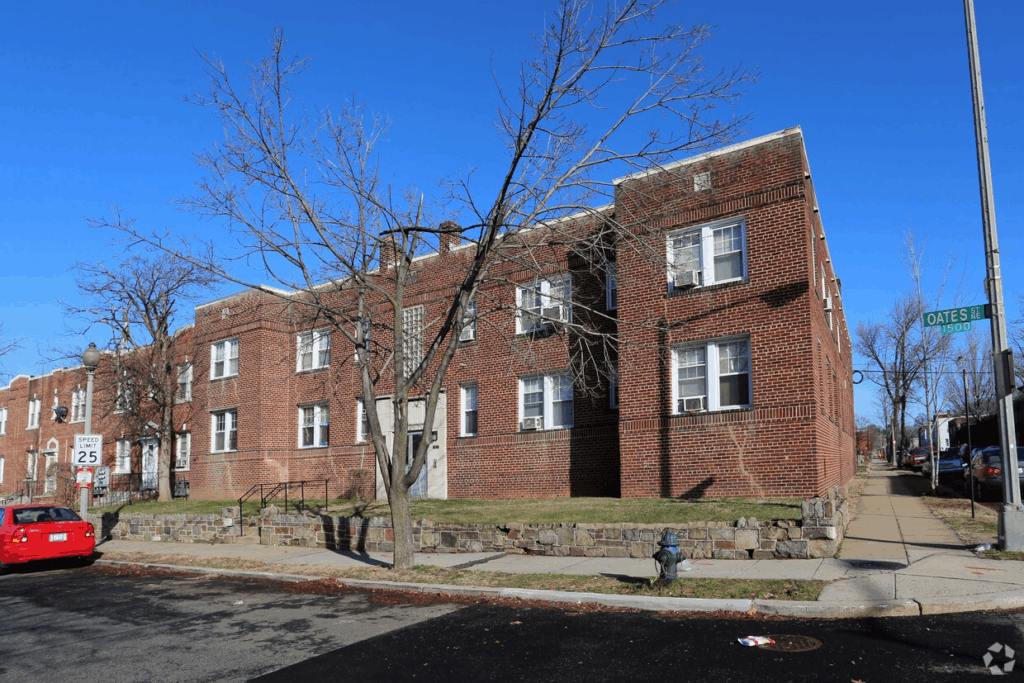
Target Secondary or Tertiary Markets: Look beyond major hubs to smaller cities or towns with emerging economies, university populations, or military bases. These areas might offer more affordable entry points for studios or one-bedroom units. Focus on areas with stable job growth, decent schools (even for rental properties, it indicates neighborhood stability), and essential amenities.
Focus on Fixer-Uppers with a Clear Renovation Budget: If you have renovation skills or a reliable, affordable contractor, a distressed condo can offer higher return on investment (ROI). However, meticulously budget for every repair, including unforeseen issues. A thorough pre-purchase inspection is non-negotiable. Aim for cosmetic fixes that add significant value without major structural overhauls. This strategy is often referred to as “property flipping” or “value-add” investing.
Deep Dive into HOA Financials: This is paramount. Before any offer, obtain and scrutinize the HOA’s financial statements, reserve study, meeting minutes for the last two years, and governing documents (CC&Rs, bylaws).
Problem to identify: Is the reserve fund adequately capitalized for future maintenance and capital improvements? A low reserve fund is a red flag, indicating potential future special assessments.
Solution: Prioritize associations with strong financial health, a robust reserve fund, and a history of prudent management. Understand all rules regarding rentals (some HOAs restrict them) and pet policies if you plan to target certain tenant demographics.
Strategic Location within the Market: Even in a less desirable market, location within that market matters. Look for proximity to public transportation, essential services, employment centers, or educational institutions. These factors can enhance market liquidity and rental demand.
Consider House Hacking (Owner-Occupant Strategy): If you’re willing to live in the condo for a period, you might qualify for FHA or conventional loans with lower down payments, freeing up some of your $85,000 for renovations or a more desirable property. This shifts a portion of your capital from a pure investment budget to a primary residence down payment, which can be a smart move for “settling down” while building equity. This transforms an otherwise challenging investment into a dual-purpose asset.
Professional Property Management (If Absentee): If you’re not local, factor in the cost of a reputable property management company. While it cuts into profits, it mitigates the operational headaches of tenant screening, maintenance, and rent collection, ensuring a more passive income stream.
Key Takeaway for Condos: For $85,000, condo investing in 2025 demands a high degree of hands-on involvement, a willingness to target less-than-ideal locations, or a focus on value-add strategies for cash flow properties. Capital preservation must be your top priority, followed by modest profit margins.
Solution Path 2: Investing in Land with $85,000
Investing in undeveloped land, especially with a limited budget, presents an entirely different risk-reward profile compared to condos.
The Problem: While $85,000 can certainly buy land in the U.S., the quality and location of that land are crucial.
Lack of Immediate Income: Unlike a rental property, undeveloped land generates no passive income. It’s a speculative play, relying solely on appreciation for profit. You’ll incur holding costs like property taxes and potentially HOA fees if part of a planned community, without any offsetting revenue.
Illiquidity: Land is notoriously illiquid. It can take months, even years, to sell a parcel, especially if it’s remote, has development challenges, or the market is slow. This requires significant patience and a long-term investment horizon (at least 2-3 years, often more, as suggested in the original article).
High Risk of Speculation and “Inflated” Information: The land market is often ripe with speculative activity. Brokers may “inflate” future development prospects, infrastructure plans, or rezoning potential to create artificial demand and virtual prices. The FOMO (Fear Of Missing Out) factor can push prices beyond reasonable market value.
Legal and Development Roadblocks:
Zoning Restrictions: The land’s current zoning laws dictate what can be built (or if anything can be built at all). Agricultural land may have strict limitations on residential development. Changing zoning is a complex, time-consuming, and often expensive process with no guarantee of success.
Lack of Utilities/Infrastructure: Many affordable land parcels lack access to essential utilities like water, sewer, electricity, or even paved road access. The cost to bring these services to the property can be exorbitant, easily exceeding your initial investment.
Environmental Concerns: Wetlands, floodplains, protected species habitats, or contaminated soil (e.g., old industrial sites) can severely restrict development and devalue the land.
Title Issues and Easements: Undiscovered easements (e.g., utility lines, access roads for neighbors), boundary disputes, or liens against the property can create significant legal headaches.
Market Cycles and External Factors: Land value is highly susceptible to broader economic trends, population shifts, and local development policies. A planned highway extension might boost value, while a sudden downturn or policy change could leave you with a stagnant asset.
The Solution/Strategy: Mitigating these risks for land investment with $85,000 requires intense scrutiny and a proactive approach.
Prioritize Due Diligence: This is your most powerful tool.
Verify the Certificate/Deed: Always buy land with a clean title insurance policy. Ensure the deed accurately reflects the type of land (e.g., residential, agricultural) you intend to purchase.
Check Zoning and Future Planning: Visit the local planning department. Understand the current zoning laws and any proposed master plans or comprehensive development initiatives that might affect the parcel. Don’t rely solely on broker assurances. A 1/500 drawing (common in some regions) might be a concept, not an approved plan. Verify official documents.
Assess Utility Access: Confirm the availability and proximity of water, sewer/septic feasibility, electricity, and road access. Get quotes for bringing these services to the site. This is a critical factor for future development or resale.
Perform a Site Survey and Environmental Study: A professional survey confirms boundaries. An environmental assessment can identify potential contaminants or protected areas.
Research Comparable Sales: Don’t pay “future” prices. Research recent sales of similar, undeveloped parcels in the immediate vicinity to avoid overpaying due to speculative pricing tactics.
Target “Infill” Lots or Micro-Parcels in Emerging Areas: Instead of vast, remote acreage, consider smaller, often overlooked “infill” lots within existing, but less developed, residential areas on the fringes of growth corridors. These might offer better access to utilities and a clearer path to development.
Focus on Specific Land Types:
Small Residential Lots: In specific, lower-cost markets, you might find a 0.1-0.2 acre residential lot suitable for a single-family home or manufactured home (if zoning permits). These often offer a clearer path to development and higher demand.
Timberland or Recreational Land: If your goal is long-term speculation and you’re comfortable with no immediate income, small parcels of timberland or land suitable for hunting/recreation in very rural areas might be available. However, these are typically very illiquid.
Understand the “Highest and Best Use”: What is the most profitable legal use for this specific parcel of land? Is it for a future home, agricultural production, or simply holding for speculative appreciation? Your investment thesis must align with this.
Consider Land Banking (Long-Term Hold): If you have extreme patience and can comfortably absorb the carrying costs (taxes, insurance) for 5-10+ years, land banking in the path of future growth can yield substantial returns. However, this is a highly speculative diversified real estate portfolio strategy and requires in-depth knowledge of demographic shifts and infrastructure expansion.
Avoid Shared Ownership (Unless Specific Legal Structure): The original article mentions buyers falling into a trap of shared certificates. In the U.S., while joint ventures or fractional ownership of larger developments exist, buying an individual parcel usually means getting a clear, individual deed. Be wary of any arrangement that doesn’t grant you clear, legally distinct ownership of a specific, surveyed parcel.
Key Takeaway for Land: Investing $85,000 in land in 2025 is primarily a long-term, speculative play that demands extraordinary due diligence and a high tolerance for market liquidity risk. Profit margins can be higher than condos (15-20% average annual growth is ambitious but possible in specific, well-researched cases, vs. 5-8% for condos), but so are the potential pitfalls.
Overarching Considerations for $85,000 Real Estate Investment in 2025
Regardless of whether you lean towards a condo or land, several universal principles must guide your $85,000 investment in 2025.
Capital Preservation is Paramount: With a limited budget, the primary goal should be to protect your principal. Avoid investments that could lead to total loss or significant erosion of your capital. This often means sacrificing the allure of sky-high, unrealistic returns for stable, albeit modest, growth.
Define Your Risk Tolerance: Honestly assess how much risk you can stomach. Are you comfortable with the volatility and illiquidity of land, or do you prefer the slightly more predictable, though potentially lower-yielding, path of a condo? Your emotional and financial capacity for risk should dictate your choice.
Investment Horizon: How long are you willing to tie up your capital? Land typically requires a longer hold period (3-5+ years) than a well-chosen condo.
Hands-On vs. Passive Income: Are you prepared for the “sweat equity” involved in renovating a fixer-upper condo or the extensive research and waiting game associated with land? Or are you seeking something closer to passive income real estate (which is harder to achieve with this budget in direct property)?
The “Settle Down” vs. “Pure Investment” Conundrum: The original article wisely poses this question. If you need a place to live, owner-occupied financing for a condo (even if it’s a small one) can be a powerful wealth-building tool, leveraging your primary residence. If pure investment is the goal, you might be willing to take on more risk for higher potential rewards.
Seek Professional Guidance: Given the complexities of a limited budget investment, consulting with experienced local real estate agents specializing in investment properties, real estate attorneys, and financial advisors is non-negotiable. Their expertise can help you navigate local zoning laws, perform thorough due diligence, and structure your investment wisely.
Consider Alternatives: If direct property ownership feels too risky or out of reach with $85,000, explore alternatives:
Real Estate Investment Trusts (REITs): These are companies that own, operate, or finance income-generating real estate. You can invest in them through the stock market, gaining exposure to real estate without direct property management. They offer diversification and liquidity.
Real Estate Crowdfunding: Platforms allow you to invest smaller amounts in larger projects, either debt or equity, often with a clear exit strategy and professional management. This allows for diversified real estate portfolio options.
Fractional Ownership: While less common for the budget, some niche platforms might allow you to buy a share of a more expensive property.
Conclusion: Crafting Your Investment Path in 2025
The decision to invest your $85,000 in a condo or land in 2025 is less about one being universally “better” than the other, and more about aligning the investment with your personal financial goals, risk tolerance, and capacity for active management.
For the budget-conscious investor, a fixer-upper condo in a carefully selected secondary market, with meticulous HOA due diligence and a clear renovation plan, can offer the potential for rental property investment and moderate appreciation. It’s a path that often demands sweat equity but can generate cash flow properties over time.
Conversely, land investment opportunities with $85,000 are inherently more speculative and illiquid. They require extensive research into zoning laws, utility access, and future development plans, offering no immediate income but potentially higher return on investment (ROI) over a much longer horizon. This path is for those with deep pockets of patience and a high tolerance for risk.
Ultimately, both paths demand rigorous legal due diligence real estate practices. Don’t be swayed by hype or the fear of missing out. Instead, ground your decisions in verifiable data, expert advice, and a clear understanding of the challenges and rewards inherent in your chosen investment vehicle for the 2025 real estate market.