
House vs. Apartment: Decoding Your Ideal American Residence in 2025
For countless Americans, the dream of homeownership is intrinsically linked to a pivotal decision: should you opt for the sprawling autonomy of a single-family house or the curated convenience of a modern apartment? This choice isn’t a one-size-fits-all solution; it’s a deeply personal journey influenced by your financial reality, daily rhythm, and long-term aspirations. As a seasoned real estate professional with a decade navigating the intricacies of the U.S. property market, I’ve guided numerous clients through this very crossroads, and the wisdom I’ve gathered points to a nuanced understanding rather than a definitive decree.
The landscape of American living has evolved significantly. In 2025, the considerations for buying a house vs. an apartment are richer and more complex than ever, reflecting shifts in urban development, economic trends, and evolving lifestyle priorities. Understanding the inherent strengths and potential pitfalls of each dwelling type is paramount to making an investment that truly serves your well-being and financial future. This comprehensive exploration aims to equip you with the expert insights needed to confidently navigate this critical decision, whether you’re eyeing a starter condo in Austin or a detached residence in suburban Chicago.
The fundamental question, “Should I buy a house or an apartment?” is rarely answered with a simple yes or no. Instead, the optimal path is illuminated by a constellation of personal factors:
Space Requirements: How much room do you genuinely need now, and how might that evolve?
Financial Capacity: What is your realistic budget, encompassing not just the purchase price but ongoing expenses?
Privacy and Security Imperatives: How crucial are your personal boundaries and feelings of safety?
Maintenance Tolerance: What level of hands-on involvement are you prepared for?
Long-Term Vision: What are your anticipated life changes over the next 5, 10, or even 20 years?
Investment Goals: How does this purchase align with your broader financial strategy?
Let’s delve into the distinctive advantages and disadvantages of each to paint a clearer picture.
The Allure of the House: Unfettered Space and Unparalleled Control
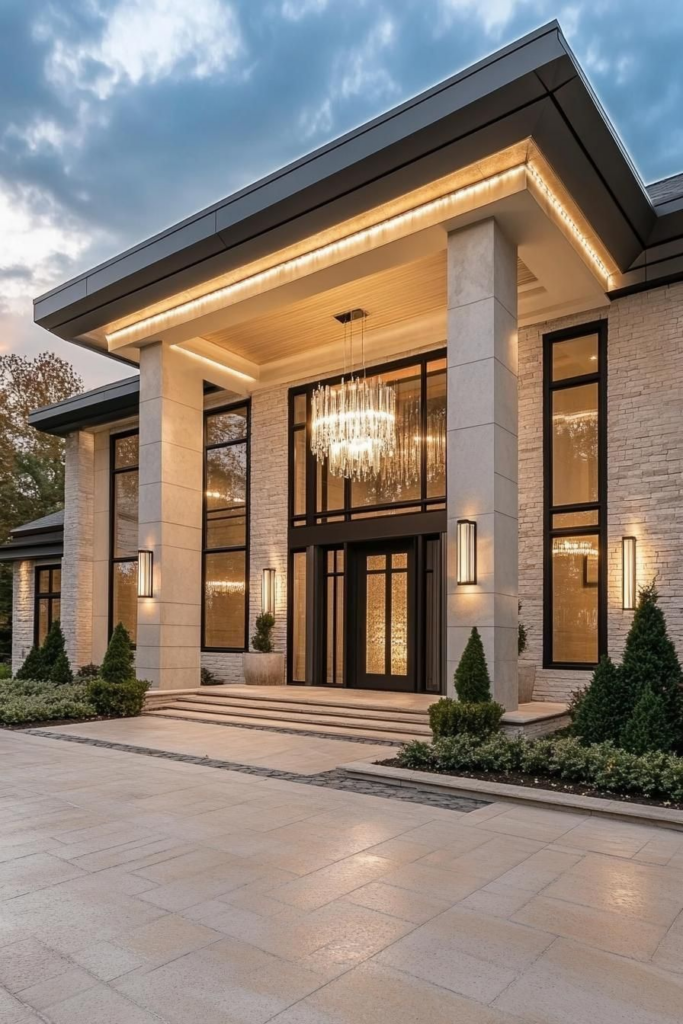
The quintessential American dream often conjures images of a single-family home, and for good reason. The most compelling argument for buying a house is the unparalleled sense of space and freedom it affords. Imagine ample living areas, a dedicated home office, a sprawling backyard for entertaining or cultivating your green thumb, a garage for your vehicles and hobbies, and attic or basement space for storage – features often conspicuously absent in apartment living.
This spatial abundance translates directly into greater flexibility. You possess the autonomy to renovate, redecorate, and reconfigure your living environment to precisely match your evolving tastes and functional needs. Unlike renters, you’re not beholden to landlord approvals or restrictive leasehold covenants. This freedom is invaluable for those who value personal expression and the ability to truly make a property their own. Many of my clients seeking to escape the constraints of urban density are drawn to the promise of more elbow room, often seeking out homes for sale in the suburbs or even more rural settings for this very reason.
Beyond the physical dimensions, living in a house offers a heightened degree of privacy and independence. You’re not sharing walls, floors, or ceilings with neighbors, significantly minimizing the likelihood of noise disturbances or interpersonal conflicts. This self-contained existence provides a sanctuary, a place where you can truly unwind without the constant awareness of others. Furthermore, you are the sole proprietor of your domain, unburdened by the communal rules, governance, or potential fees that can characterize apartment living. This sense of complete control over your environment is a powerful draw for many.
From an investment perspective, house appreciation has historically outpaced that of apartments, particularly in desirable markets. The inherent value of the land upon which a house sits, coupled with its potential for expansion and improvement, often fuels this upward trajectory. Owning a house typically means owning the freehold, providing greater long-term stability and eliminating concerns about lease extensions, ground rent increases, or navigating complex landlord-tenant relationships. For those prioritizing a tangible asset with robust growth potential, purchasing a house remains a cornerstone of wealth-building strategies. If you’re curious about your property’s current market worth, exploring online home valuation tools can provide a preliminary estimate, though a professional appraisal will always offer the most accurate picture.
The Challenges of House Ownership: Responsibilities and Realities
However, the idyllic vision of homeownership is not without its practical demands. The primary disadvantage of owning a house often lies in its significant maintenance commitments and associated costs. You are solely responsible for every repair, every upkeep task, and every utility bill. From leaky roofs and malfunctioning HVAC systems to landscaping and pest control, the financial and temporal investment can be substantial. These expenses can accumulate rapidly, often catching new homeowners by surprise. The potential for unexpected issues – damp, cracks, structural problems – demands a proactive and often costly approach to property care.
Furthermore, living in a house, particularly in more remote areas, can sometimes translate to a degree of isolation and inconvenience. Access to essential amenities, diverse shopping options, and efficient public transportation might require longer commutes. While this might appeal to those seeking tranquility, it can diminish spontaneous social interactions and the vibrant community spirit often found in denser living environments. For individuals who thrive on urban buzz and immediate access to services, this detachment can be a significant drawback.
From an environmental standpoint, larger homes generally possess a greater ecological footprint. Their increased surface area and volume often necessitate more energy for heating and cooling, leading to higher utility bills and a larger carbon impact. While modern construction is improving efficiency, the sheer scale of a house typically means higher resource consumption and waste production compared to its more compact counterparts. This is an increasingly important consideration for environmentally conscious buyers, prompting a closer look at energy-efficient homes for sale or the feasibility of retrofitting existing properties.
The Apartment Advantage: Convenience, Community, and Cost-Effectiveness
The appeal of apartment living, particularly for those new to the market or seeking a more streamlined lifestyle, is multifaceted. A principal benefit of buying an apartment often boils down to accessibility and affordability. Generally, apartments command lower purchase prices, resulting in reduced stamp duty, council tax burdens, and potentially more favorable mortgage rates compared to houses. This makes the initial barrier to entry significantly lower.
The ongoing cost of maintenance is also typically more manageable. While you are responsible for the interior of your unit, the overarching building management or homeowner’s association (HOA) handles exterior repairs, landscaping, and common area upkeep. These services are funded through an annual service fee, often a predictable expense that simplifies budgeting. This shared responsibility model is a major draw for individuals who prefer to allocate their time and resources elsewhere. For those specifically searching for apartments for sale in downtown areas or urban cores, this model of managed living is often the primary motivator.

Another significant advantage of apartment living is its inherent convenience and proximity to urban centers. Apartments are frequently situated in prime locations, offering immediate access to a wealth of shops, restaurants, entertainment venues, and public transportation networks. This walkability and connectivity can dramatically enhance daily life, reducing commute times and fostering a more integrated urban experience. Many modern apartment complexes also boast impressive on-site amenities, such as fitness centers, swimming pools, rooftop terraces, co-working spaces, and secure parking, adding a layer of lifestyle luxury without the individual upkeep responsibilities. The availability of luxury apartments with amenities is a growing segment of the market, catering to a discerning buyer.
Furthermore, contemporary apartment buildings are often designed with energy efficiency in mind. Newer constructions typically feature superior insulation, modern windows, and efficient heating and cooling systems, leading to lower utility bills and a reduced environmental impact. The smaller footprint of an apartment inherently demands fewer resources for climate control and general upkeep, making it a more sustainable choice for many. This focus on sustainable living options is resonating strongly with a younger demographic of buyers.
The Trade-offs of Apartment Life: Constraints and Collective Living
However, the condensed nature of apartment living comes with its own set of compromises. The most apparent drawback is the reduced living space and freedom. You may need to be more judicious with storage, accept fewer rooms, and potentially forgo private outdoor areas like a garden. The ability to personalize or make significant alterations to your unit can also be restricted, requiring approval from building management or the freeholder, which can curb your desire for extensive renovations or aesthetic changes. This limited capacity for customization is a frequent point of consideration for those who envision a home that perfectly reflects their evolving personality.
Privacy and autonomy can also be more constrained in an apartment setting. Shared walls, floors, and ceilings inevitably mean a greater potential for noise transmission, which can lead to disruptions or neighborly disputes. You are also subject to the rules and regulations established by the building’s governing body, which may impose limitations on everything from pet ownership and balcony usage to noise levels and renovation schedules. Navigating these communal guidelines requires a degree of adaptability and a willingness to adhere to collective decisions, which can feel restrictive for some.
While often a more affordable entry point, apartment investment potential can sometimes lag behind that of houses. The appreciation rates for apartments can be more modest due to their reliance on land value and potential for significant structural improvements being limited. Moreover, apartment ownership, particularly in leasehold arrangements common in many U.S. cities, can introduce complexities related to lease extensions, escalating ground rents, substantial service charges, and potential disputes with freeholders. These long-term financial considerations and the inherent responsibilities of managing leasehold property are crucial factors to weigh carefully. Understanding the nuances of condo vs. co-op ownership is also vital in this context.
Navigating Your Decision: A Personalized Path Forward
As we’ve explored, the debate of house vs. apartment doesn’t yield a universally correct answer. Both offer distinct advantages tailored to different lifestyles, budgets, and life stages. The key to making the right choice lies in a thorough self-assessment and a realistic evaluation of the property market in your desired location.
Consider these critical questions to guide your decision-making process:
Your Financial Horizon: What is your immediate and long-term budget, including potential mortgage payments, property taxes, insurance, and anticipated maintenance or service fees? Are you exploring first-time homebuyer programs?
Your Lifestyle Dynamics: Does your daily routine thrive on urban accessibility or tranquil seclusion? Do you require dedicated space for hobbies, a growing family, or remote work?
Your Future Trajectory: Where do you see yourself in 5, 10, or 20 years? Will your current needs evolve significantly, and does the property you’re considering accommodate those potential changes?
Your Investment Strategy: How does this potential purchase fit into your overall financial goals? Are you prioritizing rapid appreciation, stable rental income, or a secure place to call home?
Ultimately, the most astute decision will emerge from a careful weighing of these personal priorities against the tangible realities of house and apartment ownership in today’s dynamic real estate market. Whether your heart is set on a charming bungalow in Boulder or a chic loft in Los Angeles, understanding these core principles is the bedrock of a successful property acquisition.
The journey to finding your ideal American residence is a significant undertaking. It’s a decision that impacts not just your finances but your daily quality of life for years to come. Don’t navigate this critical choice alone. If you’re ready to explore the possibilities, to understand the current market trends in your specific area, and to receive personalized guidance from experienced professionals who understand the nuances of real estate investment strategies and local market conditions, then taking the next step is crucial. Reach out today to schedule a consultation. Let’s unlock the door to your next perfect home, whether it’s a house with a white picket fence or a stylish apartment in the heart of the city.