
House vs. Apartment: Navigating Your Ultimate Homeownership Decision in 2025
As the real estate landscape continues its dynamic evolution, the age-old question resurfaces with renewed urgency for aspiring homeowners: should you invest in a house or an apartment? This isn’t merely a matter of preference; it’s a fundamental decision that shapes your lifestyle, financial trajectory, and long-term well-being. Having navigated the intricacies of the housing market for a decade, I’ve witnessed firsthand how this pivotal choice can set the stage for years of satisfaction – or regret. Let’s delve into the nuanced considerations of buying a house versus an apartment, equipping you with the expert insights needed to make an informed decision tailored to your unique circumstances in the current market.
The Crucial Questions Before You Buy a House or Apartment
The path to homeownership is paved with crucial questions that demand honest answers. Before you even begin browsing listings, consider these foundational elements:
Space Requirements: How much physical room do you genuinely need, both now and in the foreseeable future? Consider family size, hobbies, and the desire for dedicated areas like a home office or entertainment space.
Financial Capacity: What is your realistic budget, encompassing not only the purchase price but also ongoing costs like property taxes, insurance, utilities, and potential HOA or service fees?
Privacy and Security Priorities: How much do you value solitude and control over your environment? Are you comfortable with shared walls, or do you crave the seclusion of your own detached dwelling?

Maintenance Tolerance: Are you prepared for the hands-on responsibilities of property upkeep, from lawn care and snow removal to unexpected repairs? Or do you prefer a more hands-off approach where communal services handle building maintenance?
Ownership Horizon: How long do you envision yourself living in this property? Short-term needs might favor different options than long-term investment goals.
Future Aspirations: Are you planning significant life changes, such as starting a family, downsizing, or pursuing remote work opportunities? Your future plans will heavily influence the suitability of each property type.
The Allure of the Single-Family Home: Unpacking the Advantages
The dream of owning a single-family house remains a powerful aspiration for many, and for good reason.
Unparalleled Space and Flexibility: The most immediate and significant advantage of a house is its expansive nature. You gain more rooms, often including dedicated living areas, dining rooms, and multiple bathrooms. Beyond the interior, many houses boast private yards, ideal for gardening, outdoor entertaining, or simply enjoying fresh air. Garages offer secure parking and valuable storage, while attics and basements provide even more potential for expansion or specialized use. Crucially, with a house, you possess the ultimate freedom to renovate, redecorate, and modify your living space to perfectly align with your evolving tastes and needs, unburdened by landlord approvals or restrictive leasehold agreements. This level of personalization is a cornerstone of true homeownership.
Enhanced Privacy and Independence: The physical separation of a house inherently offers a higher degree of privacy. Sharing fewer walls, floors, and ceilings with neighbors translates to a significant reduction in ambient noise and potential disturbances. This autonomy extends to your daily life; you are not subject to the collective decisions or rules that often govern apartment buildings. You have direct control over your property, from the exterior aesthetics to your quiet enjoyment of your surroundings, fostering a sense of true independence.
Long-Term Investment Potential: From an investment perspective, single-family homes have historically demonstrated a robust capacity for appreciation. Their value is intrinsically tied to the land they occupy, which tends to increase in worth over time, especially in desirable locations. Furthermore, houses offer greater potential for value-enhancement through renovations and improvements, a distinct advantage over the often-limited modification capabilities of apartments. The freehold ownership associated with most houses provides greater stability, eliminating concerns about lease extensions, ground rent increases, or the complexities of service charge disputes that can plague leasehold properties. For those considering their financial legacy, a house can represent a more substantial and enduring asset.
The Realities of House Ownership: Navigating the Drawbacks
While the benefits are compelling, owning a house comes with its own set of responsibilities and potential challenges.
Maintenance Demands and Costs: The responsibility for all repairs, upkeep, and utility bills rests squarely on the homeowner’s shoulders. This can translate into significant time commitments and substantial financial outlays. From routine tasks like lawn mowing and gutter cleaning to addressing more complex issues such as roof repairs, plumbing emergencies, or HVAC system failures, the financial burden can accumulate rapidly. Furthermore, houses can be more susceptible to a wider range of issues, including pest infestations, dampness, structural cracks, and leaks, which require prompt and often costly attention.
Potential for Isolation and Inconvenience: Depending on the location, houses, particularly those in suburban or rural settings, may require more travel to access essential amenities, services, and public transportation hubs. This can translate into longer commutes and a greater reliance on personal vehicles. While some enjoy the tranquility of a more secluded environment, others might find it leads to less spontaneous social interaction and a weaker sense of immediate community compared to the shared spaces often found in apartment complexes.
Environmental Footprint and Energy Efficiency Concerns: Historically, houses, with their larger footprints and volumes, tend to be less energy-efficient than modern apartments. They require more energy for heating and cooling, leading to higher utility bills and a potentially larger carbon footprint. While energy-efficient upgrades are possible, they represent an additional investment. The larger surface areas also mean more potential for heat loss, necessitating more robust insulation and heating systems.
The Appeal of the Apartment: A Modern Urban Lifestyle
Apartments, particularly in urban centers, offer a distinct set of advantages that resonate with a growing segment of the population.
Affordability and Simplified Maintenance: Generally speaking, apartments tend to have lower entry prices compared to single-family homes. This can translate to more manageable mortgage payments, lower property taxes, and potentially reduced closing costs. The maintenance burden is also significantly lighter. While homeowners are responsible for their individual units, the building’s exterior, communal areas, landscaping, and often even major structural repairs are handled by a management company. You contribute to these costs through an annual service fee or homeowner’s association (HOA) dues, but the day-to-day worries of property upkeep are greatly diminished.
Convenience and Accessibility: Apartments are frequently situated in prime urban locations, placing residents within close proximity to a vibrant array of shops, restaurants, entertainment venues, and essential services. Public transportation options are often just a short walk away, reducing the need for a personal vehicle and making commuting more convenient. Many apartment buildings also offer built-in amenities such as fitness centers, swimming pools, rooftop terraces, secure parking, and concierge services, enhancing the resident experience and adding significant value.
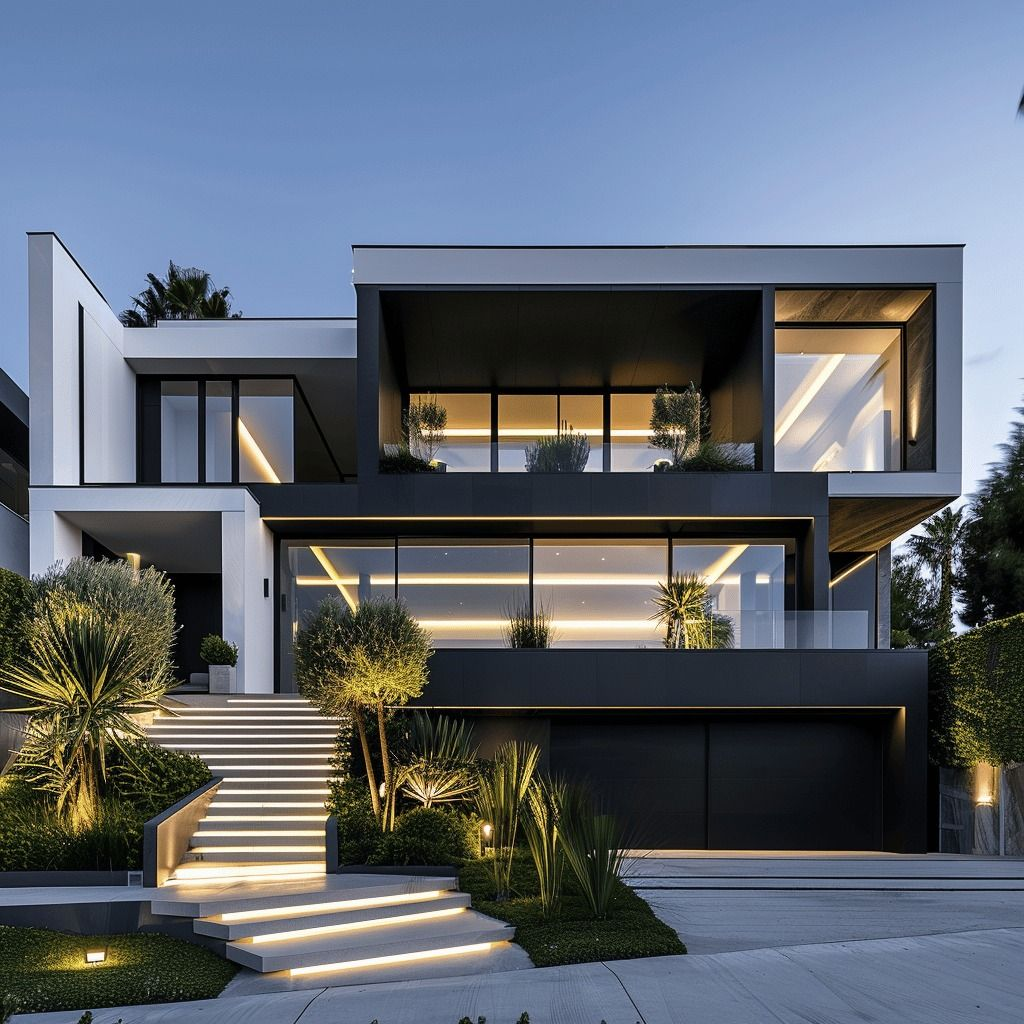
Modern Design and Energy Efficiency: Many contemporary apartment buildings are constructed with modern building codes and materials, resulting in superior insulation and energy efficiency. This translates to lower heating and cooling costs and a smaller environmental impact. Their typically smaller scale also means less material consumption and waste generation during construction and occupation.
The Trade-offs of Apartment Living: Understanding the Limitations
While attractive for their conveniences, apartment living also involves certain compromises.
Reduced Space and Limited Freedom: The most apparent trade-off is space. Apartments typically offer fewer rooms, less storage, and limited or no private outdoor space. Natural light can also be a concern, depending on the building’s layout and surrounding structures. Furthermore, the ability to personalize your living space is often restricted. Making significant changes, such as knocking down walls or altering the exterior, typically requires approval from the landlord or building management, limiting your autonomy.
Diminished Privacy and Shared Living: Living in close proximity to neighbors means sharing walls, floors, and ceilings, which can inevitably lead to noise transference. While modern construction aims to mitigate this, it’s a reality that must be acknowledged. Residents are also subject to communal rules and regulations established by the building’s management or HOA, which may impact lifestyle choices, pet ownership, or the use of common areas.
Investment Considerations and Leasehold Complexities: While apartments can be a good entry point into homeownership, their long-term appreciation potential may be less robust than that of houses, primarily due to the land value component being shared. Leasehold agreements, common with apartments, introduce additional complexities. These can include lease extension negotiations, ground rent increases, and service charge adjustments, all of which can impact the overall cost of ownership and the property’s future resale value. Disputes with freeholders or management companies can also arise, adding a layer of potential stress.
Making the Informed Choice: Your Path Forward
The decision between a house and an apartment is deeply personal, with no single right answer. It hinges on a careful evaluation of your individual circumstances, priorities, and aspirations. Consider the following as you weigh your options:
Your Financial Landscape: Thoroughly assess your budget, including your capacity for mortgage payments, ongoing maintenance costs, and potential fee structures. Explore mortgage options for both houses and apartments to understand the financial implications.
Your Lifestyle and Family Dynamics: Do you require space for a growing family, or are you seeking a more minimalist, urban-focused lifestyle? Consider how each property type will accommodate your daily routines and social activities.
Location, Location, Location: Evaluate your transportation needs and proximity to work, amenities, and your social network. Urban apartments offer distinct advantages in this regard, while houses in suburban or rural areas provide a different quality of life.
Your Vision for the Future: Think about your long-term goals. Are you looking for a property to raise a family, a stepping stone to a larger home, or an investment that will appreciate significantly over decades?
Partnering with Local Experts for Your Next Move
Navigating the complexities of the real estate market in 2025 requires expert guidance. Whether your heart is set on the expansive freedom of a house or the convenient urban lifestyle of an apartment, the right guidance can illuminate the path to your ideal home.
As seasoned real estate professionals with a deep understanding of the local markets in Newbury, Didcot, Lambourn, Hungerford, Marlborough, and Devizes, and their surrounding communities, we are uniquely positioned to assist you. Our transparent approach and clearly defined sales procedures ensure you understand every step of the process, whether you’re selling your current property to make your next move or are a first-time homebuyer embarking on this exciting journey.
Don’t let the nuances of the decision overwhelm you. Reach out to us today. Let’s have a conversation about your property goals, explore the current market opportunities, and chart a course toward finding the home that perfectly aligns with your vision for the future. Your dream home awaits, and we’re here to help you find it.