
House vs. Apartment: Decoding Your Ideal American Abode
For a decade now, I’ve navigated the dynamic landscape of American real estate, witnessing firsthand the evolving desires of homebuyers and the subtle shifts in market trends. The perennial question echoes through open houses, virtual tours, and client consultations: “Should I buy a house or an apartment?” It’s a fundamental decision, one that shapes not just your living space but your entire lifestyle, financial trajectory, and long-term aspirations. While the allure of a sprawling suburban house or the chic convenience of a downtown apartment is powerful, the true answer lies not in a one-size-fits-all decree, but in a deep dive into what you truly need.
This isn’t about simply listing the obvious “more space” or “less maintenance.” It’s about understanding the nuanced implications of each choice in the context of today’s American dream, particularly as we stand in early 2025. We’ll dissect the core differences, exploring the tangible benefits and potential drawbacks of buying a house versus an apartment with an expert lens, empowering you to make an informed, strategic decision that aligns perfectly with your current circumstances and future vision.
The Cornerstone: What Drives Your Homeownership Decision?

Before we delve into the specifics of houses versus apartments, let’s establish the bedrock factors that invariably influence this monumental choice. These are the personal pillars upon which your decision will rest:
Spatial Requirements: How much breathing room do you genuinely need? Are you a solo urbanite, a growing family, or a retiree seeking tranquility? Your daily routines and the number of occupants will dictate your space needs.
Financial Fortitude: Your budget is a non-negotiable determinant. This encompasses not just the upfront purchase price but also ongoing costs like property taxes, insurance, utilities, and potential HOA (Homeowners Association) or condo fees. Understanding your real estate investment strategy is paramount.
Privacy and Security Imperatives: How important is it for you to have your own independent space with minimal shared walls and direct control over your surroundings? Some prioritize absolute solitude, while others find comfort in the built-in security and community of apartment living.
Maintenance Tolerance and Capability: Are you a DIY enthusiast ready to tackle lawn mowing, snow shoveling, and occasional repairs, or do you prefer a more hands-off approach where common area upkeep is handled by others? Your willingness to invest time and effort into property maintenance is a critical consideration.
Long-Term Outlook: How long do you envision yourself in this property? Are you buying a starter home, a forever house, or an investment property with a defined exit strategy? This temporal perspective significantly influences your choice.
Life Stage and Future Goals: Are you single and prioritizing career growth in an urban hub, a couple planning for children, or empty nesters downsizing? Your life’s trajectory and evolving priorities will shape what constitutes the ideal living situation.
The American Dream Embodied: The Case for Owning a House
The quintessential image of the American dream for many remains rooted in the idea of owning a single-family home. There’s a profound sense of accomplishment and independence associated with it, and for good reason.
The Undeniable Advantages of House Ownership
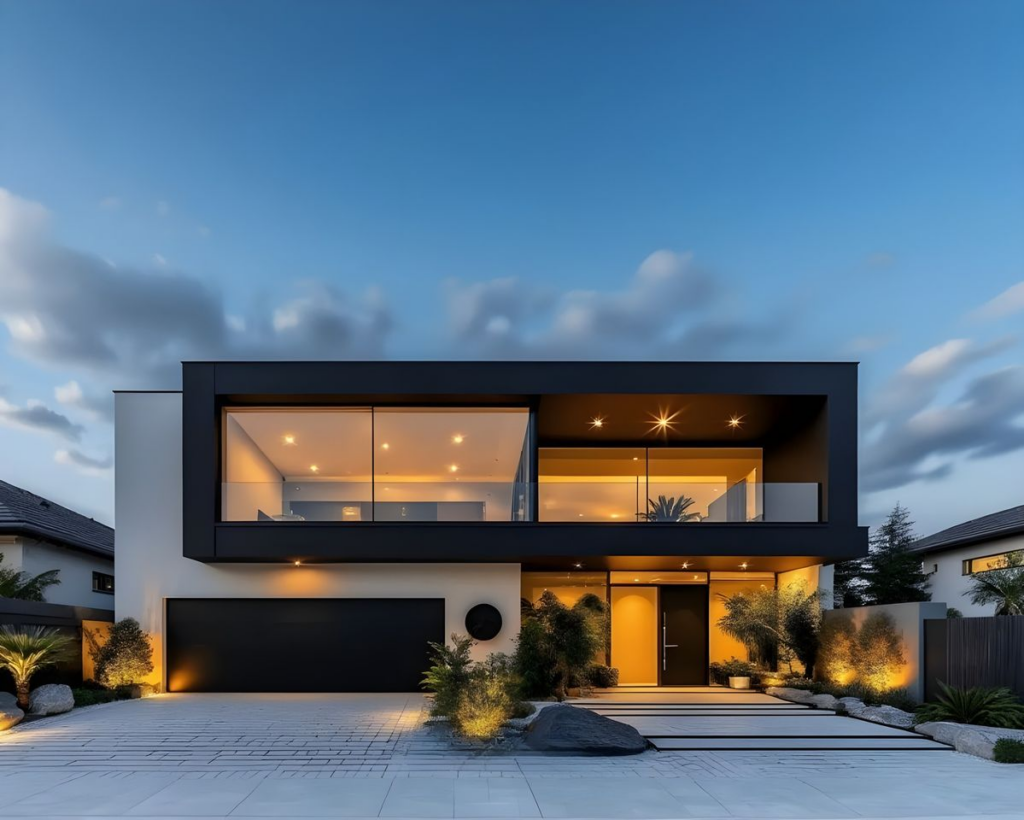
Unparalleled Space and Freedom: This is perhaps the most significant draw. A house typically offers more square footage, multiple bedrooms, dedicated living areas, and crucially, outdoor space. Think sprawling backyards for children to play, room for a home office, a dedicated entertainment area, or even the possibility of adding an extension or a detached garage down the line. This flexibility allows for a lifestyle unconstrained by the limitations of shared walls and compact floor plans. You have the freedom to renovate, redecorate, and truly make the space your own, without seeking permission from landlords or condo boards.
Enhanced Privacy and Autonomy: The absence of shared walls, floors, and ceilings means significantly less exposure to neighborly noise and intrusions. You are the master of your domain, with direct control over your property’s appearance, landscaping, and even the timing of your home improvement projects. This independence fosters a sense of peace and control that many find invaluable. You’re not subject to the whims of an HOA or the collective decisions of a building management company regarding common areas or external aesthetics.
Long-Term Investment Potential and Equity Building: Historically, single-family homes for sale have demonstrated a stronger propensity for appreciation than apartments, particularly in desirable neighborhoods. This is often attributed to the intrinsic value of the land itself, which cannot be replicated. As you pay down your mortgage, you build tangible equity, a cornerstone of wealth creation in the U.S. Furthermore, the ability to make improvements and renovations to a house can significantly boost its resale value, offering greater control over your real estate investment returns. Owning a house outright provides a level of security and stability that is harder to achieve with leasehold properties.
Navigating the Challenges: The Downsides of House Ownership
While the allure of homeownership is strong, it’s crucial to acknowledge the responsibilities and potential pitfalls.
Significant Maintenance Demands and Costs: The flip side of having complete control is complete responsibility. All repairs, from a leaky faucet to a failing HVAC system, roof replacement, or foundation issues, fall squarely on your shoulders. This can be both time-consuming and financially draining. Unforeseen problems can arise, and the cost of professional services can add up quickly. Budgeting for regular maintenance and unexpected repairs is an absolute necessity for any homeowner.
Potential for Isolation and Commuting: Depending on the location, houses, especially those in suburban or rural areas, can sometimes feel more isolated. Access to amenities, shopping, dining, and public transportation might require longer travel times. While this can offer tranquility, it might also mean less spontaneous social interaction compared to living in a more densely populated urban environment where community hubs are often within walking distance.
Environmental Impact and Energy Efficiency Concerns: Larger homes generally consume more energy for heating and cooling. Older homes may lack modern insulation and energy-efficient features, leading to higher utility bills and a larger carbon footprint. While retrofitting for energy efficiency is possible, it represents an additional cost and undertaking for the homeowner.
The Urban Appeal: The Advantages of Apartment Living
Apartment living, particularly in metropolitan areas, offers a distinct set of benefits that appeal to a growing segment of the American population.
The Convenience and Accessibility of Apartment Ownership
Affordability and Lower Entry Barriers: Generally speaking, apartments often come with a lower purchase price than comparable houses, making them a more accessible entry point into homeownership for many individuals and couples, especially in high-cost-of-living cities. This can also translate to lower property taxes, homeowners insurance, and potentially more favorable mortgage rates. For those seeking condos for sale or townhouses for sale, this can be a significant advantage.
Reduced Maintenance Burden and Lifestyle Simplicity: This is a major selling point. With apartment ownership, you typically pay a monthly service fee or HOA dues that cover the maintenance of the building’s exterior, common areas (hallways, lobbies, landscaping), and often amenities like gyms or pools. This frees you from the day-to-day chores of lawn care, snow removal, and exterior repairs, allowing for a more relaxed lifestyle. Your responsibility is primarily for the interior of your unit.
Prime Locations and Access to Amenities: Apartments are frequently situated in the heart of urban centers or vibrant neighborhoods. This means unparalleled access to a wealth of conveniences: world-class dining, diverse shopping, entertainment venues, cultural institutions, and extensive public transportation networks are often just a short walk or public transit ride away. This connectivity can be a massive time-saver and significantly enhance your quality of life. Many modern apartment buildings also boast desirable on-site amenities.
The Trade-offs: The Drawbacks of Apartment Living
While the convenience is appealing, apartment living isn’t without its compromises.
Limited Space and Personalization Constraints: Apartments, by their nature, generally offer less square footage than houses. You may have fewer rooms, less storage space, and limited or no private outdoor areas. Personalization can also be restricted; major renovations or alterations to the unit often require approval from the building management or HOA, and there may be limitations on aesthetic choices.
Reduced Privacy and Potential for Neighborly Friction: Living in close proximity to others means sharing walls, floors, and ceilings. This can inevitably lead to noise issues, from footsteps and conversations to music and pets. While building management often has rules in place, disputes can still arise. You are also subject to the rules and regulations of the building or HOA, which can impact your lifestyle choices and activities.
Investment Potential and Leasehold Complexities: While apartments can be good investments, they historically tend to appreciate at a slower rate than single-family homes, partly due to the lack of land value. Furthermore, many apartments are sold as leasehold properties, meaning you own the right to occupy the unit for a specific period, but not the land itself. This can involve ongoing ground rent charges and the need for lease extensions as the lease term diminishes, which can be costly and complex. Understanding the intricacies of leasehold vs. freehold property is crucial when considering an apartment.
Making the Right Choice in 2025: Your Personalized Path Forward
As we’ve explored, the decision between buying a house and an apartment is deeply personal. There’s no single “correct” answer that applies to everyone. The best approach is to meticulously evaluate your individual circumstances, priorities, and aspirations through the lens of these key considerations.
For those prioritizing a sprawling backyard, complete control over their environment, and the potential for significant long-term equity growth through land appreciation, a house might be the ideal fit. It’s the classic vision of American homeownership, offering space and independence. However, this comes with the commitment to managing all aspects of property upkeep and potentially longer commutes.
Conversely, if your focus is on urban convenience, a lower entry cost into homeownership, and a lifestyle where maintenance is largely off your plate, an apartment could be your perfect abode. It offers unparalleled access to city life and a more streamlined living experience. The trade-off is less personal space and the complexities inherent in shared living and leasehold agreements.
Beyond the Basics: Seeking Expert Guidance for Your Next Move
Ultimately, the most effective way to navigate this decision is to partner with seasoned professionals who understand the intricacies of the local real estate market. Whether you’re contemplating a starter home for sale, a luxury penthouse apartment, or anything in between, expert guidance is invaluable.
At [Your Company Name], we’ve spent over a decade helping individuals and families across [mention your service areas, e.g., the vibrant communities of Newbury, Didcot, and the surrounding Berkshire and Oxfordshire regions, as well as the charming towns of Marlborough and Devizes in Wiltshire] find their perfect match. Our team of dedicated real estate professionals possesses a deep understanding of the local market dynamics, property values, and the nuances of both house and apartment living.
We believe in a transparent and client-centric approach. We’ll listen intently to your needs, analyze your budget, and discuss your lifestyle goals to provide tailored advice. We can help you understand current market conditions, identify potential properties that align with your criteria, and guide you through the entire buying process.
Are you ready to take the next step in finding your ideal American home? Don’t navigate this crucial decision alone. Contact us today for a personalized consultation and let us help you unlock the door to your next chapter.