
The Urban Canvas: Mastering the Investment Decision Between Single-Family Homes and Multifamily Apartments
The American real estate landscape is undeniably vibrant. Look around any major metropolitan area or growing suburb, and the evidence is clear: cranes pierce the sky, and construction crews are hard at work shaping the future of our built environment. As of early 2024, the sheer scale of development underway is staggering, with nearly a million multifamily properties and an astonishing 1.485 million new homes in various stages of construction nationwide. This surge in development isn’t just about physical expansion; it represents a fertile ground for savvy investors seeking to tap into the robust rental property market. For those contemplating their next strategic move, a fundamental question arises: should the focus be on acquiring single-family homes or investing in multifamily apartment units? Navigating this decision hinges on understanding the nuanced differences, potential returns, and operational demands of each. This in-depth exploration will dissect the core distinctions, empowering you to align your investment strategy with your financial aspirations and forge a path towards maximized returns in the dynamic world of real estate.
Deconstructing the Housing Stock: Houses vs. Apartments
At their most fundamental level, both houses and apartments serve as residential dwellings designed to generate rental income. However, the investor’s perspective reveals significant differences in scale, operation, and potential.
Single-Family Homes: The Cornerstone of Residential Real Estate
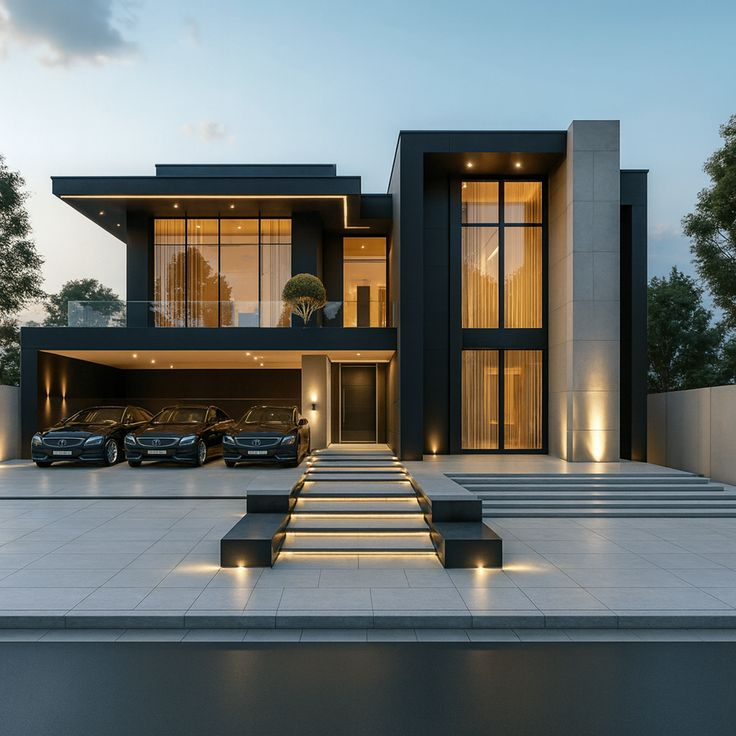
A single-family home, by definition, is a detached, independent residential structure. It typically encompasses a collection of rooms designed for autonomous living – a kitchen, bathrooms, living areas, and multiple bedrooms. The U.S. boasts an impressive 82 million such stand-alone homes, according to industry data. Investors in this segment typically acquire these properties outright or through conventional mortgage financing, involving a down payment and a loan. This ownership model often implies direct, hands-on management or delegation to a property manager responsible for a singular asset. The appeal lies in the privacy, perceived autonomy, and often, the tangible sense of ownership that a house provides to both landlord and tenant.
Multifamily Apartments: The Engine of Density and Scale
An apartment, in contrast, is a self-contained residential unit situated within a larger building or complex that houses multiple dwellings. These units are designed for individuals or families seeking efficient, often amenity-rich living arrangements. An apartment generally comprises one or more rooms, including the essential kitchen, bathroom, living space, and bedrooms. The United States currently features approximately 23 million apartment units. Investment in this sector typically involves commercial real estate loans, reflecting the larger scale and different financing structures associated with acquiring multiple units or entire buildings. The core difference here lies in the inherent density and the operational model, which often involves managing a portfolio of rental streams rather than a single income source.
The Investment Calculus: Apartments vs. Houses – Ten Critical Considerations
Deciding between investing in single-family homes or multifamily apartment buildings is a pivotal strategic choice. Each asset class presents a distinct set of financial advantages, operational challenges, and growth trajectories. Let’s delve into ten critical factors that will shape your real estate investment business.
Investment Objectives: Aligning Assets with Aspirations
The ultimate success of your real estate investment strategy is inextricably linked to how well your chosen asset class aligns with your financial goals. Each property type offers unique avenues for wealth creation and risk management.
Cash Flow Dynamics: Multifamily apartments often exhibit a more robust and consistent cash flow profile. The presence of multiple rental income streams acts as a buffer against individual unit vacancies. If one apartment sits empty, the income from the other units continues, mitigating the financial impact. Conversely, a vacant single-family home represents a complete cessation of rental income for that asset, introducing a higher degree of cash flow volatility. This is a key differentiator for investors prioritizing predictable monthly returns.
Appreciation Potential: Historically, single-family homes have demonstrated a tendency towards higher rates of appreciation. This is often attributed to the finite nature of land and the enduring desirability of private living spaces and yards. While apartments can also appreciate significantly, their value appreciation may be more closely tied to strategic improvements, operational efficiencies, and market demand for rental units within a specific submarket. Investors focused on long-term capital gains might lean towards single-family homes, though well-managed apartment complexes in growth areas can certainly outperform.
Risk Diversification: The inherent structure of apartment buildings allows for a more effective diversification of risk. A single vacancy in a 20-unit apartment building has a far lesser impact on the overall portfolio income than a vacancy in a single-family home. This provides a more stable financial foundation and reduces the sensitivity to individual tenant issues or market downturns affecting one property. Investing in multiple single-family homes can achieve diversification, but it requires a larger number of individual transactions and management efforts.
Ownership Structures: Navigating Control and Responsibility
Understanding the typical ownership models is crucial for appreciating the operational realities of each investment type.
Single-Family Home Ownership: The ownership of a single-family home is generally straightforward. A single entity or individual holds full title and assumes complete responsibility for all aspects of the property – maintenance, property taxes, insurance, and adherence to local zoning and building codes. Tenants renting houses typically engage directly with the private owner or their designated property manager, fostering a more personal landlord-tenant relationship.
Multifamily Apartment Ownership: Ownership of apartment buildings can be more complex. A single institutional investor or a group might own the entire building and manage all units internally. Alternatively, apartment complexes can comprise individually owned units, such as in condominium developments where an owner rents out their specific unit. In larger complexes, tenants often interact with professional property management companies tasked with overseeing operations, leasing, and maintenance for the entire asset. This can range from a sole proprietor managing a duplex to a large real estate investment trust (REIT) owning hundreds of units.
Physical Characteristics: Space, Design, and Shared Environments
The tangible attributes of a property significantly influence tenant appeal and operational considerations.
Single-Family Homes: Houses typically offer more expansive living spaces and private outdoor amenities such as backyards, personal gardens, and driveways. This emphasis on private space is a significant draw for families and individuals seeking autonomy.
Multifamily Apartments: Apartment buildings are characterized by shared walls, floors, and ceilings. Residents share common areas, which can include hallways, lobbies, laundry facilities, fitness centers, swimming pools, and communal lounges. While these shared amenities can be attractive, they also necessitate shared maintenance and can lead to greater interaction, both positive and negative, with neighbors.
Spatial Dimensions and Layout: Square Footage and Livability
The amount of living space and its configuration are key factors that attract different tenant demographics.
Single-Family Homes: Homes generally provide more overall square footage, appealing to tenants who prioritize generous living areas and room to grow. The average size of a single-family home in the U.S. hovers around 2,299 square feet. This larger footprint often accommodates more bedrooms, dedicated home offices, and ample storage.
Multifamily Apartments: Apartments are typically more compact, offering smaller living areas and often limited private outdoor access. Apartment sizes can vary dramatically by metropolitan area, ranging from approximately 691 square feet in cities like Seattle to around 991 square feet in locales such as Scottsdale, Arizona. This makes them attractive to young professionals, couples, and individuals who value convenience and a central location over extensive personal space.
Maintenance Demands: Scope and Complexity
The scope and complexity of property maintenance are markedly different between single-family homes and apartment buildings.
Single-Family Home Maintenance: Maintaining a single-family rental property typically involves addressing individual property needs. This includes:
Landscaping: Regular lawn care, gardening, and upkeep of outdoor spaces.
Exterior Maintenance: Painting, roof repairs, gutter cleaning, and ensuring structural integrity and aesthetic appeal.
Interior Maintenance: Addressing plumbing issues, appliance repairs, fixture updates, and general wear and tear within the home.
Critical Systems: Regular servicing of HVAC (heating, ventilation, and air conditioning) systems to ensure optimal functionality and tenant comfort.
Multifamily Apartment Maintenance: Apartment building maintenance is inherently more complex and encompasses both individual units and common areas. This can include:
Common Area Upkeep: Maintaining hallways, lobbies, stairwells, elevators, and any shared recreational spaces.
Building Systems: Periodic checks and repairs of large-scale systems such as central heating, building-wide plumbing, electrical grids, and elevator maintenance.
Exterior Facade and Structure: Managing facade repairs, window cleaning, building security systems, and the overall structural integrity of the entire building.
Landscaping and Grounds: Upkeep of any courtyards, rooftop gardens, or communal outdoor spaces.
Regulatory Compliance: Conducting regular safety inspections and ensuring compliance with all building codes and safety regulations, which can be more stringent for larger multifamily properties.
Amenities and Services: Value-Adds for Tenants
The presence and type of amenities can significantly influence tenant attraction and retention.
Single-Family Home Amenities: Common amenities in houses often revolve around private features, such as dedicated backyards, private garages, custom interior upgrades (e.g., gourmet kitchens, spa-like bathrooms), and sometimes private decks or patios.
Multifamily Apartment Amenities: Apartment complexes frequently offer a suite of shared facilities designed to enhance tenant lifestyle and convenience. These commonly include fitness centers, swimming pools, business centers, dog parks, and communal laundry rooms. While these amenities can attract a broader tenant base, their upkeep adds to the operational complexity and cost.
Privacy Considerations: Personal Space vs. Communal Living
The degree of privacy offered by a property is a significant factor for many renters.
Single-Family Homes: Houses inherently provide a higher level of privacy due to the separation between individual properties. Tenants have exclusive use of their outdoor spaces, such as gardens and backyards, and are not subject to the close proximity of neighbors within the same structure.
Multifamily Apartments: Apartments involve a shared living environment. Residents are in closer proximity to their neighbors, and common areas like hallways, elevators, and lobbies are shared spaces. This can lead to increased noise transference and a greater reliance on neighborly consideration.
Cost Structures: Direct vs. Scaled Expenses
Understanding the financial outlay for each property type is critical for budgeting and profitability.
Single-Family Homes: In single-family rentals, landlords directly bear all property-related costs. This includes property taxes, insurance premiums, maintenance, repairs, and any associated utility costs not covered by the tenant. These expenses are tied directly to a single asset, which can sometimes lead to higher per-unit costs due to the lack of cost-sharing opportunities available in larger complexes.
Multifamily Apartments: Apartment buildings present a more complex cost structure due to their scale. However, the sheer number of units often allows for economies of scale. For instance, bulk purchasing of maintenance supplies, shared utility contracts, and more efficient management of services can lead to lower per-unit operating costs compared to managing multiple individual single-family homes. This is particularly true for large apartment complexes where resources can be leveraged across many units.
Scalability and Portfolio Growth: Building for the Future

For investors with ambitions of expanding their real estate portfolio, the inherent scalability of each asset class presents different pathways.
Scaling Multifamily Investments:
Capital Intensive: Acquiring additional apartment buildings or significant portions of them typically requires substantial capital investment. This often involves securing commercial real estate loans and may necessitate partnerships or syndication.
Centralized Operations: A significant advantage of multifamily investing is operational centralization. Expanding within the same market or even within the same complex allows for leveraging existing management teams, maintenance crews, and administrative functions, streamlining operations as the portfolio grows.
Resource Leverage: As a multifamily portfolio expands, existing resources – from property managers to marketing efforts – can often be leveraged across a greater number of units, leading to increased efficiency and reduced overhead per unit.
Scaling Single-Family Home Investments:
Capital Efficiency: Growing a portfolio of single-family rentals often requires less initial capital per property, making it more accessible for investors with moderate capital.
Strategic Growth Approaches: The “BRRRR” method (Buy, Rehab, Rent, Refinance, Repeat) is a popular strategy for scaling single-family portfolios by systematically acquiring, improving, and refinancing properties to generate capital for the next acquisition.
People-Intensive Management: Scaling single-family rentals across diverse neighborhoods can become more management-intensive. Each property requires individual attention, and managing scattered assets across different geographic areas can be challenging to centralize, making it harder to achieve significant economies of scale without a robust property management system.
Tenant Demographics and Market Trends: Understanding Your Audience
The type of tenant attracted to each property class is crucial for strategic targeting and maximizing occupancy rates.
Single-Family Home Tenants: Often include families with children, couples seeking more space, individuals who prioritize privacy and outdoor access, and those with pets who benefit from yards. Demographics can vary widely based on the home’s location, size, and features.
Multifamily Apartment Tenants: Tend to be younger professionals, couples without children, students, and individuals who value convenience, proximity to urban centers, and access to amenities. They may be more mobile and less tied to a specific geographic location. Understanding the local market demand for starter homes versus apartments is paramount. For instance, an investor in a burgeoning tech hub like Austin, Texas, might find high demand for apartments catering to young professionals, while a growing suburban area near a major city like Denver might see more demand for single-family rentals.
The Road Ahead: Making Your Strategic Investment Choice
The bustling real estate market of 2024 presents unparalleled opportunities for both new and experienced investors. Whether you’re drawn to the steady cash flow and risk diversification of multifamily apartments or the potential for higher appreciation and private autonomy offered by single-family homes, the key lies in thorough due diligence and strategic alignment. Each path requires a distinct approach to acquisition, management, and long-term vision.
As you consider your next investment, evaluate your risk tolerance, capital availability, desired level of involvement, and long-term financial objectives. The decision between houses and apartments is not merely about property type; it’s about selecting the operational model that best fuels your personal real estate success story.
Ready to explore which investment strategy aligns best with your portfolio goals? Connect with a seasoned real estate investment advisor today to map out your personalized path to maximizing returns in this dynamic market.