
The Biophilic Revolution: Why Nature-Integrated Apartments Are Redefining Urban Living in 2025
For decades, urban living has been synonymous with concrete jungles, towering structures, and a distinct disconnect from the natural world. But as we navigate 2025, a profound shift is underway, fundamentally reshaping our understanding of what an apartment can and should be. We’re witnessing the rise of the Biophilic Home—not just a trend, but a paradigm shift in apartment construction that prioritizes our innate human connection to nature. This isn’t just about adding a potted plant; it’s about a deep, intentional integration of natural elements into our built environments, promising a healthier, more sustainable, and ultimately, more fulfilling way of life.
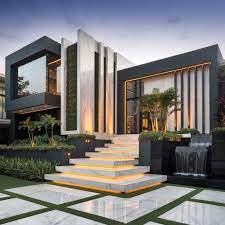
Understanding the Core: What Exactly Are Biophilic Homes?
At its heart, “biophilia” stems from the Greek words “bios” (life) and “philia” (love). It speaks to our inherent, genetic predisposition to connect with nature and other living systems. For too long, our urban dwellings have largely ignored this fundamental human need, inadvertently contributing to stress, fatigue, and a sense of detachment. Biophilic Homes actively counteract this by designing residential spaces that foster a profound, restorative connection to the natural world. These are apartments meticulously crafted to bring the outside in, and in doing so, they elevate our well-being and environmental consciousness to unprecedented levels.
As an expert who has watched this field evolve over the past decade, I can confidently say that biophilic design is no longer a niche concept. It’s becoming the gold standard for forward-thinking developers and discerning residents alike. It’s an investment in holistic living, blending cutting-edge architecture with timeless natural principles.
The Pillars of Biophilic Design: More Than Just Greenery
While a lush living wall might be the most striking visual, biophilic design encompasses a far broader spectrum of characteristics, each strategically chosen to enhance our experience.
Abundant Natural Light (Daylighting): This isn’t merely about having windows; it’s about maximizing the ingress of sunlight and views of the outdoors. Biophilic apartments feature expansive windows, strategically placed skylights, and open-plan layouts that allow natural light to penetrate deep into the living spaces. This reduces reliance on artificial lighting, conserves energy, and, critically, helps regulate our circadian rhythms, leading to improved sleep and mood. Imagine waking up to soft, diffused natural light rather than harsh electric glows – it’s a foundational element for mental well-being.
Verdant Integration: Greenery Everywhere: From sprawling indoor plantscapes and innovative vertical gardens to accessible rooftop farms and expansive private balconies brimming with flora, greenery is omnipresent. These elements aren’t just decorative; they actively purify indoor air by absorbing toxins and releasing oxygen. They also introduce a calming aesthetic, reducing visual clutter and fostering a sense of peace. The presence of natural patterns and textures, like the intricate veins of a leaf or the bark of a tree, has been shown to reduce stress and improve cognitive function.
Authentic Natural Materials: Forget synthetic finishes and cold, sterile surfaces. Biophilic design champions the use of natural, sustainable, and often locally sourced materials. Think warm woods, cool stones, bamboo, cork, and reclaimed timber. These materials not only boast superior aesthetic appeal but also contribute to healthier indoor air quality by minimizing volatile organic compounds (VOCs). Their inherent textures and patterns offer a tactile connection to the natural world, grounding residents in their environment.
The Soothing Presence of Water Features: The gentle murmur of flowing water is universally calming. Biophilic homes frequently incorporate water elements, whether through small indoor fountains, a reflective pond on a balcony, or the subtle sound of rain channeling into a collection system. These features create a multisensory experience, dampening urban noise, adding humidity to the air, and instilling a profound sense of tranquility.
Seamless Integration with Outdoor Spaces: The boundary between indoor and outdoor living blurs in biophilic design. Large sliding glass doors open onto generous balconies, expansive terraces, or private courtyards that feel like extensions of the interior. These spaces aren’t just for recreation; they are designed to be integral parts of the living experience, offering opportunities for gardening, relaxation, and fresh air, directly accessible from your living room.
Earthy and Organic Color Palettes: The chosen color schemes echo the natural world. Think serene greens, warm browns, sky blues, and muted earth tones. These palettes are not just visually pleasing; they evoke the colors of forests, oceans, and deserts, creating a harmonious and psychologically comforting environment that promotes relaxation and focus.
Wildlife-Friendly Features (Beyond the Human): In more ambitious biophilic projects, design extends to welcoming local wildlife. Bird feeders, nesting boxes, pollinator gardens, and even small insect hotels are integrated, transforming the apartment complex into a vibrant, living ecosystem. This fosters a deeper appreciation for biodiversity and provides continuous, dynamic engagement with nature’s cycles.
Why Biophilic Homes are the Undeniable Future of Urban Living in 2025
The exponential growth in demand for biophilic apartments isn’t accidental; it’s driven by a confluence of compelling factors that resonate deeply with modern priorities.
Elevated Health and Unprecedented Well-being:
The scientific evidence is overwhelming: exposure to nature demonstrably improves human health. Biophilic design isn’t just a luxury; it’s a therapeutic intervention. Residents in these homes report reduced stress levels, lower blood pressure, improved cognitive function, and enhanced mood. The abundant natural light helps regulate sleep cycles, while constant exposure to greenery mitigates the negative impacts of urban living. In an era where mental health is a global concern, these spaces offer a sanctuary, a restorative haven that actively promotes psychological and physical vitality. This focus on tenant well-being translates directly into higher satisfaction and longer tenancies for developers.
Unwavering Environmental Stewardship:
Sustainability is no longer optional; it’s an imperative. Biophilic Homes are at the forefront of eco-conscious development. By prioritizing natural, locally sourced, and recycled materials, and incorporating passive design strategies for heating, cooling, and ventilation, these structures significantly reduce their carbon footprint. Energy-efficient windows, robust insulation, and integrated green spaces that absorb rainwater and reduce urban heat island effects all contribute to a truly sustainable apartment complex. This commitment to the planet resonates deeply with an increasingly environmentally aware populace, making these properties highly desirable. They often qualify for certifications like LEED or WELL Building Standard, further validating their environmental credentials.
Exceptional Property Value and ROI:
For investors and homeowners, the appeal of Biophilic Homes extends beyond personal well-being to tangible financial benefits. As demand for sustainable, health-promoting living spaces surges, so does their market value. Properties incorporating biophilic design principles command higher rents and sales prices, experience lower vacancy rates, and demonstrate impressive appreciation. This makes eco-friendly real estate investment a shrewd move in 2025. Developers recognize the potential for significant returns on these green building trends, positioning biophilic properties as premium assets in competitive urban markets.
Reconnecting with an Increasingly Urbanized World:
Despite our technological advancements, humans still yearn for a connection to the wild. In a world dominated by screens and concrete, biophilic apartments offer a unique and precious opportunity to experience the beauty and tranquility of the natural world without sacrificing the conveniences of modern urban life. It’s the ultimate antidote to digital fatigue, a place where you can unwind, recharge, and feel grounded. This innate desire for a nature-integrated living space is a powerful driver for market demand.
Profoundly Improved Indoor Air Quality:
The emphasis on indoor plants and natural ventilation in Biophilic Homes directly translates to superior indoor air quality. Plants act as living air purifiers, filtering out common indoor pollutants like formaldehyde, benzene, and trichloroethylene, while releasing fresh oxygen. Coupled with smart ventilation systems that bring in filtered outdoor air and minimize stale air circulation, residents breathe cleaner, healthier air—a critical factor for allergy sufferers and anyone concerned about long-term respiratory health.
Biophilic Design in Practice: More Than Just Aesthetics
Implementing biophilic design goes far beyond selecting a few plants; it involves a holistic architectural approach. Architects and designers utilize specific principles and patterns to create a truly immersive natural experience:
Visual Connection with Nature: Providing expansive views of natural elements, whether it’s a cityscape framed by trees, an internal courtyard garden, or a rooftop green space.
Non-Rhythmic Sensory Stimuli: Incorporating elements that provide subtle, natural sensory input like dappled light filtering through leaves, the sound of a gentle breeze, or the scent of blooming flowers. These unpredictable yet calming stimuli engage our senses without overwhelming them.
Thermal & Airflow Variability: Creating spaces where slight, natural variations in temperature and airflow mimic outdoor conditions, adding to comfort and sensory richness. This avoids the monotony of artificially regulated environments.
Presence of Water: As mentioned, water features are key, offering visual, auditory, and tactile connections.
Dynamic and Diffuse Light: Employing natural lighting techniques that create variations in light intensity and shadow, mimicking natural outdoor light conditions throughout the day.
Connection to Natural Systems: Allowing residents to observe and understand natural processes like the changing seasons, weather patterns, or the growth cycle of plants.
Biomorphic Forms & Patterns: Incorporating shapes, forms, and patterns found in nature (e.g., fractal patterns, curves, spirals) into architectural details, furniture, and textiles.
Material Connection with Nature: The use of natural materials, as detailed earlier, for their sensory and aesthetic qualities.
Prospect & Refuge: Designing spaces that offer both a sense of open vista (prospect) and protected enclosure (refuge), appealing to our primal needs for safety and observation.
Mystery & Risk/Peril: Incorporating elements that spark curiosity or a sense of intriguing challenge (safely) – like a winding path through a garden or a cantilevered balcony overlooking a vibrant scene.
The Investment Case: Why Biophilic Apartments are a Smart Choice
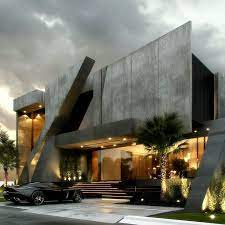
Beyond the undeniable lifestyle benefits, the financial advantages of investing in or developing biophilic apartments in 2025 are compelling. The market is increasingly segmenting, and properties that offer tangible wellness and sustainability features are commanding a premium.
Higher Occupancy Rates: As demand outstrips supply for these unique living spaces, biophilic apartments consistently enjoy higher occupancy rates.
Increased Rents/Sales Prices: Tenants and buyers are willing to pay more for environments that promise improved health, reduced stress, and a connection to nature. This translates into stronger revenue streams for owners and developers.
Brand Differentiation: For developers, a commitment to biophilic design establishes a powerful brand identity, attracting a demographic that values conscious living and sustainability. This is particularly crucial in a competitive market.
Long-Term Value Appreciation: These properties are not subject to fleeting trends. The inherent value of wellness and environmental responsibility ensures long-term appreciation and resilience against market fluctuations. This makes them ideal for sustainable apartment living and luxury green apartments.
Lower Operating Costs: Many biophilic features, such as energy-efficient design, natural ventilation, and integrated green infrastructure, contribute to lower utility bills and maintenance costs over the lifespan of the building.
The Road Ahead: Challenges and Innovations
While the future of biophilic design is bright, it’s not without its challenges. Initial construction costs can sometimes be higher due to specialized materials and design complexity. However, these are often offset by long-term operational savings and increased property values. Innovations are constantly addressing these concerns:
Modular Biophilic Systems: Pre-fabricated green walls, smart planters, and modular water features are streamlining installation and reducing costs.
Smart Building Integration: AI-powered systems are optimizing natural light exposure, managing internal climates based on external conditions, and even monitoring plant health to ensure optimal biophilic performance.
Vertical Urban Farming: The integration of vertical farms into apartment complexes not only provides fresh produce for residents but also enhances the biophilic experience, creating productive green spaces within the urban fabric.
Community-Scale Biophilia: The trend is expanding beyond individual apartments to entire neighborhoods and districts, fostering interconnected green networks and shared natural amenities.
Embracing the Biophilic Future
The trajectory of apartment construction is undeniably headed toward a biophilic future. As individuals become more aware of the profound benefits of living in harmony with nature, the demand for Biophilic Homes will continue its steep ascent. These homes represent far more than just a housing trend; they embody a fundamental shift toward a greener, more balanced, and profoundly healthier way of life.
In 2025, whether you are a prospective homeowner seeking a sanctuary, an investor looking for the next smart real estate opportunity, or a developer aiming to lead the market, Biophilic Homes offer an unparalleled vision. They are shaping not just the future of apartment construction, but the very way we experience “home” – a space where our well-being, sustainability, and innate connection to the natural world are not just considered, but celebrated. Embrace this biophilic revolution, and you will be embracing a lifestyle that is healthier, happier, and truly sustainable for generations to come. Biophilic Homes are here to stay, and they are paving the way for a brighter urban future.