
Navigating the 2025 Housing Market: Your Essential Guide to Dodging Problem Properties
The American dream of homeownership remains a potent aspiration, perhaps even more so as we navigate the ever-evolving real estate landscape of 2025. With mortgage rates fluctuating and inventory shifting, securing a property that not only meets your aesthetic desires but also represents a sound financial investment is paramount. However, beneath the veneer of fresh paint and manicured lawns often lie hidden hazards: the dreaded “problem properties.”
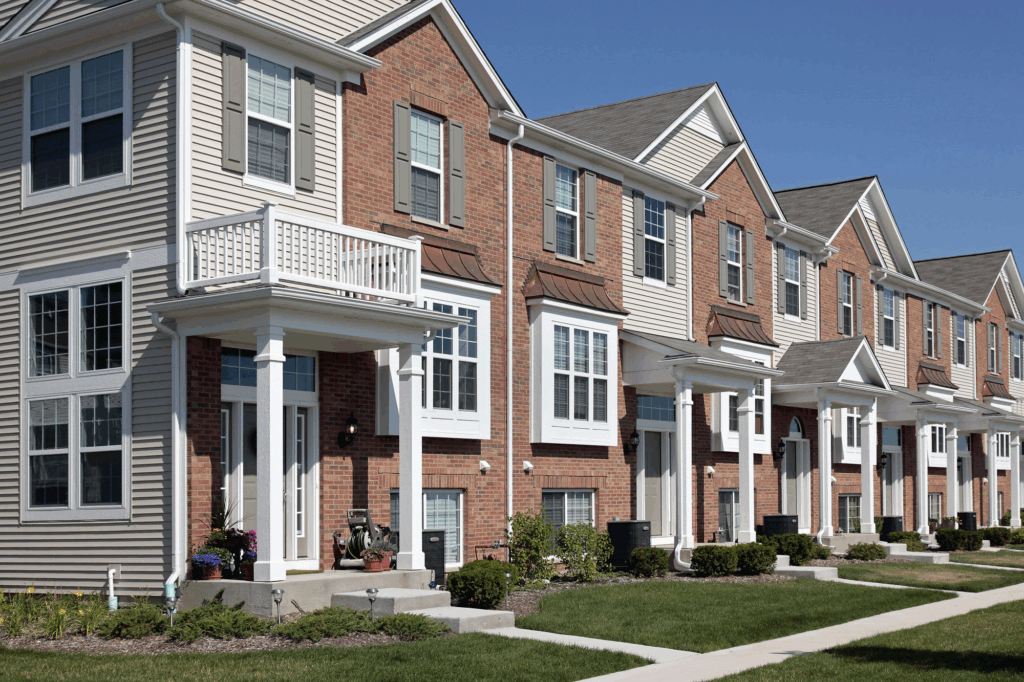
As a seasoned real estate expert with over a decade in the trenches, I’ve seen countless dreams turn into financial nightmares. Buying a home with significant undisclosed defects can drain your savings, jeopardize your family’s health, and transform your sanctuary into an unending project. This article is designed to equip you with the knowledge and strategies to identify and avoid these money pits, ensuring your journey to homeownership is as smooth and secure as possible.
What Exactly Constitutes a “Problem Property” in Today’s Market?
In essence, a problem property is any residential dwelling harboring one or more major defects or inherent risks that could lead to substantial financial outlay, compromise safety, or significantly diminish the home’s long-term value and desirability. In 2025, these issues are compounded by increasingly stringent building codes, escalating repair costs, and a heightened awareness of environmental and structural integrity.
Let’s break down the primary categories of problem properties you’re likely to encounter and the specific challenges they present:
The Silent Structural Saboteurs: Foundation and Framing Issues
Imagine the joy of moving into your new home, only to discover weeks later that your floors are uneven, doors stick, or cracks are appearing in the walls. Structural damage isn’t just cosmetic; it’s a fundamental flaw that can compromise the entire integrity of the building.
The Problem: This includes foundational cracks, shifting footings, bowing walls, sagging roofs, or compromised framing due to age, poor construction, soil instability, or chronic water intrusion. Repairing these issues often involves extensive, invasive, and incredibly costly work, frequently requiring specialized foundation repair companies and a structural engineer report.
Why it’s a 2025 Concern: With extreme weather events becoming more common and older housing stock aging, foundational stress is an increasing issue. Furthermore, the cost of materials and skilled labor for structural remediation continues to climb.
The Solution/Prevention: A standard home inspection is a start, but for older homes or those showing any signs of stress, insist on a certified structural engineer assessment. Look for uneven floors, cracks in exterior brickwork or interior drywall (especially vertical or diagonal cracks), doors and windows that don’t close properly, and dampness in the basement or crawl space. These are red flags demanding immediate, expert attention. Understand that ignoring these signs can lead to cascading issues, impacting everything from plumbing to electrical systems.
Unseen Threats: Environmental and Health Hazards
Some of the most insidious problems are those you can’t see, smell, or immediately detect without specialized testing. These environmental hazards pose direct risks to health and can require extensive, costly remediation.
The Problem:
Mold Infestation: Often hidden behind walls or under flooring, mold thrives in damp conditions. Beyond cosmetic damage, certain molds can cause severe respiratory issues and allergic reactions. Mold remediation cost can run into thousands, especially if it’s widespread.
Radon Gas: An odorless, colorless radioactive gas that seeps into homes from the soil, radon is the second leading cause of lung cancer. It’s prevalent in many US regions.
Asbestos and Lead Paint: Common in homes built before the late 1970s, these materials become hazardous when disturbed. Safe removal or encapsulation is a specialized, regulated process.
Pest Infestations: Termites, carpenter ants, rodents, or even bed bugs can cause significant structural damage or health risks. Eradication can be complex and expensive.
Contaminated Soil/Groundwater: Less common but potentially devastating, this can stem from nearby industrial sites, old buried oil tanks, or agricultural runoff.
Why it’s a 2025 Concern: Increased awareness and stricter health codes mean these issues are less likely to be overlooked, but remediation costs are rising. Buyers are also more conscious of indoor air quality.
The Solution/Prevention: Include radon testing services, asbestos inspection, and lead-based paint disclosure as part of your due diligence, especially for older homes. Request a professional pest and termite inspection. If any signs of water damage or musty odors are present, insist on professional mold inspection services. Review the property’s environmental history and local geological reports.
The Bureaucratic Burden: Code Violations and Unpermitted Work
Buying a home only to discover that major renovations were done without proper permits or that the property is riddled with code violations is a recipe for stress and financial headaches.
The Problem: This includes unpermitted additions (e.g., converted garages, finished basements), electrical or plumbing work not up to code, or structures that don’t comply with zoning regulations. These issues can lead to fines, difficulties obtaining homeowner’s insurance, problems with future resale, or even the forced removal of structures.
Why it’s a 2025 Concern: Many municipalities are digitizing their permit records, making it easier to research a property’s history. Enforcement is also becoming more proactive, especially in competitive markets where quick, unpermitted flips might occur.
The Solution/Prevention: A thorough certified home inspector should flag obvious code violations. Crucially, visit the local building department or their online portal to research the property’s permit history. Cross-reference any major renovations with official records. Ask the seller for copies of all permits for work done on the property. Engaging a real estate lawyer consultation to review disclosures can provide an added layer of protection.
Location, Location, Limitation: Natural Disaster Risks and Nuisances
While not a defect of the house itself, a property’s location can present significant problems, particularly in an era of increasing climate volatility.
The Problem:
Flood Zones: Homes in designated FEMA flood zones require mandatory flood insurance, which can be expensive and is often not covered by standard homeowner’s policies. Repeated flooding can also lead to long-term structural issues and mold.
Wildfire & Earthquake Zones: Properties in these areas face heightened risk and often higher insurance premiums. Specific building codes or retrofitting might be required.
Proximity to Nuisances: Living near busy highways, industrial facilities, airports, or high-density commercial areas can mean constant noise pollution, odors, or diminished privacy, impacting quality of life and future property value.
Why it’s a 2025 Concern: Climate change is amplifying natural disaster risks, leading to more areas being reclassified as high-risk. Noise and environmental regulations are also becoming stricter, but some existing nuisances persist.
The Solution/Prevention: Check FEMA flood zone maps and local hazard maps. Research the area’s history of natural disasters. Drive by the property at different times of day and night, checking for noise levels and traffic patterns. Use online mapping tools to identify nearby businesses or infrastructure. Talk to potential neighbors about local annoyances. Consider specialized insurance quotes early in the process.
The Tangled Web: Title and Legal Encumbrances
Beyond the physical structure, a property can harbor invisible legal issues that can ensnare a new owner.
The Problem: This includes undisclosed liens (e.g., unpaid contractor bills, back taxes), easements (another party’s right to use part of your land), encroachments (a neighbor’s fence or structure on your property), or unclear ownership history. These can restrict your use of the property, create legal disputes, or even lead to foreclosure if not resolved.
Why it’s a 2025 Concern: While standard practice, thorough property title search and title insurance are more crucial than ever, particularly with the increase in complex real estate transactions and digital records.
The Solution/Prevention: This is where a robust title search performed by a reputable title company or real estate lawyer is non-negotiable. They will uncover any existing liens, judgments, easements, or other encumbrances on the property’s chain of title. Always purchase owner’s title insurance – it protects you from defects in the title that existed before you owned the property.
Your Ultimate Buyer’s Defense Strategy: A 2025 Playbook
Successfully navigating the home-buying process and avoiding problem properties in 2025 requires a multi-pronged, proactive approach. Don’t rely solely on seller disclosures; empower yourself with knowledge and expert assistance.
The Indispensable Home Inspection: Go Beyond the Basics
A comprehensive home inspection is your primary shield. But in 2025, a basic inspection might not be enough.
Standard Inspection: Ensure your inspector is licensed, insured, and has excellent references. They should meticulously examine the roof, foundation, HVAC system, electrical panel, plumbing, and major appliances. Demand a detailed report with photos. Ask about the home inspection cost upfront.
Specialized Inspections: Don’t hesitate to budget for additional experts if the general inspection raises concerns. This could include a sewer scope inspection, HVAC specialist, roof inspection services, or even a chimney inspection. These specialists can often identify subtle issues that a general inspector might miss, saving you thousands in potential HVAC replacement cost or water heater repair.
Post-Inspection Negotiations: If problems are found, you have leverage. You can negotiate repairs, ask for a credit, or, if the issues are too severe, walk away. Don’t let the fear of losing the deal push you into a bad investment.
The Power of Due Diligence: Research Like a Detective
Your research should extend far beyond the property lines.
Property History Report: Request a CLUE (Comprehensive Loss Underwriting Exchange) report from the seller, which details the property’s insurance claims history. This can reveal past issues like water damage, fires, or significant repairs. Check local county records for building permits and code enforcement actions.
Neighborhood Reconnaissance:
Talk to Neighbors: They are often the best source of information about local issues, nuisance factors, and even previous owners’ struggles.
Visit at Different Times: What’s quiet during the day might be a hub of activity or noise at night, or vice-versa. Observe traffic, local businesses, and community vibe.
Online Research: Utilize Google Street View for historical context, local news archives for past incidents, and community forums. Check crime statistics, school ratings, and local development plans.
Local Government Resources: The planning department can provide zoning information, future development plans (which could impact your view or quiet enjoyment), and environmental agency records for any contamination concerns.
Financial and Legal Safeguards: Protect Your Investment
Don’t underestimate the importance of professional advice and contractual protections.
Engage a Real Estate Attorney: While not mandatory in all states, a real estate lawyer is invaluable. They can review the purchase agreement, identify red flags in disclosures, help negotiate repair clauses, and ensure all legal aspects are ironed out. Their expertise can be especially critical in resolving title disputes or interpreting complex property reports.
The Appraisal: Your lender will require an appraisal to ensure the home’s value justifies the loan amount. A low appraisal could indicate an over-inflated asking price or unrecognized issues, giving you an opportunity to renegotiate. A detailed home appraisal value report can highlight market comparisons and property condition.
Contingencies are Your Best Friend: Always include inspection, appraisal, and financing contingencies in your offer. These contractual clauses allow you to back out of the deal without losing your earnest money if significant problems are discovered or if the property doesn’t appraise.
Home Warranties: While not a substitute for due diligence, a home warranty can provide a year of protection against unexpected failures of major systems and appliances after purchase. This is a good peace-of-mind addition, particularly for older homes.
Conclusion: Your Path to a Problem-Free Home
Buying a home in 2025 is arguably one of the most significant financial and emotional investments you’ll ever make. The allure of a perfect property can sometimes blind buyers to underlying issues, transforming a dream into a decade of costly repairs and regrets. By adopting a diligent, informed, and proactive approach, you can dramatically reduce your risk of falling victim to a problem property.
Remember, every home has its quirks, but major structural flaws, environmental hazards, legal encumbrances, or location-based risks are not quirks – they are deal-breakers that can jeopardize your investment and your peace of mind. Arm yourself with expert inspections, thorough research, and professional legal guidance. Your future self, and your bank account, will thank you for it. Invest wisely, live happily.