
The Urban Bloom: Why Biophilic Homes Are Redefining American Apartment Living in 2025
For decades, the standard urban apartment offered convenience and location, often at the expense of a deep connection to the natural world. Concrete jungles, sterile interiors, and a distinct separation from greenery were the accepted norms. But as we navigate 2025, a profound paradigm shift is sweeping across the American real estate landscape, fundamentally altering how we perceive and inhabit our living spaces. This evolution isn’t just about aesthetics; it’s a commitment to well-being, sustainability, and a re-engineered relationship with our environment. We are, of course, talking about the ascendancy of Biophilic Homes.

As an expert who has watched this trend mature from a niche concept to a mainstream imperative over the past decade, I can confidently say that biophilic design is no longer a luxury—it’s a necessity. It’s an intelligent, forward-thinking response to the increasing demands of modern life, offering an oasis of calm and vitality amidst the hustle and bustle. These aren’t just apartments; they are carefully crafted ecosystems designed to nourish the human spirit and promote optimal health.
Understanding the Biophilic Imperative: More Than Just a Plant in the Corner
At its core, biophilia, meaning “love of life” or “love of living systems,” describes the innate human tendency to connect with nature. This isn’t a new-age philosophy; it’s a scientifically validated biological and psychological need. In an increasingly digital and urbanized world, the profound disconnection from natural elements has led to what some call “nature deficit disorder,” contributing to rising stress levels, anxiety, and a host of physical ailments. Biophilic Homes directly address this deficit, acting as a crucial antidote to modern urban stressors.
These aren’t just buildings with a few potted plants. True biophilic design is a comprehensive, integrated approach that weaves natural patterns, elements, and processes into every facet of the built environment. It’s about leveraging our evolutionary hardwiring to create spaces that make us feel healthier, happier, and more productive.
The Defining Characteristics of a Truly Biophilic Residence
To fully appreciate the transformative power of biophilic apartments, it’s essential to understand their distinguishing features. These elements are meticulously planned, creating cohesive sustainable living spaces that resonate with our innate desire for nature.
Abundant Natural Light: Illuminating Well-being
Forget dimly lit, cavernous apartments. Biophilic Homes prioritize the generous influx of natural light. Think expansive, strategically placed windows, skylights, and even sun tunnels that maximize daylight penetration, reducing the reliance on artificial lighting during the day. This isn’t merely about energy conservation; it’s about synchronizing our circadian rhythms, improving mood, boosting cognitive function, and enhancing overall vitality. Imagine waking up to soft, natural light, feeling more refreshed and ready to tackle the day—this is the everyday reality in a biophilic apartment. The clever use of light also plays with shadow and form, mimicking the dynamic qualities of nature.
Greenery Everywhere: Vertical Gardens and Beyond
This is perhaps the most visually striking characteristic. Biophilic apartments are lush. We’re talking about integrated indoor plants, living walls (vertical gardens), and accessible rooftop gardens that become extensions of the living space. Beyond their aesthetic appeal, these green features are powerful natural air purifiers, filtering toxins, increasing oxygen levels, and regulating humidity. Studies consistently show that the presence of greenery reduces stress, enhances concentration, and creates a more calming atmosphere. Some cutting-edge developments even integrate hydroponic systems for residents to grow their own herbs and vegetables, blurring the lines between home and garden, and fostering a true sense of urban sanctuary.
Natural and Sustainable Materials: A Tactile Connection
Moving away from synthetic and often chemically treated finishes, biophilic design champions the use of natural, sustainable, and often locally sourced materials. Wood, stone, bamboo, cork, clay, and wool are preferred not only for their aesthetic beauty and durability but also for their tactile qualities and minimal environmental impact. These materials offer a grounding sense of authenticity, contributing to a non-toxic indoor environment. The warmth of natural wood underfoot, the cool touch of stone, or the organic texture of natural fibers all contribute to a sensory richness that synthetic materials simply cannot replicate, creating genuinely healthy homes.
Integrated Water Features: The Sound of Serenity
The soothing presence of water is a powerful biophilic element. Small, well-designed fountains, reflecting pools, or even strategically placed aquariums can bring the calming sights and sounds of nature indoors. The gentle trickle of water is known to reduce stress, improve focus, and mask unwanted urban noise, creating a tranquil backdrop for daily life. In 2025, these features are often integrated with smart home systems, allowing residents to customize their sensory experience.
Seamless Integration with Outdoor Spaces: Expanding Your World
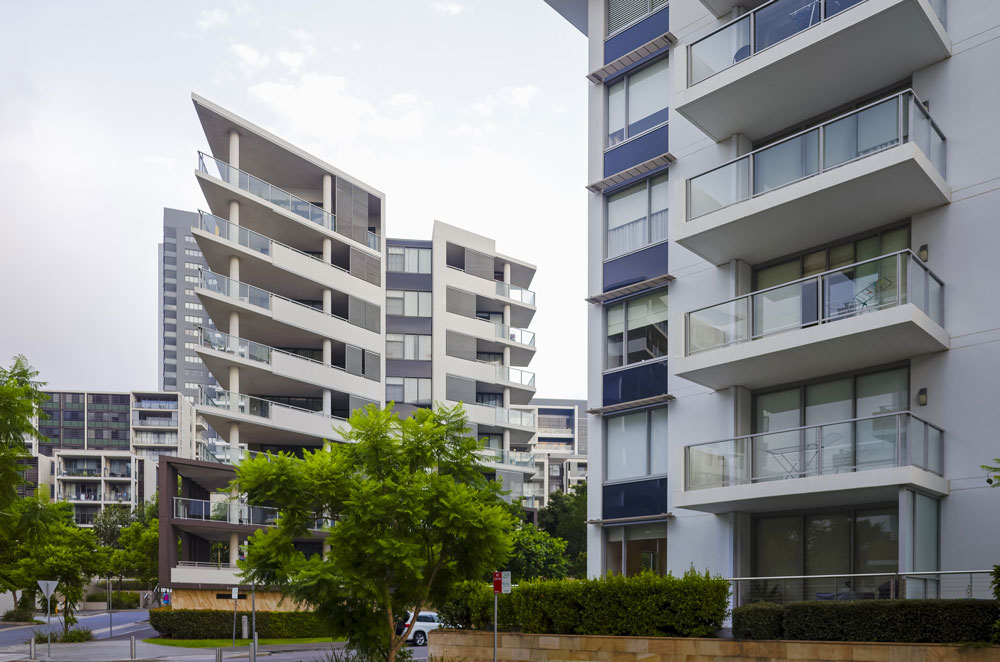
The walls between indoor and outdoor living are dissolving. Biophilic apartments boast generous balconies, expansive terraces, and communal courtyards that are more than just extensions—they are designed to seamlessly merge with the interiors. Operable glass walls, thoughtful landscaping, and coherent design palettes ensure a harmonious transition, allowing residents to easily step out and connect with fresh air and natural views. These outdoor areas become crucial for relaxation, social interaction, and simply breathing deeper, essential for nature-infused living.
Earthy Color Palettes and Natural Patterns: A Visual Symphony
The color schemes within Biophilic Homes are deliberately chosen to echo the natural world. Greens, blues, browns, and muted earth tones dominate, creating a sense of calm and visual harmony. Beyond colors, biophilic design incorporates natural patterns and fractals—think organic shapes, textures, and rhythms found in nature, rather than rigid, artificial geometries. These elements subtly engage our subconscious, fostering a sense of familiarity and peace, much like being immersed in a forest or by the ocean.
Wildlife-Friendly Features: Coexisting with Nature
Some of the most innovative biophilic developments go a step further, integrating elements that support local biodiversity. Bird feeders, insect hotels, native plant landscaping, and even bat boxes can attract local wildlife, transforming the urban dwelling into a micro-ecosystem. This fosters a deeper connection to the environment, offering residents educational opportunities and a sense of stewardship, showcasing the true essence of environmentally conscious apartments.
Why Biophilic Homes Are Not Just a Trend, But the Future of Urban Living
The growing demand for biophilic residences is propelled by a confluence of compelling factors, extending far beyond mere aesthetics. This movement represents a profound shift in consumer values and an intelligent adaptation by the real estate sector.
Unparalleled Health and Well-being Benefits:
This is arguably the most significant driver. In 2025, individuals are more health-conscious than ever, actively seeking ways to mitigate the stresses of modern life. Biophilic design directly contributes to improved physical and mental health. Exposure to natural elements has been scientifically proven to:
Reduce Stress and Anxiety: Lower cortisol levels, promote relaxation.
Enhance Cognitive Function: Improve focus, creativity, and memory.
Boost Mood and Reduce Symptoms of Depression: Increased exposure to natural light and greenery.
Support Immune System Function: Through exposure to beneficial microbes and reduced indoor pollutants.
Improve Sleep Quality: By regulating circadian rhythms with natural light cycles.
Accelerate Healing: Patients in nature-rich environments often recover faster.
These apartments are truly wellness real estate, offering a preventative and restorative approach to daily living.
A Commitment to Environmental Stewardship:
Sustainability is no longer a buzzword; it’s an urgent global mandate. Biophilic Homes are at the forefront of eco-friendly living. Their design principles inherently lead to:
Reduced Carbon Footprint: Through energy-efficient designs (maximized natural light, passive ventilation), sustainable material sourcing, and integrated green spaces.
Water Conservation: Many designs incorporate rainwater harvesting and graywater recycling for landscape irrigation.
Biodiversity Support: As mentioned earlier, fostering local flora and fauna.
Urban Heat Island Effect Mitigation: Green roofs and vertical gardens help cool urban areas, reducing energy consumption for air conditioning.
These green building designs are not just compliant with certifications like LEED or WELL; they often exceed them, setting new benchmarks for environmental responsibility.
Enhanced Property Value and Market Demand:
From an investment perspective, biophilic apartments represent a smart move. As awareness of their benefits grows, so does their market value. Developers are reporting higher demand and premium pricing for these properties. Buyers and renters are increasingly willing to pay more for homes that offer health benefits, a connection to nature, and a strong sustainability profile. Investing in biophilic real estate is seen as future-proofing, aligning with evolving consumer preferences and regulatory pushes towards greener infrastructure. This makes them highly attractive for those interested in future of urban development.
Reclaiming Our Innate Connection to Nature:
In our hyper-connected, screen-dominated lives, many people yearn for a deeper, more authentic connection to the natural world. Biophilic Homes offer this invaluable opportunity without sacrificing the conveniences of modern urban living. They provide a vital link to the earth, allowing residents to experience the rhythm of the seasons, the freshness of clean air, and the calming presence of living things, right within their own four walls. It’s about creating a personal retreat, a place where you can truly disconnect from digital noise and reconnect with yourself.
Superior Indoor Air Quality:
Traditional apartments, especially those built with synthetic materials, can often harbor volatile organic compounds (VOCs) and other indoor air pollutants. Biophilic design, with its emphasis on natural materials and abundant greenery, significantly improves indoor air quality. Plants naturally filter airborne toxins, while improved ventilation systems ensure a constant flow of fresh air. This focus on indoor air quality solutions is crucial for respiratory health and overall well-being.
Fostering Community and Social Interaction:
Many biophilic developments incorporate shared green spaces, communal gardens, and nature-integrated amenities that encourage residents to connect with each other. These spaces become vibrant hubs for social interaction, fostering a sense of community and belonging—a rare commodity in many urban environments. Imagine neighbors collaborating on a rooftop garden, or children playing in a naturally landscaped courtyard.
Integration with Smart Home Technology:
The biophilic apartment of 2025 isn’t sacrificing modern convenience. Instead, it intelligently integrates smart home technology to enhance the natural experience. Automated systems manage natural light exposure, optimize indoor climate for plant growth, monitor air quality, and even control water features, making biophilic living effortlessly integrated into daily life.
The Investment and Lifestyle Imperative: Embracing a Greener Horizon
For prospective homeowners and renters in the USA, the choice is becoming increasingly clear. A biophilic apartment isn’t just a place to live; it’s an investment in your health, happiness, and a sustainable future. It’s a statement that you value well-being and environmental responsibility. These are properties that will likely appreciate in value faster, offer a higher quality of life, and contribute to a more mindful existence. When searching for apartment amenities nature, biophilic design encompasses and elevates all expectations.
For developers and real estate investors, the message is equally potent: the market has spoken. Biophilic design is the strategic differentiator in a competitive landscape. Projects that embrace these principles attract discerning buyers and renters, command premium prices, and build a reputation for innovation and responsibility. It’s about building for resilience, building for wellness, and ultimately, building for a better tomorrow. This is where the smart money is flowing, into properties that genuinely enhance life.
The Urban Bloom: A New Chapter for American Living
The future of American apartment construction is undoubtedly blossoming in a biophilic direction. As we move further into the 2020s, the understanding that our built environments profoundly impact our health and the health of the planet is irrefutable. Biophilic Homes are more than just a passing architectural trend; they represent a fundamental, necessary evolution in how we design, build, and experience urban living.
They offer a holistic solution to many of the challenges posed by urbanization, providing sanctuary, promoting wellness, and fostering a deeper connection to the natural world that is increasingly vital for our collective well-being. By embracing biophilic design, we are not just constructing buildings; we are cultivating better lives, one stress-reducing home at a time. The urban bloom is here, and it’s vibrant, sustainable, and undeniably beautiful.