Biophilic Homes: Redefining Urban Living in 2025
Hey there, future dweller! Have you ever walked into a space and instantly felt a sense of calm, a lightness that’s hard to pinpoint? Perhaps it was a room bathed in natural sunlight, or one with a cascading wall of vibrant greenery, or even the subtle sound of trickling water. What you experienced wasn’t just good interior design; it was a connection to something deeper, something fundamental to human well-being: nature. In 2025, this connection is no longer a luxury for those with sprawling suburban estates. It’s becoming the cornerstone of apartment living, giving rise to an architectural movement known as Biophilic Homes.

As someone who’s spent the last decade immersed in the evolving landscape of urban development and sustainable architecture, I can tell you that Biophilic Homes aren’t just a fleeting trend; they represent a fundamental shift in how we conceive of our living spaces. We’re moving beyond mere functionality and aesthetics, embracing designs that actively promote our health, happiness, and connection to the natural world, even in the densest urban environments. So, buckle up, because we’re about to explore how these visionary apartments are not just changing skylines but are fundamentally redefining what “home” truly means in the modern age.
Unpacking Biophilia: More Than Just a Pretty Plant
The term “biophilia” itself, coined by biologist E.O. Wilson, means “love of life or living systems.” It’s the innate human tendency to connect with nature and other living things. For millennia, our ancestors lived in harmony with their natural surroundings. Our bodies and minds evolved to thrive in natural settings, to respond positively to green vistas, fresh air, and the rhythms of the sun. Yet, for the past century, rapid urbanization has increasingly severed this primal link. We’ve built towering concrete jungles, sealing ourselves off from the very elements that nurture us.
But the tide is turning. We’ve come to recognize that our indoor environments profoundly impact our physical and mental health. The “sick building syndrome” of the past is being replaced by a holistic understanding that our homes should be healing spaces, not just shelters. This is where biophilic design steps in, intentionally weaving natural patterns, materials, and systems into the built environment. It’s not about slapping a few potted plants in a corner; it’s about a deep, integrated design philosophy that transforms an apartment into an urban oasis.
The DNA of a Biophilic Home: Key Characteristics that Define Tomorrow’s Living Spaces
What truly sets a biophilic apartment apart from a conventional one? It’s a symphony of thoughtfully integrated elements designed to foster that innate connection to nature.
Abundant, Intelligent Natural Light: Forget dimly lit corridors and reliance on artificial glow. Biophilic Homes in 2025 are designed to maximize daylight penetration. We’re talking about expansive, often floor-to-ceiling windows that offer panoramic views and flood living spaces with natural illumination. But it goes further: smart glass technology can automatically tint to reduce glare and heat gain, optimizing comfort without sacrificing light. Architectural features like strategically placed skylights, light shelves, and open-plan layouts are crucial. The goal isn’t just brightness; it’s about mimicking the natural rhythms of the day, helping regulate our circadian clocks, which are vital for sleep, mood, and cognitive function. This intelligent use of light significantly reduces the need for artificial lighting, contributing to overall energy efficiency and lower utility bills—a true benefit of high-performance buildings.
Greenery, Everywhere You Look (and Breathe): This is perhaps the most visually striking element. Biophilic apartments boast an impressive array of integrated greenery. This can manifest as:
Living Walls (Vertical Gardens): Thriving ecosystems of plants adorning interior or exterior walls, improving air quality, providing natural insulation, and creating stunning visual interest.
Indoor Planters & Atriums: Strategically placed large planters with diverse plant species, often integrated into built-in furniture or central to multi-story units.
Rooftop Gardens & Terraces: Shared or private outdoor spaces that become lush retreats, complete with native plantings, often incorporating edible gardens or spaces for urban farming.
Biophilic Patterning: Even where live plants aren’t feasible, patterns and textures found in nature—like wood grain, leaf patterns, or fractal designs—are used in wallpapers, textiles, and architectural details to evoke natural beauty.
The benefits extend beyond aesthetics: plants naturally filter indoor air, removing toxins and increasing oxygen levels, leading to noticeably improved air quality and contributing to a healthy home design.
Natural and Sustainable Materials: Step away from synthetic, off-gassing materials. Biophilic design champions the use of authentic, earthy materials that engage our senses and tell a story. Think exposed timber beams from sustainably harvested forests, stone countertops and flooring, cork walls for acoustic dampening, and bamboo accents. These materials are chosen not only for their aesthetic appeal and tactile qualities but also for their minimal environmental impact, durability, and non-toxic properties. The focus is on materials that are locally sourced where possible, renewable, recycled, or have a low carbon footprint, aligning perfectly with eco-friendly living principles and contributing to environmental impact reduction.
The Soothing Presence of Water: The gentle murmur of water has a profound calming effect. Biophilic apartments often integrate water features, from small indoor fountains to larger, integrated ponds or even rainwater harvesting systems that feed visible water features on balconies or courtyards. The sound, the visual shimmer, and the subtle increase in humidity all contribute to a more tranquil and refreshing atmosphere. It’s a sensory experience that grounds residents and reminds them of natural cycles.
Seamless Indoor-Outdoor Integration: Biophilic Homes blur the lines between inside and out. Large sliding glass doors open onto generous balconies, private patios, or shared courtyards, creating a fluid transition. These outdoor spaces are not just afterthoughts; they are designed as extensions of the living area, often featuring integrated seating, smart lighting, and drought-resistant native plantings. This design philosophy encourages residents to step outside, breathe fresh air, and engage directly with their immediate natural surroundings, truly living in their urban oasis apartments.
Earthy Color Palettes and Organic Forms: The color schemes in biophilic spaces draw inspiration directly from nature. Think soothing greens, calming blues, warm browns, and sandy beiges. These palettes create a harmonious, grounding backdrop. Furthermore, architectural elements often forgo harsh, rigid lines in favor of organic, flowing forms that mimic natural landscapes, creating a softer, more inviting environment.
Sensory Engagement Beyond Sight: While visual elements are strong, biophilic design also considers sound, touch, and even scent. The natural scent of wood, the soft texture of natural fibers, the subtle sound of wind chimes, or the rustle of leaves – these elements combine to create a truly immersive, multi-sensory experience that reinforces our connection to nature.
The Unstoppable Rise: Why Biophilic Apartments Are Dominating in 2025
The growing popularity of Biophilic Homes isn’t just about aesthetics; it’s driven by tangible benefits that resonate deeply with today’s urban dwellers and forward-thinking developers alike.
Unparalleled Health and Well-being: This is, arguably, the most compelling driver. In a post-pandemic world, where mental health and immune resilience are paramount, the demand for homes that actively promote wellness has skyrocketed. Numerous studies now conclusively show that exposure to biophilic elements:
Reduces Stress and Anxiety: Looking at green spaces or interacting with natural elements lowers cortisol levels and promotes relaxation.
Boosts Cognitive Function and Creativity: Natural environments enhance focus, improve problem-solving abilities, and spark innovation.
Improves Mood and Reduces Depression: Sunlight exposure helps regulate serotonin levels, and connection to nature fosters a sense of peace and optimism.
Enhances Sleep Quality: Regulation of circadian rhythms through natural light exposure leads to better, more restorative sleep.
Strengthens Immune System: Exposure to natural microbes and cleaner air can positively impact our immune response.
For city residents perpetually bombarded by artificial stimuli, a Biophilic Home offers a much-needed sanctuary—a place to decompress, recharge, and truly thrive. This makes it a core component of wellness real estate.
Environmental Stewardship and True Sustainability: In an era defined by climate change, genuine sustainability is no longer optional. Biophilic Homes are at the forefront of green building design. Their commitment to natural materials reduces reliance on energy-intensive manufacturing processes and often minimizes transportation emissions. The integration of living walls and rooftop gardens helps mitigate the urban heat island effect, while smart systems for natural ventilation and daylighting drastically reduce energy consumption for heating, cooling, and lighting. Many projects incorporate rainwater harvesting, graywater recycling, and native, drought-resistant landscaping, significantly reducing water usage. By creating habitats for urban wildlife and promoting local biodiversity, these apartments don’t just reduce harm; they actively contribute to ecological regeneration. They often pursue certifications like LEED or WELL, signaling their commitment to verifiable environmental and health performance.
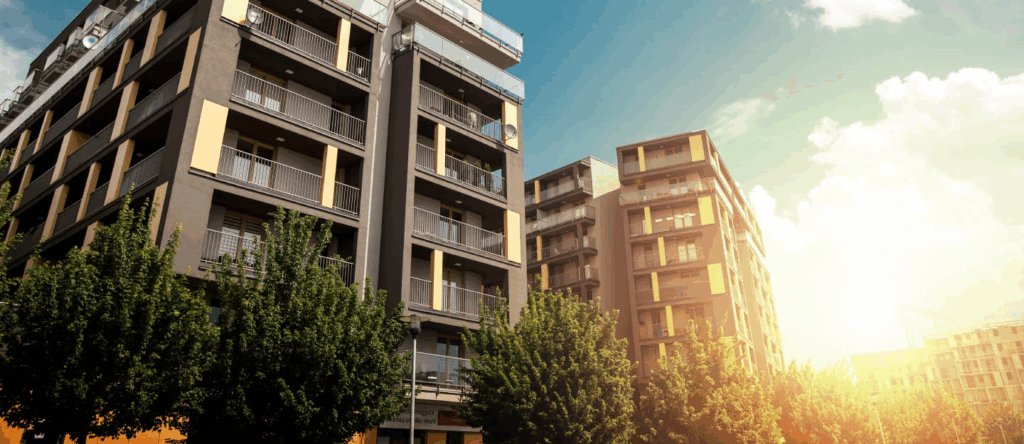
Increased Property Value and Investment Appeal: Developers and investors are keenly aware of market trends. The demand for Biophilic Homes is consistently rising, translating directly into higher property values and faster lease-up rates. Discerning buyers and renters are willing to pay a premium for spaces that offer enhanced well-being and a lower environmental footprint. For developers, investing in biophilic design is not just a moral imperative; it’s a smart business move, attracting affluent buyers interested in luxury green homes and positioning properties as future-proof assets. Property managers also report higher tenant satisfaction and retention in biophilic buildings, further solidifying their market advantage. It’s a win-win for both residents and investment property sustainable portfolios.
A Deeper Sense of Community and Connection: Biophilic design extends beyond individual units to communal spaces. Shared rooftop gardens, verdant courtyards, and inviting natural lobbies become gathering points that foster a sense of community among residents. These spaces encourage interaction, provide opportunities for urban gardening, and create shared moments of peace and natural beauty. By connecting residents to the natural world within their building, biophilic design also strengthens their connection to each other and their broader urban ecosystem.
Addressing Urban Challenges with Elegant Solutions: Biophilic design offers practical solutions to pervasive urban problems. Living walls and green roofs help manage stormwater runoff, reducing strain on municipal drainage systems. The increased green cover helps cool cities, combating rising temperatures. By attracting pollinators and supporting native flora, these buildings contribute to urban biodiversity. It’s an architectural innovation that solves multiple problems simultaneously, offering residential green solutions that benefit the entire city.
The American Landscape: Biophilic Living Coast to Coast
Across the United States, Biophilic Homes are gaining traction, adapting to regional climates and cultural nuances. In California, where water conservation is critical, designs often feature drought-tolerant native plants, sophisticated water recycling systems, and outdoor spaces optimized for year-round enjoyment. In the Pacific Northwest, ample natural light and robust indoor plant selections combat seasonal grayness. In the Northeast, designs celebrate seasonal changes, with deciduous trees on balconies providing shade in summer and allowing sun penetration in winter. Florida’s biophilic designs emphasize resilience against storms, while integrating lush, tropical greenery and passive cooling strategies. Cities like Portland, Seattle, Austin, and even New York City are seeing a surge in developments embracing these principles, recognizing the unique appeal for their increasingly health- and environmentally-conscious populations. From large-scale mixed-use developments to boutique apartment buildings, developer green initiatives are pushing the envelope.
Looking Ahead: Challenges and the Bright Biophilic Future
While the benefits are clear, the path to a fully biophilic urban landscape isn’t without its challenges. Initial construction costs can sometimes be higher due to specialized materials, sophisticated environmental systems, and the expertise required for integrated green design. Maintenance of living walls and complex water features requires dedicated attention and resources. Furthermore, educating traditional developers and contractors about the long-term value proposition, beyond the immediate bottom line, is an ongoing effort.
However, these challenges are steadily being overcome. The cost of sustainable architecture materials is decreasing, and technological advancements are making maintenance more efficient. Government incentives for green building, combined with soaring consumer demand, are creating an undeniable market force. The true future lies in integrating biophilic principles from the very inception of a project, rather than tacking them on as an afterthought. It’s about a holistic approach where architects, engineers, landscape designers, and urban planners collaborate to create truly regenerative environments.
More Than Just a Home: A Lifestyle Choice
Ultimately, a Biophilic Home in 2025 is more than just a place to live; it’s a conscious lifestyle choice. It’s for those who prioritize their health, who understand the profound impact of their environment, and who want to live responsibly and in harmony with the planet. It’s for those who seek tranquility amidst the urban hustle, who crave the calming presence of nature, and who believe that modern comfort shouldn’t come at the expense of well-being or ecological integrity.
As we continue to navigate a world of increasing complexity and digital saturation, the need for spaces that ground us, heal us, and inspire us will only intensify. Biophilic Homes answer this call, offering not just shelter, but a deeper, richer, and more sustainable way of life. They are shaping the future of apartment construction, promising a healthier, happier, and greener tomorrow for urban dwellers everywhere. Keep an eye out—or better yet, start seeking one out—because the biophilic future is already here, and it’s utterly beautiful.