



The Urban Oasis: How Biophilic Design is Reshaping Apartment Living in 2025
Hey there, fellow urban dweller! Or perhaps you’re a real estate enthusiast, a developer with an eye on the future, or simply someone dreaming of a calmer, more connected home. Whatever your connection, I’m here to talk about something revolutionary that’s no longer just a trend, but a foundational shift in how we build and experience our living spaces: Biophilic Homes.
After a decade immersed in the world of architecture and urban development, I can tell you this isn’t just about adding a few potted plants. We’re talking about a profound reimagining of apartment construction, one that integrates the innate human need for nature directly into our concrete jungles. It’s 2025, and the future of apartment living isn’t just smart – it’s naturally intelligent.
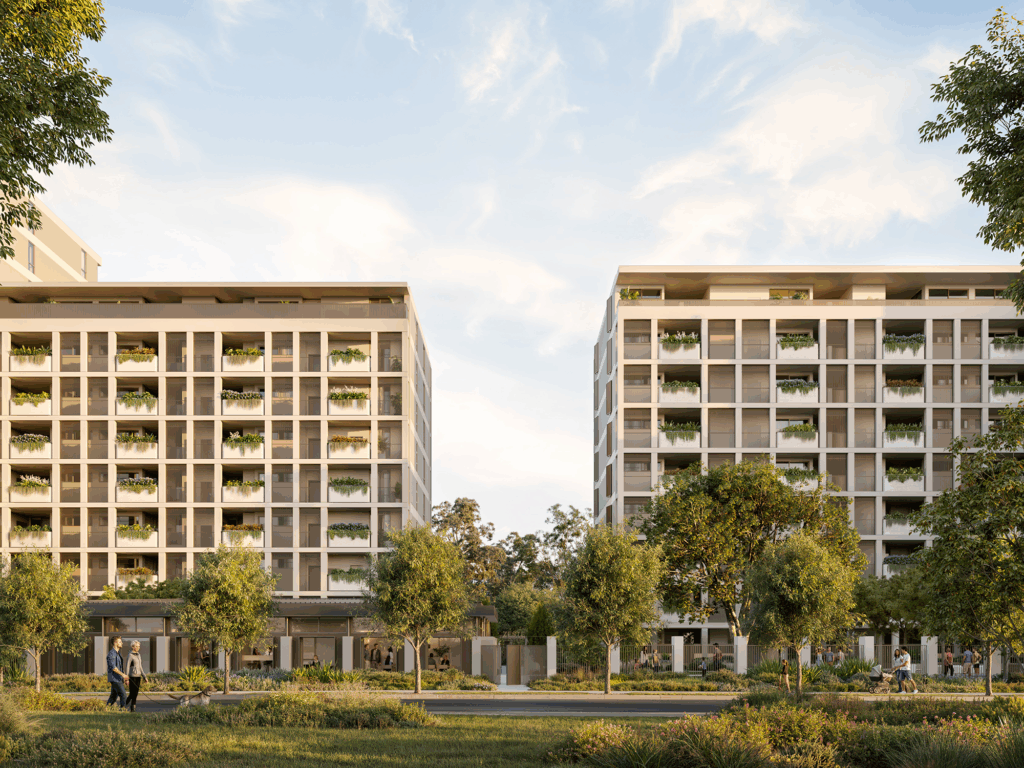
Think about it: our lives in metropolitan areas are increasingly fast-paced, digital, and often, frankly, disconnected from the natural world. We spend countless hours indoors, staring at screens, navigating crowded streets. It’s no wonder that a growing body of research continues to highlight the toll this takes on our mental and physical well-being. The good news? Forward-thinking developers and savvy architects are responding, crafting luxury apartment living spaces that actively combat this urban strain. They’re building not just residences, but sanctuaries designed to nurture us.
Understanding the Roots: What Exactly is Biophilia?
Before we dive into the incredible features of these homes, let’s unpack the core concept. The term “biophilia” was popularized by renowned biologist E.O. Wilson, describing “the urge to affiliate with other forms of life.” It’s our fundamental, genetic connection to the natural world – a connection forged over millennia of human evolution. We’re wired to thrive amidst green spaces, natural light, and the gentle sounds of water.
In a purely architectural context, biophilic design principles translate this innate connection into built environments. It’s about consciously bringing elements of nature – direct or indirect – into our homes and workplaces to enhance health, productivity, and overall well-being. It’s a sophisticated approach to design that recognizes our biological need for natural patterns, textures, light, and life. This isn’t just about aesthetics; it’s about creating spaces that literally make us feel better.
Beyond the Green Wall: The Defining Characteristics of a Biophilic Apartment
When you step into a truly biophilic apartment in 2025, you’ll immediately notice a palpable difference. It’s a feeling of calm, openness, and vibrancy that traditional apartments often lack. Here’s what sets them apart:
Abundant, Intelligent Natural Light:
Forget dim, perpetually shaded rooms. Biophilic apartments are meticulously designed to maximize the ingress of natural daylight, often employing large, floor-to-ceiling windows, strategically placed skylights, and open-plan layouts that allow light to penetrate deep into the living space. But it’s not just about quantity; it’s about quality and control. Advanced glazing technologies reduce glare and heat gain while preserving stunning views.
In 2025, many of these homes feature smart home integration with automated blinds and tunable lighting systems that mimic the natural circadian rhythms of the sun throughout the day. This dynamic lighting adjusts color temperature and intensity, helping regulate residents’ sleep patterns, boost mood, and enhance cognitive function. The goal is to reduce reliance on artificial lighting during the day and create a truly restorative environment. This focus on natural illumination is a cornerstone of energy efficiency solutions as well, significantly cutting down on electricity consumption.
Greenery Everywhere: Vertical Gardens and Beyond:
This is perhaps the most iconic feature. We’re not talking about a sad houseplant in a corner. Imagine living walls that span entire sections of an apartment, boasting a diverse ecosystem of plants that purify the air and create a stunning visual focal point. Think integrated planters built into shelving, private balconies overflowing with native flora, and accessible rooftop gardens that serve as communal green oases.
These aren’t just pretty additions; they’re functional. Plants actively improve indoor air quality by filtering toxins, increasing humidity, and producing oxygen. The presence of lush greenery has been scientifically proven to reduce stress levels, improve concentration, and foster a sense of tranquility. Some cutting-edge developments even integrate hydroponic or aeroponic systems for residents to grow their own herbs and vegetables, connecting occupants directly to the source of their food and fostering a deeper sense of connection to nature’s cycles. This emphasis on integrating living systems is a key aspect of eco-friendly design principles.
Natural and Sustainable Material Palette:
Step away from synthetic composites and chemical-laden finishes. Biophilic homes champion the use of natural, tactile, and sustainably sourced materials. We’re seeing a resurgence of rich, FSC-certified wood for flooring and accents, durable natural stone in kitchens and bathrooms, and renewable resources like bamboo and cork. Materials are chosen not only for their aesthetic beauty but also for their thermal properties, durability, and low environmental impact.
The goal is to create spaces that feel authentic, grounded, and healthy. These materials often have natural textures and variations that add visual interest and a sense of organic imperfection, mimicking the beauty found in nature. Furthermore, the focus on green building materials means developers are prioritizing products with minimal VOCs (Volatile Organic Compounds), contributing significantly to improved indoor air quality and overall resident health. This commitment to sustainability is crucial for environmental impact reduction in construction.
The Soothing Presence of Water Features:
The gentle sound and mesmerizing visual of water are inherently calming. Biophilic apartments often incorporate water elements, whether it’s a small, elegant indoor fountain, a rain chain guiding rainwater to a mini-garden, or external ponds and reflective pools visible from large windows. These features enhance the sensory experience of the home, providing a constant, subtle connection to one of nature’s most vital elements. The visual movement and auditory rhythm of water can be incredibly therapeutic, helping to melt away urban stress.
Seamless Integration with Outdoor Spaces:
The line between indoor and outdoor living is beautifully blurred. Generous balconies, spacious terraces, and expansive courtyards are not just add-ons; they are integral extensions of the living space. Think large sliding glass doors that completely open up a living room to a private outdoor haven, creating an expansive, breathable area. Shared communal gardens and accessible rooftop parks with stunning city views are becoming standard, offering residents easy access to fresh air and open skies. This design approach fosters a sense of urban oasis, providing crucial respite from the density of city life and boosting property value appreciation.
Earthy Color Palettes and Organic Patterns:
The colors chosen for biophilic interiors often reflect those found in nature: verdant greens, warm earthy browns, serene blues, and soft, sandy neutrals. These palettes create a tranquil and harmonious atmosphere, evoking a sense of calm and connection to the natural world. Beyond color, you’ll find inspiration drawn from natural patterns – the subtle fractals in a wood grain, the organic curves in furniture, or botanical motifs in textiles. This thoughtful design strategy contributes to a powerful sense of place and belonging, a vital component of wellness real estate trends.
Wildlife-Friendly Features (Yes, Even in the City!):
While perhaps less common in every individual apartment, many biophilic developments are integrating features that support local wildlife. This can include native planting schemes to attract pollinators, bird feeders and nesting boxes strategically placed on shared terraces, and even bird-friendly glazing to prevent collisions. It’s about creating a miniature urban ecosystem that fosters biodiversity and provides residents with delightful, often unexpected, encounters with nature.
Why Biophilic Homes Are Exploding in Popularity: The Undeniable Benefits
The rise of biophilic homes isn’t just about aesthetics; it’s driven by a powerful confluence of health, environmental, and economic imperatives. As an expert in this field, I can confidently say that these aren’t fads – they are foundational elements of future-proof homes.
Unprecedented Health and Well-being Benefits:
This is arguably the most compelling driver. In 2025, people are more acutely aware than ever of the importance of mental health benefits and physical well-being. Studies continue to pour in, demonstrating that exposure to natural elements significantly reduces stress, lowers blood pressure, improves mood, enhances cognitive performance, and even speeds up recovery times. Biophilic homes offer residents a constant dose of this natural therapy, helping to alleviate the strain of modern life. Imagine coming home after a demanding day and immediately feeling a sense of calm wash over you, simply because your living space is designed to nurture your innate connection to nature. This directly translates to improved quality of life and is a huge draw for discerning renters and buyers seeking healthy living spaces.
Leading the Charge in Environmental Stewardship:
In an era defined by climate consciousness, sustainable architecture is no longer a niche concept but a necessity. Biophilic homes are inherently eco-friendly. Their focus on natural, recycled, and low-impact materials, coupled with designs that maximize natural light and ventilation, significantly reduces energy consumption for heating, cooling, and lighting. Many developments strive for certifications like LEED or Passive House, showcasing a commitment to reducing their carbon footprint. By integrating green spaces, they also contribute to urban biodiversity, manage stormwater runoff, and mitigate the urban heat island effect. This commitment appeals deeply to environmentally conscious consumers and aligns with global efforts towards net-zero construction.
A Smart, Lucrative Real Estate Investment:
Developers are quickly recognizing that biophilic design isn’t just a cost center; it’s a significant value-add. As demand for these healthier, greener living spaces skyrockets, properties incorporating biophilic principles are commanding higher rents, experiencing faster lease-ups, and showing stronger long-term property value appreciation. They appeal to a premium market segment willing to pay more for environments that actively contribute to their well-being. For savvy investors and developers, focusing on innovative housing solutions like biophilic apartments represents a forward-thinking premium real estate investment with robust returns. It’s a key factor in successful urban regeneration projects.
Reconnecting a Disconnected World:
Despite our hyper-connected digital lives, many of us feel increasingly disconnected from the natural world. Biophilic homes bridge this gap. They offer a tangible, daily opportunity to experience the beauty and restorative power of nature, even in the heart of the city. This reconnection fosters a sense of groundedness, wonder, and peace that is becoming increasingly rare and highly sought after. It’s about cultivating a deeper relationship with our environment, right from our living room.
Superior Indoor Air Quality and Comfort:
The deliberate incorporation of living plants acts as natural air purifiers, removing common indoor toxins and improving air circulation. Paired with the use of low-VOC materials and effective natural ventilation strategies, biophilic apartments offer significantly superior indoor air quality compared to conventional buildings. This not only prevents respiratory issues but also contributes to greater comfort, productivity, and overall vitality for residents.
The Future is Now: Biophilic Design in 2025 and Beyond
We’re not just talking about conceptual drawings or isolated projects anymore. In 2025, biophilic design is rapidly moving into mainstream apartment construction across major US cities. Developers are competing to create the most compelling urban sanctuaries, integrating smart technology with natural elements in increasingly sophisticated ways.
Consider the role of AI in design. Algorithms can now optimize building orientation to maximize natural light and minimize solar gain, design complex living wall systems for optimal plant health, and even simulate the psychological impact of various design choices before construction begins. We’re seeing architectural innovation pushing the boundaries of what’s possible.
Challenges, of course, remain. Space constraints in dense urban environments, the initial investment required for high-quality sustainable materials, and the maintenance of complex green systems are real considerations. However, advancements in modular construction, vertical farming technologies, and smart irrigation systems are continually addressing these hurdles. Government incentives for green building, combined with soaring consumer demand, are further fueling this transformation.
The shift isn’t just for luxury markets either. As the benefits become more widely understood and technologies become more accessible, we’ll see biophilic principles trickle down into more affordable housing solutions, democratizing access to healthier living environments.
Making the Leap: What This Means For You
For Renters & Homebuyers:
When you’re searching for your next apartment, look beyond the usual amenities. Ask about the building’s biophilic features: are there living walls? What’s the natural light like? Are there accessible green spaces? How are natural materials incorporated? Prioritize your well-being – choosing a biophilic home is an investment in a healthier, happier lifestyle. You’re not just renting an apartment; you’re investing in an experience of wellness real estate.
For Developers & Investors:
The message is clear: biophilic design is not a luxury upgrade; it’s a fundamental requirement for success in the evolving real estate market. Investing in sustainable architecture and biophilic elements is a strategy for long-term value, tenant satisfaction, and brand differentiation. It positions your projects at the forefront of innovative construction methods and appeals to a growing demographic that values health, sustainability, and connection to nature above all else. This isn’t just good for the planet; it’s excellent for your bottom line.
Embracing the Biophilic Horizon
The future of apartment construction is undeniably green, deeply connected, and powerfully restorative. Biophilic homes represent more than just a passing trend; they are a fundamental paradigm shift towards a more balanced, sustainable, and human-centric way of living.
As we navigate the complexities of urban life in 2025, the desire for spaces that nurture our inherent connection to nature will only intensify. These aren’t just buildings; they’re ecosystems designed for human flourishing. So, whether you’re looking for your next sanctuary or shaping the next generation of urban living, keep your eyes on the horizon – the biophilic future is not just arriving, it’s already here, transforming our cities, one naturally intelligent home at a time. It’s time to embrace the urban oasis.