
Buying a Home in 2025? Your Essential Guide to Dodging Costly “Problem Properties”
As we navigate the dynamic real estate landscape of 2025, the dream of homeownership remains a cornerstone of the American ideal. Yet, with market shifts, evolving climate considerations, and the constant pursuit of value, prospective buyers face a crucial challenge: identifying and avoiding the dreaded “problem property.” As an expert with a decade dedicated to empowering homebuyers, I’ve seen firsthand how a seemingly good deal can morph into a financial black hole, swallowing savings, peace of mind, and future aspirations. This isn’t just about minor repairs; it’s about significant, often hidden, defects that can derail your entire real estate investment.
In an era where every dollar counts and long-term financial stability is paramount, understanding what constitutes a problem property and equipping yourself with the tools to sidestep these pitfalls is not just advisable—it’s absolutely essential. We’re talking about properties with underlying issues so severe they can lead to perpetual maintenance headaches, astronomical repair bills, diminished resale value, and even health risks. This comprehensive guide will illuminate the common red flags, delve into the critical due diligence steps, and empower you to make an informed decision, safeguarding your home equity and ensuring your new house truly becomes a sanctuary, not a money pit.
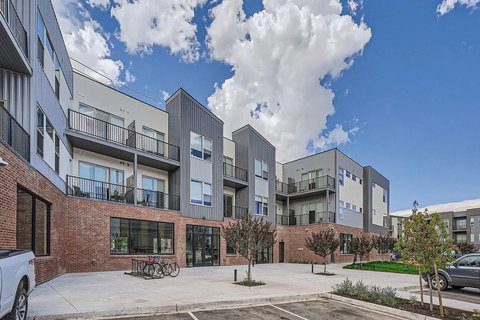
Decoding the “Problem Property”: More Than Just a Rough Facade
At its core, a “problem property” is a home carrying one or more significant defects that pose a substantial financial burden or risk to its occupants and future value. These aren’t always immediately obvious; sometimes the most devastating issues lie just beneath the surface, waiting for an unsuspecting buyer to take possession. In 2025, with increased awareness around environmental impacts and the lasting effects of deferred maintenance from past economic cycles, the definition of a problem property has broadened beyond simple structural damage. It now encompasses a wider array of risks that demand meticulous scrutiny.
The financial implications of acquiring a problem property are vast. Beyond the immediate repair costs, which can easily climb into tens or even hundreds of thousands of dollars, buyers may face ongoing maintenance expenses, increased property insurance premiums (especially in disaster-prone areas), potential legal property disputes, and a significantly hampered ability to sell the home in the future. Imagine investing heavily in what you believe is your dream home, only to discover you’ve bought into a perpetual cycle of unexpected expenses and stress. This is precisely the scenario we aim to help you avoid.
A Deep Dive into the Most Common Problem Property Types
Understanding the specific categories of problem properties is your first line of defense. Each type presents unique challenges and potential costs:
Structural Integrity Nightmares: This category encompasses issues with the very bones of the house. We’re talking about damage to the foundation, significant framing problems, or compromised load-bearing walls.
The Red Flags: Visible cracks in the foundation, bowing walls, uneven floors, doors and windows that don’t close properly, or signs of water intrusion in the basement or crawl space.
The Impact: Structural damage can be extraordinarily expensive to repair, often requiring specialized contractors and extensive work that disrupts daily life. It directly impacts the safety and longevity of the home. A professional structural engineering report is non-negotiable if any of these signs appear during your initial checks. Such a report often costs hundreds, but could save you tens of thousands in the long run.
2025 Context: With extreme weather events becoming more frequent, homes in regions prone to seismic activity, subsidence, or severe storms are increasingly vulnerable to structural degradation, making this a heightened concern.
Environmental Hazards Lurking Beneath: These are silent threats that can significantly impact health and home value.
The Red Flags: Visible mold growth, musty odors (suggesting hidden mold), presence of older building materials (indicating potential asbestos or lead paint), or homes in areas with known radon gas issues or industrial contamination.
The Impact: Mold remediation can be costly and extensive, especially if it’s deeply embedded. Asbestos and lead paint abatement require specialized, certified professionals due to health risks. Radon, an odorless gas, is a known carcinogen, and mitigation systems must be installed. Environmental contamination of soil or water sources near the property can also render a home practically unsellable. These issues directly affect occupant health and can lead to significant environmental assessment costs and potentially reduce future property valuation.
2025 Context: Greater public health awareness and stricter environmental regulations mean these issues are scrutinized more intensely, often delaying sales or requiring mandatory remediation.
The Regulatory Maze: Code Violations and Permitting Headaches: This involves issues where the property doesn’t comply with local building codes or lacks proper permits for modifications.
The Red Flags: Unfinished basement conversions, additions that look “out of place,” electrical panels that seem outdated or amateurishly wired, or significant renovations without visible permits posted.
The Impact: Unpermitted work can be a nightmare. It may not meet safety standards, could require costly demolition and rebuilding to bring it up to code, and can make it extremely difficult to secure financing or sell the home in the future. Insurers may also refuse coverage for unpermitted areas. Navigating these issues often involves fines, delays, and engagement with city planning departments, adding to the real estate attorney fees and overall stress.
2025 Context: Many municipalities are digitizing permit records, making it easier for diligent buyers (and their agents) to research property histories and identify discrepancies.
Battling Nature’s Fury: Disaster-Prone Zones: Homes located in areas with a high risk of natural disasters.
The Red Flags: Properties situated in designated floodplains (check FEMA maps), wildfire-prone areas, earthquake zones, or coastal regions vulnerable to hurricanes and rising sea levels.
The Impact: High risk translates to significantly higher property insurance premiums, especially for flood insurance which is often not covered by standard homeowner policies. Damage from natural disasters can be catastrophic, leading to immense repair costs and prolonged displacement. Even if a home appears structurally sound, its location alone can be a major problem. Understanding climate risk assessment is increasingly vital for long-term investment protection.
2025 Context: With climate change impacts accelerating, insurers are recalibrating risk models, leading to dramatic premium increases or even withdrawal of coverage in certain high-risk zones, making this a critical factor for affordability and long-term ownership.
Location, Location, (Problematic) Location: Sometimes, the house itself is fine, but its surroundings create unavoidable problems.
The Red Flags: Proximity to noisy highways, airports, industrial zones, landfills, high-voltage power lines, or areas with a history of high crime. Also, consider areas undergoing significant, potentially disruptive, future development.
The Impact: Constant noise or pollution can severely degrade quality of life. An undesirable neighborhood can significantly depress property valuation and make resale challenging, regardless of the home’s condition. While not a “fixable” defect of the house, it’s a permanent problem that impacts your living experience and home equity.
2025 Context: The rise of remote work has shifted some priorities, but quiet enjoyment and community safety remain top concerns for most buyers, with easily accessible online data making neighborhood research more transparent than ever.
Hidden Horrors: The Unseen & Unreported: These are defects not typically covered by standard inspections or disclosures.
The Red Flags: Persistent pest infestations (termites, rodents), outdated HVAC systems on their last legs, aging electrical panels, corroded plumbing, or significant deferred maintenance (e.g., a roof that’s visibly old but not yet leaking).
The Impact: While these might seem less dramatic than structural issues, they represent substantial future expenses. Replacing an entire HVAC system or re-plumbing a house can cost tens of thousands. Undetected pest infestations can cause extensive structural damage over time. These often lead to unexpected renovation financing needs shortly after moving in.
2025 Context: Smart home technology can sometimes mask underlying outdated systems if not properly inspected. A home warranty plan can offer a limited safeguard against immediate system failures, but it’s not a substitute for thorough inspection.
Your Shield Against Catastrophe: A Comprehensive Due Diligence Playbook
Successfully navigating the home buying process in 2025 requires a proactive, multi-layered approach to due diligence. Don’t rely solely on the seller’s disclosures; verify everything.
The Non-Negotiable Home Inspection (and Beyond): This is your primary defense.
Standard Inspection: Hire a highly qualified, certified home inspector. They will examine the home’s structure, foundation, roof, HVAC, electrical, and plumbing systems. Attend the inspection yourself and ask questions. A good inspector will provide a detailed report, often with photos, outlining any issues. This is your crucial pre-purchase inspection.

Specialized Inspections: Don’t hesitate to go deeper. If the general inspection raises red flags, or if the home has specific characteristics, consider:
Sewer Scope Inspection: For older homes, this can reveal costly blockages, tree root intrusions, or collapsed pipes.
Radon Testing: Especially important in areas known for elevated radon levels.
Mold Testing: If musty odors or visible mold are present.
Pest Inspection: Termites and other pests can cause extensive, hidden damage.
HVAC Specialist: For complex or older heating/cooling systems.
Roofing Specialist: For older roofs, to assess their remaining lifespan and potential issues.
Asbestos/Lead Paint Testing: For homes built before specific regulatory cut-off dates.
The Power of the Contingency: Always include an inspection contingency in your offer. This allows you to walk away or negotiate repairs/credits if significant problems are found.
Unearthing the Past: Property History & Title Review: Digging into the property’s administrative and legal records.
Title Report: Obtain a comprehensive title report from the county recorder’s office. This document will reveal any liens, easements, boundary disputes, or other encumbrances on the property. These issues can legally complicate ownership or future development. Ensure you invest in title insurance to protect yourself against unforeseen claims to ownership.
Permit History: Contact the local building department to review the property’s permit history. This can reveal if additions or major renovations were done without proper authorization, potentially leading to code violations.
Seller Disclosures: Review all seller disclosures meticulously. While legal obligations vary by state, sellers are typically required to disclose known defects. Be wary if disclosures seem unusually sparse or if they contradict anything you’ve observed.
Previous Sales Data: Research past sale prices and any major market events that might have impacted the property’s value or condition.
Leveraging Local Intelligence: Neighbors and Local Resources: Go beyond the property lines.
Talk to the Neighbors: This often-overlooked step can provide invaluable insights. Neighbors might share stories about past problems, drainage issues, neighborhood disputes, or the general character of the area.
Community Forums & Local News: Online community groups or local news archives can highlight ongoing issues, development plans, or even crime trends impacting the neighborhood.
City Planning & Zoning Departments: These departments can inform you about future development projects, zoning changes that might affect your property, or any known neighborhood issues like recurring flooding.
Local Police Reports: For insights into neighborhood safety and crime statistics.
Strategic Reconnaissance: The Drive-By and Walk-Around: Observing the property and its surroundings at different times.
Multiple Visits: Visit the property at different times of day (morning, afternoon, evening) and on different days of the week. What’s the traffic like? Is it noisy at night? Are there any strange smells from nearby businesses?
Neighborhood Vibe: Walk or drive around the immediate neighborhood. Are other homes well-maintained? Are there signs of neglect? Observe the overall ambiance and consider if it aligns with your lifestyle.
Future Development Signs: Look for vacant lots, construction sites, or “For Sale” signs that might indicate significant changes in the area. Are there any potential developments that could negatively impact your views, noise levels, or traffic?
Financial Foresight: Budgeting for the Unexpected: Even with thorough diligence, some unforeseen issues can arise.
Contingency Fund: Always budget a contingency fund for unexpected repairs or immediate upgrades after closing. A good rule of thumb is 1-3% of the purchase price annually for maintenance, with a larger initial buffer.
Renovation Financing: Understand your options for renovation financing if you plan major updates or if unexpected issues arise.
Home Warranty Plans: While not a substitute for an inspection, a home warranty can provide some peace of mind for the first year, covering repairs or replacements of major systems (HVAC, plumbing, electrical) and appliances. Research reputable providers and understand coverage limitations.
The Power of Professional Guidance: Assemble your expert team.
Experienced Buyer’s Agent: A knowledgeable real estate agent who specializes in your desired area can guide you through the process, recommend trusted inspectors, and help negotiate on your behalf.
Real Estate Attorney: Especially crucial in states where attorneys are involved in closing, but highly recommended everywhere to review contracts, title documents, and advise on any complex legal issues arising from inspections. Their expertise can save you from costly legal property disputes down the line.
Specialized Professionals: Don’t hesitate to bring in a structural engineer, environmental specialist, or other experts if their specific expertise is warranted.
The Investment Perspective: Why Avoiding Problem Properties Pays Off
In 2025, buying a home is not just about finding a place to live; it’s a significant real estate investment. A problem property, regardless of its initial “bargain” price, rarely yields a positive long-term return. The constant drain of repair costs, the stress of dealing with systemic issues, and the inevitable impact on resale value negate any perceived savings. Conversely, investing in a sound property, even if it means paying a bit more upfront, safeguards your home equity, minimizes future financial strain, and provides the peace of mind that comes with owning a stable asset.
By diligently following these steps, you’re not just avoiding problems; you’re actively building a foundation for a secure and enjoyable homeownership experience. This proactive approach ensures that your hard-earned money is invested wisely, leading to a property that truly appreciates in value and serves as a reliable asset for years to come.
Conclusion
Buying a home in 2025 is an exhilarating journey, but it’s one that demands vigilance and an educated approach. The allure of a seemingly perfect deal can sometimes mask a multitude of problems, turning a dream into a financial burden. By understanding the various forms a problem property can take and implementing a comprehensive due diligence strategy—from thorough inspections and property history reviews to engaging with local resources and assembling a team of trusted professionals—you empower yourself to make a truly informed decision. Don’t let hidden defects or unforeseen complications compromise your financial future. Be diligent, be prepared, and step into your new home with confidence, knowing you’ve secured a sound investment for years to come.