The Biophilic Revolution: Architecting Wellness into America’s Apartments for 2025 and Beyond
For over a decade, my work in real estate development and urban planning has granted me a front-row seat to the evolution of how we live, especially within the increasingly dense tapestry of American cities. While the clamor for smart tech and amenity-rich spaces has dominated headlines, a profound, more elemental shift is quietly reshaping the future of multi-family housing: the biophilic revolution. As we stand on the cusp of 2025, it’s clear that the mere integration of nature into apartment design is no longer a niche trend but a critical imperative, fundamentally redefining urban living and delivering unprecedented value to residents, developers, and investors alike.
We’re emerging from an era that acutely highlighted the fragility of our well-being and the paramount importance of our immediate environment. The demand for homes that nurture, rather than just house, has exploded. Biophilic homes – apartments designed with an intentional, deep connection to nature – are the answer. They leverage our innate human drive to affiliate with life and living systems, a concept known as biophilia, to create spaces that don’t just exist but thrive, fostering mental acuity, physical health, and emotional balance.
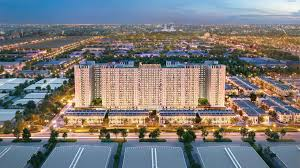
Decoding Biophilic Design in the 2025 Urban Landscape
So, what exactly elevates an apartment to a “biophilic home” in the modern context? It’s far more sophisticated than simply adding a potted plant. Biophilic design is a holistic, scientifically-backed approach that integrates natural elements, processes, and patterns into the built environment to enhance human health and well-being. It’s about crafting experiences that mimic the restorative qualities of the natural world, even within high-rise structures.
In 2025, truly biophilic apartments are characterized by:
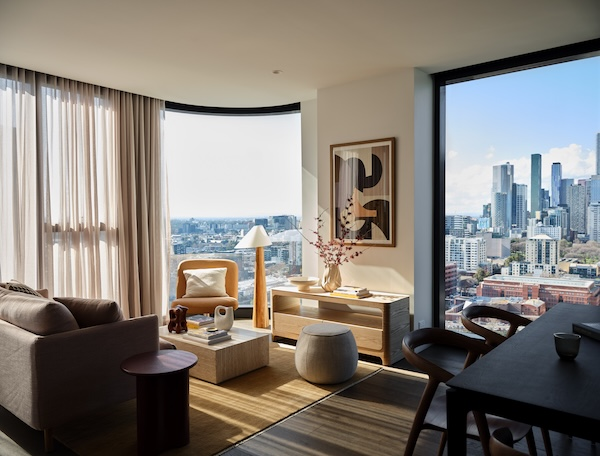
Abundant, Dynamic Natural Light: Beyond mere windows, we’re seeing sophisticated daylighting strategies. This includes floor-to-ceiling glazing, strategically placed skylights, light shelves that bounce natural light deep into interior spaces, and intelligent dynamic glass that adjusts tint to optimize light and heat gain. The goal is to maximize circadian-rhythmic exposure, supporting natural sleep-wake cycles and reducing dependency on artificial illumination, thereby lowering energy consumption.
Integrated Living Greenery: This is no longer just about a few succulents. We’re talking vertical gardens and living walls that aren’t just aesthetic but functional, improving indoor air quality by filtering toxins and regulating humidity. Biophilic apartments often feature expansive private balconies or terraces designed for substantial planting, accessible rooftop gardens, and even community urban farms, fostering both nature connection and resident engagement. Advanced irrigation systems and native plant selections further enhance sustainability.
Natural and Sustainable Materials: The tactile experience is paramount. Expect widespread use of responsibly sourced wood (FSC certified), natural stone, bamboo, cork, recycled content materials, and innovative biocomposites. These materials are chosen not only for their aesthetic appeal and lower environmental footprint but also for their non-toxic properties, contributing to a healthier indoor environment. The emphasis is on materiality that evokes warmth, authenticity, and a connection to the earth. Developers are increasingly targeting certifications like LEED Platinum apartments or WELL Building Standard residential projects to validate these material choices.
Sensory Water Features: The calming sound and visual presence of water are powerful biophilic elements. This can range from elegant indoor fountains in common areas to rainwater harvesting systems that feed visible runnels or reflective ponds in courtyards. Such features not only provide auditory and visual serenity but can also contribute to microclimate regulation and promote water conservation efforts within the building.
Seamless Indoor-Outdoor Integration: The traditional barrier between inside and outside dissolves. Large operable glass walls, expansive patios, and thoughtfully designed private outdoor spaces become extensions of the living area. Shared amenities often include extensively landscaped courtyards, rooftop parks, and direct access to urban greenways, promoting physical activity and social interaction within a natural setting. The focus is on making nature accessible and part of daily life.
Biophilic Color Palettes and Textures: Design schemes draw inspiration directly from nature, incorporating earthy tones like deep greens, serene blues, and warm browns. Textures that mimic natural patterns – the grain of wood, the roughness of stone, the organic flow of water – are employed to create visually and tactually rich environments that evoke tranquility and comfort. Pattern and form are also crucial, replicating fractal patterns found in nature to reduce stress.
Optimized Air Quality and Thermal Comfort: Beyond plants, advanced HVAC systems with high-efficiency filtration, natural ventilation strategies, and monitoring for volatile organic compounds (VOCs) are standard. Thermal comfort is achieved through high-performance building envelopes, smart thermostats, and even passive design strategies, ensuring a consistently comfortable and healthy internal climate without excessive energy costs.
Acoustic Design for Serenity: Minimizing urban noise pollution while integrating calming natural sounds is a key consideration. This involves high-performance windows, sound-dampening materials, and the thoughtful incorporation of white noise from water features or subtle nature soundscapes, creating peaceful sanctuaries away from the city’s din.
Why Biophilic Homes Are Surging: The 2025 Market Imperative
The exponential rise of biophilic apartment construction isn’t just a design fad; it’s a strategic response to evolving consumer demands, environmental pressures, and undeniable economic benefits.
The Wellness Mandate: Elevating Resident Health and Productivity
Post-pandemic life has cemented wellness as a top priority for homeowners and renters. Biophilic design directly addresses this by creating spaces that actively promote physical and mental health. Studies consistently demonstrate that exposure to natural elements leads to:
Reduced Stress and Anxiety: Views of nature, access to green spaces, and natural light exposure lower cortisol levels and foster a sense of calm. This translates into happier, more stable residents.
Improved Cognitive Function: Environments rich in natural patterns and stimuli have been shown to enhance focus, creativity, and problem-solving abilities.
Enhanced Mood and Well-being: Connection to nature combats feelings of isolation, boosts positive emotions, and can even alleviate symptoms of depression.
Better Sleep Quality: Optimized natural light exposure helps regulate circadian rhythms, leading to more restorative sleep.
For individuals seeking healthy urban living options and developers aiming to provide superior tenant experiences, the wellness benefits of biophilic design are a powerful differentiator, commanding a premium in the market.
Environmental Leadership: A Cornerstone of Sustainable Development
In an era of escalating climate concerns, sustainability is no longer optional; it’s a fundamental expectation. Biophilic apartments are inherently aligned with eco-friendly principles, offering tangible environmental benefits:
Reduced Carbon Footprint: Through the use of natural, local, and recycled materials, high-efficiency systems, and integrated green infrastructure, biophilic buildings significantly lower their operational and embodied carbon emissions.
Enhanced Biodiversity: Rooftop gardens, vertical farms, and thoughtful landscaping can create vital urban habitats, supporting local flora and fauna.
Improved Urban Ecosystem Services: Green roofs and permeable surfaces aid in stormwater management, reduce the urban heat island effect, and improve local air quality, providing benefits far beyond the building’s footprint.
Water Conservation: Rainwater harvesting, greywater recycling, and drought-tolerant landscaping minimize potable water consumption.
Developers embracing sustainable apartment construction are not only meeting regulatory demands but are also appealing to a growing segment of environmentally conscious tenants and investors focused on ESG (Environmental, Social, Governance) performance.
Unlocking Superior Financial Returns: The Green Premium in Real Estate
The financial upside of biophilic development is becoming increasingly undeniable. This isn’t just about a feel-good investment; it’s about smart business.
Higher Property Values and Rents: Biophilic properties consistently command a “green premium,” with studies showing higher rental rates and sale prices compared to conventional buildings. The unique value proposition of wellness and sustainability attracts discerning residents willing to pay for these benefits.
Faster Lease-Up Rates and Lower Vacancy: The distinct appeal of biophilic design accelerates the leasing process, minimizing costly vacancies and ensuring consistent cash flow.
Reduced Operational Costs: Energy-efficient design, water-saving features, and durable natural materials lead to lower utility bills and maintenance expenses over the long term, enhancing net operating income (NOI).
Increased Asset Resilience: Biophilic elements, such as green roofs and natural ventilation, can contribute to a building’s resilience against extreme weather events and provide a buffer against rising energy costs.
Investor Attraction (ESG Investing): With the surge in ESG-focused real estate investment, biophilic projects are highly attractive to institutional investors seeking sustainable, high-performing assets with positive social impact. This often translates to better access to capital and more favorable financing terms.
For real estate developers and investors seeking high ROI green building projects, biophilic apartments represent a robust and future-proof investment strategy.
Fostering Community and Connection: A Social Imperative
In an increasingly digitized and sometimes isolated world, biophilic design offers a powerful antidote. Shared green spaces, community gardens, and inviting outdoor amenities encourage social interaction, combat loneliness, and build a stronger sense of community among residents. These spaces become natural gathering points, fostering connections that enhance the overall living experience and contribute to resident retention.
Technological Synergy: Smart Biophilia
The advancement of smart home technology in 2025 further amplifies the biophilic experience. Automated climate control systems can optimize natural ventilation, dynamic lighting adjusts to circadian rhythms, smart irrigation systems manage vertical gardens efficiently, and even air quality sensors provide real-time feedback, empowering residents to actively manage their healthy indoor environment. This integration creates a seamless, intuitive living experience that marries nature with cutting-edge convenience, appealing to residents seeking smart green apartments.
The Evolution of Apartment Living: Beyond the Concrete Jungle
Comparing the traditional apartment model with the biophilic vision reveals a clear trajectory for urban development in the US.
| Aspect | Traditional Apartments (Past/Current Baseline) | Biophilic Homes (2025 Standard) |
|---|---|---|
| Philosophy | Shelter, utility, maximizing density. | Nurturing well-being, ecological integration, holistic living. |
| Natural Light | Often limited, reliant on artificial lighting. | Abundant, dynamic, optimized for circadian rhythms and energy saving. |
| Greenery | Minimal, primarily ornamental landscaping. | Abundant, integrated living systems (walls, roofs, private/communal). |
| Materials | Often synthetic, driven by cost, higher VOCs. | Natural, sustainable, non-toxic, locally sourced (wood, stone, bamboo). |
| Outdoor Access | Small balconies, generic common areas. | Expansive private terraces, functional rooftop gardens, direct nature access. |
| Indoor Air Quality | Variable, potential for off-gassing, poor filtration. | Actively managed, filtered, ventilated, monitored, plants contribute. |
| Health & Wellness | Incidental, often overlooked. | Core design principle, measurable benefits (stress, sleep, mood). |
| Environmental Impact | Higher operational carbon, material waste. | Significantly lower operational & embodied carbon, biodiversity support. |
| Property Value | Stable, market-dependent. | Increasing, premium pricing, stronger long-term asset appreciation. |
| Technology Role | Convenience, entertainment. | Enhancing wellness, optimizing sustainability, smart biophilia. |
| Community | Amenity-driven (gym, lounge). | Nature-driven social spaces, fostering authentic connection. |
This isn’t merely an upgrade; it’s a fundamental paradigm shift. Biophilic homes transcend the basic function of housing to become restorative ecosystems, active contributors to urban sustainability, and powerful drivers of human thriving.
Navigating the Future: Challenges and Opportunities for Developers
While the benefits are clear, widespread adoption of biophilic design isn’t without its challenges. The perception of higher upfront construction costs, the need for specialized design and construction expertise, and navigating existing zoning and building codes can be hurdles. However, these are increasingly being overcome by:
Innovative Financing: Green bonds, ESG-linked loans, and government incentives for sustainable development are making biophilic projects more financially viable.
Modular and Prefabricated Construction: These methods can reduce construction timelines and costs for certain biophilic elements, making them more accessible.
Growing Expertise: A new generation of architects, landscape designers, and contractors are specializing in biophilic principles, building out the necessary talent pool.
Stronger Regulatory Support: Cities are increasingly adopting green building codes and offering density bonuses or fast-track permitting for projects that incorporate significant sustainability and biophilic features.
The opportunity for developers lies in being early movers and thought leaders in this space. Those who master biophilic apartment development will not only capture a premium market share but will also build a reputation for innovation, responsibility, and delivering true value – both human and financial.
The Biophilic Horizon: What’s Next for US Apartment Living
Looking beyond 2025, the biophilic revolution will continue to deepen and broaden its impact. We can anticipate:
Hyper-Personalized Biophilic Spaces: AI-driven design tools will allow residents to customize their immediate biophilic environment, from light spectrums to plant choices and scent profiles.
Biophilic Cities and Districts: The integration of nature won’t stop at the building edge but will extend to entire neighborhoods, creating interconnected green networks, climate-resilient infrastructure, and therapeutic urban landscapes.
Circular Economy Integration: Biophilic homes will increasingly incorporate materials that can be fully reused or recycled at the end of their lifecycle, minimizing waste and maximizing resource efficiency.
“Living Buildings”: Future structures will not only be influenced by nature but will actively mimic biological processes – cleaning their own air, generating their own energy, and even growing food, moving closer to true regenerative design.
Embrace the Green Standard: Your Invitation to Innovate
The evidence is overwhelming, and the market is speaking: the future of apartment construction in the United States is undeniably biophilic. As a developer, investor, or urban planner, this isn’t merely a trend to observe; it’s an opportunity to lead. By embracing biophilic design, you’re not just building apartments; you’re crafting vibrant ecosystems, enhancing human well-being, delivering robust financial returns, and contributing to a more sustainable, resilient urban future.
Don’t be left behind in the concrete jungle. Explore how biophilic design can transform your next project, elevate your portfolio, and genuinely enrich the lives of future residents. Connect with an expert today to strategize your entry into the thriving biophilic real estate market. The time to build better, healthier, and greener homes for America is now.