
Decoding Real Estate Investment with a 2 Billion VND Budget: Apartment vs. Land in the Current Market
For many aspiring real estate investors, the question of how to best deploy a 2 billion VND (approximately $80,000 USD, subject to currency fluctuations) capital can be a significant crossroads. This sum, while not astronomical in the grand scheme of real estate, certainly warrants careful consideration. As an industry professional with a decade of experience navigating the nuances of the property market, I’ve seen firsthand how crucial strategic allocation can be. The choice between purchasing an apartment or a plot of land isn’t a simple one; it involves a complex interplay of market dynamics, personal risk tolerance, and long-term financial objectives. This isn’t just about buying property; it’s about making an informed decision that aligns with your financial future, especially as we move through 2025.
The Apartment Conundrum: Affordability and Liquidity

When we talk about acquiring an apartment with a 2 billion VND budget, the landscape, particularly in major urban centers like Ho Chi Minh City or Hanoi, presents a nuanced picture. Realistically, this price point primarily positions you within the affordable housing segment or, potentially, the older, established apartment stock. Expect to find units offering approximately two bedrooms and two bathrooms, often in buildings that have seen a few years of occupancy. The dream of snagging a brand-new, two-bedroom apartment in a prime, modern development with this budget becomes a challenging proposition. The rising construction costs and land values in desirable areas mean that new builds are often priced at a premium, making them largely inaccessible for this investment tier.
Investing in older apartments, however, does present certain advantages. The primary benefit is often a more accessible entry price. Crucially, for investment purposes, a “pink book” – the Vietnamese equivalent of a freehold title deed – is non-negotiable. This legal document is your assurance of clear ownership and significantly smooths the path for future resale. The average annual price appreciation for well-located, older apartments typically hovers between 5% and 8%. While this might seem modest, it’s a steady, predictable growth. However, the liquidity of the apartment market can be a significant consideration. Selling an apartment often requires patience, as you’ll need to find a buyer who not only appreciates the property’s attributes but also has the financial wherewithal to make a purchase. This underscores the importance of meticulous due diligence regarding location, access to transportation networks, proximity to essential amenities, and, above all, the legal standing of the property. Choosing a unit in an area with robust infrastructure and a strong community feel can mitigate the risk of being forced to sell at a discount due to a lack of buyer interest.
Land Investment: Higher Potential Returns, Higher Risk Profile
Turning our attention to land, the 2 billion VND investment threshold opens up different opportunities, particularly in the peripheral districts of major cities or in burgeoning provincial areas. For residential land, you might be looking at plots in the range of 50 to 60 square meters. If your investment strategy leans towards agricultural land, the same capital could potentially acquire significantly larger parcels, spanning several hundred to thousands of square meters, in provinces further afield from the urban core, such as Hoa Binh, Bac Giang, or Thai Nguyen.
The allure of land investment often lies in its potential for higher returns. Historically, the land market has demonstrated average profit fluctuations ranging from 15% to 20% annually. However, this higher profit margin comes with a caveat: a longer investment horizon. Realizing these gains typically requires holding the property for at least two to three years, provided there are favorable infrastructure developments and complete legal documentation. This aligns with a fundamental principle in investing: profit is directly proportional to risk. The greater the potential reward, the higher the inherent risks involved.
The land market, especially in developing areas, is rife with potential pitfalls. Agricultural land, for instance, carries the inherent risk of remaining agricultural, thus limiting its development potential and resale value unless rezoned for residential use – a process that can be lengthy and uncertain. Project land, often marketed by smaller, regional developers, can be particularly opaque. These companies may focus on a single province, generate demand through aggressive marketing, and then move on. Their commitment and long-term reputation might not be as robust as that of larger, established real estate conglomerates with a diversified portfolio.
Furthermore, information in the land market can be heavily influenced by brokers and market sentiment. Inflated expectations regarding future infrastructure, major investor involvement, or anticipated planning changes can create artificial price surges and foster a “fear of missing out” (FOMO) among potential investors. This pressure can lead to hasty decisions, bypassing crucial legal and price verification steps.
Legality is paramount when dealing with subdivided land. Many provinces have complex regulations regarding land division, and some developers may operate with unapproved 1/500 scale master plans. Investors can fall prey to misleading contracts that mention “agreeing to buy a part of the project’s land plot,” inadvertently leading to shared ownership certificates rather than individual, transferable titles. The price of land is often speculative, reflecting future potential rather than current market value. Investors may find themselves paying for a vision that is yet to materialize, with lengthy delays in infrastructure development and legal approvals. To mitigate these risks, always insist on purchasing land with a clear, individual title deed (certificate) that accurately reflects the land type and agreed-upon terms. Thoroughly research local land-use plans and compare prices with neighboring areas to avoid overpaying due to speculative inflation.
Navigating the Risks: A Comparative Outlook
While both apartments and land investments have their inherent risks, the nature of these challenges differs significantly. For apartments, even those with a clear title deed, unforeseen issues can arise. The scarcity of completed projects with readily available title deeds can mean long waiting periods before you can even list a property for sale. Similarly, finding a buyer who aligns with your selling price and timeline can be a protracted process. The quality of building management, security, and general upkeep are critical factors that impact long-term value and tenantability.
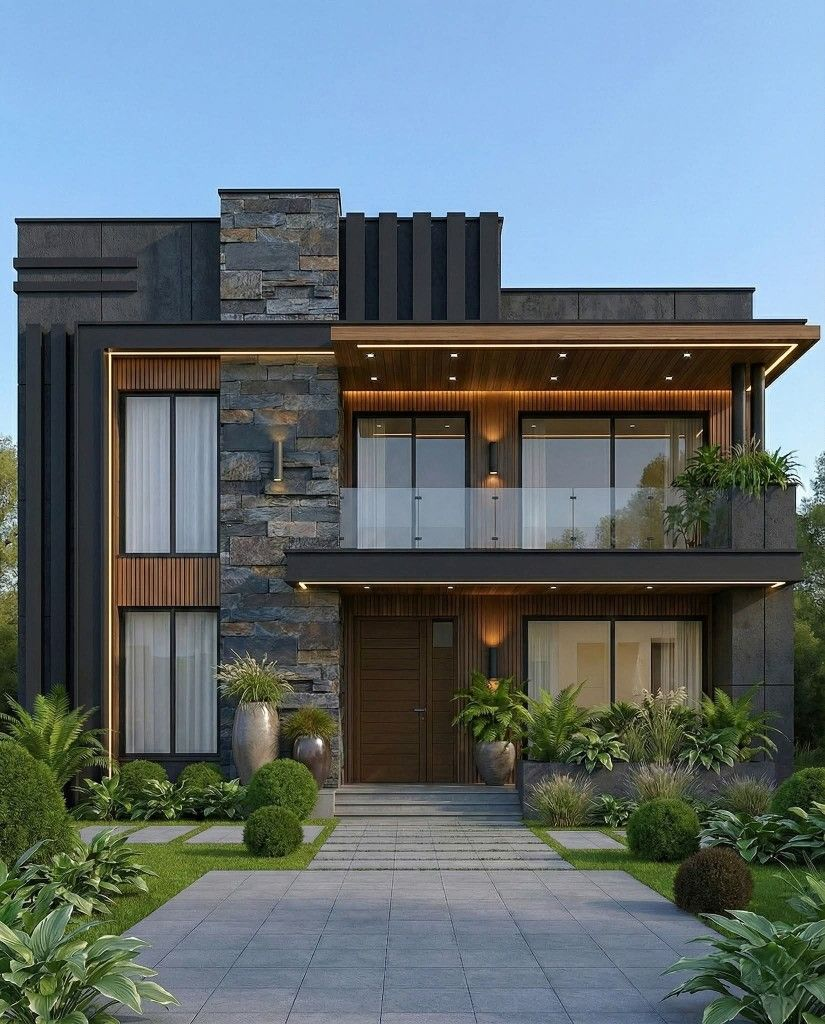
Apartments also face the challenge of depreciation and obsolescence. Building materials degrade, and design trends evolve, leading to a slower rate of appreciation compared to land. The typical 50-year ownership period for apartments, while long-term, can also be a point of concern for some investors considering the very distant future.
Investing in off-plan apartments (projects under construction) amplifies these risks. The financial stability and execution capability of the developer become paramount. A lack of proper legal documentation, such as an approved 1/500 master plan, can cast a shadow over the project’s legitimacy and the legality of sales. Investors must scrutinize the quality of the model units against the actual construction, assess the potential for oversupply within the same project (which can hinder resale), and be wary of discrepancies in design, unit size, or floor orientation, which can impact feng shui and marketability.
Expert Guidance: Capital Preservation and Strategic Allocation
As an expert with a decade in this field, my primary advice for anyone considering real estate investment with a 2 billion VND budget is to prioritize capital preservation. Profitability, while desirable, should be a secondary consideration after ensuring the security of your principal investment.
Your personal circumstances should heavily influence your decision. Do you currently need a place to live, or is this purely a financial venture? If settling down is a priority, acquiring a completed apartment with a clear title deed offers immediate utility and the potential for modest capital appreciation over time. You can reside in it for a few years and then consider selling if market conditions are favorable.
However, if your primary objective is to maximize cash flow and you have the capacity to accept higher risk and are comfortable with continued renting, then land investment might be a more suitable path. The potential for higher returns over a three-to-five-year horizon in the land market can outpace that of apartments.
Ultimately, the key lies in defining your risk tolerance. How much uncertainty are you willing to embrace? Once you’ve established this, you can then set realistic profit expectations and make a choice that resonates with your personal financial philosophy. Whether it’s an apartment, residential land, or even agricultural land with long-term development potential, understanding the market and your own financial objectives is the bedrock of successful real estate investment.
Your Next Step in Real Estate Investment
Navigating the complexities of real estate investment can be daunting, but with the right knowledge and a strategic approach, the 2 billion VND budget can be a powerful tool for wealth creation. If you’re ready to explore your options further and gain personalized insights tailored to your specific goals, consider reaching out to a qualified real estate advisor. They can provide a deeper dive into the current market conditions, local opportunities, and help you craft an investment strategy that aligns with your risk appetite and financial aspirations.