
Decoding Your Dream Home: Mastering Property Area Calculations for Smarter Investments in 2025
For the seasoned real estate investor or the hopeful first-time homeowner, the journey toward acquiring property is often paved with a labyrinth of jargon. Among the most critical, and frequently misunderstood, are the various definitions of property area: carpet area, built-up area, RERA built-up area, and the ever-elusive super built-up area. Grasping these fundamental metrics is not merely a matter of due diligence; it’s the bedrock of making sound financial decisions, ensuring you secure true value, and avoiding costly misinterpretations in today’s dynamic property market. As an industry professional with a decade of hands-on experience navigating these complexities, I’ve witnessed firsthand how a clear understanding of property area calculations can transform a potentially confusing transaction into a confident acquisition.

In 2025, with the real estate landscape continuously evolving, especially with advancements in smart homes and flexible living spaces, a precise understanding of what you’re truly buying has never been more vital. This comprehensive guide aims to demystify these crucial area measurements, providing you with the expert insight needed to confidently assess properties, negotiate effectively, and ultimately, invest wisely in your future. We’ll break down each term, explore their implications, and equip you with practical strategies for navigating the intricate world of real estate measurements.
The Bedrock: Understanding the Core Area Metrics
At its heart, understanding property area is about defining usable space versus shared amenities. Each measurement serves a distinct purpose, and their interplay dictates the perceived value and actual livability of a property. Let’s delve into the foundational definitions:
Carpet Area: The True Living Space
The carpet area is the most direct and tangible measurement of your living space. It represents the net usable floor area within the internal walls of your apartment. Imagine unfurling a carpet across every room – the area it covers is essentially your carpet area. Crucially, it excludes:
External walls: The thickness of the walls that form the exterior of your unit.
Structural shafts: Areas dedicated to essential building services like ventilation shafts, electrical conduits, and plumbing risers.
Exclusive balconies and terraces: These are often measured separately and are not considered part of the primary carpeted living space, though they contribute to the overall livability and enjoyment of the property.
Think of the carpet area as the space where you can comfortably place your furniture, walk freely, and engage in your daily activities without obstruction. It’s the most honest reflection of the practical, habitable space you’ll be occupying. For many buyers, especially those focusing on affordable housing in major metro areas or seeking efficient apartment designs, the carpet area is the most significant factor influencing their purchasing decision and the ultimate value of residential property.
Built-Up Area: Expanding the Footprint
Moving beyond the immediate living space, the built-up area provides a more encompassing view of the internal dimensions of your apartment. It includes the carpet area plus the thickness of all internal walls and exclusive areas within your unit. Specifically, it adds:
Internal walls: The walls that divide rooms within your apartment.
Exclusive balcony or terrace area: While excluded from carpet area, these are considered part of the built-up area of the unit itself.
Exclusive corridor area (if any): If your apartment has a private corridor leading solely to its entrance, this would also be included.
The built-up area offers a broader perspective, reflecting the entire enclosed space of your apartment unit before any common areas are factored in. It’s the total area within the perimeter of your apartment’s walls. Understanding this metric helps in visualizing the overall scale of your unit, including the space occupied by partitions. For developers marketing luxury apartments in Los Angeles or premium homes in New York City, the built-up area offers a more substantial figure than the carpet area, influencing marketing narratives.
RERA Built-Up Area: Standardizing for Transparency
The introduction of the Real Estate (Regulation and Development) Act, 2016 (RERA) brought about significant changes aimed at enhancing transparency and accountability in the real estate sector. One of these key changes was the standardization of area measurements. The RERA built-up area is a refined version of the built-up area, designed to create a more uniform and comparable metric across different projects.
Under RERA guidelines, the RERA built-up area typically includes:
The carpet area.
The area occupied by internal walls.
The area of exclusive corridors.
What it generally excludes, and this is a critical distinction, is the area of the exclusive balcony or terrace. This exclusion was a deliberate move to ensure that comparisons between properties are more accurate, as the size and inclusion of balconies can vary significantly between projects. For buyers navigating the market for RERA-registered properties or seeking verified real estate investments, the RERA built-up area offers a more reliable benchmark for comparing apartment sizes and understanding the developer’s disclosed space allocation. This standardization is crucial for making informed decisions, especially when considering real estate investment opportunities in Florida or condominium purchases in Chicago.
Super Built-Up Area: The All-Encompassing Metric
The super built-up area is the most expansive measurement, encompassing your individual apartment’s space along with a proportional share of the building’s common amenities and areas. This is the figure most commonly used by developers for pricing properties. It is calculated by adding a loading factor to the built-up area, which represents your share of:
Lobbies and common corridors: The welcoming spaces and hallways shared by all residents.
Staircases and elevators: Essential vertical transportation systems.
Clubhouses, swimming pools, and gyms: Recreational facilities provided for residents.
Maintenance rooms and utility areas: Spaces dedicated to the building’s upkeep.
Common parking spaces: If applicable, a portion of the common parking infrastructure might be factored in.
Essentially, the super built-up area reflects the total footprint of the property that you, as a unit owner, have a stake in. It’s a way for developers to allocate the cost and space of shared amenities across all units. While it provides a comprehensive picture, it’s also the most prone to variations and inflated figures if not clearly understood. When discussing real estate development in Texas or exploring new construction homes in Arizona, understanding the super built-up area and its components is paramount to discerning value.
Deconstructing the Differences: A Clearer Perspective
The distinction between these area measurements can seem subtle, but their impact on property valuation and your perceived living space is profound. Let’s summarize the key differences to solidify your understanding:
| Area Measurement | Definition | Exclusions | Inclusions |
| :——————– | :—————————————————————————— | :——————————————————————————— | :———————————————————————————————————– |
| Carpet Area | Usable floor area within the internal walls of the apartment. | External walls, structural shafts, exclusive balconies/terraces. | Internal walls that divide rooms within the unit. |
| Built-Up Area | Total area enclosed by the apartment’s walls, including internal structures. | None (within the apartment’s perimeter). | Carpet area, internal walls, exclusive balconies/terraces, exclusive corridors (if any). |
| RERA Built-Up Area| Standardized built-up area, emphasizing transparency and comparability. | Exclusive balconies/terraces (often, subject to specific RERA state rules). | Carpet area, internal walls, exclusive corridors (if any). |
| Super Built-Up Area| Total footprint including individual space and a proportionate share of common areas. | None (it’s an additive calculation). | Built-up area (or RERA Built-up area) + proportionate share of common areas (lobbies, amenities, etc.). |
Understanding these differences is not just academic; it directly influences your perception of value and the actual utility of the space you’re purchasing.
Carpet Area: This is your true living space. When you envision where your sofa will go or how much room you’ll have for a dining table, you’re thinking in terms of carpet area. It’s the most critical metric for assessing the functional size of your home and is often a key differentiator in real estate market analysis.
Built-Up Area: This offers a slightly larger perspective, accounting for the wall thickness that defines your unit. It gives a sense of the overall physical space occupied by your apartment.
RERA Built-Up Area: This metric aims to level the playing field. By standardizing inclusions and exclusions, it allows for more accurate comparisons between properties, crucial for making informed decisions in competitive markets like property listings in San Francisco or real estate deals in Seattle.
Super Built-Up Area: This is the marketing figure. While it includes amenities you’ll enjoy, it also means you’re paying for a portion of spaces you may not use exclusively. It’s vital to understand the loading factor applied to arrive at this figure. For buyers of luxury real estate in Miami or upscale homes in Denver, this metric often dictates the advertised price.
The Real Estate Transaction: Where Area Matters Most
The way these area measurements are used directly impacts how property prices are determined and how transactions are structured. Developers often quote prices based on the super built-up area. This means that a significant portion of the quoted price is allocated not just to your apartment’s internal space, but also to the common areas and amenities that enhance the overall living experience for all residents.
This practice makes it imperative for buyers to conduct their own due diligence. A property advertised with a higher super built-up area might not necessarily offer more usable living space if the loading factor for common areas is excessively high. To ensure fairness and accuracy, it is always advisable to compare properties based on the same area measurement, ideally the carpet area or RERA built-up area, to get a true sense of the value proposition. This diligence is especially important when considering investment properties in Austin or condo purchases in Portland.
A Practical Example: Unpacking the Super Built-Up Area
Let’s illustrate with a common scenario. Suppose you’re looking at an apartment advertised with a super built-up area of 1,500 square feet. Upon closer inspection and with guidance from a knowledgeable agent or through your own calculations, you discover:
Carpet Area: 1,000 sq ft
Built-Up Area: 1,150 sq ft (including internal walls and a small exclusive balcony)
Super Built-Up Area: 1,500 sq ft
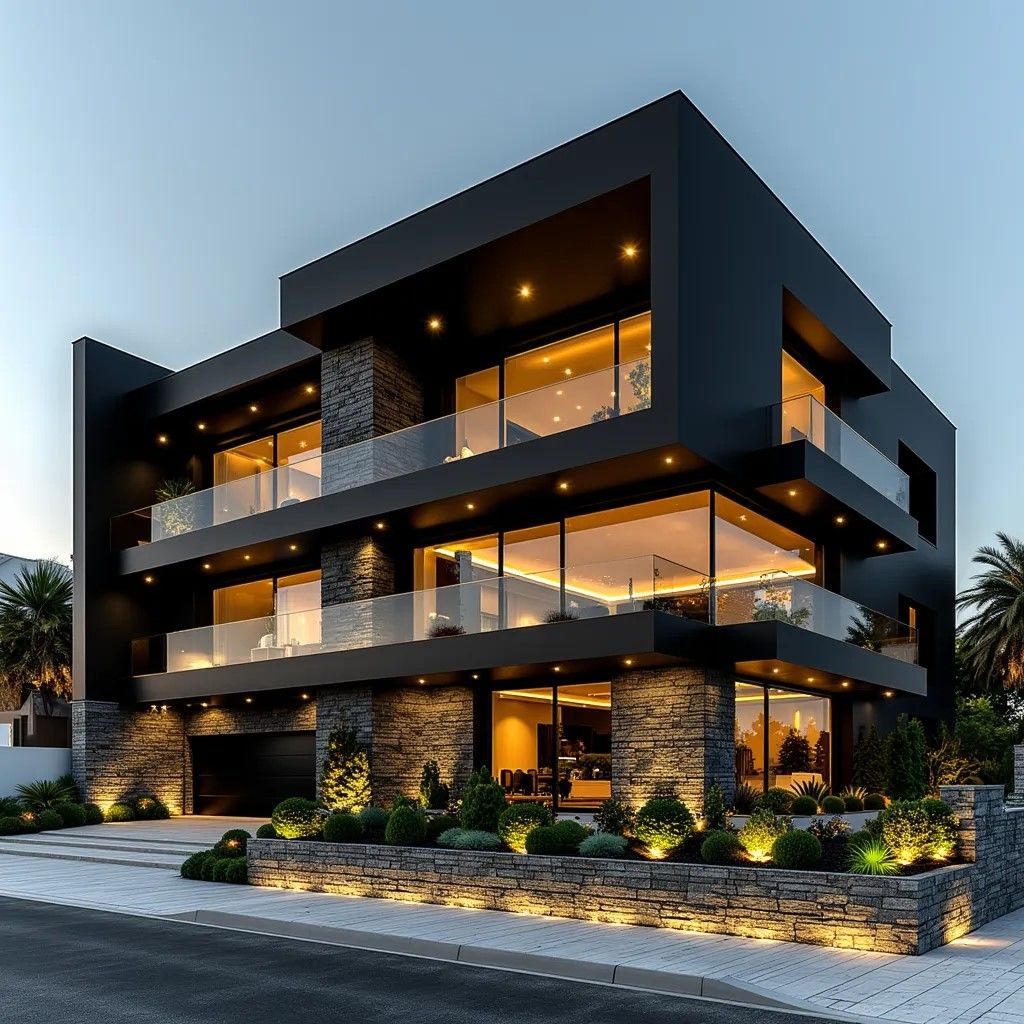
In this example, the remaining 350 sq ft (1,500 – 1,150) represents your proportionate share of the common areas and amenities. This translates to approximately 23.3% of the total area being allocated to shared spaces. This isn’t inherently bad; it simply means that a portion of your investment covers the shared infrastructure and lifestyle enhancements of the building. However, understanding this breakdown allows you to critically assess whether the price you’re paying aligns with the actual usable space and the value of the shared amenities. For those seeking high-yield real estate investments or understanding property price per square foot, this level of detail is non-negotiable.
Expert Strategies for Savvy Buyers in 2025
Navigating the complexities of property area calculations requires a strategic approach, especially as the market continues to innovate with smart home integration and flexible living concepts. Here are some actionable tips from my years of experience to empower your real estate journey:
Demand Clarity on Area Metrics: Never assume. Always ask for explicit clarification on which area measurement is being used in advertisements, brochures, and sale agreements. Insist on seeing the breakdown and understand the basis of the calculation. This is especially crucial when considering off-plan property purchases or exploring new development projects in major cities.
Prioritize Carpet Area for Usable Space: For your personal comfort and daily living, the carpet area should be your primary focus. Calculate it meticulously. A larger carpet area usually translates to more functional living space, regardless of the other metrics. If a developer is hesitant to provide a clear carpet area, it’s a potential red flag.
Compare Apples to Apples: When evaluating multiple properties, ensure you are comparing them using the same area metric. If one property is advertised by super built-up area and another by RERA built-up area, do the necessary conversions or request the carpet area figures for both to make an accurate comparison. This is vital for understanding the true cost of real estate per square foot.
Understand the Loading Factor: For the super built-up area, inquire about the loading factor – the percentage added to the built-up area to arrive at the super built-up area. A typical loading factor can range from 15% to 30% or more, depending on the amenities offered. A very high loading factor might indicate that a substantial portion of your payment is for shared spaces. Understanding the average loading factor in new construction can be insightful.
Factor in Lifestyle Needs: Your lifestyle dictates what kind of area measurement is most important. If you’re a frequent traveler or rarely use amenities, a larger carpet area might be more appealing than a property with extensive common facilities. Conversely, if you value community living and access to amenities like gyms and pools, the super built-up area becomes more relevant, provided it’s priced appropriately. This is key when considering family homes in suburban areas versus urban apartments with amenities.
Seek Professional Guidance: Don’t hesitate to engage with experienced real estate agents, legal advisors, or architects. They can help you decipher property documents, understand complex area calculations, and ensure you are making an informed decision. Professionals can provide insights into local real estate market trends and advise on property valuation techniques.
Verify RERA Compliance: If the property is under RERA, ensure it’s RERA-registered. The RERA built-up area provides a more standardized metric, and compliance ensures a degree of transparency and adherence to regulations. This is critical for anyone looking for secure real estate investments or understanding buyer protection laws in real estate.
By diligently applying these principles, you can confidently navigate the nuances of property area calculations. This knowledge not only protects your financial interests but also ensures that the home you choose truly meets your expectations for space, comfort, and value. As the real estate market continues to evolve, staying informed about these fundamental metrics remains a cornerstone of successful property acquisition.
Your Next Step Towards a Smarter Investment
The journey to owning your dream property is one of careful consideration and informed decision-making. Understanding the intricacies of property area calculations is a powerful tool in your arsenal. Don’t let confusing terminology hinder your progress. Take the time to grasp these concepts, ask the right questions, and always prioritize clarity.
Ready to apply this knowledge to your real estate goals? Explore our curated listings, connect with our team of experienced real estate professionals who specialize in transparent property sales, and let us guide you towards making your next property acquisition a resounding success. Your informed investment starts here.