
Navigating the $200,000 Real Estate Investment Conundrum: Apartment vs. Land in Today’s Market
For many aspiring real estate investors in the United States, a budget of around $200,000 presents a significant, yet often perplexing, entry point. This sum, while substantial enough to warrant serious consideration, simultaneously raises a critical question: is it wiser to invest in an apartment or a parcel of land? The landscape of real estate investment, particularly with this capital range, is nuanced, and a decade of navigating these complexities has taught me that a direct, one-size-fits-all answer is elusive. The optimal choice hinges on a confluence of individual risk tolerance, market conditions, and long-term financial objectives.
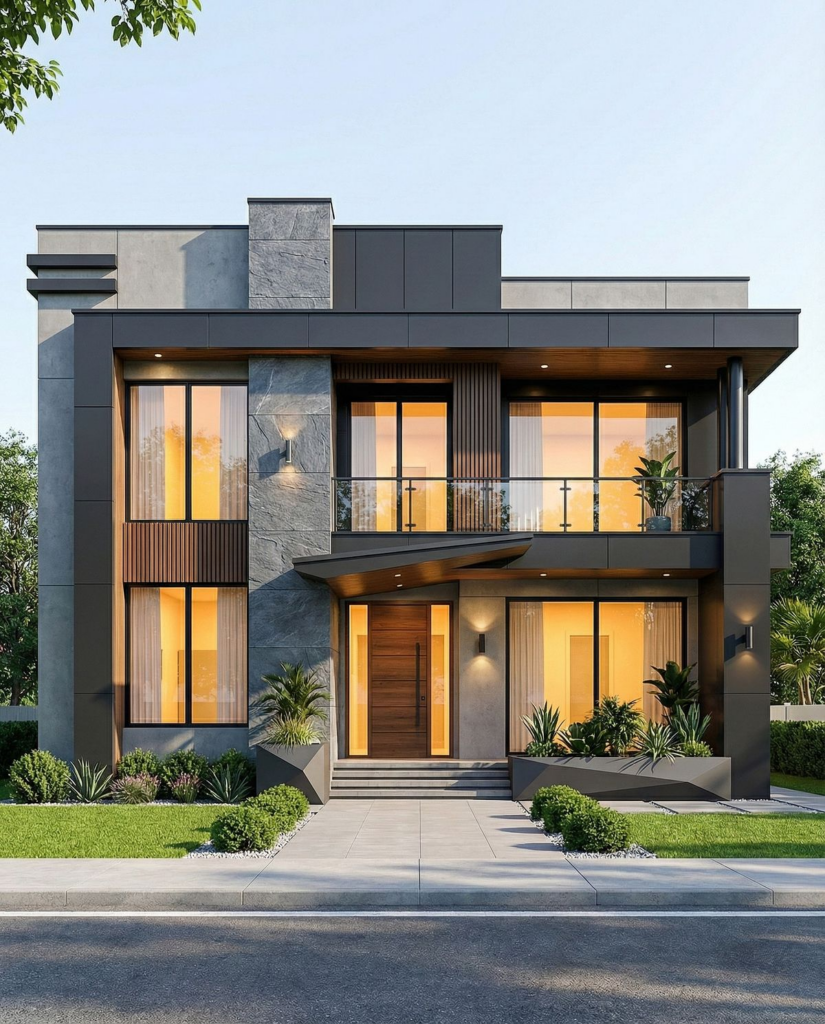
Let’s begin by dissecting the apartment investment. With a $200,000 budget in most major metropolitan areas across the U.S., we are typically looking at the entry-level or affordable housing segment. This often translates to smaller units, possibly in older buildings, or properties located further from prime urban centers. The allure of an apartment for investment lies in its perceived simplicity and potential for consistent rental income. However, the realities of this price point demand a granular examination.
When considering an apartment in this bracket, the focus must be on affordable apartments for sale, condos for investment, or distressed property investments. A brand-new, two-bedroom unit in a desirable location is likely to exceed this budget significantly. Therefore, investors often find themselves drawn to pre-owned units. The advantage of an older apartment can be its established location, potentially better value per square foot, and a more developed neighborhood infrastructure. However, it’s crucial to scrutinize the building’s age, the condition of common areas, and any pending special assessments that could impact your investment. For a $200,000 investment, the expectation should be a unit that might require some updating, offering an opportunity for value-add through renovation.
The appreciation rate of older apartments can vary, but a conservative estimate might range from 3-6% annually, depending heavily on location, market demand, and the overall health of the condominium association or HOA. Liquidity, the ease with which you can sell your asset, is a paramount concern for any investor. In stagnant markets, selling an apartment can become a lengthy process, often necessitating price reductions. This underscores the critical importance of thorough due diligence. Location, access to public transportation, proximity to employment hubs, essential amenities, and, crucially, the legal standing of the property (clear title, no liens, and proper zoning) are non-negotiable factors. Investing in a property with a clear title, often referred to as a “pink book” in some international contexts, is the U.S. equivalent of ensuring undisputed ownership and is fundamental.
Now, let’s pivot to land investment. With $200,000, the geographical possibilities expand considerably. In the U.S., this budget can potentially acquire land in developing suburban fringes, rural areas, or even in secondary and tertiary cities that are experiencing growth. The type of land becomes a significant determinant of potential returns and associated risks.
When exploring land options, we’re looking at land for sale by owner, investment acreage, or undeveloped land investment. Residential land parcels in the 50-100 square meter range are achievable in areas poised for development. Alternatively, agricultural land, while offering larger footprints (several hundred to thousands of square meters), is a different investment class altogether. These larger plots might be found in more remote provinces or exurban areas, far from major metropolitan cores. The appeal of agricultural land often lies in its potential for future rezoning or development, but this carries a higher degree of speculation.
The profit potential in land investment is often cited as higher than that of apartments, with average annual returns potentially ranging from 8-15%, and in some high-growth areas, even exceeding that. However, this elevated profit comes with a caveat: illiquidity. Selling land, especially undeveloped parcels, can take considerably longer than selling a finished property. Investors typically need to hold land for at least 2-5 years to realize optimal returns, contingent on infrastructure development, zoning approvals, and favorable market shifts.
The adage “profit is proportional to risk” is never truer than in land investment. The risks are multifaceted. For agricultural land, the primary concern is the uncertainty of rezoning. Market speculation and inflated broker claims are rampant in the land sector. Unscrupulous agents or developers might propagate exaggerated narratives about future infrastructure projects, major investor interest, or impending zoning changes to create artificial demand and inflate prices. This can lead to a “fear of missing out” (FOMO) mentality among buyers, compelling them to make hasty decisions without adequate due diligence. Investors might feel pressured by brokers to overlook critical legal checks and price assessments.
A significant legal hurdle in land transactions, particularly in rapidly developing areas, is the legality of lot divisions. Investors must be wary of deals based on unapproved 1/500 scale master plans or misleading contracts that use vague language like “agreement to purchase a portion of a project’s land parcel.” This can trap buyers into purchasing a share of a larger plot without the ability to legally subdivide and secure individual titles as promised.
The pricing of land is often characterized by a “future-oriented” valuation – essentially, the current market price plus the projected value of future developments. This means investors rarely buy at the true current market value. Post-acquisition, delays in legal processes and infrastructure development can be substantial. To mitigate these risks, it is paramount to buy land with a clear title, ensure the land use designation on the title matches your intended purchase, and meticulously research the land use planning and comparable property values in the surrounding area. A “clear title” is the bedrock of secure land ownership in the U.S.
Returning to apartments, even a property with a clear title can present unforeseen challenges. The scarcity of completed projects with issued titles (certificates of occupancy or condominium declarations) can lead to prolonged waiting periods before you can even list your property for sale. When the time comes to sell, finding a buyer with both the financial capacity and the genuine need for that specific unit can be a prolonged process. Furthermore, the condition of the building’s management, security protocols, and overall maintenance are crucial factors that impact resale value and tenant desirability.
Apartments are also subject to depreciation and obsolescence. Architectural styles, building technologies, and community amenities evolve, making older units less appealing over time. While apartment prices can appreciate, the rate is often slower than in promising land parcels. A significant consideration is the legal framework governing apartment ownership, which in the U.S. typically involves a 50-year leasehold or fee simple ownership. While 50 years is a substantial period, potential concerns about renewal or future legal complexities can arise for long-term investors.
Investing in apartments under construction, often termed “off-plan” or “future housing,” introduces another layer of risk. The investor’s return is directly tied to the developer’s financial stability and their capacity to complete the project as promised. Legal compliance, including adherence to zoning laws and the possession of a valid 1/500 scale development plan, is critical before sales can commence legally. Issues such as the disparity between model homes and the final product, the pace of building deterioration, and the density of available units within the same project can all negatively affect liquidity. Incorrect unit dimensions, floor plans, or even unfavorable feng shui elements (in cultures where this is a consideration) can further complicate resale.
As an industry expert with a decade of experience, my advice to those with a $200,000 investment capital in the current market climate is clear: prioritize capital preservation first, then consider profit potential. The decision between an apartment and land should align with your immediate needs and long-term financial strategy.
If your primary objective is to secure a residence for yourself while building equity, a completed apartment with a clear title is often the most prudent choice. You can live in it, enjoy the stability, and, after a few years, reassess the market for potential profitable sale.
However, if your sole focus is maximizing cash flow and you possess a higher risk tolerance, coupled with the willingness to continue renting an interim residence, then land investment warrants serious consideration. The potential for higher returns over a 3-5 year horizon can indeed outweigh that of an apartment, provided you navigate the associated risks astutely.
Ultimately, the choice boils down to your personal risk tolerance. Define your comfort level with potential losses and determine the profit margins you deem acceptable. This self-assessment will guide you toward the asset class that best suits your investment personality, whether it’s the controlled environment of an apartment, the speculative growth of residential land, or the broader potential of agricultural acreage.
For those ready to explore these options further and require personalized guidance on identifying specific opportunities in their desired region, consulting with a seasoned real estate investment advisor can provide invaluable insights and facilitate a more informed decision. Understanding your local market dynamics, zoning regulations, and development trends is key to unlocking the full potential of your $200,000 real estate investment.