
The Future of Urban Living: Embracing Biophilic Apartments in 2025
For a decade, I’ve navigated the intricate currents of the real estate and construction industries, witnessing shifts that redefine our built environment. From the nascent discussions around sustainability to the full-blown embrace of wellness-centric design, the trajectory has been clear: homes are no longer just shelters; they are ecosystems. As we stand in 2025, the undeniable vanguard of this evolution is the Biophilic Apartment – a profound reinterpretation of urban living that blends nature seamlessly with our concrete jungles. This isn’t just a trend; it’s the inevitable future of high-density housing, driven by compelling health, environmental, and economic imperatives.
Understanding the Biophilic Paradigm in 2025 Urban Development
The term “biophilia,” meaning “love of life,” encapsulates humanity’s intrinsic connection to the natural world. While the concept itself is ancient, its integration into modern apartment construction is revolutionizing how we conceive of and inhabit urban spaces. Biophilic apartments are meticulously designed to foster this innate connection, leveraging scientific understanding of how natural elements impact human physiology and psychology. In 2025, with increasing urbanization and technological saturation, the yearning for nature’s restorative presence within our homes has become a critical driver for residential design.
These aren’t merely apartments with a few potted plants. They are holistic environments where design choices, material selections, and technological integrations converge to create restorative havens. The shift we’re observing now is a deliberate move away from sterile, box-like structures towards dynamic, life-affirming residences that actively enhance the well-being of their occupants. Developers and architects who have ignored this paradigm shift are already finding their conventional projects lagging in market appeal and long-term value.
Defining the DNA of a 2025 Biophilic Apartment
As an industry expert, I’ve identified several core characteristics that define the cutting-edge biophilic apartment in today’s market, moving beyond mere aesthetics to integrated, performance-driven design:
Optimized Natural Light & Circadian Rhythms: Far beyond large windows, 2025 biophilic apartments incorporate advanced glazing technologies – think smart glass that adjusts tint with sunlight, or dynamic facades that optimize daylight penetration without sacrificing thermal performance. Designs prioritize deep light penetration through strategic orientations, light shelves, and central atriums. Critically, these spaces often integrate circadian lighting systems that mimic natural light cycles, supporting occupants’ natural sleep-wake patterns, a key factor in mental well-being and productivity. This thoughtful approach significantly reduces reliance on artificial lighting, cutting down energy costs and carbon footprints.
Integrated Green Infrastructure & Biodiversity: The greenery in today’s biophilic homes extends well beyond a few houseplants. We’re seeing widespread adoption of vertical gardens and living walls, not just for aesthetic appeal, but for their proven benefits in air purification, thermal regulation, and noise reduction. Rooftop gardens are evolving into true urban farms, providing local food sources and critical stormwater management. Furthermore, leading projects are incorporating native plant species and designing spaces to attract urban biodiversity, like pollinator gardens and bird-friendly landscaping, fostering a sense of ecological connection. This isn’t just about ‘green-washing’; it’s about genuine ecological integration, making it a powerful statement in sustainable urban development.
Authentic, Sustainable Materiality: The era of synthetic, high-VOC (volatile organic compound) materials is waning. 2025 biophilic apartments champion natural and sustainable building materials. This includes FSC-certified timber, locally sourced stone, bamboo, cork, and reclaimed materials. Beyond their aesthetic warmth, these materials are chosen for their low embodied carbon, non-toxicity, and ability to improve indoor air quality. The focus is on materials that age gracefully, minimizing waste and contributing to healthier indoor environments. Developers are increasingly seeking low embodied carbon construction solutions to meet ambitious environmental targets.
Sensory-Rich Water Elements: The soothing presence of water is a hallmark. This could manifest as small indoor fountains, a tranquil outdoor pond integrated into a balcony design, or even larger-scale bioretention ponds within shared community spaces. Beyond the visual and auditory appeal, advanced projects are incorporating rainwater harvesting and graywater recycling systems, making these features not just beautiful but also functional and ecologically responsible. Rainwater harvesting systems are becoming standard for new developments seeking high LEED certification apartments.
Seamless Indoor-Outdoor Living: The line between indoor and outdoor is intentionally blurred. Expansive, operable glass walls, generously proportioned balconies, private terraces, and communal courtyards are standard. These spaces are designed as true extensions of the living area, encouraging residents to connect with the elements – fresh air, natural light, and the sounds of urban nature. This integration fosters a sense of openness and freedom, counteracting the confinement often associated with apartment living.
Biophilic Color Palettes & Textural Diversity: Drawing inspiration directly from nature, the color schemes lean towards earthy tones: muted greens, warm browns, sky blues, and sandy beiges. These palettes are complemented by a rich variety of natural textures – rough stone, smooth wood, woven fabrics – stimulating tactile senses and creating a more grounding, organic atmosphere. The psychological impact of these choices contributes significantly to the overall sense of calm and well-being.
Thoughtful Wildlife Integration: Advanced biophilic designs even consider local flora and fauna. Bird feeders, nesting boxes, and native plantings that provide habitat and food sources for pollinators become integral parts of the design. This subtle yet powerful connection to the wider ecosystem reinforces the apartment as a living part of a larger natural network, a key differentiator in luxury green apartments.
The Irreversible Ascent: Why Biophilic Homes Dominate the 2025 Market
The rise of biophilic apartments isn’t accidental; it’s a direct response to evolving societal needs, environmental pressures, and astute market demand. From my perspective, these are the primary drivers:
Health and Wellness as a Non-Negotiable: The post-pandemic world has irrevocably prioritized health and wellness within the home. Biophilic design principles are scientifically proven to reduce stress (lowering cortisol levels), improve mood, enhance cognitive function, and even accelerate healing. Residents of biophilic apartments report better sleep quality, increased productivity, and a stronger sense of mental well-being. The growth of wellness real estate trends is exploding, and biophilia is at its core. Developers who understand this are actively pursuing WELL Building Standard certification for their projects, recognizing the immense market value in offering truly healthy living spaces.
Environmental Stewardship & Climate Resilience: In an era defined by climate urgency, sustainable property development is not just an ideal, but a necessity. Biophilic homes are at the forefront of this movement. Their designs inherently promote energy efficiency through optimized natural light and ventilation, reduced reliance on heating/cooling, and green roof technology for insulation. The use of natural materials, integrated green infrastructure for stormwater management, and potential for urban food production all contribute to a significantly lower carbon footprint and enhanced climate-resilient architecture. This aligns perfectly with 2025 goals for net-zero apartment buildings and the growing global emphasis on reducing carbon emissions.
Soaring Property Value & Developer ROI: The market has spoken: biophilic homes command a premium. As demand for healthy, sustainable living spaces skyrockets, these properties experience faster lease-ups, higher rental yields, and superior resale values. Investors are increasingly evaluating projects through an ESG investing real estate lens (Environmental, Social, Governance), making biophilic designs highly attractive. For developers, investing in biophilia is not merely altruistic; it’s a shrewd financial move that future-proofs assets against obsolescence and secures higher developer ROI sustainable projects. The market has shifted to where a “green premium” is now a clear reality.
Reconnecting with Nature in an Urbanized World: With nearly 83% of the U.S. population living in urban areas, the disconnect from nature is profound. Biophilic apartments offer a vital antidote to this urban alienation. They provide a daily, accessible connection to the natural world, combating digital fatigue and fostering a sense of peace that is increasingly rare. This isn’t just about aesthetics; it’s about psychological restoration and creating a sense of belonging within the larger ecosystem, making them critical for the future of urban living.
Superior Indoor Air Quality Solutions: Traditional apartments often suffer from poor indoor air quality due to off-gassing materials, inadequate ventilation, and lack of natural filtration. Biophilic designs actively combat this. The abundance of indoor plants acts as natural air purifiers, filtering out toxins like formaldehyde and benzene. Coupled with strategic natural ventilation systems and the use of low VOC paints and finishes, these homes offer significantly cleaner and healthier indoor environments – a major selling point in 2025.
Fostering Community and Social Capital: Beyond individual apartments, biophilic principles extend to shared spaces. Community rooftop gardens, biodiverse courtyards, and naturally lit communal lounges encourage social interaction, fostering a stronger sense of community among residents. These shared green spaces become natural hubs for connection, addressing the growing challenge of urban loneliness. This focus on community-focused development is a powerful social benefit of biophilic design.
Traditional vs. Biophilic Apartments: A 2025 Market Reality Check
The stark contrast between conventional and biophilic apartment complexes highlights why the latter is rapidly becoming the industry standard for forward-thinking developers:
| Aspect | Traditional Apartments (Conventional 2025) | Biophilic Apartments (Leading 2025) |
| :——————— | :————————————————————————— | :—————————————————————————— |
| Natural Light | Often limited, relies heavily on artificial lighting, poor quality. | Maximized through intelligent design, smart glass, circadian integration. |
| Greenery | Minimal, primarily ornamental, often limited to exterior landscaping. | Abundant, integrated living walls, rooftop farms, native plantings, indoor plants. |
| Material Usage | Often synthetic, high-VOC, mass-produced, higher embodied carbon. | Natural, sustainable, low-VOC, locally sourced, low embodied carbon. |
| Connection to Nature | Limited or non-existent, often just a view from a window. | Deep, multi-senssensory, integrated into daily life. |
| Environmental Impact | Higher energy consumption, larger carbon footprint, poor stormwater management. | Significantly lower, actively contributes to environmental remediation. |
| Property Value | Stable, but increasingly vulnerable to market obsolescence without upgrades. | Rapidly increasing, commanding premiums, strong long-term investment. |
| Air Quality | Potential for poor IAQ, off-gassing, inadequate ventilation. | Continuously improved by natural filtration, strategic ventilation, low-VOCs. |
| Occupant Well-being | Variable, often neglects psychological and physiological needs. | Actively enhances mental, physical, and emotional health and productivity. |
| Technology Focus | Smart home tech for convenience (lighting, security, thermostats). | Smart tech integrated to enhance biophilic principles (irrigation, air quality, dynamic facades). |
The data consistently shows that properties incorporating significant biophilic elements outperform their traditional counterparts in every metric that matters in today’s real estate market – from tenant satisfaction and retention to energy performance and market value.
Navigating the Challenges of Biophilic Integration
While the benefits are clear, implementing truly biophilic design isn’t without its complexities. From my vantage point, the primary challenges for developers in 2025 include:
Perceived Upfront Costs: Initial investment in sustainable materials, advanced systems (like smart irrigation for vertical gardens), and specialized architectural design can appear higher than conventional methods. However, this perspective fails to account for the substantial long-term savings in operational costs, reduced maintenance from durable materials, and the significant premium biophilic properties command in the market. Education on sustainable property valuation is key here.
Maintenance & Longevity: Living walls and rooftop gardens require ongoing maintenance. This necessitates integrating smart irrigation systems, choosing robust plant species, and having clear maintenance protocols in place. The development of specialized vertical garden systems and associated maintenance services is addressing this.
Integrating with Existing Urban Infrastructure: Retrofitting existing buildings with biophilic elements can be challenging due to structural limitations or heritage constraints. New construction offers more freedom, but even then, careful urban planning is crucial to maximize natural light and ensure connectivity to green spaces.
Educating the Stakeholders: While consumer demand is growing, some traditional developers, investors, and even contractors may still be unfamiliar with the nuances and long-term benefits of biophilic design. Clear communication, showcasing successful case studies, and leveraging expert insights are vital to build consensus.
These challenges, however, are steadily being overcome by innovative solutions, modular construction techniques, and a growing ecosystem of specialized suppliers and consultants.
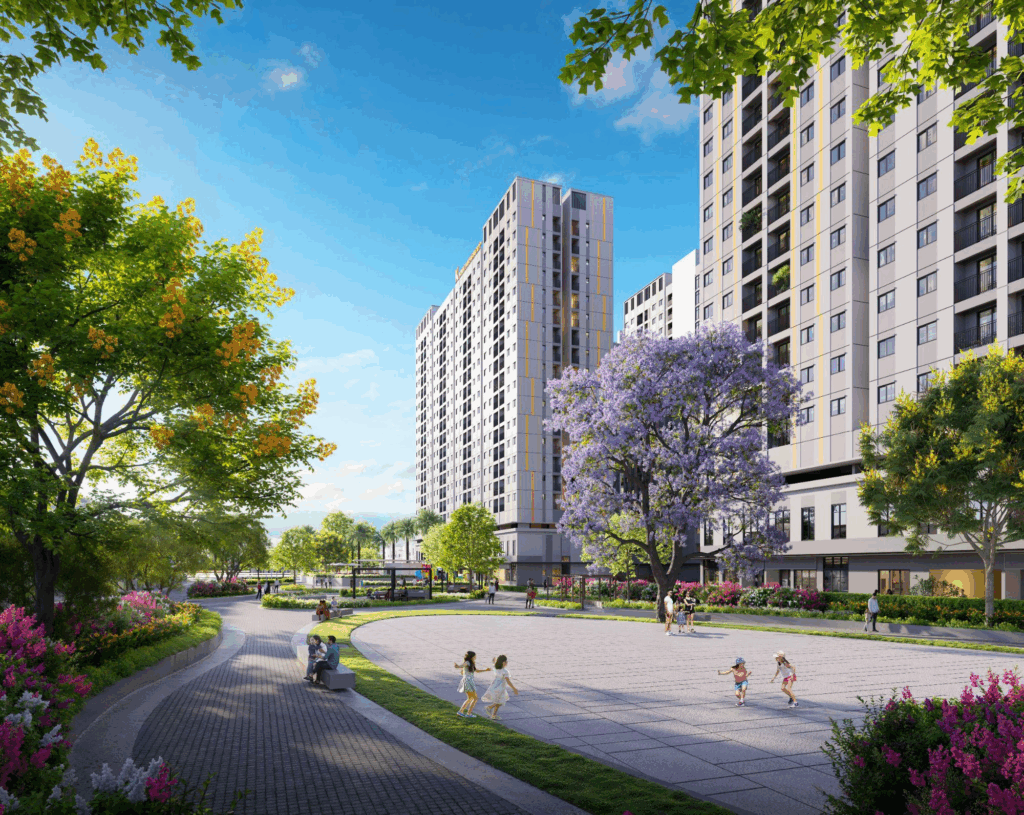
The Future is Now: Biophilic Design Meets Smart Technology
Looking ahead, the synergy between biophilic design and smart home technology is poised to unlock even greater potential. In 2025, we’re already seeing:
Automated Environmental Control: Smart sensors that monitor indoor air quality, humidity, and light levels, automatically adjusting ventilation, shades, or circadian lighting to maintain optimal biophilic conditions.
Intelligent Water Management: AI-powered irrigation systems for vertical gardens and green roofs that optimize water usage based on weather forecasts and plant needs, saving resources and reducing maintenance.
Dynamic Building Skins: Facades that can actively respond to environmental conditions, modulating natural light, improving thermal performance, and even hosting integrated microalgae bioreactors for carbon capture.
Personalized Wellness Dashboards: Apps that provide residents with data on their home’s environmental performance, air quality, and even offer suggestions for connecting with nature within their living space.
This integration elevates the biophilic experience from passive design to active, responsive living, solidifying the position of smart home automation biophilic design as a pinnacle of modern apartment construction.
Embracing the Biophilic Epoch: Your Call to Action
The trajectory is clear: biophilic design isn’t a fleeting trend; it’s a fundamental paradigm shift in how we build, invest, and live. As an expert who has watched this evolution unfold, I can confidently say that the future of urban living is inherently green, healthy, and connected to nature.
For real estate investors and developers, ignoring this wave means missing out on significant market premiums, faster absorption rates, and the opportunity to future-proof your portfolio against environmental and social obsolescence. The demand for luxury green apartments and sustainable property development is not just growing; it’s becoming the dominant force in the market.
For individuals seeking a home that genuinely supports their well-being, improves their daily life, and aligns with their environmental values, the biophilic apartment of 2025 offers an unparalleled sanctuary.
Don’t just observe the future of apartment construction; be a part of it. Explore how biophilic principles can transform your next project or elevate your living experience. Connect with industry leaders who are pioneering this vital movement, and let’s together build a healthier, more sustainable urban landscape for generations to come.