


Navigating the 2025 Real Estate Market: An Expert’s Guide to Spotting and Sidestepping Costly Problem Properties
The American dream of homeownership, while enduring, has always been a complex financial and emotional journey. In 2025, with a dynamic market characterized by fluctuating interest rates, evolving environmental concerns, and a competitive landscape, the stakes are higher than ever. After a decade traversing the intricate corridors of real estate transactions, from bustling urban centers to serene suburban enclaves, one truth remains immutable: avoiding a problem property is paramount to securing not just a house, but a sound investment and a peaceful future.
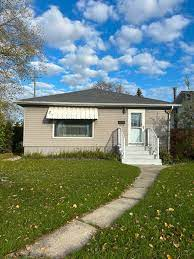
A problem property isn’t merely a home with a few cosmetic flaws; it’s a financial sinkhole, a relentless drain on your resources, and often, a source of profound emotional stress. These are properties harboring fundamental issues—structural, environmental, legal, or locational—that can cost you tens, even hundreds of thousands of dollars to rectify, far beyond what you initially anticipated. My goal here is to equip you with the advanced insights and proactive strategies needed to identify these money pits before you sign on the dotted line, ensuring your 2025 home purchase is a source of joy, not regret.
Deconstructing the “Problem Property” in 2025: An Expert’s Classification
Understanding the multifaceted nature of a problem property is the first step toward avoidance. The landscape of potential pitfalls has broadened considerably, influenced by climate change, technological advancements in detection, and an increasingly litigious environment. Here’s how a seasoned professional categorizes these high-risk homes today:
Structural Integrity & Foundational Fault Lines:
This category represents some of the most expensive and complex issues. It’s not just about a crack in the wall; it’s about the very bones of the house. In 2025, common structural red flags include:
Foundation Damage: Shifting, settling, bowing walls, major cracks (horizontal, stair-step, or wider than a quarter-inch), or water intrusion in basements/crawl spaces. These can stem from expansive soils, improper drainage, or poor original construction. The structural engineer inspection cost for a thorough assessment, while an upfront expense, is negligible compared to the cost to repair foundation issues, which can easily soar into six figures.
Framing & Load-Bearing Wall Compromises: Sagging floors, uneven doorframes, or unusual creaking might indicate issues with floor joists, beams, or improperly altered load-bearing walls.
Roofing System Failures: Beyond visible leaks, look for extensive shingle damage, active moss/algae growth, compromised flashing, or a roof past its typical lifespan (often 20-30 years). A failing roof risks water damage throughout the home and requires significant roof replacement cost.
Environmental & Health Hazards: The Invisible Threats:
What you can’t see often poses the greatest danger and necessitates the most specialized (and costly) remediation.
Mold Infestation: Beyond surface mildew, extensive mold, particularly black mold, indicates significant moisture problems and poses serious health risks. Mold remediation cost can be substantial, requiring professional containment and removal. Look for musty odors, water stains, or visible growth in basements, bathrooms, or attics.
Radon Gas: An odorless, colorless radioactive gas naturally occurring in soil, radon is a leading cause of lung cancer for non-smokers. Radon testing cost is minimal, but mitigation systems can be a few thousand dollars.
Asbestos & Lead Paint: While common in older homes (pre-1980s for lead, pre-1990s for asbestos), their disturbance during renovation can release hazardous fibers/dust. Abatement is highly specialized and expensive.
Poor Indoor Air Quality (IAQ): In tighter, energy-efficient homes, inadequate ventilation can trap pollutants, allergens, and volatile organic compounds (VOCs). This is an emerging concern for health and comfort.
Contaminated Soil/Water: Proximity to former industrial sites, landfills, or agricultural land can mean contaminated soil or groundwater, impacting gardening, water quality, and posing long-term health risks. A property environmental risk assessment might be advisable in certain locations.
Regulatory & Legal Quagmires: When the Paperwork is Problematic:
These issues can arise from local ordinances, past owner actions, or simple oversights, but they can significantly impact your ownership.
Code Violations & Unpermitted Work: Additions, renovations, or electrical/plumbing upgrades done without proper permits are a massive liability. The city can demand costly demolition or bring the work up to code, often at the buyer’s expense. The potential for unpermitted construction issues to derail a sale or incur future fines is significant.
Zoning & Land Use Restrictions: Verify the property’s zoning aligns with its current use and your future plans (e.g., adding an ADU, running a home business). Zoning changes are a constant in growing communities.
Title Defects & Encumbrances: Liens (tax, mechanic’s, judgment), easements (rights of way for utilities or neighbors), encroachments (structures crossing property lines), or unreleased mortgages can cloud your ownership. A robust title insurance policy is your primary defense here.
Homeowners Association (HOA) Issues: Beyond monthly fees, an HOA with a poorly funded reserve fund, pending lawsuits, or overly restrictive covenants can be a major headache. The HOA reserve study importance cannot be overstated; it reveals if the association has enough money for future major repairs.
Location-Based Risks: The Environmental & Nuisance Factors:
Where a property sits is as crucial as what sits on it. In 2025, climate change considerations are paramount.
Floodplains & Disaster-Prone Areas: Properties in designated FEMA flood zones or areas prone to wildfires, hurricanes, or seismic activity face exponentially higher insurance premiums and greater risk of damage. Even a property near a floodplain can see significant impacts. Insurability is a critical pre-purchase check.
Environmental Nuisances: Proximity to noisy highways, flight paths, industrial zones, waste facilities, or even large commercial developments can severely impact quality of life and future resale value.
Hazardous Proximity: Properties near superfund sites, active landfills, or high-voltage power lines can carry unseen risks and perception issues.
Future Development Impact: Researching local master plans can reveal potential future disruptions—new highways, commercial hubs, or even rezoning that could diminish your property’s appeal or increase traffic.
Operational & Infrastructure Defects: The Modern “Money Pit” Syndrome:
Beyond the big-ticket structural items, the everyday systems of a home can quickly become incredibly expensive liabilities, especially in an aging housing stock.
Outdated HVAC Systems: An old furnace or AC unit nearing the end of its life means significant replacement costs (often $5,000-$15,000+ per system) and inefficient energy consumption.
Aging Plumbing & Electrical Systems: Galvanized pipes are prone to corrosion and leaks, while knob-and-tube or aluminum wiring in older homes can be fire hazards and may not support modern electrical loads (e.g., EV chargers, smart home tech). Rewiring or repiping is a major undertaking.
Sewer Line Issues: Tree root intrusion, cracks, or collapses in the main sewer line are notoriously expensive to repair, often requiring excavation. A sewer scope inspection is an absolute must.
Energy Inefficiency: Poor insulation, old windows, or inefficient appliances translate to perpetually high utility bills, a significant property value depreciation factor in today’s energy-conscious market.
The Expert’s Due Diligence Playbook: Your Shield Against Problem Properties in 2025
Armed with an understanding of what constitutes a problem property, your next step is rigorous, proactive due diligence. This is where my decade of experience becomes your invaluable guide.
The Uncompromising Home Inspection: Beyond the Basics
Never, ever skimp on inspections. In 2025, a basic home inspection is merely the starting point.
General Home Inspector: Choose a certified, highly-rated inspector with deep local knowledge. Ensure they use modern tools like thermal imaging cameras (for hidden moisture/insulation issues) and moisture meters. Attend the inspection yourself; it’s an invaluable learning experience.
Specialized Inspections: Depending on the general inspection findings, the age of the home, or its location, budget for additional experts:
Structural Engineer: If any foundational or significant structural concerns are raised.
HVAC Specialist: To assess the true condition and remaining lifespan of heating and cooling systems.
Roofer: For in-depth evaluation if the roof is older or shows significant wear.
Plumber: Especially for older homes, to assess pipe materials, water pressure, and drainage.
Electrician: For homes with outdated wiring or if amperage is insufficient for modern needs.
Mold Remediator/Environmental Specialist: If mold or other environmental hazards are suspected.
Pest Inspector: Essential for termites, carpenter ants, and other wood-destroying organisms.
Sewer Scope Inspection: A non-negotiable for most homes built before 2000. Tree roots love old clay pipes.
Radon and Lead/Asbestos Testing: Always recommend these, especially for older homes or those in known radon-prone areas.
Negotiation & Repair Requests: Use the inspection report as a powerful negotiation tool. Don’t be afraid to ask for significant repairs or credits. If the seller refuses, be prepared to walk away. Sometimes, a home warranty comparison can be useful to cover unexpected system breakdowns post-purchase, but it’s not a substitute for proper pre-inspection.
Deep Dive into Property History & Documentation: Unearthing the Past
The paper trail holds critical clues.
Comprehensive Title Search & Title Insurance: Your lender will require title insurance, but you should also purchase an owner’s policy. The title company will conduct a thorough search for liens, easements, and other encumbrances. Ensure you understand every detail.
Review Seller Disclosures: State laws vary, but sellers are legally obligated to disclose known defects. Read these meticulously. Pay close attention to anything marked “unknown” or “not applicable”—sometimes a subtle red flag for things they don’t want to disclose. Understand the implications of buying a property “as-is,” which severely limits your recourse.
Permit History Review: Contact your local building department. Request a full permit history for the property. Any major renovation, addition, or structural change should have a permit and corresponding final inspection. Unpermitted work is a huge liability.
CLUE Report (Comprehensive Loss Underwriting Exchange): This report details the insurance claims history of the property (not the owner) for the past five to seven years. Multiple claims, especially for water damage, indicate recurring issues and can lead to sky-high insurance premiums or even denial of coverage. This report is vital for your pre-purchase home inspection due diligence.
HOA Documents (if applicable): Obtain and review the HOA’s Declaration of Covenants, Conditions, and Restrictions (CC&Rs), bylaws, financial statements, reserve study, and recent meeting minutes. Scrutinize the reserve study for adequate funding for future capital projects. Look for signs of financial distress, upcoming special assessments, or overly restrictive rules that could impact your lifestyle or future renovations.
Neighborhood Intelligence & Local Insights: Beyond the Curb Appeal
A property doesn’t exist in a vacuum; its surroundings are critical.
Strategic Drive-By Inspections: Don’t just visit once. Drive by at different times: rush hour, late evening, weekend afternoons. How’s the traffic? Noise levels? Are there strong odors from nearby businesses? Does the neighborhood feel safe and well-maintained?
Talk to the Neighbors: This is perhaps the most direct source of unfiltered information. Ask about local issues, the history of the house, any known problems with flooding, noise, or previous owners. You’d be surprised what people are willing to share.
Leverage Local Resources:
City Planning & Zoning Departments: Inquire about planned developments, infrastructure projects, or zoning changes in the area.
Local Police Department: Check crime statistics for the neighborhood.
Environmental Agencies: Research local FEMA flood zone maps, wildfire risk maps (especially in Western states), and check for nearby Superfund sites or brownfield designations. Your property environmental risk assessment should include these elements.
Online Forums & Social Media: Local community groups can offer invaluable insights into neighborhood dynamics, frustrations, and potential issues.
Financial Foresight & Insurance Implications: The True Cost of Ownership
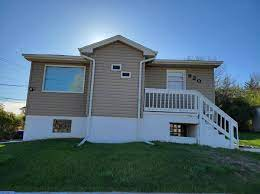
Your mortgage payment is just one piece of the puzzle.
Obtain Insurance Quotes BEFORE Closing: Don’t wait until the last minute. Get multiple quotes for homeowner’s insurance. If the property is in a high-risk area (flood, wildfire, hurricane), those premiums can be exorbitant, potentially making the home unaffordable or impossible to insure. This is a critical factor in understanding the full costly home repairs and operational burden.
Comprehensive Cost of Ownership Analysis: Factor in property taxes, insurance, estimated utility costs (especially for older or larger homes), and a realistic budget for ongoing maintenance (typically 1-4% of the home’s value annually). Consider potential future increases in property taxes or HOA fees.
Future Resale Value: Think long-term. Are there any factors that might depress the property’s value in 5-10 years? (e.g., proximity to new developments, changing demographics, climate risks).
Conclusion: Your Path to Confident Homeownership in 2025
Buying a home in 2025 demands more than just a good eye for aesthetics; it requires a strategic mindset, meticulous due diligence, and a willingness to leverage expert resources. The allure of a seemingly perfect deal can often mask underlying issues that transform a dream home into a financial nightmare. By proactively investigating structural integrity, environmental hazards, legal complexities, and locational risks, you’re not just avoiding problems – you’re safeguarding your investment, your peace of mind, and your future.
As a seasoned expert who has witnessed the triumphs and tribulations of countless home purchases, I can affirm that knowledge is your most powerful asset. Don’t embark on this significant journey alone. Leverage expert insights, ask the tough questions, and empower yourself with comprehensive understanding. Your ideal home awaits, but it’s found through diligent, informed action.
Ready to make your next move with unwavering confidence? Connect with a trusted real estate professional or explore our curated resources to secure your perfect property in today’s dynamic market.