


Navigating Your First Real Estate Investment: Condo or Land in the 2025 US Market?
Entering the real estate investment arena can feel like charting a course through uncharted waters, especially when working with a defined, yet modest, budget. For many aspiring investors in the United States, a capital outlay in the range of $250,000 to $350,000 represents a significant commitment, often a first foray into building substantial wealth outside of traditional markets. In the evolving landscape of 2025, the perennial question persists: should you allocate these crucial funds towards a condominium unit or invest in a parcel of land? As an expert with a decade entrenched in property market dynamics, I’ve witnessed cycles, navigated shifts, and advised countless individuals on maximizing their real estate investment strategies for optimal real estate portfolio growth. This isn’t just about buying property; it’s about making an informed strategic decision that aligns with your financial goals, risk tolerance, and long-term vision.
The 2025 market presents a fascinating confluence of factors. Interest rates, while having retreated from their recent peaks, are still higher than the ultra-low environment of the past decade, impacting borrowing costs and, consequently, affordability. Inventory remains constrained in many desirable urban and suburban corridors, yet new construction aims to ease some of that pressure. Inflation, while cooling, still dictates construction costs and consumer spending power. Navigating this environment requires precision, thorough due diligence, and an understanding of nuanced market cycle analysis. Let’s dissect the options.
The Condo Investment Calculus: A 2025 Perspective
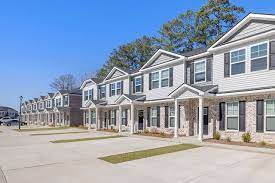
With a budget of $250,000 to $350,000, your condo options in 2025 will largely be focused on entry-level units. This often means older buildings, smaller square footage, or locations in secondary markets, exurban fringes, or less gentrified urban neighborhoods. You might find a well-maintained 1-bedroom or a compact 2-bedroom unit in a condominium complex, possibly requiring some cosmetic updates. The allure of rental income potential often drives investors to condos, seeking a path to passive real estate income.
The Upsides of Condo Investment:
Lower Barrier to Entry: Condos generally carry a lower purchase price compared to single-family homes, making them a more accessible gateway for a first-time real estate investor. This allows you to deploy capital and gain experience in property ownership without overextending.
Managed Maintenance: A significant advantage of condo ownership is that homeowners’ associations (HOAs) typically handle exterior maintenance, landscaping, common area upkeep, and often structural repairs. This can translate to less hands-on landlord work if you’re pursuing a rental strategy, reducing the burdens associated with property management.
Amenities and Appeal: Many condo developments, even older ones, offer attractive amenities like gyms, pools, clubhouses, or controlled access. These features can significantly enhance rental property cash flow by attracting and retaining tenants, making the property more competitive in the rental market.
Urban/Suburban Access: Condos are frequently located in denser areas with proximity to job centers, public transit, dining, and entertainment. This prime location can make them desirable for renters seeking convenience, potentially leading to stable occupancy rates.
The Challenges and Risks:
HOA Fees and Special Assessments: While HOAs manage upkeep, their fees can be substantial and are prone to increasing. More critically, unexpected large repairs (e.g., roof replacement, major structural work) can lead to special assessments, which are additional, often hefty, one-time charges passed on to owners. These can significantly erode your real estate investment ROI. Diligent review of HOA financials, meeting minutes, and reserve studies is non-negotiable.
Slower Appreciation and Market Liquidity: Historically, condominiums have often demonstrated slower property appreciation rates compared to single-family homes. While exceptions exist, especially in rapidly gentrifying urban cores, the general trend can be more subdued. Furthermore, market liquidity property can be a concern; during downturns, condos can sometimes take longer to sell or require price adjustments due to specific buyer preferences or lending restrictions within certain complexes.
Rules, Regulations, and Restrictions: HOAs impose strict rules governing everything from exterior alterations to rental policies (e.g., rental caps, lease term minimums). These limitations can impact your flexibility as an investor, potentially hindering your ability to attract tenants or make desired property improvements. Understanding these bylaws upfront is critical.
Obsolescence and Deterioration: Even well-maintained buildings age. Architectural styles, interior finishes, and building systems can become outdated, leading to reduced appeal and potentially higher maintenance costs over time. While individual unit renovations can help, the overall building’s condition and amenity package can affect resale value.
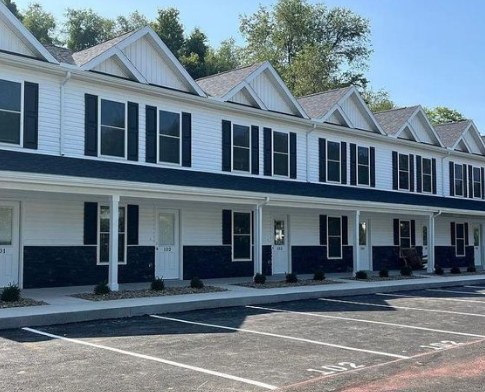
Construction Quality for New Builds: If your budget allows for a newer condo, scrutinize the developer’s track record and the construction quality. Issues with shoddy workmanship, delayed completion, or legal disputes (e.g., against the developer for defects) can plague new complexes, impacting both enjoyment and resale.
Title and Legal Complexities: Ensure a clear title and understand the condominium declaration. Issues such as unresolved liens, pending litigation against the HOA, or structural integrity concerns can create significant legal and financial headaches, affecting your capital preservation strategies.
Decoding Land Investment Potential: A 2025 View
With a budget of $250,000 to $350,000, land investment typically steers you towards raw land parcels in exurban, rural, or undeveloped areas. This could be a vacant lot suitable for future development, agricultural land with conversion potential, or acreage intended for recreational use or long-term land banking investment. This segment often attracts investors seeking higher potential, albeit with greater inherent risks.
The Upsides of Land Investment:
High Appreciation Potential: Land, particularly well-located parcels ripe for development, can offer substantial property appreciation rates, often exceeding those of developed properties. This is especially true if the land is acquired before significant infrastructure development or zoning changes occur. Proximity to planned growth corridors or new commercial hubs can be a significant driver.
Lower Carrying Costs: Unlike properties with structures, vacant land typically incurs minimal carrying costs. There are no tenants to manage, no buildings to maintain, no utility bills (beyond perhaps a well/septic if developed), and generally lower property taxes compared to improved parcels. This makes it a compelling option for a long-term real estate investment strategy.
Flexibility and Control: Owning raw land offers unparalleled flexibility. You dictate its future use (within zoning regulations), whether that’s holding it for long-term appreciation, developing it yourself, or subdividing it. This control can be a powerful asset for entrepreneurial investors.
Finite Resource: Land is a finite resource. As population grows and development expands, the demand for suitable land increases, underpinning its fundamental value. This scarcity often contributes to its long-term investment appeal.
The Challenges and Risks:
Illiquidity and Longer Holding Periods: Land is generally less liquid than developed properties. Finding the right buyer can take considerable time, often requiring holding periods of 5-10 years or more to realize significant gains. This necessitates a strong capital position and patience. Your exit strategy for land must be robust.
Higher Risk Profile: The risk assessment real estate for land investment is inherently higher. Its value is heavily dependent on future development, economic growth, and regulatory changes. If anticipated growth doesn’t materialize, or if zoning shifts unfavorably, the land’s value may stagnate or even decline.
Zoning, Planning, and Regulatory Hurdles: This is perhaps the most complex aspect. Zoning and land use planning are critical. Agricultural land may never be approved for residential or commercial use. Project land, especially if purchased as part of a larger subdivision, comes with the risk of permit delays, environmental restrictions, or unexpected requirements from local planning departments. What’s promised by a seller or broker regarding future development potential must be independently verified through municipal planning offices.
Infrastructure Deficiencies: Raw land often lacks essential infrastructure like water, sewer, electricity, and road access. The cost of bringing these utilities to a site can be enormous and must be factored into the overall investment. Without access, development is impossible, significantly limiting the land’s immediate value. Infrastructure development impact on land value is a major consideration.
“Paper Lot” Scams and Unscrupulous Developers: Be wary of investment schemes selling “future” lots based on unapproved plat maps or conceptual drawings (analogous to Vietnam’s 1/500 drawings). Investors can fall into traps of buying an undivided interest in a larger parcel, or a lot that can never be legally subdivided or receive a separate title deed. Always insist on purchasing land with a clear, recorded deed to an individually platted lot, and verify its legal existence and boundaries.
Speculative Pricing: Land prices, particularly in growth areas, can be highly speculative. Brokers may “inflate” values based on theoretical future development or unconfirmed infrastructure projects, creating a fear of missing out (FOMO) environment. Always conduct independent appraisals and compare recent sales of truly comparable parcels to avoid overpaying.
Environmental Concerns: Unforeseen environmental issues (e.g., wetlands, contaminated soil, endangered species habitats) can severely restrict development potential and impose significant cleanup or mitigation costs. A Phase I Environmental Site Assessment is often a prudent step.
Navigating the 2025 Real Estate Landscape – Key Considerations
Regardless of whether you lean towards a condo or land, several overarching themes will define success in the 2025 US real estate market.
Economic Outlook and Interest Rates: Monitor Federal Reserve policy. While rates have stabilized, any significant upward pressure could further cool buyer demand and impact financing for both development and purchases.
Inflationary Pressures: Construction costs, though moderating, remain elevated. This affects potential development costs for land and the cost of renovations for older condos.
Demographic Shifts: Continue to analyze population movements. The Sun Belt and secondary cities are still seeing robust growth, influencing both rental demand for condos and development potential for land.
Market Research and Local Expertise: Never underestimate the power of hyper-local data. What holds true for Miami may not for Minneapolis. Engage with local real estate agents, brokers specializing in land, and planning departments. Their insights are invaluable for uncovering niche land investment opportunities or identifying high-demand condo markets.
Risk Tolerance and Investment Goals: This is paramount. If your primary goal is steady cash flow and less hands-on management, a condo might be a better fit. If you’re chasing higher potential returns over a longer horizon and can stomach greater uncertainty, land might appeal. Your capacity for risk should dictate your choice.
Capital Preservation Strategies: With any investment, protecting your initial capital is critical. For condos, this means meticulous HOA due diligence and understanding the building’s financial health. For land, it means exhaustive research into zoning, permits, and ensuring a clear, marketable title.
Tax Implications of Real Estate: Understand the tax benefits of property ownership (e.g., depreciation for rental properties, potential capital gains deferral) and the tax burdens (property taxes, potential capital gains on sale). Consult with a tax professional to optimize your investment structure.
Expert Strategies for the Entry-Level Investor in 2025
Comprehensive Due Diligence: This cannot be overstressed.
For Condos: Scrutinize HOA documents, interview board members if possible, review financials for solvency, check for special assessments, and understand rental restrictions. Get a thorough inspection.
For Land: Verify zoning with the local planning department, check for utility access, research environmental reports, understand easements, and confirm the land has a clear, unencumbered title. Walk the property extensively.
Leverage Debt Wisely: If financing, secure the most favorable rates and terms. Understand how higher interest rates impact your monthly cash flow for a condo or your holding costs for land. Avoid overleveraging, which can amplify risks.
Define Your Exit Strategy: How do you plan to profit? Is it through rental income and long-term appreciation (condo), or through a future sale to a developer or end-user (land)? Having a clear real estate investment strategy and a defined exit plan helps you make focused decisions.
Build Your Team: Assemble a trustworthy team: a knowledgeable real estate agent, a real estate attorney, a land surveyor (for land), a property inspector, and a financial advisor or CPA. Their expertise is your shield against common pitfalls.
Consider Hybrid Approaches: If the budget allows for it, some investors might combine a smaller land parcel in an emerging area with a portion of their capital, while also exploring options for a small, distressed property (which could be a condo) that offers foreclosure investment opportunities or distressed property investment potential with forced appreciation through renovation.
The decision between a condo and land for your initial $250,000 to $350,000 real estate investment in 2025 is a deeply personal one, devoid of a universally “correct” answer. It hinges entirely on your investment goals, how much risk you’re comfortable with, and your willingness to commit time and effort. Both avenues offer compelling pathways to maximizing ROI real estate and building lasting wealth, but they demand distinct approaches and a keen understanding of their unique complexities.
Ready to delve deeper into these opportunities and craft a tailored investment strategy that capitalizes on the nuances of the 2025 market? Let’s connect to analyze your specific circumstances and guide you toward making your most informed real estate decision yet.