
Houses vs. Apartments: A Real Estate Investor’s Guide to Maximizing Rental Income
The American real estate landscape in 2025 is a vibrant testament to growth and opportunity. With construction cranes reshaping skylines and development sites humming with activity, the demand for residential rental properties is hotter than ever. As we navigate this dynamic market, savvy investors are faced with a pivotal decision: should their next acquisition be a single-family house or an apartment unit? This in-depth exploration delves into the critical distinctions between these two core asset classes, equipping you with the knowledge to make strategic choices that align with your financial aspirations and unlock superior returns on your real estate investments.
For the past decade, I’ve been immersed in the trenches of the real estate investment world, witnessing firsthand the evolving strategies and market shifts. My experience has shown that understanding the nuances between houses and apartments isn’t just about aesthetics or preference; it’s fundamentally about optimizing your investment strategy for cash flow, appreciation, and long-term wealth creation. Whether you’re a seasoned investor looking to diversify or a newcomer eyeing your first rental property, this guide will provide clarity on the most impactful considerations for investing in rental properties.
Defining the Landscape: Houses and Apartments
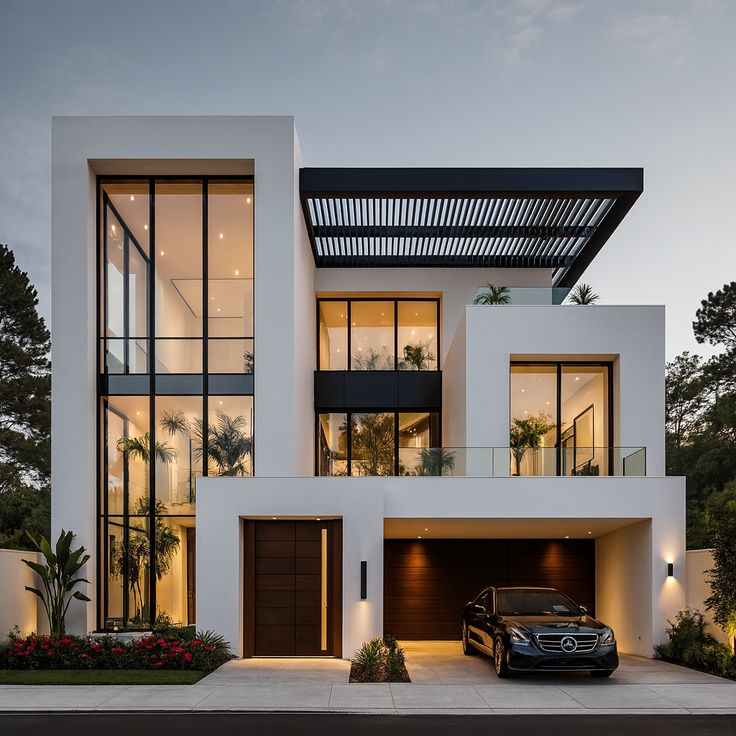
At their core, both houses and apartments serve the fundamental purpose of providing shelter and generating rental income. However, their structural, ownership, and operational characteristics create distinct investment profiles.
Single-Family Homes: A traditional single-family home, often referred to simply as a “house,” is a detached residential dwelling designed for a single household. These structures typically encompass multiple functional areas: a kitchen, bathrooms, living spaces, and several bedrooms. In the United States, the sheer volume is impressive; according to recent data, there are approximately 82 million stand-alone homes. Investors typically acquire these properties either outright or through conventional financing, involving a down payment and a mortgage. The appeal of a single-family home for an investor often lies in its autonomy and the direct landlord-tenant relationship it facilitates.
Apartment Units: An apartment, by contrast, is a self-contained residential unit situated within a larger building or complex that houses multiple distinct living spaces. These units are designed for individuals or families seeking a more compact and often amenity-rich living arrangement. An apartment generally includes a kitchen, bathroom, living area, and one or more bedrooms. The United States currently boasts around 23 million apartment units. The acquisition of apartment properties by investors typically involves commercial real estate financing, reflecting the larger scale and different risk profile compared to single-family homes. The multifamily property investment sector presents unique dynamics for those looking to leverage scale.
Houses vs. Apartments: A Comparative Deep Dive for Investors
Deciding which property type best suits your real estate investment objectives requires a thorough understanding of their comparative advantages and disadvantages. Let’s break down ten crucial factors that will shape your investment strategy and ultimately impact your bottom line.
Investment Goals: Aligning Assets with Objectives
The fundamental driver behind any investment decision is the alignment with your overarching financial goals. Houses and apartments, while both revenue-generating, offer different pathways to achieving those aims.
Cash Flow: Apartment buildings, due to their inherent multi-unit nature, often present a more robust and stable cash flow. The presence of multiple rental income streams significantly mitigates the impact of a single vacancy. If one unit sits empty, the income from the remaining units continues to support the property’s operational costs and provides a consistent return. In contrast, a single-family home relies on a singular stream of rental income. A vacancy in a house translates directly to a complete cessation of cash flow, which can place considerable strain on an investor’s finances, especially in a challenging rental market. This is a critical consideration for investors prioritizing consistent rental income.
Appreciation: Historically, single-family homes have demonstrated a tendency for higher appreciation rates. This is often attributed to the inherent scarcity of land, particularly in desirable locations, and the enduring demand for private living spaces. While apartments can also appreciate in value, particularly through strategic renovations and management enhancements (value-add strategies), their appreciation is often more closely tied to the performance of the broader multifamily market and urban development trends. Understanding the real estate appreciation potential is key to long-term wealth building.
Risk Diversification: The multi-unit structure of apartments inherently offers a degree of risk diversification within a single asset. A vacancy in one unit has a diluted impact on overall income, providing a buffer against financial volatility. Houses, on the other hand, represent a singular investment point. A vacancy in a single-family rental means zero income from that asset, thus increasing the investor’s exposure to financial risk. For those concerned with mitigating investment property risk, apartments offer a distinct advantage.
Ownership Structures: Control and Complexity
The way properties are owned and managed can significantly influence an investor’s operational burden and control.
Houses: Ownership of a single-family home is typically straightforward. A single entity or individual holds complete control over the property, managing all aspects of maintenance, property taxes, and adherence to local zoning and rental regulations. Tenants in houses usually engage directly with the private landlord, fostering a more personal landlord-tenant relationship. This direct interaction can be beneficial for managing tenant expectations and resolving issues promptly. Investors looking for direct control and a more hands-on approach might find single-family rental investment appealing.
Apartment Buildings: Apartment buildings can involve more complex ownership configurations. A single entity may own and manage all the units within a complex, acting as the sole landlord. Alternatively, apartment buildings can be comprised of individually owned units, such as in the case of condominiums, where each unit owner is responsible for their specific space, and a homeowners association (HOA) manages common areas. Renters in apartment complexes typically interact with a property management company, which handles the day-to-day operations of the building and its tenants on behalf of the owner(s). This can be particularly relevant for investors interested in commercial property management.
Physical Structure: Building Characteristics
The physical attributes of a property directly impact tenant appeal, maintenance requirements, and potential for renovations.
Houses: Single-family homes generally offer more expansive living spaces and private outdoor areas, such as backyards, patios, and personal driveways. This emphasis on private outdoor space is a significant draw for many tenants, particularly families. The standalone nature also means less concern with shared structural elements.
Apartment Buildings: Apartment buildings are characterized by shared walls, floors, and ceilings between units. While this proximity is a defining feature, it also necessitates careful consideration of sound insulation and neighborly conduct. Apartment complexes often feature shared amenities like laundry facilities, fitness centers, swimming pools, and communal lounges, which contribute to the overall tenant experience and can be a significant marketing advantage.
Space and Layout: Square Footage and Livability
The amount of living space and its practical layout are critical considerations for attracting and retaining tenants.
Houses: Houses typically provide a greater overall square footage, appealing to tenants who prioritize ample living space. The average size of a house in the U.S. hovers around 2,299 square feet. This larger footprint allows for more versatile furniture arrangements and a greater sense of spaciousness.
Apartments: Apartments, by design, are generally more compact. The size of an apartment can vary considerably by geographic location, ranging from approximately 691 square feet in cities like Seattle to around 991 square feet in metropolitan areas such as Scottsdale, Arizona. While smaller, well-designed apartment layouts can be highly functional and appealing, especially in urban environments where space is at a premium. Investors focusing on urban rental properties will find apartments a dominant segment.
Maintenance: Operational Demands
Maintenance is a significant operational cost and time commitment for any landlord. The scale and nature of maintenance differ substantially between houses and apartments.
House Maintenance: Maintaining a single-family rental property typically involves a more contained set of responsibilities, although these can still be substantial:
Landscaping: Regular lawn mowing, gardening, and general yard upkeep to ensure the property’s exterior remains attractive and well-maintained.
Exterior Maintenance: This includes tasks such as painting, roof repairs, gutter cleaning, and pressure washing to preserve the structural integrity and aesthetic appeal of the house.
Interior Maintenance: Addressing issues within the home, such as plumbing leaks, appliance repairs, fixture updates, and general wear and tear.
Key Systems: Ensuring critical systems like HVAC (heating, ventilation, and air conditioning) are regularly serviced and functioning optimally, which is vital for tenant comfort and preventing costly breakdowns.
Apartment Building Maintenance: Maintenance in an apartment complex is considerably more extensive and often involves a professional management team due to the scale and shared infrastructure:
Common Areas: Upkeep of hallways, lobbies, stairwells, elevators, and any communal recreational spaces.
System Maintenance: Managing and maintaining large-scale building systems such as central heating and cooling, building-wide plumbing networks, electrical systems, and elevators.
Exterior Maintenance: This encompasses facade cleaning and repair, window washing, roof maintenance for the entire building, and maintaining the overall structural integrity.
Landscaping: Maintaining courtyards, parking lots, and any communal green spaces.
Safety Inspections: Conducting regular safety checks and compliance inspections to meet stringent building codes and local ordinances, ensuring the safety of all residents. For those seeking to optimize property maintenance strategies, understanding these differences is crucial.
Amenities: Tenant Appeal and Added Value
Amenities play a vital role in attracting tenants and differentiating properties in a competitive rental market.
House Amenities: For single-family homes, desirable amenities often include private yards, garages, and custom interior upgrades. High-end finishes in kitchens and bathrooms can significantly increase a home’s rental appeal and command higher rental rates. The emphasis is on private, exclusive features.
Apartment Amenities: Apartment complexes often compete by offering a range of shared amenities designed to enhance the resident experience. These can include fitness centers, swimming pools, dog parks, community rooms, and business centers. While these amenities attract a broad tenant base and can justify higher rents, they also contribute to the overall maintenance and operational costs of the property. Investing in amenity-rich rental properties can be a powerful strategy.
Privacy: The Value of Personal Space
Privacy is a paramount concern for many renters, and houses generally offer a higher degree of it.
Houses: Single-family homes typically provide greater privacy due to the physical separation between properties. This allows for exclusive use of outdoor spaces like gardens and backyards, free from the intrusion of neighbors. The absence of shared walls also eliminates concerns about noise transfer.
Apartments: Apartments involve a shared living environment. Residents are in closer proximity to their neighbors, and common areas like hallways, elevators, and shared outdoor spaces are points of interaction. While this can foster a sense of community for some, it inherently reduces the level of personal privacy compared to a standalone home.
Cost Structure: Managing Expenses
Understanding the cost implications of each property type is essential for accurate financial forecasting.
Houses: For single-family homes, landlords bear all direct property-related expenses. This includes property taxes, insurance premiums, and repair costs, all of which are tied specifically to that individual home. Without the opportunity to share these costs across multiple units, the per-unit expense can be higher. This highlights the importance of carefully budgeting for rental property expenses.

Apartment Buildings: Apartment buildings, due to their larger scale and the concentration of units, have a more intricate cost structure. However, the principles of economies of scale often come into play. Many operational costs, such as management, landscaping, and structural maintenance, can be spread across numerous units, potentially lowering the per-unit cost compared to managing multiple individual houses. This is a key factor in understanding multifamily investment economics.
Scalability and Growth: Building Your Portfolio
For investors focused on portfolio expansion, the scalability of each property type presents different challenges and opportunities.
Apartments:
Capital Intensive: Scaling an apartment portfolio typically requires a significant upfront capital investment for each acquisition. Purchasing entire apartment buildings or portfolios demands substantial financial resources.
Centralized Operations: The concentrated nature of apartment units within a single location simplifies management when expanding within the same community. This allows for more efficient use of resources and personnel.
Resource Leverage: Once a portfolio is established, existing management teams and operational resources can be leveraged across a larger number of units, streamlining management and maintenance tasks. This is a core benefit of scaled real estate investing.
Houses:
Capital Efficiency: Scaling a portfolio of single-family rentals generally requires less initial capital per property compared to acquiring apartment buildings. This allows for a more gradual and potentially less risk-intensive expansion.
BRRRR Strategy: The BRRRR method (Buy, Rehab, Rent, Refinance, Repeat) is a popular and effective strategy for scaling a single-family rental portfolio. This approach allows investors to recycle capital and acquire more properties over time.
People-Intensive: Managing individual houses, especially across diverse neighborhoods, can be more labor-intensive. Each property may require dedicated attention, making it more challenging to achieve the same economies of scale in management as with apartments. This often necessitates a robust property management system for rentals.
Navigating Your Investment Path
The choice between houses and apartments is not a one-size-fits-all decision. It hinges on your personal financial situation, risk tolerance, investment horizon, and long-term goals. For those seeking immediate cash flow and diversification within a single asset, apartments often present a compelling case. Their multi-unit structure offers inherent stability and operational efficiencies. Conversely, if your strategy prioritizes long-term appreciation, direct control, and the potential for a more personal landlord-tenant relationship, single-family homes might be the superior choice. Many successful investors build diversified portfolios encompassing both asset types, leveraging the unique advantages of each.
As the market continues its upward trajectory, understanding these fundamental differences will empower you to make informed decisions. Whether you’re exploring rental properties in Atlanta, seeking investment opportunities in Phoenix, or evaluating the broader US rental market trends, a clear strategic vision tailored to your chosen asset class is paramount.
Ready to take the next step in optimizing your real estate investment portfolio? Contact us today for a personalized consultation to assess your goals and identify the ideal properties to maximize your returns.