


Solving the Urban Dilemma: Biophilic Apartments as the Future of Healthy City Living
For years, the relentless march of urbanization has promised convenience, opportunity, and vibrant cultural experiences. Yet, as we navigate the mid-2020s, a growing disquiet shadows our gleaming skylines and bustling streets. The concrete jungle, once a symbol of progress, now often feels like a sterile, anxiety-inducing environment, disconnecting us from the very elements that sustain human well-being. Urban dwellers across the USA report rising stress levels, a yearning for green spaces, and a palpable concern for environmental sustainability. The fundamental problem is clear: our built environments often fail to nourish our innate human need for connection with nature.
However, a revolutionary solution is not just emerging but rapidly solidifying its place as the bedrock of future urban development: Biophilic Homes. These aren’t just apartments with a few potted plants; they represent a paradigm shift in residential design, meticulously crafted to integrate natural elements and processes, offering a profound remedy to the challenges of modern city life. As an expert deeply entrenched in sustainable architecture and urban planning, I’ve witnessed firsthand how this innovative approach is not only reshaping the construction industry but, more importantly, transforming how we live, thrive, and interact with our environments in 2025 and beyond.
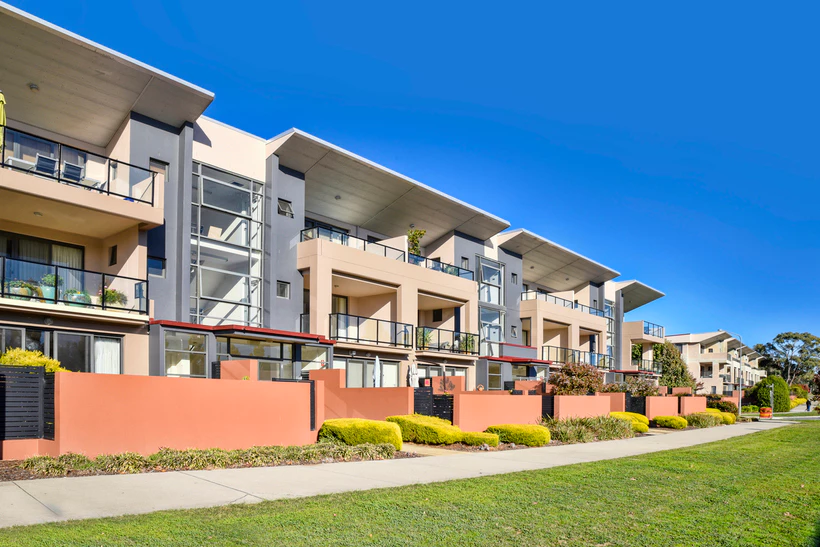
Decoding Biophilic Homes: An Inherent Connection to Life
At its core, a Biophilic Home is an apartment designed to foster “biophilia,” a term coined by E.O. Wilson, meaning “love of life” or “an innate human tendency to connect with nature and other living systems.” This isn’t a whimsical architectural trend; it’s a science-backed understanding that human well-being is intrinsically linked to exposure to natural environments. Studies continue to reveal that regular interaction with nature can significantly reduce stress, enhance cognitive function, boost creativity, and even accelerate healing.
In 2025, biophilic design moves beyond mere aesthetics, embedding these principles deeply into the very fabric of residential buildings. It’s about creating living spaces that aren’t just eco-friendly but are also “people-friendly,” directly addressing the psychological and physiological needs of their inhabitants. This means reimagining everything from material selection to airflow dynamics, all with a singular goal: to bring the rejuvenating power of the natural world directly into our homes.
The Essential Characteristics: Nature’s Blueprint for Urban Dwellings
What distinguishes a truly biophilic apartment from a conventional one? It’s a deliberate, multi-faceted integration of natural elements and patterns. In 2025, the sophistication of these integrations is reaching new heights, offering residents an unparalleled connection to nature.
Abundant Natural Light and Dynamic Daylighting: Forget dimly lit interiors. Biophilic apartments prioritize maximizing natural light, reducing the reliance on artificial illumination during daylight hours. This extends beyond just large windows. We’re seeing advanced glazing technologies that optimize solar gain, smart shading systems that track the sun’s path, and strategically placed light shelves and reflective surfaces that bounce natural light deep into the living space. The goal is to mimic the dynamic ebb and flow of natural light, regulating circadian rhythms and boosting mood. Imagine living in a home where the sunrise naturally awakens you and the gentle shift of light throughout the day dictates your energy levels, much like being outdoors.
Integrated Greenery: From Potted Plants to Vertical Ecosystems: This is perhaps the most iconic feature. Biophilic designs go far beyond a few indoor plants. Think living walls that purify air and provide a visual spectacle, integrated planters within the architecture, and sprawling rooftop gardens that serve as community hubs and urban farms. Balconies are evolving into verdant personal oases, extending living spaces into the natural world. These green elements not only enhance aesthetics but are vital for improving indoor air quality, filtering pollutants, and releasing oxygen. In 2025, smart irrigation systems and low-maintenance native plant selections make these green integrations more sustainable and accessible than ever before, fostering biodiversity even in dense urban settings.
Natural and Sustainable Materiality: The tactile experience of a home is critical. Biophilic designs favor natural, locally sourced, and sustainable materials like responsibly harvested wood, stone, bamboo, cork, and recycled content. Beyond their aesthetic appeal, these materials often have lower embodied energy, reduced volatile organic compound (VOC) emissions, and offer a sensory richness that synthetic materials simply cannot replicate. The trend in 2025 is towards circular economy principles, where materials are chosen for their durability, recyclability, and ability to biodegrade, minimizing environmental impact throughout their lifecycle. This focus also extends to biocomposite materials and innovative earth-based finishes.
Integrated Water Features: The gentle sound and sight of water have a profoundly calming effect. Biophilic apartments often incorporate subtle water elements, from small indoor fountains that humidify the air to integrated rainwater harvesting systems that feed internal ponds or outdoor landscaping. These features provide a soothing auditory backdrop, enhance humidity, and create a sense of tranquility, mimicking natural streams or rainfall.
Seamless Integration with Outdoor Spaces: The line between indoor and outdoor blurs. Expansive balconies, private terraces, and shared courtyards are not afterthoughts but integral extensions of the living space. Operable glass walls, retractable screens, and intelligently designed transitions allow residents to effortlessly move between environments, enhancing natural ventilation and fostering a direct, continuous connection to the outdoors. In urban settings, this often translates to shared amenity spaces that become lush, biodiverse retreats, perfect for relaxation or social interaction.
Earthy Color Palettes and Organic Forms: The aesthetic choices within a biophilic home consciously echo the natural world. Color palettes draw from greens, blues, browns, and natural whites, creating a calming and harmonious environment. Furthermore, designers are incorporating organic shapes, curves, and non-linear patterns – reflecting natural fractals found in leaves or riverbeds – rather than rigid, angular forms, which can evoke a more soothing and dynamic visual experience.
Wildlife-Friendly Design Elements: Beyond human occupants, biophilic design acknowledges the broader ecosystem. Bird feeders, nesting boxes, and pollinator-friendly plants are often integrated into balconies and rooftop gardens, attracting local wildlife and fostering a sense of interconnectedness with the surrounding natural environment. This often includes bird-friendly glass and lighting strategies that minimize light pollution.
Why Biophilic Homes Are the Indispensable Solution for 2025 Urban Living
The rise of biophilic apartments isn’t a fleeting trend; it’s a necessary evolution driven by pressing societal and environmental needs. These homes offer concrete solutions to some of the most pervasive problems faced by urban populations today.
A Sanctuary for Health and Well-being: In an era grappling with mental health challenges and chronic stress, biophilic homes offer a crucial antidote. The constant exposure to natural light, greenery, and natural sounds has been scientifically proven to reduce cortisol levels, improve mood, enhance focus, and even bolster the immune system. For residents, this translates to a peaceful sanctuary from the urban grind, promoting better sleep, increased energy, and an overall improved quality of life. This focus on “wellness real estate” is a major driver, as consumers increasingly prioritize spaces that actively contribute to their physical and mental health.
A Pillar of Environmental Sustainability: With climate change demanding urgent action, biophilic homes stand at the forefront of eco-friendly living. The emphasis on natural, sustainable materials drastically reduces embodied carbon. Energy-efficient designs, optimized natural ventilation, and integrated green spaces contribute to lower operational energy consumption, reducing carbon footprints and utility bills. Furthermore, rooftop gardens and living walls help mitigate the urban heat island effect, improve local air quality, and support urban biodiversity. These homes are not just sustainable; they are often regenerative, contributing positively to the local ecosystem.
Enhanced Property Value and Investment Resilience: As awareness grows, so does demand. Developers are increasingly recognizing the significant market value of biophilic properties. Buyers and renters are willing to pay a premium for homes that offer superior health benefits, environmental credentials, and a unique connection to nature. This makes biophilic apartments a savvy investment in the long term, promising higher returns and resilience in a market that increasingly values responsible and wellness-centric living. Investors are actively seeking “green building trends” that align with ESG (Environmental, Social, Governance) criteria.
Reconnecting with an Increasingly Urbanized Population: As cities expand, our natural surroundings often recede. Biophilic homes offer a vital bridge, allowing urban dwellers to maintain a deep, meaningful connection to nature without sacrificing the conveniences of city life. This addresses a deep-seated human longing, fostering a sense of place, calm, and wonder often lost in dense urban environments. It’s about bringing the peace of a forest or the tranquility of a garden into one’s daily existence.
Superior Indoor Air Quality and Respiratory Health: The integration of abundant indoor and outdoor greenery significantly enhances air quality. Plants act as natural air purifiers, absorbing common indoor toxins like formaldehyde and benzene, while releasing oxygen. Combined with optimized natural ventilation strategies and a focus on low-VOC materials, biophilic apartments offer an environment with demonstrably cleaner, healthier air, addressing a critical concern for urban residents prone to respiratory issues.
The Evolution in 2025: Biophilic Design Meets Smart Technology
The future of biophilic homes is not just about bringing plants indoors; it’s about intelligent integration. In 2025, we’re witnessing the convergence of biophilic principles with cutting-edge technology, creating truly dynamic and responsive living environments.
AI-Driven Environmental Control: Smart home systems are evolving to autonomously manage natural light, temperature, humidity, and ventilation, optimizing indoor conditions to mimic natural patterns and respond to occupant needs, enhancing comfort and energy efficiency.
Automated Vertical Farms and Hydroponics: For city dwellers, the dream of growing fresh produce is becoming a reality within apartment complexes. Integrated vertical farms, often managed by smart systems, offer residents access to hyper-local, organic food, fostering self-sufficiency and community engagement.
Sensory Enhancements: Beyond visual greenery, biophilic apartments are exploring soundscapes (e.g., gentle water features, natural sound simulations), aromatherapy (diffusers with natural essential oils), and tactile experiences through textured materials to engage all senses.
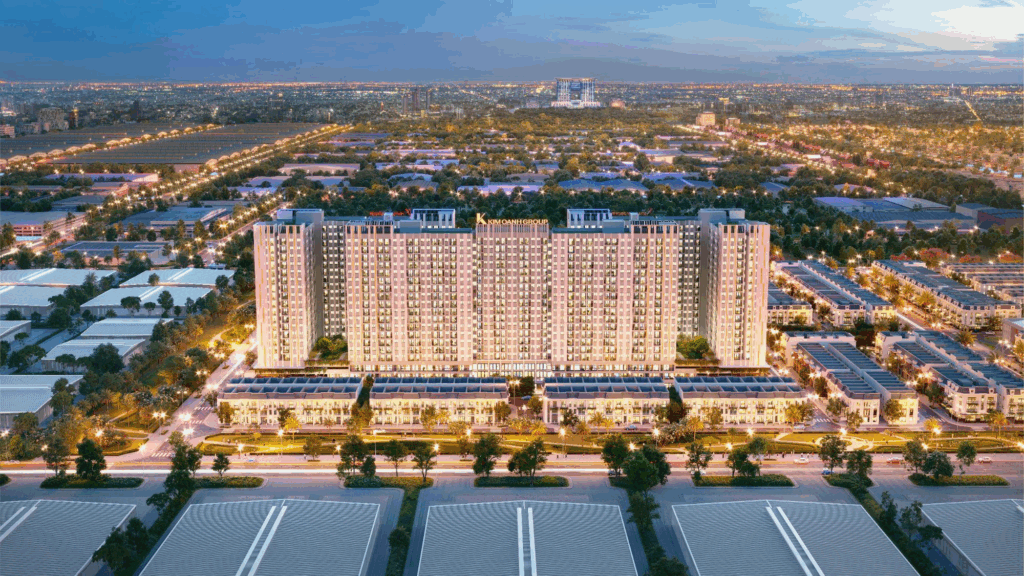
Biophilic Neighborhoods: The concept is expanding beyond individual units to entire communities. Master-planned biophilic neighborhoods integrate extensive green corridors, community gardens, permeable surfaces for stormwater management, and shared outdoor amenities that prioritize ecological health and human interaction.
Overcoming the Hurdles: Making Biophilia Accessible
While the benefits are clear, some might raise concerns about cost or practicality. However, the industry is rapidly evolving to address these.
Addressing Cost: While initial investment might be higher, the long-term returns on biophilic homes—including reduced energy costs, increased property value, and significant health benefits—often outweigh the upfront expense. Furthermore, government incentives for green building, advancements in sustainable material production, and economies of scale are making biophilic design more accessible.
Space Constraints in Urban Settings: Innovative solutions like modular construction, compact vertical gardens, and multi-functional green spaces demonstrate that biophilic principles can be applied effectively even in high-density urban environments. It’s about smart, efficient design.
Maintenance: Modern biophilic designs often incorporate low-maintenance native plant species and automated irrigation systems. Furthermore, building management services are increasingly offering specialized care for integrated green infrastructure, making maintenance seamless for residents.
Embracing the Biophilic Future: A Call to Action
The future of apartment construction, particularly in the United States, is undeniably headed in a biophilic direction. As our understanding of human needs and environmental imperatives deepens, the demand for homes that nurture both people and planet will only continue to rise. Biophilic Homes are more than a trend; they represent a fundamental shift towards a healthier, more balanced, and sustainable way of life.
For potential homeowners and renters, seeking out biophilic apartments means investing in your health, well-being, and a connection to the natural world often missing in modern urban existence. For property developers and investors, embracing biophilic design is not just a moral imperative but a sound economic strategy, positioning projects at the forefront of the market with strong appeal and lasting value. For city planners and policymakers, it’s an opportunity to shape urban landscapes that truly support the flourishing of life.
In 2025, we are no longer asking if biophilic homes are a good idea, but rather, how quickly we can integrate these vital principles into every new construction and retrofit. By championing this approach, we are not just building better apartments; we are building healthier lives, more resilient communities, and a more sustainable future for all. The solution to the urban dilemma is here, and it’s beautifully natural.