


Beyond Concrete Jungles: How Biophilic Homes are Redefining Urban Living in 2025
For decades, urban apartment living meant a trade-off: convenience for connection, accessibility for atmosphere. While the bustling energy of city life drew millions, it often came at the cost of green space, natural light, and the calming embrace of the outdoors. Fast forward to 2025, and this narrative is undergoing a radical transformation. The urban landscape is evolving, driven by a profound understanding of human well-being and environmental stewardship. At the forefront of this architectural revolution are Biophilic Homes – an innovative approach to apartment construction that isn’t just a trend, but a fundamental shift in how we conceive, design, and experience our living spaces.
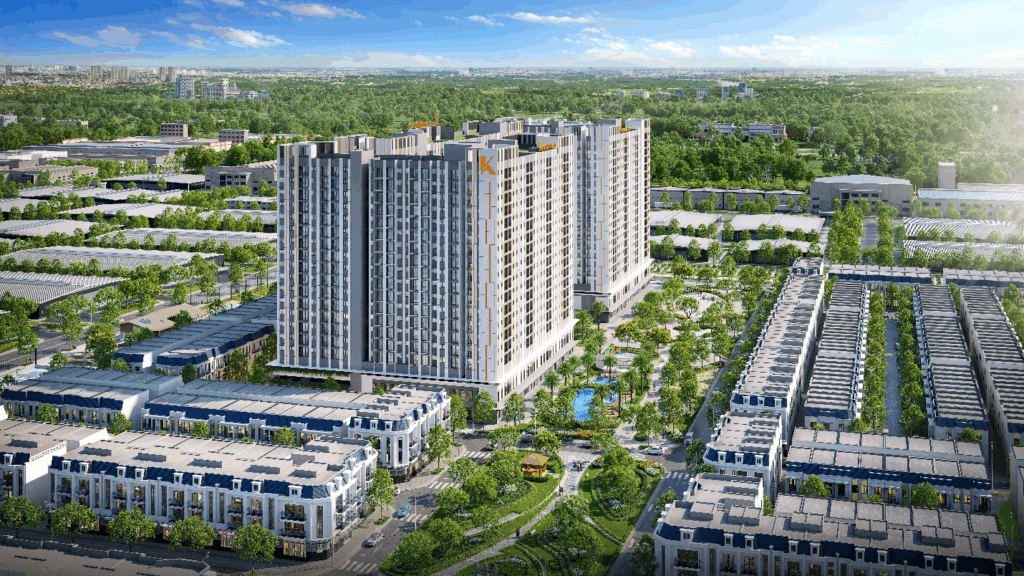
As an expert who has witnessed the evolution of apartment construction over the last ten years, I can confidently say that biophilic design is no longer a niche concept; it’s becoming the gold standard for high-quality, sustainable urban residences. It’s about more than just adding a few potted plants; it’s about intrinsically weaving nature into the very fabric of our buildings, recognizing our innate human need for a connection to the natural world – a need that only intensifies as our cities grow denser.
The Biophilic Blueprint: What Exactly Defines a Biophilic Home in 2025?
The term “biophilia,” stemming from the Greek “bios” (life) and “philia” (love), perfectly encapsulates this design philosophy: a love of life, a deep-seated affinity for nature. Biophilic homes are apartments meticulously crafted to foster this connection, moving beyond mere aesthetics to create environments that actively enhance physical and mental health. In 2025, these aren’t merely “green” buildings; they are “living” buildings, breathing in harmony with their occupants and the broader ecosystem.
Let’s break down the core characteristics that define these next-generation urban sanctuaries:
Maximized Natural Light and Views: Forget dimly lit interiors. Biophilic apartments prioritize an abundance of natural light, often through expansive, floor-to-ceiling windows, strategically placed skylights, and open-plan layouts that allow light to penetrate deep into the living space. Smart glass technology is increasingly common, automatically adjusting tint to optimize light and temperature while preserving panoramic views of the sky or surrounding greenery. The goal is not just illumination, but a dynamic interplay of light and shadow that mimics natural cycles, aiding circadian rhythms and boosting mood.
Integrated Greenery and Biodiversity: This goes far beyond a windowsill herb garden. We’re talking about living walls that purify air and cool interiors, rooftop gardens that provide communal green space and even urban agriculture opportunities, and private balconies designed as miniature natural havens. Native plant species are favored, attracting local pollinators and birds, thereby enhancing urban biodiversity. Water-efficient irrigation systems and smart sensors ensure these green elements thrive with minimal environmental impact. The visual and tactile presence of greenery is constant, creating a calming, restorative atmosphere.
Natural and Sustainable Material Palette: The choice of materials is fundamental. Biophilic homes predominantly feature natural, sustainably sourced, and often locally procured materials such as exposed timber, reclaimed wood, natural stone, bamboo, and cork. These materials not only contribute to a warm, inviting aesthetic but also boast lower embodied energy, reduced off-gassing of volatile organic compounds (VOCs), and a smaller overall carbon footprint. The focus is on materials that tell a story, connect us to the earth, and contribute to improved indoor air quality.
Sensory Engagement with Water Features: The gentle sound and visual serenity of water are powerful biophilic elements. Small indoor fountains, rainwater harvesting features integrated into decorative elements, or even strategically placed outdoor ponds or reflective pools on terraces or courtyards, add a soothing, natural rhythm to the living environment. These features not only enhance the auditory and visual experience but can also contribute to passive cooling.
Seamless Indoor-Outdoor Integration: Biophilic design blurs the lines between interior and exterior. Large sliding glass doors open onto generous balconies, private terraces, or shared courtyards, creating fluid transitions that encourage outdoor living. These external spaces are not just appendages but integral parts of the home, often designed with seating, planters, and even outdoor kitchens, effectively expanding the usable living area and connecting residents directly with fresh air and natural elements.
Earthy Color Palettes and Textures: The color schemes within biophilic homes intentionally draw inspiration from nature. Greens, blues, browns, and muted earth tones dominate, creating a sense of calm and grounding. These are often complemented by organic textures – rough-hewn wood, natural stone finishes, woven fabrics – that engage our tactile senses and further reinforce the connection to the natural world.
Harmonious Spatial Design: Beyond individual elements, the overall layout and flow of biophilic apartments emphasize open spaces, clear sightlines to nature, and designs that encourage movement and interaction with green features. This thoughtful spatial planning contributes to a sense of freedom, expansiveness, and mental clarity.
The Irresistible Ascendance: Why Biophilic Homes are the Future of Urban Living
The growing demand for biophilic residences in 2025 isn’t just an architectural fad; it’s a response to pressing societal needs and a deeper understanding of human flourishing. From sustainable apartment living to wellness architecture, these homes offer compelling advantages that resonate with today’s conscious consumers and forward-thinking developers.
Prioritizing Health and Well-being
This is perhaps the most significant driver. Decades of research have validated what intuitively we’ve always known: exposure to nature is profoundly beneficial for our health. Biophilic design directly addresses the “nature deficit disorder” prevalent in urban environments.
Stress Reduction and Mental Clarity: Studies consistently show that natural views, sounds, and light reduce cortisol levels, lower heart rates, and alleviate anxiety. Living in a biophilic home means a constant, subtle dose of nature’s calming influence, making them true sanctuaries from the relentless pace of city life. This directly contributes to improved mental health and cognitive function.
Enhanced Productivity and Creativity: Access to natural light and green elements has been linked to increased concentration, better problem-solving skills, and a boost in creative thinking. For those working remotely or seeking a stimulating home environment, these benefits are invaluable.
Improved Physical Health: Natural light helps regulate circadian rhythms, leading to better sleep quality. The presence of indoor plants contributes to cleaner air, reducing exposure to indoor pollutants and allergens, thereby bolstering the immune system. Increased access to outdoor spaces encourages physical activity and vitamin D absorption.
Unparalleled Environmental Benefits
In an era defined by climate consciousness, biophilic homes stand as beacons of eco-friendly urban design. Their principles are inherently aligned with sustainability goals, significantly reducing the environmental footprint of urban development.
Energy Efficiency: Maximizing natural light reduces reliance on artificial lighting, cutting electricity consumption. Living walls and rooftop gardens provide natural insulation, reducing heating and cooling loads and thereby lowering energy bills. Thoughtful building orientation and advanced glazing further enhance thermal performance.
Water Conservation: Many biophilic designs incorporate rainwater harvesting systems for irrigation of green spaces, reducing potable water consumption. Drought-tolerant native plants minimize the need for supplemental watering.
Reduced Urban Heat Island Effect: Extensive green roofs and vertical gardens help cool urban areas by absorbing sunlight and releasing moisture, mitigating the “heat island” effect caused by vast expanses of concrete and asphalt.
Sustainable Material Use: The emphasis on natural, recycled, and locally sourced materials dramatically reduces the embodied energy of construction and minimizes waste, contributing to a circular economy in building practices.
Increasing Property Value and Investment Appeal
For investors and homeowners alike, biophilic homes represent a sound financial decision. As the market matures and awareness grows, these properties command a premium.
Market Differentiation: In a competitive real estate market, biophilic features offer a distinct selling point, appealing to a growing demographic of environmentally conscious and wellness-focused buyers.
Higher Returns on Investment: Developers are recognizing the potential for higher rents and sale prices, driven by demand for future of real estate investment opportunities that align with modern values.
Long-Term Value Retention: As green building trends 2025 continue to accelerate, homes designed with these principles are future-proofed against changing consumer preferences and potential regulatory shifts towards more sustainable building codes. The inherent durability and timeless appeal of natural materials also contribute to long-term value.
Reconnecting with Nature in an Urbanized World
Our increasingly digital and urbanized existence has created a profound yearning for genuine connection with nature. Biophilic homes offer a vital antidote to this disconnect. They provide a tangible, daily experience of the natural world, right within the comfort of a modern apartment. This isn’t just about aesthetics; it’s about fulfilling an evolutionary need, fostering a sense of peace and belonging that urban dwellers often crave. It’s the ultimate answer to creating urban green spaces within the private realm.
Superior Indoor Air Quality
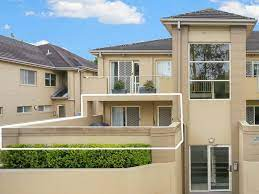
The focus on indoor plants and natural ventilation systems in biophilic design directly translates to significantly improved indoor air quality. Plants act as natural air purifiers, filtering out common indoor toxins like formaldehyde and benzene, while also increasing oxygen levels and regulating humidity. Coupled with the use of low-VOC materials, residents breathe easier, experiencing fewer respiratory issues and allergies. This emphasis on air quality improvement home features is a significant health benefit often overlooked in traditional apartment design.
Fostering Community and Social Connection
Many biophilic developments incorporate shared green spaces, rooftop gardens, and communal outdoor areas. These spaces naturally become hubs for social interaction, fostering a stronger sense of community among residents. Shared gardening initiatives, outdoor yoga classes, or simply gathering in a beautifully landscaped courtyard can enhance social well-being and reduce feelings of isolation – a critical aspect of community-focused biophilic developments.
Resilience and Climate Adaptation
In an era of unpredictable weather patterns and rising temperatures, biophilic designs inherently offer greater resilience. Green roofs help manage stormwater runoff, reducing strain on urban drainage systems. Natural ventilation and shading strategies contribute to passive cooling, making buildings more comfortable and less reliant on energy-intensive air conditioning during heatwaves. This makes them inherently low environmental impact housing solutions that are also adaptable to a changing climate.
From Blueprint to Reality: The Design Process and Overcoming Challenges
Creating a truly biophilic home is an intricate process that demands collaboration between architects, landscape designers, sustainability consultants, and even urban ecologists. It requires an integrated design approach from the initial concept phase, considering factors like solar orientation, prevailing winds, local flora and fauna, and even the psychological impact of different natural patterns.
While the benefits are clear, some challenges do exist:
Initial Investment: Biophilic designs, especially those incorporating extensive living walls or advanced sustainable technologies, can sometimes have a higher upfront cost compared to conventional builds. However, this initial investment is increasingly offset by long-term savings in energy and water, higher property values, and the invaluable benefits to occupant health and well-being. Developers are finding that the premium is justified by market demand.
Maintenance: Extensive greenery requires diligent care. However, advancements in automated irrigation systems, self-sustaining living walls, and the selection of resilient native plant species have made maintenance far more manageable for property managers and residents alike. Many developments offer dedicated horticultural services.
Space Constraints: In dense urban environments, integrating extensive green features can be challenging. Innovative solutions like vertical gardens, green facades, and multi-functional rooftop spaces are key to maximizing nature’s presence even on compact sites.
Embracing the Biophilic Horizon: A New Standard for Living
The year 2025 marks a pivotal moment in urban development. The days of stark, disconnected concrete towers are giving way to vibrant, breathable, and deeply restorative living environments. Biophilic Homes are more than just an architectural style; they represent a fundamental shift in our understanding of what a home truly is – a place that nurtures us, connects us to the world around us, and contributes positively to the planet.
For developers, investing in biophilic design isn’t just about constructing buildings; it’s about building communities and legacies. For potential homeowners, choosing a biophilic apartment isn’t just about buying property; it’s about investing in a healthier, happier, and more sustainable lifestyle. As cities continue to grow and our collective awareness of environmental and personal well-being deepens, these nature-integrated residences will not only stand out but will set the benchmark for urban living for decades to come. The future of apartment construction is undeniably green, deeply human, and here to stay.