


Your 2025 Homeownership Blueprint: Navigating the Choice Between a Freestanding Home and a Condominium
Welcome to the exciting, sometimes daunting, landscape of the American housing market in 2025. For prospective buyers, the age-old debate between owning a freestanding home (what many might call a “villa” or single-family residence) and a condominium is more nuanced than ever. With a decade of navigating these complex waters, I’m here to tell you that this isn’t just about square footage; it’s about lifestyle, financial strategy, and your long-term vision. As the market continues its dynamic evolution, influenced by shifting interest rates, inventory fluctuations, and evolving consumer preferences, making an informed decision requires a deep dive. This definitive guide will cut through the noise, providing you with the insights of an industry veteran to help you confidently select your ideal dwelling.
The Evolving Landscape of Homeownership in 2025: A Macro View
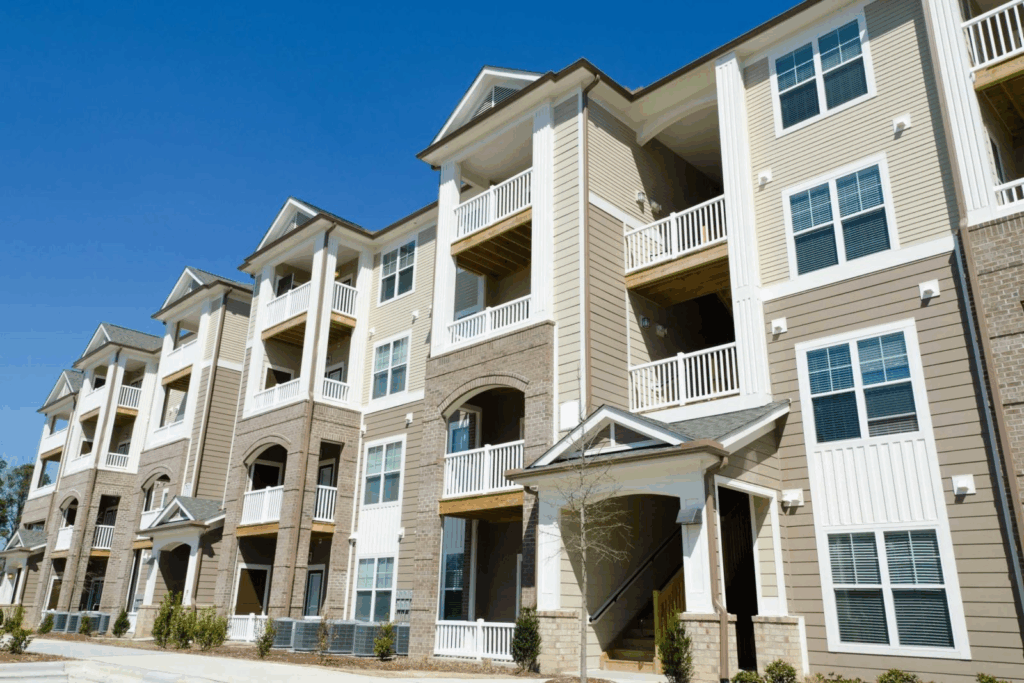
The 2025 real estate market presents a unique blend of opportunities and challenges. We’re observing persistent demand in many urban and suburban centers, even as interest rates have found a new equilibrium. Inflationary pressures on construction costs mean new builds remain pricey, while limited existing inventory often fuels competitive bidding. Remote and hybrid work models continue to reshape what “commute” means, broadening the scope of desirable locations. Beyond the numbers, buyers are prioritizing sustainability, smart home technology, and a robust sense of community more than ever before. Understanding these underlying currents is crucial as we compare the two distinct paths to homeownership. Your choice between a freestanding home and a condominium isn’t merely transactional; it’s a strategic move within a sophisticated, constantly moving ecosystem.
Deconstructing “Space”: More Than Just Square Footage
When evaluating a freestanding home versus a condominium, “space” extends far beyond the number on a floor plan. It encompasses the entirety of your living environment, both indoors and out, and the flexibility it affords your lifestyle.
The Freestanding Home: Expansive Horizons and Private Domains
Opting for a freestanding home, often a single-family residence, typically means securing a larger interior footprint. We’re talking about multi-level living, dedicated rooms for home offices (a non-negotiable for many in 2025), private gyms, and hobby spaces that can be customized to your heart’s content. This isn’t merely about having more room; it’s about having flexible room – space that can adapt as your family grows, your career evolves, or your passions ignite.
Crucially, freestanding homes offer the coveted luxury of private outdoor spaces. Picture a sprawling backyard for entertaining, a tranquil garden sanctuary, or a patio perfect for al fresco dining. In a world increasingly valuing privacy and personal retreats, this private acreage is a premium asset. It’s where children play freely, pets roam securely, and you can host gatherings without communal constraints. From an investment standpoint, the land component of a single-family home is often a significant driver of long-term capital appreciation, offering a robust foundation for wealth building through real estate. The ability to embark on custom home builds or extensive renovations also allows owners to significantly enhance property value and tailor their environment precisely.
The Condominium: Efficient Living and Vertical Integration
Condominiums, on the other hand, champion efficient, often open-concept living within a more compact footprint. While individual units might be smaller, their design prioritizes maximizing usable space, often featuring clever storage solutions and integrated layouts. These are ideal for those who prioritize a low-maintenance lifestyle without sacrificing prime location.
Outdoor space in a condominium typically translates to a private balcony, terrace, or sometimes a small patio, offering a vertical slice of the outdoors. While not as expansive as a freestanding home’s yard, these spaces can still provide a breath of fresh air, a spot for container gardening, or a stunning city view. For urban condo living, this can be a significant perk. The trade-off is often a vibrant, accessible lifestyle where less time is spent on property upkeep and more on experiencing the city. When considering compact living solutions, modern condos are often designed with high-end finishes and smart technology integrated, offering luxury in a smaller package.
Expert Insight: The true cost of space isn’t just the purchase price; it’s the ongoing commitment. A larger freestanding home demands more time and resources for maintenance, landscaping, and utilities. A condo, while smaller, typically offers outsourced maintenance through HOA fees, freeing up your time but adding a fixed monthly expense. Your generational preferences and desire for hands-on property management play a critical role here.
Lifestyle & Amenities: Crafting Your Daily Experience
The amenities a property offers are paramount to your daily life. They define comfort, convenience, and opportunities for recreation and community engagement.
Freestanding Homes: The Apex of Private Luxury
With a freestanding home, amenities are typically private and exclusive to your property. This can range from a meticulously designed private pool and spa, a fully equipped home gym, a dedicated media room, or even extensive smart home technology features that control everything from lighting to climate and security with a tap. Luxury backyard design, including outdoor kitchens and elaborate landscaping, is a common pursuit. This provides an unparalleled sense of seclusion and the freedom to enjoy your spaces exactly how you envision them, without sharing schedules or contending with others.
The flip side, of course, is that you bear 100% of the responsibility for the installation, maintenance, and repair of these private luxuries. A private pool installation cost, for instance, includes not just construction but ongoing chemical treatments, cleaning, and potential repairs. However, for those seeking ultimate autonomy and tailored experiences, the investment in these private amenities significantly enhances quality of life and often contributes to higher property value, especially in a competitive luxury real estate market. Gated community homes often combine the privacy of a freestanding home with some shared security features, offering a hybrid model.
Condominiums: Shared Luxury and Community Hubs
Condominiums excel in providing access to an impressive array of shared, often high-end amenities that would be prohibitively expensive to maintain privately. Think state-of-the-art fitness centers, refreshing swimming pools (without the personal upkeep), luxurious co-working spaces perfect for the hybrid professional, stunning rooftop lounges with panoramic city views, and even convenient pet spas. Many modern developments also offer concierge services, secure package delivery systems, and robust building-wide Wi-Fi infrastructure.
These shared amenities foster a vibrant sense of community. Organized events, social gatherings, and casual encounters in common areas can lead to strong neighborly bonds. The responsibility for maintaining these amenities, from the building’s exterior to the gym equipment, falls to the Homeowners Association (HOA), funded by your monthly HOA fees. This model offers outsourced luxury, providing a resort-like lifestyle without the associated chores. For those who thrive in social environments and value convenience, the urban lifestyle amenities of a luxury condo can be incredibly appealing.
Expert Insight: In 2025, the demand for integrated smart home technology and sustainable features is growing across both property types. However, condos often benefit from economies of scale for these upgrades at a building level. Consider whether you prefer the solitude of a private domain or the convenience and social opportunities of a community hub. Your decision impacts not just your leisure but also your social fabric.
Location, Location, Location: Strategic Placement in 2025
The axiom “location, location, location” remains immutable, but its interpretation in 2025 is dynamic. Your choice of a freestanding home or condominium often dictates your geographic possibilities and access to desired services.
Freestanding Homes: Suburban Serenity and Exurban Potential
Freestanding homes are predominantly found in suburban or exurban areas, offering larger lots, a quieter environment, and often access to highly-rated public school districts – a significant driver for families. While historical commute times to central business districts were a major consideration, the prevalence of hybrid work models has softened this impact, allowing buyers to venture further afield in search of value and space.
These locations often promise a peaceful retreat from urban hustle, more green space, and a stronger sense of neighborhood community often centered around parks and local events. From a real estate investment perspective, suburban housing markets continue to show resilience, with property value appreciation often tied to community development, infrastructure improvements, and the desirability of local schools. Emerging commuter towns, for example, offer compelling long-term investment prospects.
Condominiums: Prime Urban Cores and Walkable Vibrancy
Condominiums are strategically concentrated in prime urban cores, downtown districts, and highly desirable, walkable neighborhoods. This places residents at the epicenter of cultural attractions, diverse dining options, vibrant nightlife, and often, proximity to major employment hubs. Access to robust public transportation systems is a key advantage, reducing reliance on personal vehicles and contributing to a more sustainable lifestyle.
The convenience factor of downtown real estate is unparalleled. Imagine stepping out your door directly into a bustling cafe, a world-class museum, or your workplace. While the cost per square foot for urban investment property is typically higher, buyers are paying a premium for this unmatched accessibility and the dynamic urban experience. The “15-minute city” concept, where all essential services are within a short walk or bike ride, is epitomized by condominium living.
Expert Insight: Hybrid work has blurred the lines, allowing some to enjoy suburban space while only commuting a few days a week. However, the appeal of immediate access to amenities and robust public transport in urban centers remains strong, particularly for younger professionals and empty-nesters. Evaluate your daily routine and prioritize what truly matters: a tranquil retreat or an electrifying urban pulse.
The Financial Calculus: Budgeting, Investment, and Future Value
Understanding the financial implications is perhaps the most critical aspect of this decision. Both property types represent significant financial commitments, but their cost structures, investment potentials, and wealth-building trajectories differ considerably.
Freestanding Homes: Higher Upfront, Substantial Equity Growth
A freestanding home generally entails a higher upfront cost, requiring a larger down payment and often a more substantial mortgage. This is particularly true for high-end properties and luxury real estate investments. Beyond the purchase price, owners face ongoing costs including property taxes, which can be significant depending on the location, comprehensive home insurance, and utilities (heating, cooling, water, electricity) which can be higher due to larger square footage.
The most considerable financial commitment often lies in maintenance and repairs. From roof replacements and HVAC system upgrades to landscaping and general upkeep, these costs are entirely the homeowner’s responsibility. Setting aside an annual budget for these eventualities is crucial. However, the long-term investment potential of a freestanding home can be substantial. Equity builds not only through mortgage payments but significantly through capital appreciation, particularly as land values increase. It’s often viewed as a cornerstone for long-term real estate investment and wealth building through property, offering a tangible asset that can appreciate considerably over decades. Moreover, tax deductions on mortgage interest and property taxes can soften the financial blow. Keeping an eye on mortgage rates 2025 will be key for new buyers.
Condominiums: Accessible Entry, Structured Costs
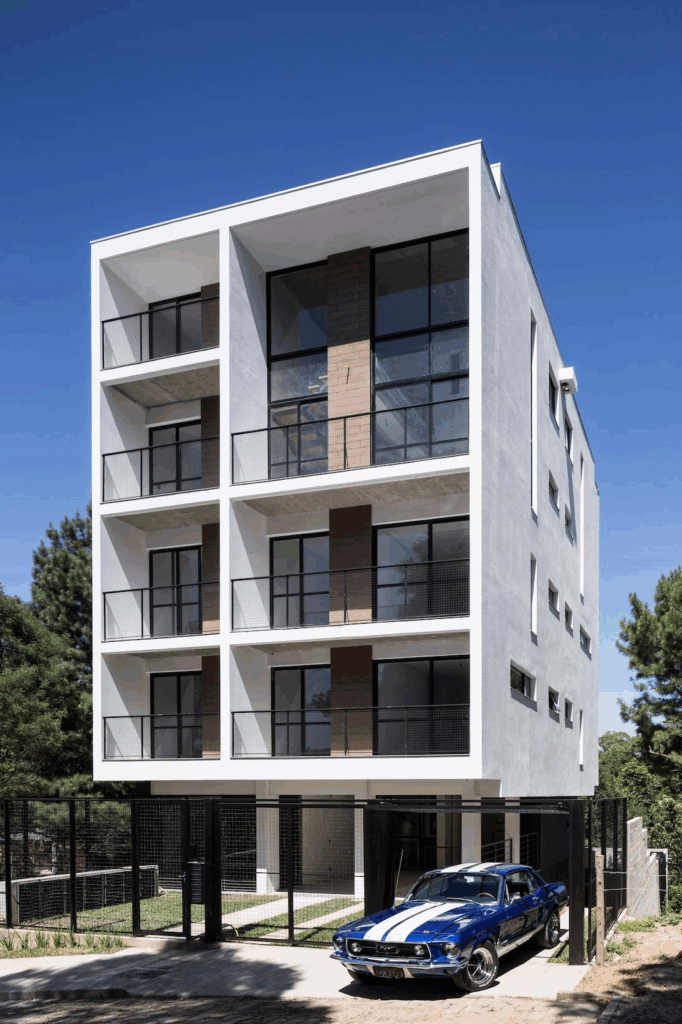
Condominiums often provide a more accessible entry point into homeownership with a potentially lower purchase price and, consequently, a more manageable down payment and mortgage. This can be particularly appealing for first-time homebuyers or those looking for an investment property without the full responsibility of a freestanding structure. Condo financing options are generally similar to traditional mortgages, but lenders may require certain building criteria.
The financial structure, however, includes a distinct component: Homeowners Association (HOA) fees. These monthly fees cover the maintenance of shared amenities, common areas, building insurance, and often utilities like water and trash. While they add to your monthly outlay, they replace many of the unpredictable maintenance costs associated with a freestanding home, making budgeting more predictable. It’s crucial to thoroughly investigate HOA dues impact, reserves, and potential special assessments. Property taxes and individual unit insurance are still your responsibility.
From an investment perspective, condominiums can offer steady appreciation, especially in desirable urban markets. They are often a great way for individuals to diversify their real estate portfolio, providing a more hands-off investment property analysis. While capital appreciation may not always match that of a freestanding home with significant land value, condos in prime locations tend to hold their value well and can offer excellent rental income potential.
Expert Insight: Beyond the sticker price, always calculate the total cost of ownership for both options. This includes mortgage, taxes, insurance, utilities, HOA fees (for condos), and a realistic budget for maintenance/repairs (for freestanding homes). The impact of interest rates in 2025 cannot be overstated; even small fluctuations can significantly alter your monthly payment. Consider your financial comfort level with fixed versus variable costs.
Making Your Decision: A Tailored Approach in 2025
There’s no universally “better” choice between a freestanding home and a condominium; it’s an intensely personal decision that must align with your unique priorities, financial situation, and lifestyle aspirations in the dynamic environment of 2025.
Ask yourself these critical questions:
Space & Privacy: Do you crave extensive private outdoor space and the flexibility of multi-level living, or do you prefer an efficient, low-maintenance interior with outsourced outdoor care?
Lifestyle & Amenities: Are exclusive, private amenities paramount, even with the responsibility of maintenance, or do you value access to a wide array of shared, high-end amenities and a vibrant community atmosphere?
Location & Convenience: Is a serene suburban or exurban setting with greater land appeal more important, or do you prioritize the unparalleled convenience, walkability, and cultural vibrancy of an urban core?
Financial Goals: Are you prepared for the higher upfront costs and ongoing maintenance responsibilities of a freestanding home, with its potential for significant capital appreciation, or do you prefer the more predictable, structured costs of a condominium, even with HOA fees? What role does this property play in your broader wealth building strategy or real estate portfolio diversification?
Consider your current life stage, future plans (family growth, retirement), and your comfort level with risk and responsibility. The 2025 market is ripe with opportunities for both types of properties, but the right fit depends entirely on you.
Conclusion: Your Home, Your Future
As we conclude this journey through the modern American housing landscape, it’s clear that the choice between a freestanding home and a condominium is a multifaceted one. It’s a decision that weaves together personal preferences, financial prudence, and a keen eye on current and future market trends. From the spacious elegance and investment security of a single-family home to the efficient luxury and community benefits of a condominium, both paths offer distinct advantages. Armed with the insights of a seasoned professional and a clear understanding of your needs, you are now equipped to make a choice that resonates with your vision for 2025 and beyond.
Ready to transform these insights into action? Don’t navigate the complexities of the 2025 real estate market alone. Connect with a local real estate expert today to pinpoint the perfect property that aligns with your specific vision, financial goals, and desired lifestyle. Your dream home awaits.