
The Definitive Guide to Home Ownership: Navigating the Villa vs. Apartment Dilemma in Today’s Market
Welcome to the thrilling, often complex, landscape of home ownership. As a real estate professional with over a decade of hands-on experience navigating diverse market cycles and client aspirations, I’ve witnessed firsthand the pivotal moment many prospective buyers face: the choice between a villa and an apartment. This isn’t just a transaction; it’s a foundational lifestyle decision, a significant financial investment, and a commitment to a particular way of living. In an ever-evolving market, especially with the shifts we’ve seen through 2020 and looking ahead to 2025 trends, understanding the nuances of the villa vs. apartment debate is more crucial than ever. This comprehensive guide aims to arm you with the insights necessary to make an informed, confident decision about your dream property.
Deconstructing “Home”: More Than Just Four Walls
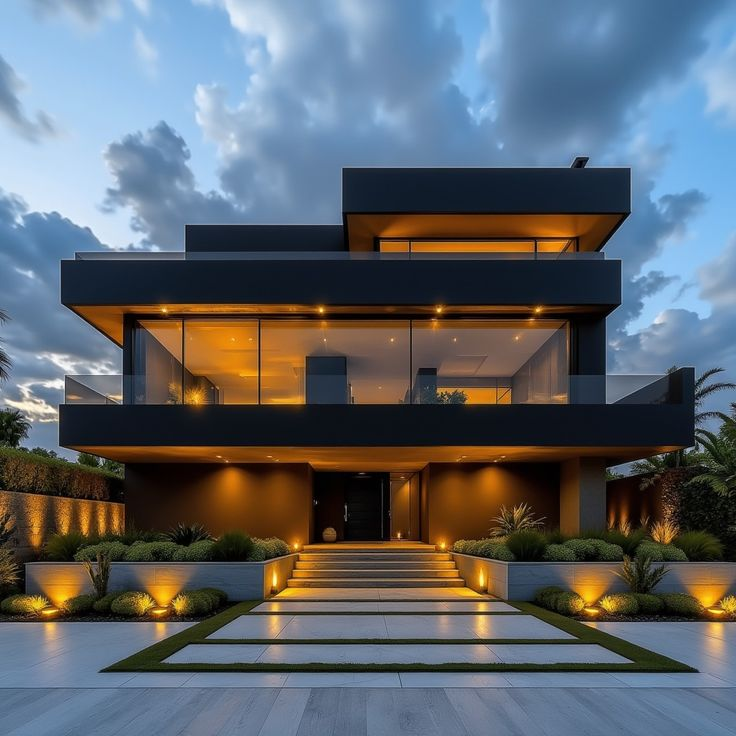
When we talk about choosing between a villa or apartment, we’re discussing far more than just the physical structure. We’re weighing privacy against community, expansive individual control against shared conveniences, and long-term maintenance commitments against streamlined living. My clients often come to me with a general idea, but the devil, as they say, is in the details – and in truly aligning that idea with their real-world needs, financial capacity, and future aspirations.
Space: The Ultimate Luxury or Unnecessary Burden?
One of the most immediate differentiators in the villa vs. apartment discussion is space. Villas, by their very definition, offer larger living areas, sprawling yards, and often multiple floors. This generosity of space is a significant draw for many.
The Villa Advantage: Room to Breathe and Grow
Expansive Interiors: A villa typically provides ample square footage, allowing for dedicated home offices (a critical component in our post-pandemic world), multiple bedrooms, bonus rooms, and larger communal areas. This makes them ideal for growing families, multi-generational living, or those who simply crave an abundance of personal space.
Private Outdoor Havens: Perhaps the most coveted feature of a villa is the private outdoor space. A backyard offers endless possibilities: gardening, a safe play area for children and pets, outdoor entertaining, or even the addition of a private pool. This immediate connection to nature, controlled entirely by you, is a luxury.
Freedom of Customization: With a villa, you’re the master of your domain. From architectural modifications and landscaping to interior design choices, the ability to tailor every inch of your property to your exact specifications is unparalleled. This contributes significantly to the feeling of a “bespoke home” and can enhance property value over time.
Long-Term Investment Potential: Often, a significant portion of a villa’s value lies in the land it sits on. Land tends to appreciate steadily over the long term, making a villa a robust real estate investment, particularly in desirable suburban or exurban areas that are experiencing consistent growth. This can lead to substantial equity building.
The Apartment Advantage: Optimized Living
Compact Efficiency: Apartments are designed for optimized living. They typically feature smaller, more manageable layouts that maximize every square foot. This translates to less to clean, less to furnish, and a generally more streamlined lifestyle. For singles, couples, or those looking to downsize, this efficiency is a major draw.
Urban Proximity: A prime benefit of apartment living is its typical location in vibrant urban centers or bustling suburban hubs. This grants residents unparalleled access to work, entertainment, dining, and cultural amenities, often within walking or short commuting distance.
Lower Maintenance Burden: This is perhaps the most frequently cited benefit of apartment living. Exterior maintenance, landscaping, roof repairs, and often even some internal repairs are typically handled by the building management or homeowner’s association (HOA). This frees up significant time and effort, making it ideal for busy professionals or those who prefer a “lock-and-leave” lifestyle.
Safety and Security: Many apartment complexes, especially high-rise buildings, offer enhanced security features such as controlled access, surveillance systems, and sometimes even a doorman or concierge. This provides residents with an added layer of peace of mind.
Amenities & Lifestyle: Community vs. Exclusivity
Beyond space, the array of amenities and the associated lifestyle profoundly influence the villa vs. apartment choice. Here, the distinction often boils down to private exclusivity versus shared convenience and community.
Villa: Your Private Playground
Exclusive Facilities: When you own a villa, any amenities you have are exclusively yours. A private swimming pool, a custom-built home gym, a sprawling garden, or a dedicated media room are all at your disposal without sharing or adhering to community rules. This offers unparalleled privacy and flexibility.
Autonomy and Control: The independence that comes with villa ownership extends to how you use and develop your property. There are no HOA rules dictating your garden aesthetics (beyond municipal ordinances), no shared common areas to compromise on, and complete freedom to personalize your leisure spaces.
Tailored Luxury: For those seeking premium housing options, a luxury villa allows for the ultimate in customized amenities – from smart home technology integrated throughout to specialized recreation rooms, reflecting a truly bespoke living experience.
Apartment: The Power of Shared Resources
Shared High-End Amenities: Apartment complexes, particularly luxury developments, often boast an impressive array of shared amenities that would be financially prohibitive for a single homeowner to maintain. Think state-of-the-art fitness centers, resort-style swimming pools, communal lounges, co-working spaces, rooftop terraces, dog parks, and even concierge services. These provide a high quality of life without the individual maintenance burden.
Built-in Community: One of the often-underestimated benefits of apartment living is the inherent sense of community. Shared spaces and organized social events can foster connections with neighbors, leading to friendships and a supportive environment. This community living aspect can be particularly appealing for new residents to a city or those seeking social interaction.
Convenience and Services: Many apartment buildings offer services designed to simplify daily life, such as package delivery management, dry cleaning services, and on-site maintenance staff. This level of convenience is a strong selling point for busy professionals or those prioritizing a hassle-free existence.
Location Considerations: The Heart of the Matter
The adage “location, location, location” holds true, and it plays a critical role in the villa vs. apartment decision. Your choice here largely dictates your daily commute, access to essential services, and overall quality of life.
Villa: Suburban Tranquility and Space
Peaceful Retreats: Villas are predominantly found in suburban or exurban areas, offering a quieter, more serene environment away from the urban bustle. This appeals to those seeking a slower pace of life, less noise pollution, and more green space.
Family-Friendly Environments: Suburban villa communities are often characterized by excellent school districts, family parks, and a generally safer, more community-oriented atmosphere for raising children.
Commute Trade-offs: While offering tranquility, villas typically necessitate a longer commute to urban work centers. However, with the rise of remote work and hybrid models, the significance of this trade-off has diminished for many, making suburban sprawl more appealing.
Access to Nature: Many villas are situated closer to natural landscapes, offering easy access to hiking trails, parks, and other outdoor recreational opportunities.
Apartment: Urban Vibrancy and Accessibility
Prime Urban Locations: Apartments are typically situated in the heart of cities, offering unparalleled access to major employment hubs, public transportation networks, and a vibrant cultural scene. This is ideal for those who thrive on the energy of city living.
Walkability and Connectivity: Many urban apartment neighborhoods are highly walkable, allowing residents to easily access restaurants, shops, and entertainment without needing a car. Proximity to public transit is also a huge plus, reducing reliance on personal vehicles and mitigating parking challenges.
Dynamic Lifestyle: For individuals who prioritize convenience, social engagement, and being at the pulse of urban development, an apartment in a central location is often the superior choice. This includes easy access to healthcare facilities, educational institutions, and a wide array of services.
Budgeting Wisely: A Financial Deep Dive
The financial implications are often the make-or-break factor in the villa vs. apartment equation. It’s not just about the sticker price; it’s about the total cost of ownership, ongoing expenses, and long-term investment returns. As a real estate consultant, I always advise clients to look beyond the initial purchase price.
Villa: Higher Upfront, Variable Ongoing Costs
Higher Purchase Price: Generally, villas command a higher purchase price than apartments due to their larger land area, greater square footage, and individual structure. This often translates to a larger down payment and a higher mortgage principal. For those seeking luxury real estate, a villa will almost always represent a more substantial initial outlay.
Property Taxes: Property taxes are typically higher for villas due to their higher assessed value, especially for larger properties in desirable areas. This is a significant ongoing expense.
Maintenance Expenses: The homeowner is solely responsible for all maintenance and repairs—roof, foundation, HVAC systems, plumbing, electrical, landscaping, exterior painting, and any private amenities like a pool. These costs can be substantial and unpredictable, requiring a dedicated budget for home maintenance.
Insurance: Homeowner’s insurance for a villa can be more expensive due to the larger size and potentially higher replacement cost.
Utilities: With more space to heat and cool, utility bills for a villa will generally be higher than for an apartment.
Potential for Appreciation: While the upfront costs are higher, the long-term appreciation potential for a villa can be very strong, especially in areas with limited land availability. The land component offers a solid hedge against inflation. This makes it a strong choice for those looking for an investment property with substantial equity growth.
Apartment: More Budget-Friendly Entry, Predictable Fees
Lower Entry Point: Apartments typically offer a more budget-friendly entry into the housing market, making them accessible to first-time home buyers or those with a more constrained budget. The initial mortgage advice often highlights the affordability of apartment loans.
Homeowner’s Association (HOA) Fees: This is the critical ongoing cost for apartment owners. HOA fees cover the maintenance of common areas, amenities, building insurance, security, and sometimes even specific utilities. While these fees can be substantial, they offer predictability and consolidate many expenses that a villa owner would manage individually. It’s crucial to thoroughly vet the HOA’s financial health and management practices.
Property Taxes: Property taxes for apartments are generally lower than for villas due to the smaller individual footprint and shared land ownership.
Fewer Direct Maintenance Costs: As mentioned, most exterior and common area maintenance is covered by HOA fees, significantly reducing the homeowner’s direct responsibility and unexpected repair bills. This appeals to buyers seeking lower property management services.
Utilities: With less space, utility costs for heating and cooling are typically lower in apartments.
Market Liquidity: Apartments, particularly in high-demand urban markets, can often be easier to sell or rent out, offering greater liquidity for your investment.
The Long-Term Vision: Adaptability and Future-Proofing
As an industry expert, I always encourage my clients to consider their five-year, ten-year, and even twenty-year plans when making a home purchase. Will the property adapt to your changing life stages?
Villa: A Canvas for Life’s Chapters
Adaptability for Families: A villa can easily accommodate a growing family, offer space for aging parents, or transform as children leave the nest, with rooms converting from nurseries to home gyms or hobby spaces.
Work-from-Home Integration: Dedicated office spaces, quiet nooks, and the ability to expand broadband infrastructure make villas excellent for long-term remote work scenarios.
Legacy and Generational Wealth: For many, a villa represents more than just a home; it’s a legacy to pass down, a tangible asset contributing to generational wealth.
Apartment: Flexibility and Mobility
Ideal for Dynamic Lifestyles: An apartment provides significant flexibility for those whose careers might require relocation, or who simply enjoy the freedom to move without the burden of extensive property management.
Downsizing Potential: For empty nesters or retirees, an apartment offers a perfect solution for downsizing, shedding the responsibilities of a large home while retaining access to amenities and community.
Investment Income: Many apartment owners find their properties ideal for rental income, offering a consistent revenue stream, especially in strong rental markets. This can be a compelling draw for those seeking an investment property.
Making the Decision: A Holistic Approach
Ultimately, the choice between a villa vs. apartment is deeply personal, reflecting your unique priorities, financial capacity, and lifestyle aspirations. There’s no single “better” option; there’s only the best fit for you.
Consider Your Lifestyle: Are you a homebody who loves gardening and DIY projects, craving privacy and expansive space? Or do you thrive on urban energy, appreciate shared amenities, and prefer a low-maintenance lifestyle?
Assess Your Financial Comfort: Can you comfortably afford the higher upfront costs, property taxes, and ongoing maintenance of a villa, or do the more predictable, often lower, costs of an apartment and its HOA fees align better with your budget?
Evaluate Your Long-Term Goals: Do you envision a family home that you can customize and pass down, or do you prioritize flexibility, ease of movement, and access to city life?
Think About Your Future Needs: How might your space requirements change in the next 5-10 years? Will you need more room for a family, or are you preparing to downsize?
Final Thoughts and Your Next Step
From my decade in the trenches of the real estate market, I can tell you that the most successful home buyers are those who take the time to truly understand their needs, thoroughly research their options, and seek expert guidance. The villa vs. apartment decision is a significant crossroads, impacting not just your finances but your daily life and future trajectory.
This article has laid out the critical considerations, updated for today’s market dynamics and looking towards 2025. Now that you’re armed with this comprehensive insight, the next crucial step is to translate this knowledge into action. Whether your heart leans towards the sprawling privacy of a villa or the vibrant, convenient lifestyle of an apartment, reach out to a trusted real estate expert in your local market. We can help you navigate the specific inventory, analyze property values, secure competitive mortgage rates, and ensure your home-buying journey is as smooth and successful as possible. Let’s connect and turn your informed decision into the reality of your perfect home.