


Biophilic Blueprint: Crafting the Future of Urban Living in 2025
As a seasoned veteran in real estate development and sustainable urban planning, having navigated the evolving landscape for over a decade, I’ve witnessed countless trends come and go. Yet, one paradigm shift stands out as truly transformative and foundational for the future of multi-family housing: Biophilic design. By 2025, what was once an innovative concept has solidified its position as a non-negotiable standard for aspirational urban living. We’re not just building apartments; we’re curating ecosystems for human flourishing.
The essence of Biophilic Homes, or biophilic apartments as they’re more accurately described in the commercial real estate lexicon, isn’t merely about adding a few potted plants. It’s a profound re-imagining of our built environment, intentionally weaving nature into the very fabric of our dwellings and communities. Derived from E.O. Wilson’s observation of humanity’s innate “love of life,” biophilia has transitioned from academic theory to a practical, profitable, and profoundly impactful development strategy. In a world grappling with escalating climate concerns, rising mental health challenges, and an ever-increasing demand for wellness-centric lifestyles, biophilic apartment construction offers not just an amenity, but a fundamental solution.
Decoding the 2025 Biophilic Apartment: Beyond Greenery
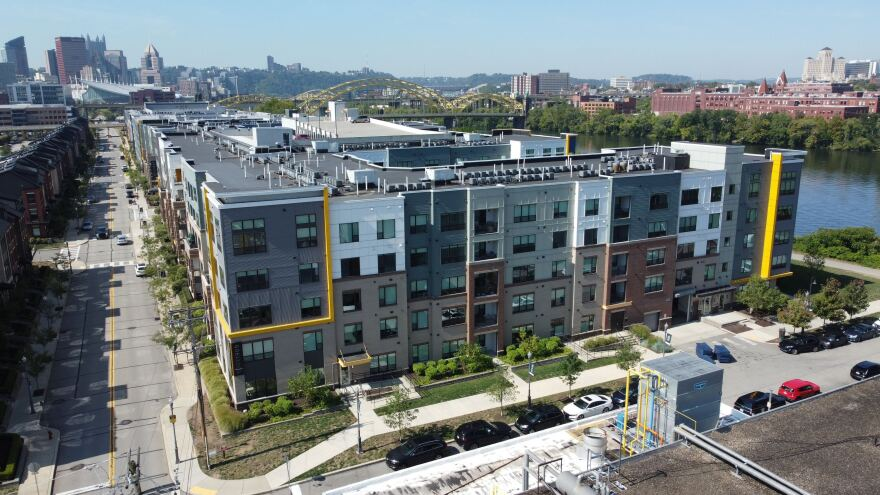
To truly appreciate the evolution of biophilic design by 2025, one must understand its multi-faceted characteristics, which have grown significantly more sophisticated and integrated.
Optimized Natural Light & Circadian Rhythms:
No longer just about “big windows,” 2025 biophilic apartments prioritize dynamic light management. This includes advanced glazing technologies like electrochromic glass that can tint automatically, minimizing glare and heat gain while maximizing natural light penetration throughout the day. Strategic building orientation, light shelves, and carefully designed courtyards ensure deep daylight penetration into units. Furthermore, smart lighting systems now dynamically mimic natural light cycles, supporting residents’ circadian rhythms to improve sleep quality, mood, and overall cognitive function. This integration of daylight harvesting and tunable white light is a critical component for mental well-being in our increasingly indoor lives.
Immersive Living Systems Integration:
The concept of “greenery everywhere” has matured. We’re talking about sophisticated vertical gardens with automated irrigation and nutrient delivery systems, often integrated directly into facade design or common areas. Rooftop gardens aren’t just for aesthetics; they’re often productive urban agriculture spaces, providing fresh produce for residents, reducing the urban heat island effect, and managing stormwater. Indoor plantscapes are carefully selected for their air-purifying qualities and integrated into shared lounges, fitness centers, and even individual units. Furthermore, developers are investing in creating small, native habitat zones within apartment complexes – think pollinator gardens or bird-friendly landscaping – fostering a genuine connection with local biodiversity. This proactive approach significantly enhances indoor air quality solutions and creates naturally serene environments.
Authenticity in Materiality & Sensory Richness:
The choice of materials is paramount. By 2025, developers are deeply committed to using natural, sustainable, and often locally sourced materials such as reclaimed wood, natural stone, bamboo, and recycled content. Beyond aesthetics, the focus is on tactile and sensory experiences. Imagine walking barefoot on cool stone, touching textured wood grain, or experiencing the natural aroma of unsealed timber. Low-VOC (Volatile Organic Compound) paints and finishes are standard, ensuring a healthy interior environment. Architects are also incorporating elements of biomimicry in architecture, designing spaces that subtly reflect natural patterns and forms, creating environments that feel intuitively comfortable and harmonious. This attention to sensory detail contributes significantly to the occupant’s overall sense of well-being.
Dynamic Water Features & Resource Management:
Water elements in 2025 biophilic designs are far more than decorative. While aesthetically pleasing, they often serve functional roles in sustainable apartment development. Rainwater harvesting systems collect water for irrigation of internal and external greenery, reducing potable water consumption. Greywater recycling systems are increasingly common, treating water from sinks and showers for non-potable uses like toilet flushing. Evaporative cooling through strategically placed water features can naturally mitigate building temperatures. The sound of trickling water, whether from an indoor wall feature or an outdoor pond, also provides a soothing auditory experience, a powerful element for stress reduction.
Seamless Indoor-Outdoor Living & Expanded Private Sanctuaries:
The blurring of lines between interior and exterior spaces is a hallmark of current biophilic design. This goes beyond simple balconies. We’re seeing expandable living spaces featuring massive sliding glass walls that open private living rooms onto spacious terraces, creating genuine outdoor rooms. Communal courtyards are meticulously designed as extensions of the home, offering diverse zones for social gathering, quiet contemplation, or even communal gardening. These spaces are often connected through permeable pathways and lush landscaping, encouraging residents to step outside and engage with nature directly. The design emphasizes natural ventilation and passive cooling strategies, reducing reliance on mechanical systems.
Earthy Color Palettes & Organic Forms:
The aesthetic signature of biophilic apartments aligns with nature’s own palette. Shades of green, rich browns, calming blues, and natural stone hues dominate, creating a visual harmony that mirrors the outdoor world. Architectural forms are often organic, with curves and flowing lines that soften the urban edge, moving away from rigid, box-like structures. This visual connection to natural forms and colors has a proven psychological impact, fostering a sense of calm and belonging.
Smart Technology as an Enabler, Not a Replacement:
In 2025, technology seamlessly enhances, rather than detracts from, the biophilic experience. Smart home systems aren’t just about security or climate control; they manage natural light shading, monitor and optimize indoor air quality, control automated irrigation for vertical gardens, and even provide real-time data on energy and water consumption, empowering residents to live more sustainably. AI-driven systems can monitor plant health, suggesting optimal care, while advanced sensors detect and filter pollutants, ensuring a perpetually fresh indoor environment. This intelligent integration supports the biophilic lifestyle without overwhelming it.
The Irresistible Ascent: Why Biophilic Apartments Dominate the 2025 Market
The surge in demand for biophilic apartments is not a fleeting fancy; it’s driven by profound societal shifts and undeniable economic advantages. From an expert’s perspective, investing in biophilic design now is essentially future-proofing real estate portfolios.
Unrivaled Human-Centric Wellness & Productivity:
The most compelling argument for biophilic design lies in its direct impact on human health and well-being. By 2025, the link between exposure to nature and reduced stress, improved cognitive function, enhanced creativity, and increased physical activity is irrefutable. Residents of biophilic buildings report lower levels of anxiety, better sleep, and a greater sense of peace. For urban dwellers, these apartments offer a much-needed sanctuary, directly combating the mental fatigue and sensory overload of city life. This translates into a tangible “wellness premium” that discerning renters and buyers are willing to pay. This directly impacts key demographics seeking health and well-being architecture.
Strategic Environmental, Social, and Governance (ESG) Compliance & Sustainability:
In an era where ESG compliant real estate is not just preferred but increasingly mandated by investors and regulatory bodies, biophilic apartments stand as exemplary assets. Their inherent design principles—focused on natural materials, energy efficiency, water conservation, and biodiversity—naturally align with top-tier sustainability metrics. Developers are aiming for and achieving certifications like LEED Platinum, WELL Building Standard, and SITES, which significantly enhance asset value and attractiveness to institutional investors and socially conscious funds. These buildings often achieve Net-Zero multi-family housing goals, showcasing a commitment to a circular economy in construction and dramatically reducing operational carbon footprints.
Superior Investment Performance & Developer Returns:
The market has unequivocally demonstrated that biophilic developments command higher rents and sales prices, experience faster lease-up rates, and boast lower vacancy rates. The premium associated with healthier, more sustainable living spaces translates directly into biophilic design benefits ROI. Furthermore, the long-term operational costs are significantly reduced due to optimized natural light, ventilation, and water efficiency, leading to substantial savings on utilities and maintenance. This makes them a prime target for green building investment opportunities and positions them as eco-luxury living spaces with inherent value. Developers who embrace this trend are seeing stronger balance sheets and enhanced brand reputation.
Deep Connection with Nature in an Urbanized World:
As cities grow denser, the yearning for a connection to nature intensifies. Biophilic apartments provide this vital link, offering residents a daily dose of the natural world without having to leave their homes or neighborhoods. This deep-seated human need fosters a stronger sense of community within the building, as shared green spaces encourage interaction and collective stewardship. It’s about creating enriching experiences that transcend mere shelter. This addresses the core urban challenge of integrating urban green infrastructure projects into residential development.
Proactive Resilience & Future-Proofing Against Climate Change:
Biophilic design principles contribute to the resilient urban development of properties. Strategic natural ventilation, shading, and water management systems help buildings adapt to extreme weather events and fluctuating climate conditions, reducing reliance on energy-intensive mechanical systems. This makes biophilic buildings not only sustainable but also more robust and adaptable in the face of future environmental challenges, safeguarding asset longevity and value.
Attracting Top Talent & Enhancing Corporate Responsibility:
For companies looking to lease office space within mixed-use biophilic developments, these environments offer a significant advantage in attracting and retaining talent. Employees thrive in healthier, greener spaces, leading to increased productivity and reduced absenteeism. This elevates the development’s appeal to anchor tenants who prioritize their employees’ well-being and their own corporate responsibility narratives.
Navigating the 2025 Development Landscape: Challenges & Opportunities
While the advantages are clear, embarking on biophilic apartment development in 2025 isn’t without its complexities. Initial capital expenditure can be higher due to specialized materials, advanced systems, and the need for expert consultation from landscape architects, environmental engineers, and high-performance building design specialists. Integrating complex living systems requires meticulous planning and ongoing maintenance strategies. Regulatory hurdles, especially in dense urban environments, can sometimes pose challenges for innovative green infrastructure.
However, these challenges are dwarfed by the immense opportunities. The market is ripe for differentiation, and developers who commit to authentic biophilic design will stand out in a competitive landscape. The long-term ROI, coupled with enhanced brand reputation and a contribution to a healthier planet, makes the investment worthwhile. Furthermore, government incentives and evolving building codes are increasingly favoring developer strategies green building and sustainable construction, creating a more supportive environment.
The Biophilic Imperative: Beyond Comparison
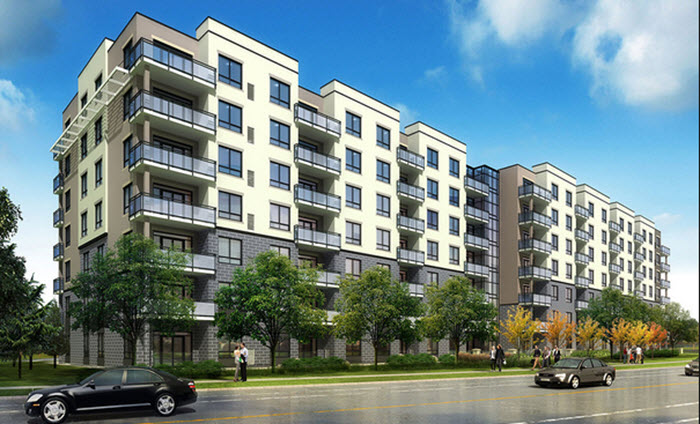
The traditional apartment, with its sterile interiors, limited natural light, and disconnected relationship to the environment, now appears increasingly obsolete when placed against its biophilic counterpart. The comparison chart from a few years ago that merely highlighted differences in “greenery” or “natural light” is no longer sufficient. By 2025, the choice isn’t just between better aesthetics; it’s between a property that sustains its inhabitants and the planet, and one that merely exists.
| Aspect | Traditional Apartments (2025 Context) | Biophilic Homes (2025 Context) |
| :————————— | :——————————————– | :————————————————— |
| Natural Light Management | Often limited, static glazing | Dynamic light harvesting, circadian lighting systems |
| Living Systems | Minimal, often decorative potted plants | Integrated vertical gardens, urban farms, bio-walls |
| Material Sourcing | Conventional, higher embodied carbon | Natural, reclaimed, locally sourced, low-VOC finishes |
| Nature Connection | Isolated from the natural world | Seamless indoor-outdoor flow, direct sensory immersion |
| Environmental Impact | Higher resource consumption, carbon footprint | Net-Zero Ready, water-efficient, biodiversity support |
| Property Value Trajectory | Stable to moderate growth, obsolescence risk | Increasing, premium pricing, high demand, resilient asset |
| Indoor Air Quality (IAQ) | Often reliant on mechanical filtration | Naturally purified, smart monitoring, biogenic airflows |
| Resident Wellness Focus | Basic amenities | Holistic wellness, mental and physical health integration |
| Technology Integration | Convenience (smart locks, thermostats) | Wellness enhancement (IAQ monitoring, light tuning, plant care) |
The contrast is stark. Traditional apartments risk becoming economically and environmentally unviable in the coming decade. Biophilic apartments, conversely, are the cornerstone of a thriving urban future.
Embrace the Biophilic Future
The future of apartment construction isn’t just green; it’s alive. It’s an intelligent, empathetic, and profoundly human-centered approach to building that acknowledges our intrinsic need for connection with the natural world. As we look towards the next decade, biophilic design isn’t a niche market; it is becoming the new baseline for quality, sustainability, and desirability in urban multi-family housing.
Whether you are a developer looking to maximize returns and build a legacy of responsible innovation, an investor seeking ESG-compliant real estate with superior long-term value, or a prospective resident yearning for a home that nurtures your well-being, the message is clear: the biophilic blueprint is here, and it’s reshaping our cities for the better. Don’t merely observe this evolution; become a part of it. Explore the transformative power of biophilic design and discover how you can contribute to or inhabit the living spaces of tomorrow.
Connect with us to understand how Biophilic Homes can redefine your next development project or elevate your living experience. The future is thriving, and it’s calling for you.